Should you worry that a rabid fox in North Texas was recently found? Here’s what to know
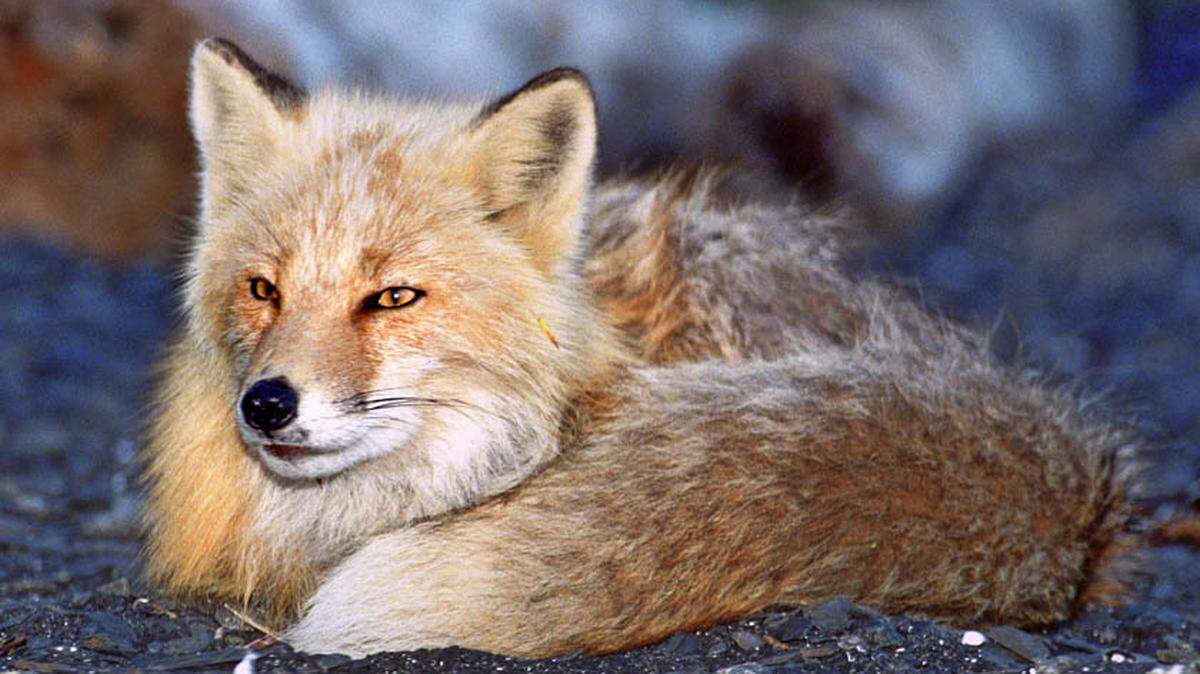
On August 29, an “ill-appearing” fox was found in northwest Grapevine and tested positive for rabies.
Months earlier, on March 1, a skunk in Grapevine that appeared “disoriented and was approaching people in an unusual manner” also tested positive for the virus.
“As defined in Texas law, high-risk animals for rabies include bats, skunks, foxes, raccoons, and coyotes. Bats and skunks are the primary reservoirs (hosts) for specific rabies virus variants (types) in Texas,” states the Texas Department of State Health Services.
While there were no reported human or animal exposures to either of the rabid animals, according to the news release from Grapevine Police, it’s important to know what to do if you see one of these animals so that you can protect yourself and your pets.
How common is rabies in Texas?
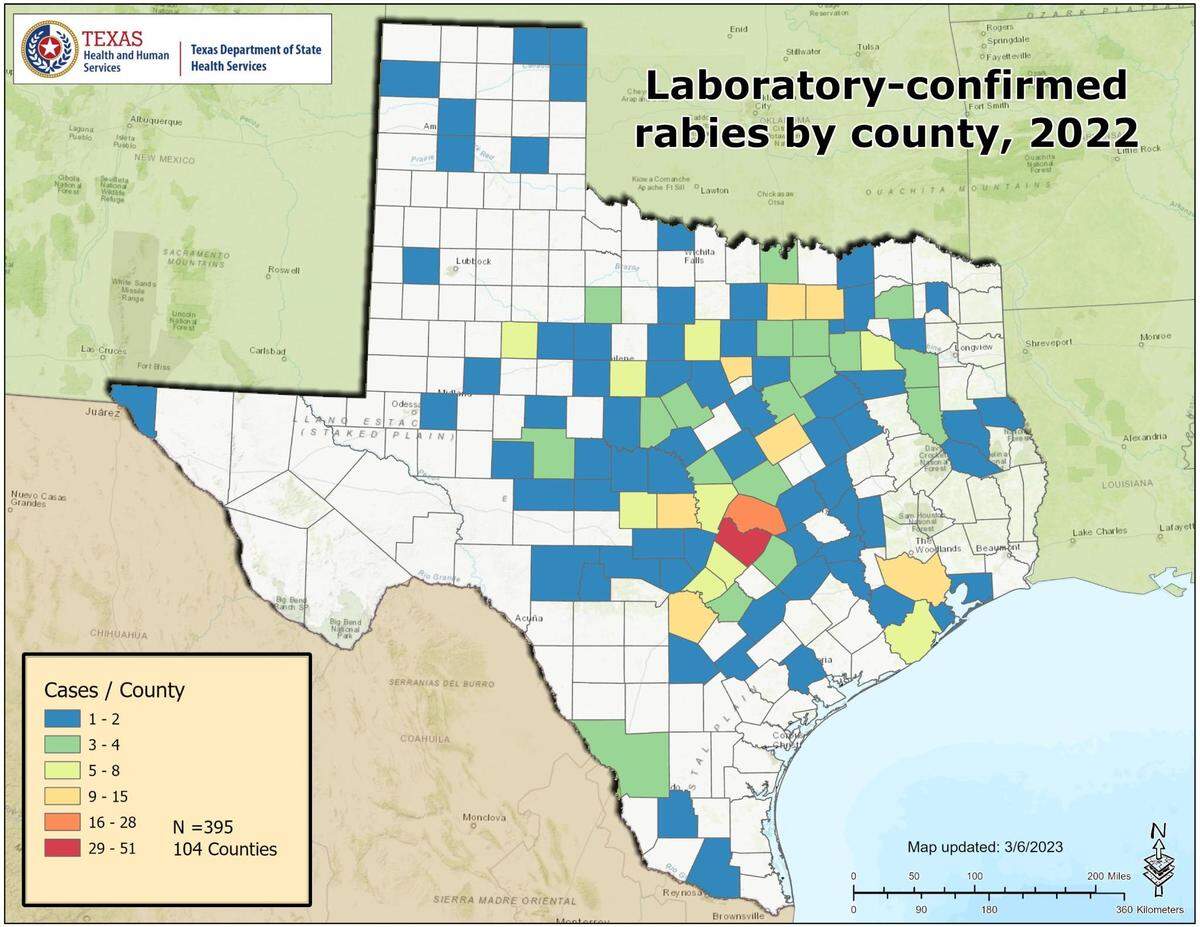
In 2022, 395 or 4% of 8,976 animals in Texas that were tested were positive for rabies, a 13% decrease from the 455 cases confirmed in 2021. In 2022, there were 44 positive rabies cases per 1,000 specimens tested, down from 52 in 2021.
The highest monthly number of confirmed cases last year, 63, occurred in April, followed by May. Rabies was confirmed in 104 of the 254 Texas counties, with Travis and Williamson counties reporting the highest numbers of cases. In Tarrant County, four animals tested positive for rabies out of 606.
Bats and skunks made up most of the positive rabies cases in Texas in 2022, with 156 and 151 confirmed, respectively. There were 20 raccoon cases and 17 fox cases. There were 50 reported rabies cases in domestic animals, with 20 being cats and 17 being dogs.
How do I know if my pet has rabies?
The deadly disease is caused by a virus that attacks the nervous system and is usually transmitted by a bite from an infected animal. Only mammals can get rabies, with most cases of rabies occurring in wild animals like foxes and skunks.
More recently, because many cat owners do not vaccinate their cats before they’re exposed to wildlife outdoors, they’ve become the most common domestic animal infected with rabies, according to the City of Parker animal control department. Rabies also infects dogs and cattle in large numbers. Dogs and cats with rabies may show signs including:
- fearfulness
- aggression
- excessive drooling
- difficulty swallowing
- staggering
- seizures
How can you protect your pet from rabies?
If you believe you, a loved one or pet was exposed to the virus, contact your local animal services office immediately and seek immediate care from a veterinarian for your pet.
You can protect yourself and your family by getting your dog, cat or ferret vaccinated for rabies. A vaccine clinic will be held on Oct. 28 from 10 a.m. to 12 p.m. at Grapevine Animal Services, located at 500 Shady Brook Drive.
Also, make sure your pet is not interacting with wildlife, and do not feed or interact with them yourself. If you see an ill or injured wild animal, promptly call Grapevine Animal Services at (817) 410-3370 ext. 2.