Is this COVID lockdown payment practice here to stay? We asked a Texas economist
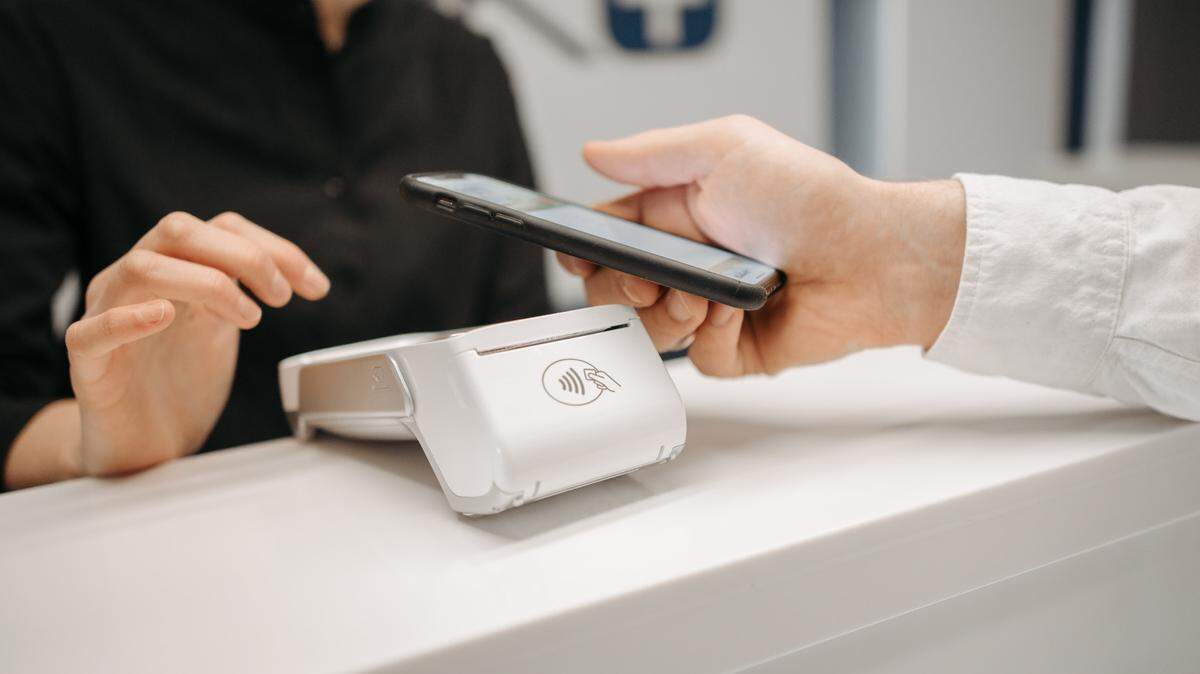
Cashless payments are on the rise in Texas.
They have increased at a rate of 9.5% per year since 2018, reaching $128.51 trillion in 2021, a recent study from the Federal Reserve indicates.
Convenience is a major factor in that upswing, says Ray Perryman, an economist with The Perryman Group, and the touch-free capabilities of cashless payment methods during the pandemic also played a role.
Why electronic payments?
An easy to use, efficient method of purchasing goods and services is essential to a well-functioning economy, Perryman says. Payment methods have evolved throughout human history — from barter, primitive forms of money, full-bodied coins and precious metals, bank notes, national fiat currency and checks to electronic payments and cashless transactions.
“Cashless payments are highly efficient, offering advantages such as speed, security and accuracy,” Perryman said.
Electronic payments have also increased the pace of economic growth. That’s because they allow more activity to occur with a given money supply as they move payments more efficiently through the system, Perryman explains. Almost a decade ago, it was found that the beneficial effects of the electronic payment system on the economy had already been substantial. It was estimated that the U.S. economy was more than 12% larger than it would have been in the absence of the electronic payment system. That percentage is likely even higher now, Perryman says.
Simplifying payments has a tendency to increase consumer spending. Because it’s easier and more convenient to pay for purchases thanks to the cashless payments, consumers are more likely to buy things. Convenience encourages consumer spending, which drives about 70% of the economy.
What does going cashless mean for small businesses?
For small business owners in North Texas, there are pros and cons to cashless payments, according to Perryman.
Pros:
- Going cashless is good for businesses and the economy because it encourages consumption.
- For certain types of businesses such as retail stores or restaurants, the simplicity of the transaction will remove a barrier for some potential customers.
- It can also reduce the amount of time employees are required to spend accepting payments, which can be relevant to staffing and hiring, particularly in a tight labor market.
Some payment methods involve fees for businesses, which can be a disadvantage particularly for firms that tend to deal with larger transaction amounts.
Will the cashless trend continue in the future?
Because it’s been a pattern for decades, Perryman doesn’t think the cashless trend will reverse. In fact, he believes it’s more likely to become an even greater factor in the future in Fort Worth and throughout the country. These types of advances are driven by technology and overall consumer patterns, which are normally adopted in a relatively uniform manner, he said.
“The advantages of being able to tap a card or phone and buy something are clear to consumers, and businesses will inevitably adapt to customer expectations and desires,” he says.
The pace will also be quickened by demographic patterns, as younger consumers are generally more familiar and comfortable with newer approaches, Perryman added.