
Tarrant County reports second confirmed, third potential case of monkeypox
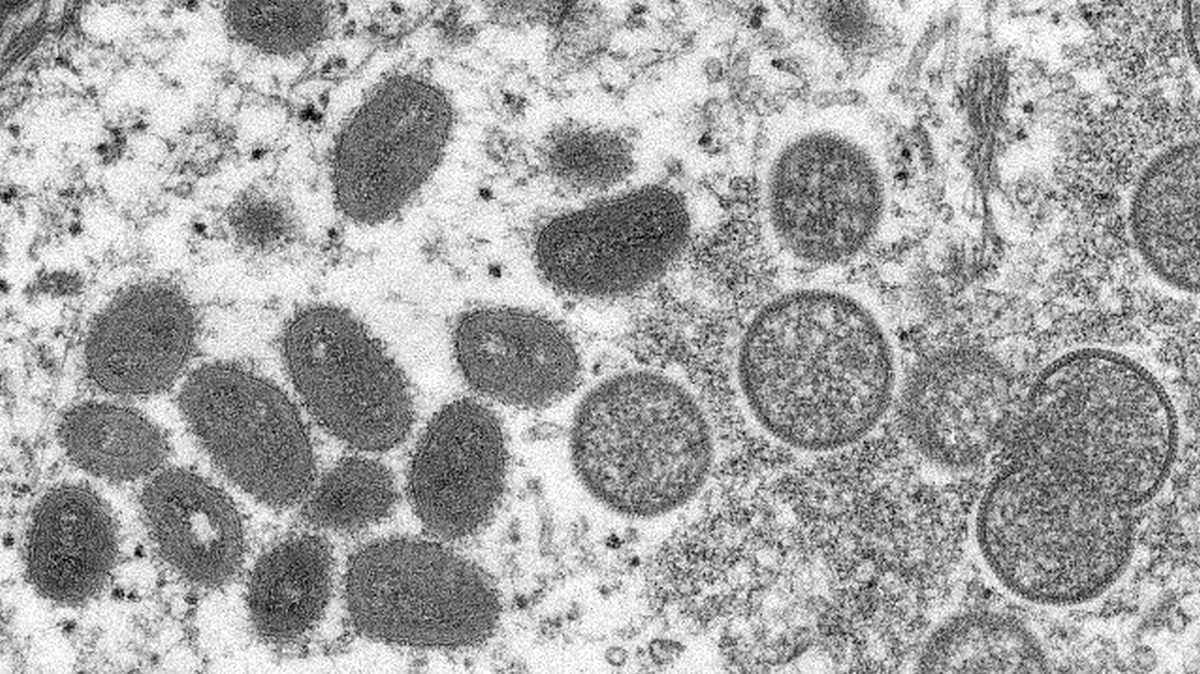
A second confirmed case of monkeypox has been reported in Tarrant County and a third potential case has been identified, according to Tarrant County Public Health.
The two confirmed cases both were identified in men. Details about the first case have not been released, but TCPH said the second case is a result of exposure in the Dallas-Fort Worth area with no history of travel during the exposure time. There was no further exposure, based on an investigation conducted by TCPH.
Details on the third potential case are limited and TCPH is still investigating to confirm whether or not the potential case is a Tarrant County resident. The first case was announced Monday.
The risk to the general public is currently believed to be low.
Monkeypox is an infection primarily spread by contact with bodily fluids, lesions or items that are shared and have been contaminated by the fluids of a person who is infected, like bedding. It can also be spread by respiratory droplets from a person in close proximity over the course of three days.
Symptoms include rash, fever, swollen lymph nodes and body aches.
Monkeypox can affect any person, no matter their age, race, sexual orientation or gender identity. If you believe you may have been infected or in contact with someone who is infected, contact your doctor.
Monkeypox, classified as a rare disease by the CDC, is a variant of the same virus that causes smallpox. The CDC said it is currently keeping up with multiple cases of the virus from countries that don’t usually report infections, including the United States.
There have been more than 1,052 confirmed cases in the U.S., according to the CDC.
This infection presents symptoms including a rash, lesions, swollen lymph nodes, fever and scabbing, according to the CDC. Severity of the infection depends on the health of the person prior to exposure, the strain of the virus and the way in which they were infected. Incubation is typically seven to 14 days and the infection typically lasts two to three weeks. It can, in some cases, be fatal.
This story was originally published July 13, 2022 at 5:01 PM.