Should Texas worry about monkeypox? We asked a medical expert
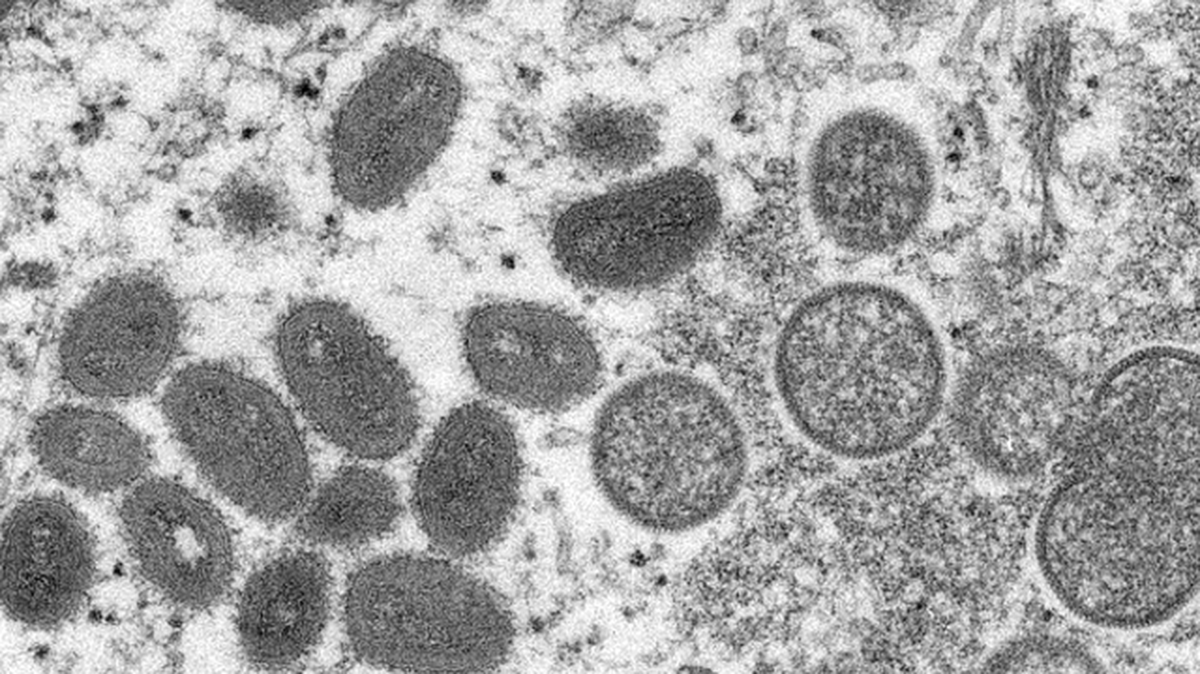
Monkeypox is now in Texas.
On Tuesday, Dallas County reported the state’s first case of the monkeypox virus infection this year. The patient, who had traveled internationally in the past month, has been isolating at home, according to a press release from the Texas Department of State Health Services.
Overall, 40 cases have been confirmed in the U.S. across 15 states, with the most cases in New York and California. Throughout the world, 1,200 cases have been confirmed in 29 countries.
Monkeypox is a rare viral disease transmitted to humans through close contact with an infected person or animal. It can also be transmitted from person to person by inhaling large respiratory droplets or through close contact with body fluids and lesions, as well as bedding and other contaminated materials. Those infected may experience fever, rash and swollen lymph nodes, as well as more serious complications, per the Texas Department of State Health Services.
Because the monkeypox case was identified in Dallas, Dallas County Health and Human Services is the lead agency on the investigation working with the Texas Department of State Health Services to ensure Texans are safe from the disease.
“DSHS issued a health alert for clinicians with information about the disease and recommendations on testing and diagnosis,” DSHS press officer Lara Anton told the Star-Telegram.
A few people who may have been exposed in Dallas have been identified and are monitoring themselves for symptoms of infection. The Centers for Disease Control and Prevention is also reaching out to passengers who could have been exposed to the patient on a flight from Mexico to Dallas with instructions on how to monitor themselves for symptoms.
Dallas County Health director Philip Huang says “there is little known risk to the general public at this time,” but they are taking steps to prepare for a potential outbreak. Tarrant County Public Health is keeping monkeypox on its radar as well.
“There are currently no reported cases of monkeypox in Tarrant county, however, Tarrant County Public Health (TCPH) is closely monitoring the situation to inform the public should any cases arise,” public information officer Magaly Ayala told the Star-Telegram. “TCPH is coordinating with the Texas Department of State Health Services (DSHS) and local area hospitals as part of the emergency response plan to protect the public from Monkeypox.”
The CDC is tracking multiple cases of monkeypox that have been reported in several countries that don’t normally report monkeypox, including the United States.
The DSHS and CDC are urging health care providers in Texas to be alert for patients with rash illnesses consistent with monkeypox. Public health officials are working with local health care providers so that they are prepared to recognize monkeypox and report suspected cases.
Monkeypox questions answered
Should we be concerned about monkeypox in North Texas?
Here’s what Dr. Nikhil Bhayani, Texas Health infection prevention and epidemiology physician advisor, told the Star-Telegram:
Q: What is the risk that monkeypox poses to Texans?
A: “Definitely there is a risk, but not to create enough panic. There is a small risk, it’s just that we have to be aware that this virus is out there and it’s in various communities around the country and the world.”
Q: What are Texas Health hospitals doing to monitor monkeypox cases?
A: “Just the routine stuff, just identifying patients who have the symptoms, and also where they have traveled. And then it’s up to the clinician to decide, did they fit the criteria for monkeypox testing? Have they been exposed to somebody with monkeypox? The symptoms are not specific so that’s the kind of information that the clinician would have to gather.”
Q: What happens when you catch monkeypox?
A: “Overall, it’s a mild self-resolving illness. People who have compromised immune systems or they’re requiring agents to treat like rheumatoid arthritis or autoimmune conditions, folks with cancer, advanced HIV or advanced age, they’re at risk for severe disease.”
Q: How is monkeypox treated?
A: “Usually it is a self-resolving illness through supportive treatment, but those people who have severe disease, there is antiviral therapy available, and you would have to consult with your local health department and the CDC to determine if the patient is appropriate for antiviral therapy. There are vaccines available, but right now those vaccines are limited to folks in laboratory settings that are handling high-level specimens and also to the military.”
Q: What else should we know about monkeypox?
A: “One thing they should be aware is that the incubation period can be anywhere from six to 13 days, usually it can take up to 12 days incubation period. The fever precedes the rash by a couple of days, so fever comes first.”
How monkeypox spreads
Early data suggests that men who have sex with men make up a high number of cases, but anyone who has been in close contact with someone who has monkeypox is at risk, the CDC says.
Monkeypox can spread when a person comes into contact with the virus from an infected animal, infected person, or materials contaminated with the virus, per the CDC. The virus can also cross the placenta from the mother to her fetus.
Monkeypox spreads between people primarily through direct contact with infectious sores, scabs, or body fluids, or with materials that have touched body fluids or lesions, such as clothing or linens. Monkeypox can spread during sex, as well as activities like kissing, cuddling, or touching parts of the body with monkeypox sores. It also can be spread by respiratory secretions during prolonged, face-to-face contact.
The virus may spread from animals to people through the bite or scratch of an infected animal, by handling wild game, or through the use of products made from infected animals. It is not yet known what animal maintains the virus in nature, although African rodents are suspected to play a part in monkeypox transmission to people, according to the CDC.
How to identify monkeypox
The symptoms of monkeypox are similar to but milder than the symptoms of smallpox, according to the CDC. Monkeypox begins with fever, headache, muscle aches, and exhaustion. The main difference between symptoms of smallpox and monkeypox is that monkeypox causes lymph nodes to swell while smallpox does not. The time from infection to symptoms for monkeypox is usually seven to 14 days but can range from five to 21 days.
The illness begins with:
- Fever
- Headache
- Muscle aches
- Backache
- Swollen lymph nodes
- Chills
- Exhaustion
Within one to three days after the appearance of fever, the patient develops a rash, often beginning on the face then spreading to other parts of the body.
Lesions progress through the following stages before falling off:
- Macules
- Papules
- Vesicles
- Pustules
- Scabs
The illness typically lasts for two to four weeks. In Africa, monkeypox has been shown to cause death in as many as one in 10 who contract the disease.
“Currently, risk to the general public is low,” DSHS spokesperson Anton said. “People should be aware of the symptoms and seek medical treatment if they develop a rash, especially if they had contact with someone who had a rash that looks like monkeypox or after traveling to a place with recently confirmed cases of monkeypox.”
In Tarrant County, suspected or confirmed monkeypox cases should be reported to the Tarrant County Public Health Department’s epidemiology division by calling 817-321-5350 or faxing a report to 817-850-2366.
Health care providers looking for guidance on diagnosis of monkeypox can consult with their local or regional health department, DSHS says.
How to prevent monkeypox
There are several measures that can be taken to prevent infection with monkeypox virus, according to the CDC:
Avoid contact with people who have a new or unknown rash, lesions, or scabs.
- Avoid contact with animals that could harbor the virus, including animals that are sick or that have been found dead in areas where monkeypox occurs.
- Avoid contact with any materials, such as bedding, that has been in contact with a sick animal.
- Isolate infected patients from others who could be at risk for infection.
- Practice good hand hygiene after contact with infected animals or humans. For example, wash your hands with soap and water or use an alcohol-based hand sanitizer.
- Use personal protective equipment when caring for patients.
JYNNEOS, also known as Imvamune or Imvanex, is a vaccine approved by the U.S. Food and Drug Administration to prevent monkeypox. The vaccine is used to protect certain people who are at risk for exposure to monkeypox, including research laboratory personnel, clinical laboratory personnel performing diagnostic testing for orthopoxviruses, designated response team members, and health care personnel.
How monkeypox is treated
Currently there is no specific treatment approved for monkeypox virus infections. However, several antivirals developed for use in patients with smallpox can be beneficial in treating monkeypox. Healthy individuals with a mild case of monkeypox don’t need specific therapy. Patients considered for treatment include those with severe disease, people at high risk for severe disease and those infected in an especially dangerous part of the body.
This story was originally published June 10, 2022 at 6:35 AM with the headline "Should Texas worry about monkeypox? We asked a medical expert."