Texas bluebonnet season: When they’ll bloom, where to see them, how to grow your own
For Texans, the blooming of bluebonnets signals the arrival of spring.
The bluebonnet became the state flower of Texas in 1901, and became more abundant with a Highway Department landscaping and beautification program in the 1930s.
The bluebonnet season draws tourists from all across the nation to see the color unfold each spring. More than 5,000 species of wildflowers grow along state roads. The Texas Department of Transportation buys and sows 30,000 pounds of wildflower seeds each year.
So when are Texas bluebonnets expected to bloom this year? Where are the best places to see them in the Fort Worth area? And how can Texans plant their own bluebonnets? Keep reading for everything you need to know about the iconic Texas wildflower.
When do bluebonnets bloom in Texas?
The University of Texas at Austin’s Lady Bird Johnson Wildflower Center predicts a bluebonnet comeback this year after being set back last spring from the winter storm.
Bluebonnets bloom from late March to mid-May, according to the center. In the southern part of the state, the first flowers open about March 15. In North Texas, first flowers may not show before May 1.
The amount and timing of fall and winter rain determines the blooming of bluebonnets. Cool spring weather slows down growth while warm weather speeds it up. While bluebonnets can withstand drought, they may not be as showy this year because most of the state is experiencing severe to extreme drought.
Where can I see Texas bluebonnets?
Bluebonnets hit their peak in early April, so this is the perfect time to see them. These locations in North Texas are photogenic and easy to access. Remember to check the status of the blooms before heading out, as the flowers can be unpredictable.
While not illegal (contrary to rumor), TxDOT discourages picking bluebonnets.
Ennis Bluebonnet Trails
Ennis, about an hour drive from Fort Worth, is one of the best places in Texas to see bluebonnets. The city has been designated as the home of the Official Texas Bluebonnet Trail by the Texas State Legislature and the Official Bluebonnet City of Texas. Running April 1 to 30, the Ennis Bluebonnet Trails showcase over 40 miles of bluebonnets. The Ennis bluebonnets typically peak around the third week of April. This can vary year to year due to weather conditions and terrain, so check bluebonnettrail.org or call 972-878-4748 before your visit. It’s open daily except for Easter Sunday. Download the Ennis Y’all mobile app for iPhone and Android for a bluebonnet trail map.
The Ennis Bluebonnet Trails Festival will be held April 8 through 10. On the streets of Downtown Ennis will be arts and crafts vendors, tasty food, live music, a beer garden, wine tastings, kids activities and fireworks.
Fort Worth Nature Center and Refuge
Ask a ranger where the best place to spy bluebonnets is, then take a hike to see them. Spend the day enjoying the park, and take a canoe ride to cool off. Tickets are $6 for adults and $2 for children.
Fort Worth Botanic Garden
During April, the oldest major botanic garden in Texas is filled with Texas bluebonnets, along with golden columbines, tangerine beauty crossvines and chinese snowball viburnums. The garden features a collection of more than 2,500 species of plants and twenty-five specialty garden spaces. Admission is $12 for adults and $6 for children.
Clark Gardens
This Weatherford location boasts thousands of bluebonnets. You’ll have countless opportunities to snap photos of bluebonnets, along with other flowers like snap irises and day lillies. Or just relax on a bench and enjoy the 35 acres of blooms. Admission is $9.00 for adults and $5.00 for children.
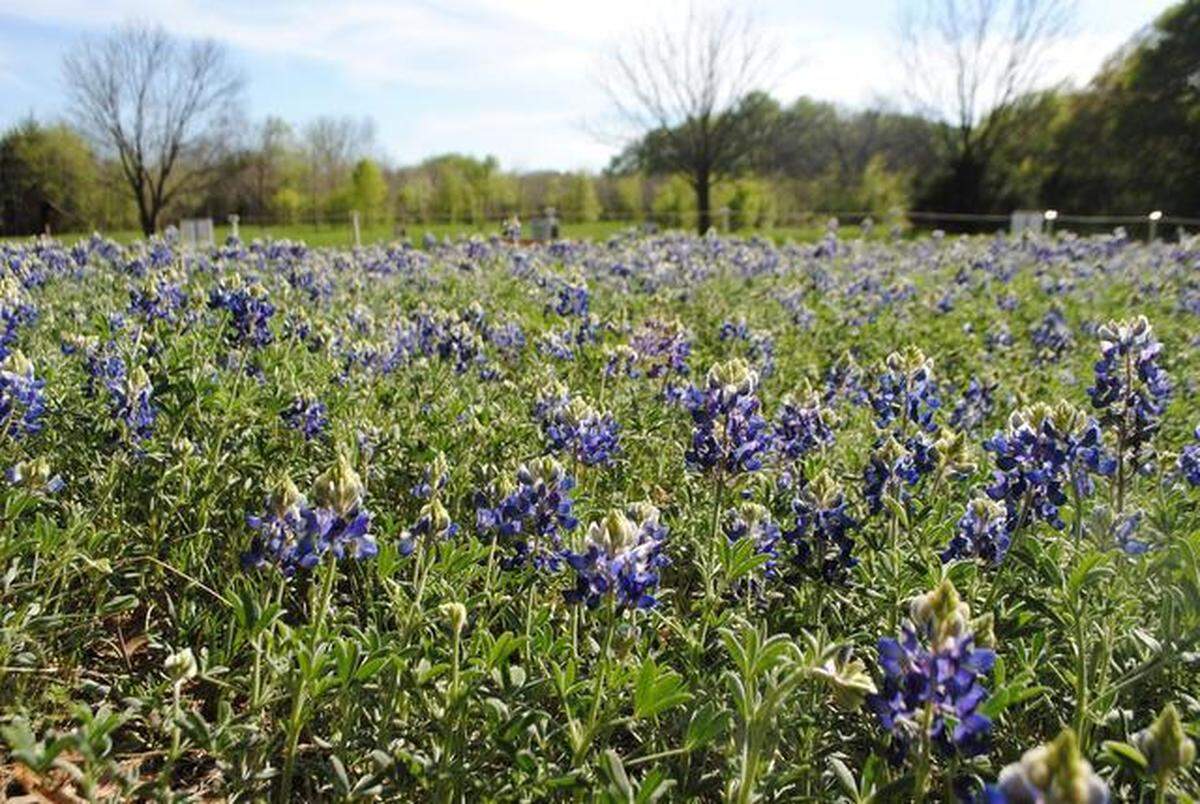
Oliver Nature Park
This Mansfield park’s wildflower meadow blooms with a variety of native seasonal flowers. In spring, look for thick blankets of bluebonnets, as well as Indian paintbrushes, primrose and buttercups. You can learn about wildflowers at the park by scanning the QR codes found on the signs and other points of interest throughout the park. Oliver Nature Park Scavenger Hunt Hike via the GooseChase phone app is perfect for a family adventure.
Cedar Hill State Park
Take a 30 minute drive to Cedar Hill State Park, with bluebonnets in the spring well worth seeing. You can see the flowers and take photos while walking or biking around the park. Entry is $7 per person, and free for children under 12.
Bluebonnet Trail Greenbelt
The Bluebonnet Trail Greenbelt in Plano runs from Central Expressway to Midway Road, and along Spring Creek Parkway and Chase Oaks Boulevard. It intersects with the Chisholm Trail in the center of Plano and connects with the Preston Ridge Trail at Carpenter Park. Click here for a map of the trail and here for trail mileage.
Native Texas Park
This 15-acre park at the George W. Bush Presidential Library and Museum offers free guided tours of their bluebonnets on spring weekends. The park features a one-mile network of trails and walks visitors through native Texas environments.
Freedom Meadow
A quaint five-acre park in Frisco is seeded with native wildflowers by the Frisco Garden Club. The native wildflowers are not only beautiful, but serve as a pollinator habitat. In 2020, a prescribed burn was performed to kill invasive grasses that hindered the seeding of bluebonnets and other native wildflowers, part of the Blackland Prairie Restoration Project.
Join this Facebook group to receive updates about bluebonnet sightings throughout Texas. Download the iNaturalist app to find bluebonnets and other wildflowers near you.
How can I grow my own bluebonnets?
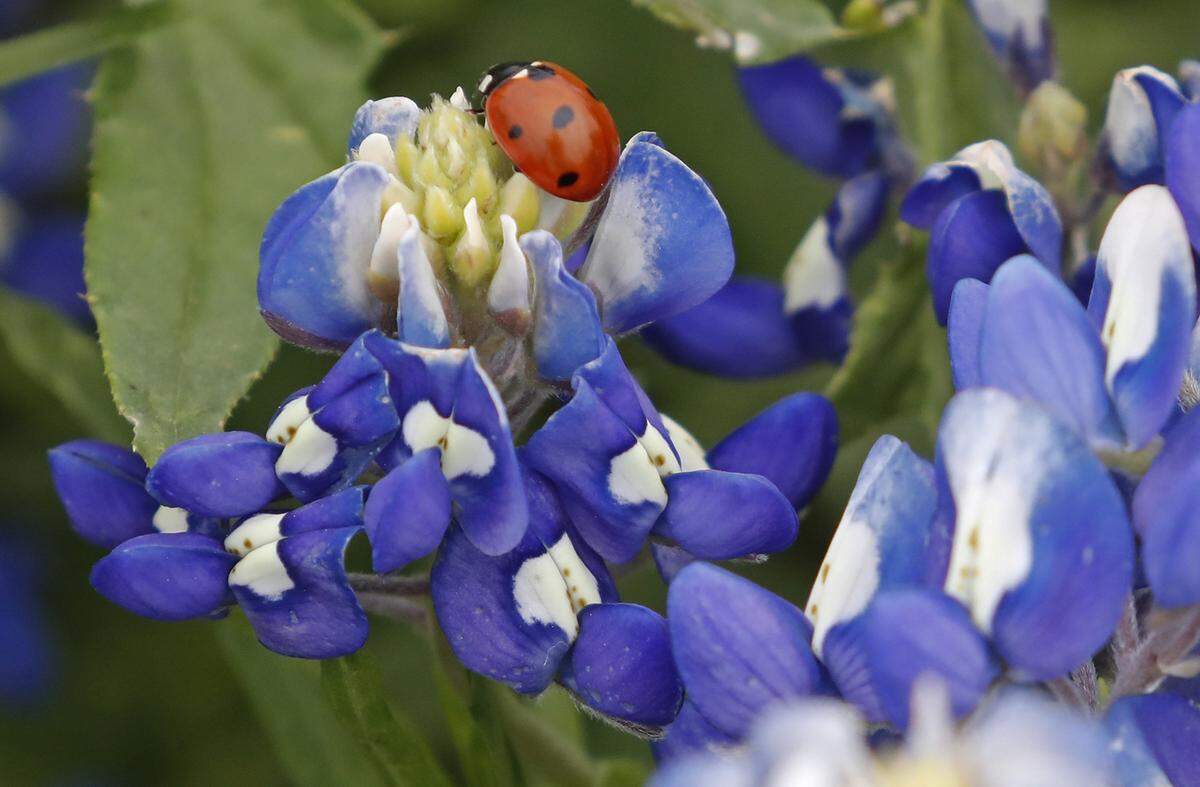
The beautiful wildflower can be found across Texas every spring, but bluebonnets can be tricky to plant. When they are in the conditions needed to thrive, your bluebonnets should reseed and reappear each spring.
How much to plant
TxDOT recommends 10 to 12 pounds of seeds per acre. An ounce (between 850 and 1,000 seeds) will cover about 200 square feet, approximately five seeds per square foot. If you want a good display quickly, seed companies recommend 8 to 10 seeds per square foot, or 20 to 30 pounds of seeds for each acre.
Where to plant
Choose a sunny, well-drained location with slightly alkaline, moderately fertile soil. South and west-facing slopes encourage earlier spring growth and flowering. Bluebonnets are adapted to rocky, alkaline soils and the state’s frequent droughts, according to the Lady Bird Johnson Wildflower Center.
When to plant bluebonnets
You can plant bluebonnets from September to December. Ideally, plant the seeds in October and November (early October is best). Texas bluebonnets go from seed to flower to seed in one year. They germinate in the fall and grow through the winter.
How to plant bluebonnet seeds
Soil preparation is not necessary, but seed-soil contact is essential to planting bluebonnets. In turf areas, mow the grass six to eight inches and rake up the thatch. Open up some bare areas to allow the seeds to make contact with the soil. For bare ground, plant seeds on a lightly tilled or slightly roughened soil surface.
Small areas can be sown by hand or with a mechanical hand device. Large areas require a seed drill.
You can dilute the seeds by mixing them with sand to get even coverage. Cover the seed with soil no more than one-quarter inch deep. Press seeds firmly into the ground with your hands or walk over the area. Drag the sowed area with a weighted section of chain link fence or other rough flat object to better obtain soil-seed contact.
After planting the seeds, water your bluebonnets, using light, well-spaced waterings. They require some moisture, but don’t like saturated soil. Water thoroughly but gently every three days for about three weeks if it doesn’t rain. You don’t need to fertilize bluebonnets. If it’s not growing, you can fertilize lightly in early spring. Bluebonnet seeds usually mature six to eight weeks after flowering. When the dead brown foliage offsets the floral color display, the area should be mowed.
Tips for getting the best bluebonnets
Bluebonnets produce large, hard-coated seeds that may cause them to have a low growth rate the first year or two. And not all seedlings that grow successfully establish and mature. That can be frustrating to gardeners who want a spring display of colorful blooms the first year after planting. These are some tips from the center on how to make that happen:
- Scarify the seeds: To help bluebonnets grow, scratch or nick the seed coats to simulate natural weathering processes. You can scarify seeds by nicking the seeds with a knife, rubbing the seeds with sandpaper or freezing the seeds overnight then quickly pour boiling water over them and soaking for several hours at room temperature. Once you do so, most seeds will grow quickly and should be watered for several weeks, especially if the weather is dry. Keep in mind that this can also damage the seed.
- Apply rhizobium powder: A bacterium called rhizobium improves growth and flowering. Some soils already have naturally occurring rhizobium. If there are nodules on the roots, the bluebonnets have the bacteria. If it doesn’t, apply rhizobium to the seeds before they are planted or to the soil after germination. Lightly dampen the seeds so the rhizobium powder will stick easily.
- Plant in bad soil: Sowing bluebonnet seeds in decomposed granite has the best success.
- Give them full sun: Many Texas natives can handle some shade, but bluebonnets require a sunny location to grow.
- Don’t crowd them: Bluebonnets do best without being crowded out by other plants.
This story was originally published April 1, 2022 at 4:00 AM.