Sunrise at 8:32 a.m.? What it means for Texas if daylight saving time is permanent
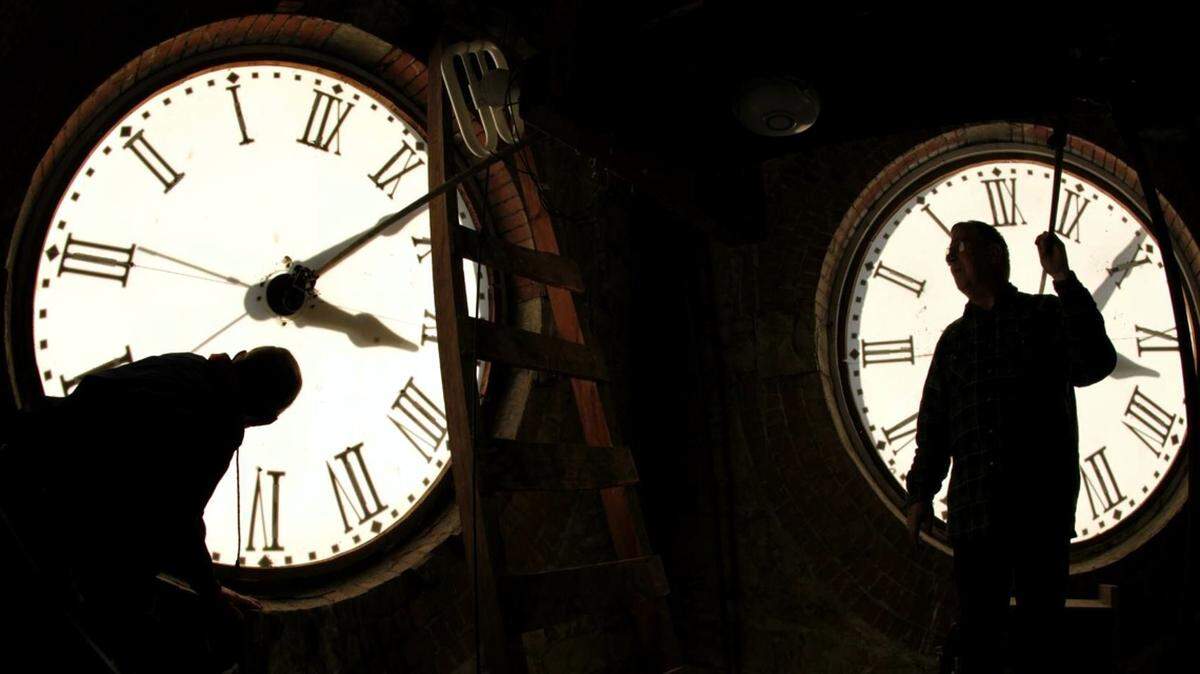
On Tuesday, the U.S. Senate unanimously passed a bill to make daylight saving time permanent. The Sunshine Protection Act would mean Americans no longer have to change their clocks twice a year.
Daylight saving time runs for eight months, from mid-March to early November, so most of the year will remain the same. Permanent daylight saving time means that clocks wouldn’t shift backward by one hour starting in November.
November to March would be the only months affected, with the sun rising and setting at a later time for most of the country.
For many, the best part about the change would be no longer losing an hour of sleep when spring rolls around.
These changes wouldn’t go into effect until Nov. 5, 2023. The U.S. House, which has held a committee hearing on the matter, must still pass the bill before it can go to President Joe Biden to sign. The White House has not said whether Biden supports it, Reuters reported. House Speaker Nancy Pelosi’s office said she was reviewing the bill.
If the bill does become law, what would that look like for Texas?
During the shortest days of the year in the winter, the earliest sunset in Fort Worth would be at 6:22 p.m. in early December, and the latest sunrise would be at 8:32 a.m. in early January.
The United States tried year-round daylight saving time in 1974, but it didn’t last long: Congress restored standard time in August after people realized that children were leaving for school in pitch-black skies.
Some opponents of the change today have similar concerns. The National Association of Convenience Stores told Congress this month “we should not have kids going to school in the dark,” Reuters reported.
Most Americans have lived with daylight saving time since the ‘60s. The first law in the U.S. to establish DST was in 1918 during World War I, “as a way of conserving fuel needed for war industries and of extending the working day,” wrote Cheryl Lederle, a Library of Congress educational resource specialist, in a blog post. The law repealed a year later after the war ended.
Congress again enacted daylight saving time during World War II.
The period of daylight saving time has been extended twice — in 1986 (to begin the first Sunday in April instead of the last) and in 2005 by several weeks.
This story was originally published March 16, 2022 at 4:25 PM.