Heart attacks and DUIs increase on Super Bowl Sunday. Here’s what you need to know
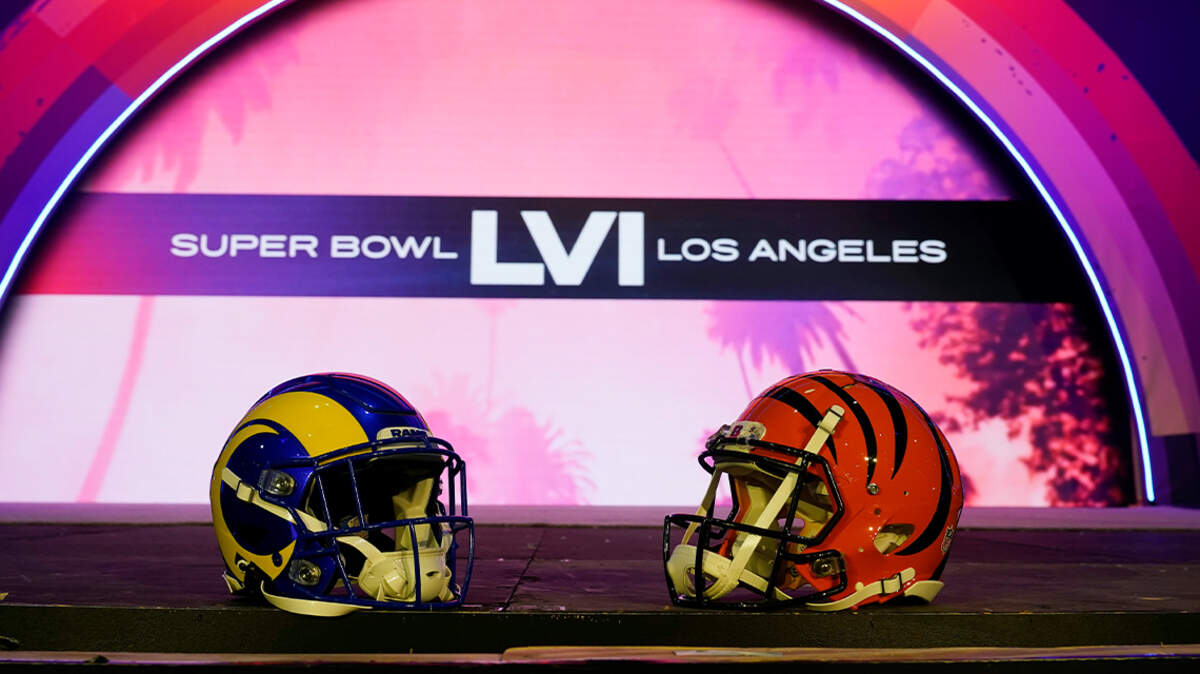
Although Super Bowl Sunday is a day full of gatherings with friends and family, it’s also a time that can trigger an abnormal amount of problems, including emergency calls, around the country.
Whether it’s an increase in heart attacks or DUIs, or how to bet responsibly, here’s what you need to know going into the championship game between the Los Angeles Rams and the Cincinnati Bengals.
Is there an increase in gambling? Yes.
This year alone, there’s been a 35% increase in sports gambling with over 18.2 million adults in the United States placing online wagers (a 78% increase from 2021) and 18.5 million who plan to bet “casually with friends,” which is also up 23% from the year prior, according to the American Gaming Association.
The association said the increase in betting is thanks to the growing legality and accessibility of online wagers, which can include websites like DraftKings, FanDuel and Bet365.
“Forty-five million more Americans can legally wager on this year’s game in their home state compared to 2021, with Arizona, Connecticut, Louisiana, Maryland, North Carolina, North Dakota, South Dakota, Washington, Wisconsin and Wyoming going live in the past year,” the association said. Texas is inactive in sports betting with no legislation in 2022.
Broken down into regions, the northeast is expected to place the most bets at around 16%, followed by the west at 15% and the Midwest and south with the lowest expectancy at 10%.
Looking specifically at this year’s Super Bowl, over 31 million people in the United States plan to place a wager on Sunday’s football game for a total of $7.61 billion.
“This includes 18% of Super Bowl viewers,” the American Gaming Association said. “Bettors slightly favor the Rams, with 55 percent saying they expect to bet on them to win, compared to 45 percent on the Bengals.”
Is there an increase in health emergencies? Yes.
Various medical professionals and studies have confirmed that high-stress sporting events, including the Super Bowl, or the World Cup, have led to an increase in heart attacks.
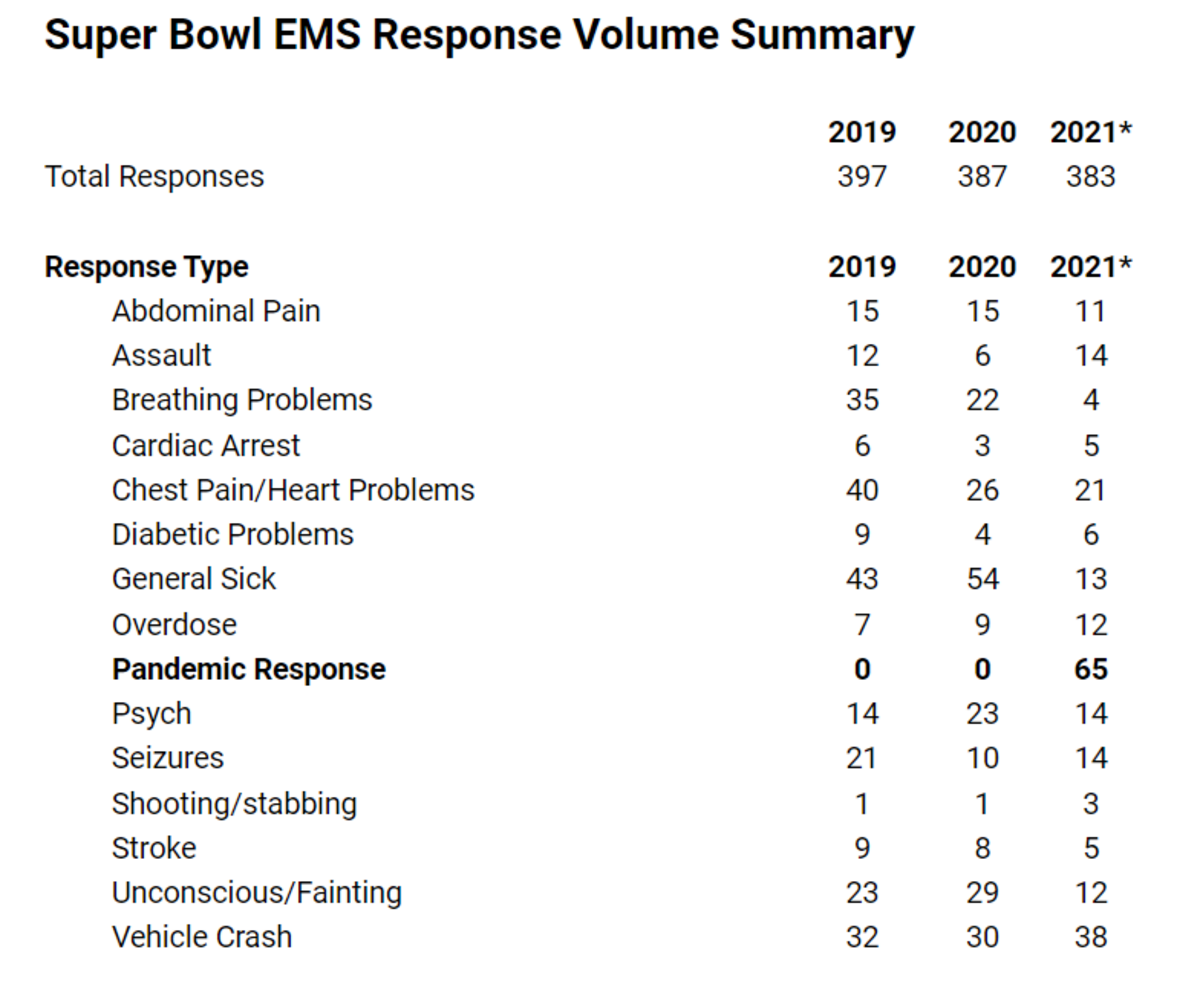
MedStar, within the last three years, has responded to nearly 400 calls on Super Bowl Sunday on reports of abdominal pain, breathing problems, cardiac arrest, heart problems, stroke, overdoses and general sickness.
“It seems, in particular, in cities hosting the Super Bowl and in the cities whose teams are playing in the Super Bowl it seems to be higher,” Dr. John Ryan, a cardiovascular medicine specialist said in an interview with the University of Utah. “When there’s an investment in the game, it does seem to be higher as opposed to other cities that either aren’t hosting or don’t actually actively have a team in the Super Bowl.”
The Kansas City Star affirmed this statement last year with local leading cardiologist Paramdeep Baweja as the Chiefs made a Super Bowl appearance against the 49ers, their first appearance since 1970.
Baweja said the emotional game can make fans feel like they’re physically participating.
“As we are watching games like this, one of the things we experience is a sense of putting ourselves in the player’s shoes,” Baweja told the Star. “There’s a specific part of the brain that functions in this respect … where as we are watching the game, we feel like we are part of it. That’s when we talk about a game like this, we talk about ‘our’ team. We never say ‘the Chiefs’. We say ‘we,’ ‘us,’ we are going to win. And that relationship … is what really drives our excitement toward the game, all our emotions that happen through the game and a feeling of elation or sadness depending on the result.”
Ryan also noted that most people who suffer from heart attacks around this time of year have already been at risk with their health. As Super Bowl parties or gatherings often have unhealthy food and alcohol, health problems likely persist and increase during the events.
“They are typically folks who have high blood pressure, maybe a history of heart disease, a history of smoking, a history of high cholesterol, and then the stress and circumstances surrounding the Super Bowl event can be a trigger towards that cardiac event,” Ryan said. “You’re introducing more stress onto your cardiovascular system and into your life and what are the consequences of that stress.”
Is domestic violence the worst on Super Bowl Sunday? No.
With an increase of alcohol intake mixed with high emotions, it’s a common belief that Super Bowl Sunday is one of the worst days in regards to domestic violence, but the Washington Post reported no data supported “the contention that domestic violence even increases after pro football games, much less that it’s the most violent day of the year.”
A representative from Safe Haven of Tarrant County, a local nonprofit that helps survivors of domestic abuse, could not be immediately reached Saturday for local statistics.
But other experts, including Lillian Howard, the director of clinical and supportive services at LSS Choice in Ohio, told a Chicago news station that they also don’t see an increase in violence around the days of the Super Bowl.
“Domestic violence is something that happens on a daily basis, and abusers don’t necessarily have to be drinking to take something out on their victim,” Howard told WGNTV.
In 2020, the Miami Herald also looked into the claim and confirmed there isn’t a spike in domestic violence cases during Super Bowl weekend, but it still occurs.
Is there an increase in DUIs? Yes.
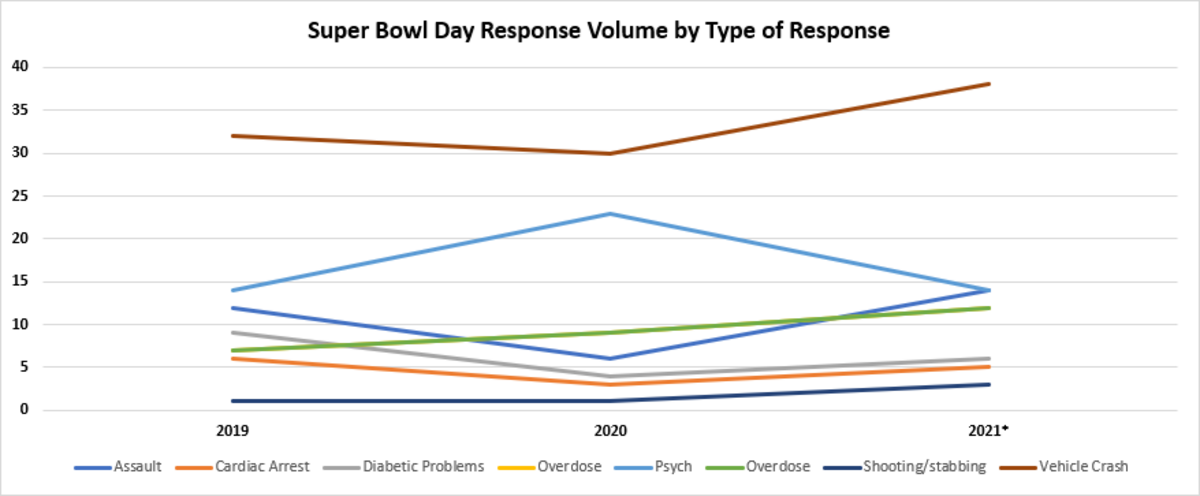
Call volume records from MedStar from 2019 through 2021 show that from assault, cardiac arrest, overdose, violent crime, diabetic problems and psych calls, ambulances were mostly dispatched to the scene of vehicle accidents.
In 2021, MedStar responded to nearly 40 crashes on the day of the Super Bowl.
According to Sutliff & Stout, a law firm based out of Houston, from 2014 to 2018, Super Bowl weekend produced an increase of car crashes (17.5%), injuries (18.4%) and fatalities (13.1%).
Over 960 Texans were killed, and over 2,000 were injured, in 2020 due to driving under the influence, TxDOT reported.
“Fall football is a time-honored tradition in our state, but one regrettable decision to drink and drive could turn game day into a jail time or a deadly crash,” TxDOT Executive Director Marc Williams said in a news release last October. ”Whether fans are tailgating with friends or celebrating their team’s big win, we want everyone to enjoy the season responsibly.”
If residents plan to drink, AAA Texas spokesperson Joshua Zuber recommended setting a plan ahead of time to avoid drunk driving.
“Make sure that your party goers, your guests, have a plan. That’s making sure that they have a designated driver, or that you, as the host, have a rideshare app or a cab company phone number on hand,” Zuber told ABC 13.
Hotlines and who to call if you need help
- Domestic Violence Hotline: Available 24 hours a day, 7 days a week, call 800-799-7233
- Gambling addiction: Available 24 hours a day, 7 days a week, text or call is available at the National Council on Problem Gambling Helpline Network at 1-800-522-4700.
- Ridesharing: TxDOT recommends, for residents to “designate a sober driver, call a taxi, use a rideshare service, stay put, call a friend or family member or use mass transit to ensure you don’t drive impaired.” Rideshare services may include Uber or Lyft which can be downloaded on the App Store.
- Medical emergencies: For any immediate emergency, call 9-1-1. For non-emergency calls, contact your local police department.
This story was originally published February 12, 2022 at 9:17 AM.