Is your house at risk for a chimney fire? Follow these tips to stay safe this winter
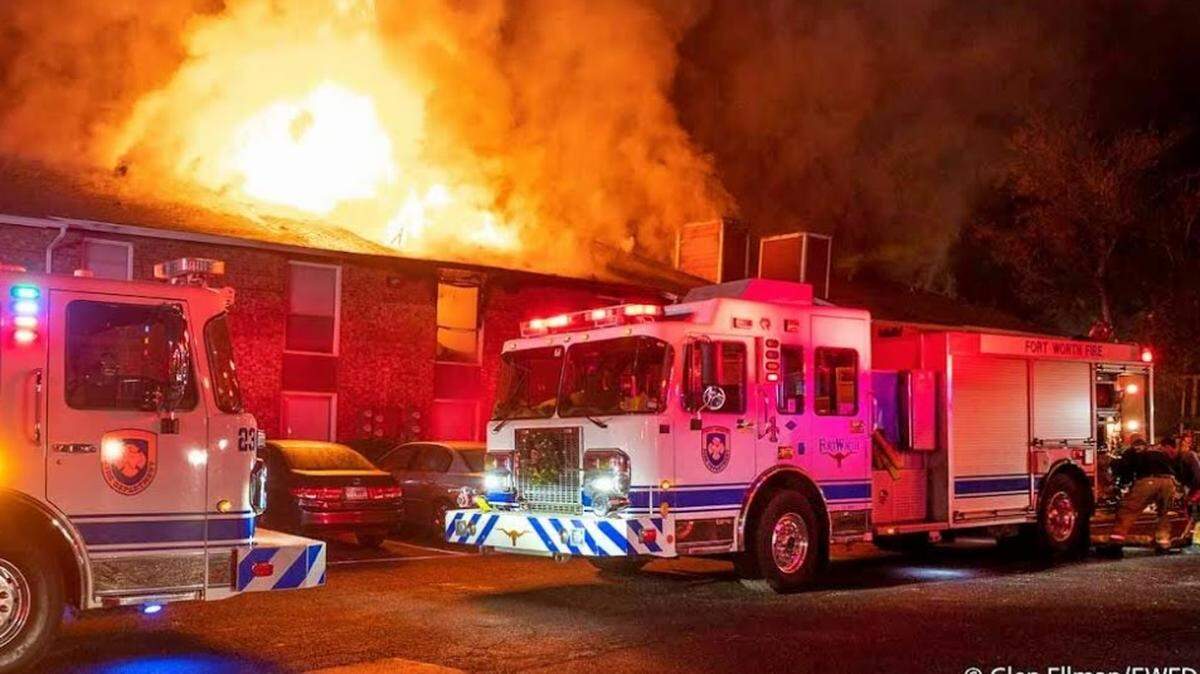
Winter begins Tuesday, which means you and your family will likely shelter from the cold weather by cozying up in front of your fireplace, snuggled under warm blankets and sipping cups of hot cocoa.
But before lighting your fireplace, experts recommend that you take some precautions to prevent a chimney fire. Half of home heating equipment fires are reported during December, January and February, according to the National Fire Protection Association.
Heating from sources like chimneys is the second leading cause of home fires behind cooking, according to the NFPA.
On Sunday, the Fort Worth fire department responded to flames and smoke coming from a chimney flue at the Tides on Post Oak Apartments. Eight families at the Fort Worth apartment complex were evacuated from their homes due to the fire.
While the cause is still under investigation, resident Ikea Williams believes the fire started in her chimney after she tried to light her fireplace Saturday night, according to KXAS Channel 5.
Chimney fires like this one are dangerous. They can damage structures, destroy homes and injure or kill people, according to the Chimney Safety Institute of America.
During the winter, when fireplace usage is up, chimney flues often cause residential fires. The flue is a duct that runs from the fireplace to the top of the chimney, transporting smoke and gas to the outdoors. And the main culprit is the flue’s buildup of creosote, a flammable tarlike residue that sticks to the walls of the chimney.
Here’s how to safely light your fireplace this winter without causing a chimney fire, according to Mike Drivdahl, a Fort Worth Fire Department spokesperson.
Keep your fireplace and chimney clean
Lack of maintenance is mainly what causes chimney fires. The leading contributor to heating fires, or 25% of them, was failure to clean equipment, primarily chimneys, the NFPA reported.
The most important way to prevent chimney fires is by cleaning your chimney and fireplace regularly, Drivdahl says. That’s because, as the fireplace is burning, creosote buildup is created in the chimney and sparks a fire.
Drivdahl recommends hiring a professional chimney sweep to come to your home and clean the chimney at least once a year so that buildup doesn’t accrue over time. They remove flammable substances including soot and creosote from the interior walls of a chimney. The typical chimney cleaning cost is between $129 and $377. The chimney sweep would also be able to conduct a chimney inspection, which would ensure that there’s not a deeper issue in the house structure.
It’s also essential to keep the fireplace itself clean and free of coals, Drivdahl said. Clean it as often as possible after use to prevent buildup of harmful substances. You can place the coals into a non-flammable container, like a metal bucket. Also, make sure to wait until after the fireplace completely cools down to throw anything out, which will prevent dumpster fires.
Clear the area surrounding the fireplace
Another component to preventing fireplace fires is by clearing the area around your fireplace, especially of flammable items like blankets, furniture and toys. Keep them at least three feet away from your fireplace so that they don’t catch fire from the heat, Drivdahl suggests.
Get the right equipment
Make sure that there’s a mesh cap on top of your chimney that keeps sparks or embers from going up the chimney and spreading outside. Without a cap, the embers could be carried through the wind and spark a fire in grass or leaves.
While you might close the chimney damper during the summertime to keep the air conditioning in, be sure to open it before you light your first fire in the cold weather. Keeping the chimney damper open will let the smoke out through the chimney, Drivdahl says, instead of inside your home.
How to spot and respond to a chimney fire
How can you tell that a chimney fire is happening? These are some indicators, according to the Chimney Safety Institute of America:
- Loud cracking, popping noises or a low rumbling sound like a freight train or a low flying airplane.
- A lot of dense smoke or flames coming from the top of your chimney.
- An intense hot smell.
If you can tell a chimney fire is happening, there are several steps you can take to stop it from spreading:
- Don’t waste time. Quickly call 911 to dispatch the fire department as soon as possible.
- If you can safely use a fire extinguisher, try to put the fire out with it.
This story was originally published December 21, 2021 at 5:30 AM.