
Mother Nature brings an unwelcome visitor to North Texas during the pandemic
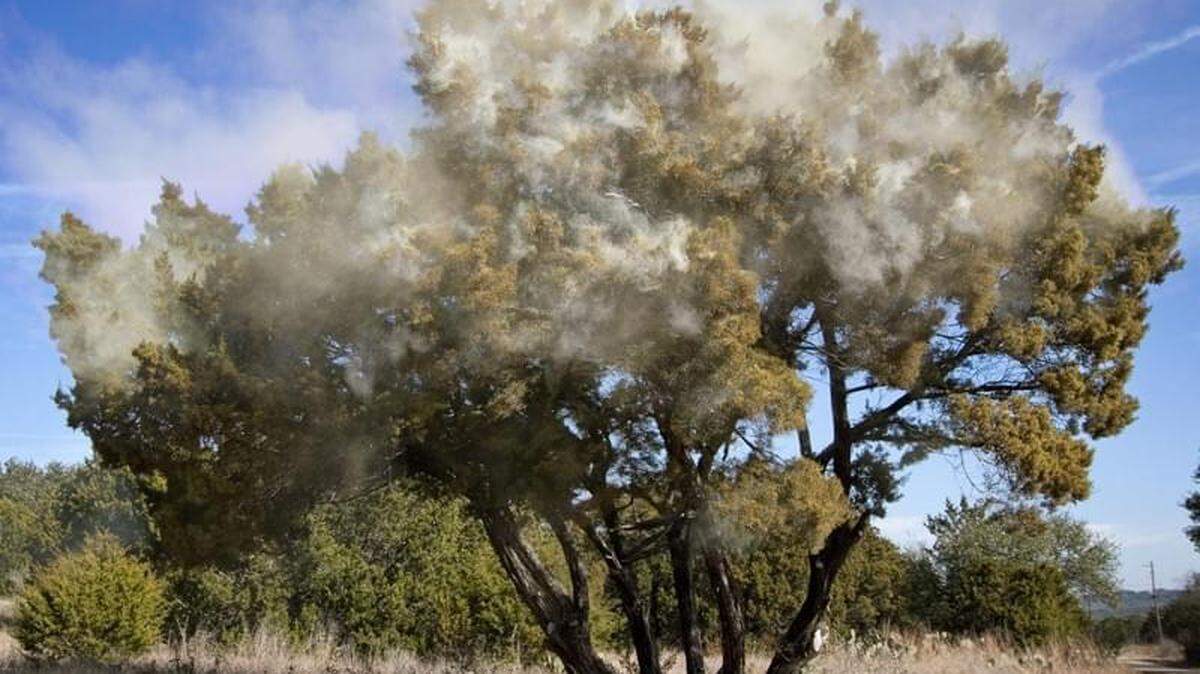
It’s cold out, but allergy sufferers can’t catch a break.
From now through mid-February, it’s prime time for the annual phenomenon known as cedar fever, when mountain cedar trees unleash their clouds of pollen.
Robert Edmonson, a biologist with the Texas A&M Forest Service, said mountain cedars, also called Ashe junipers, are found from south central Oklahoma to south central Mexico, and the trees wait until a cold front hits to release pollen which can travel miles from the source.
“It looks spectacular, but it’s like breathing in a dust storm,” Edmonson said.
The trees sometimes look like they are on fire as they release pollen, he said.
Making matters worse this year, mountain cedar pollen is arriving in the middle of cold and flu season and the COVID-19 pandemic. Trees can release so much pollen, that it can overwhelm the immune system, he said.
Some cedar fever symptoms, such as fatigue and a sore throat are similar to COVID symptoms, he said.
But Edmonson said check your mucus, and if it is clear, it is most likely an allergy, but if there is color to it, then it could be a cold or the flu.
Some cedar fever sufferers can also run a fever, but the body temperature should not surpass 101.5 degrees. If it does, the cause is likely something besides cedar pollen, he said.
Dr. John Fling, an allergist with the University of North Texas Health Science Center, said there is confusion because some allergy symptoms can be similar to other illnesses, but he also cautioned to make sure that mucus is clear, and also said allergies are not accompanied with a fever.
Other symptoms associated with allergies include itchy eyes and an itchy nose, he said.
Meanwhile, Edmonson said that unlike other trees such as peach and magnolias that rely on insects to pollinate, the mountain cedars must rely on the wind.
The junipers have health benefits, including berries that could be used to make medicines and oils that can treat a variety of ailments, from an upset stomach to a snake bite, according to a forest service news release.