
‘A billon-dollar story.’ Inside Top O’ Hill Terrace, Arlington’s palace of vice
AT&T Stadium towers over Arlington, both physically and metaphorically, attracting millions of sports fans and tourists each year. Few would guess that another attraction, a bunker on the campus of a Bible college four miles to the west, gives the stadium a run for its money in terms of high marks from visitors.
Or, as one man told Vickie Bryant, the curator of Top O’ Hill Terrace: the Cowboys have a billion-dollar building, but you have a billion-dollar story.
That story, the story of a speakeasy and gambling establishment turned Baptist university, has been widely told, but for years Bryant has been the primary person keeping the lore alive. Now, UT Arlington has stepped in to lend a hand, working with Bryant to archive the site’s history through photos, oral recollections and, soon, a documentary film.
Top O’ Hill Terrace’s ‘billion-dollar story’
Top O’ Hill Terrace lies on the Arlington Baptist University campus on West Division Street. It traces its origins to the early 1920s when Beulah Marshall opened it as a tea room in a stone-and-shingle cottage on the bustling Bankhead Highway, which ran from Washington to San Diego.
In 1926, Fred Browning and his wife, Mary, bought the property, and soon thereafter it evolved from a quaint dining establishment to a full-fledged palace of vice, with card tables, craps tables and roulette wheels in the basement, a brothel out back and gallons of illicit booze on offer.
This being the prohibition era, the law frowned upon the alcohol consumption, to say nothing of the other recreational activities available at Top O’ Hill. The constant threat of police raids forced Browning to get creative.
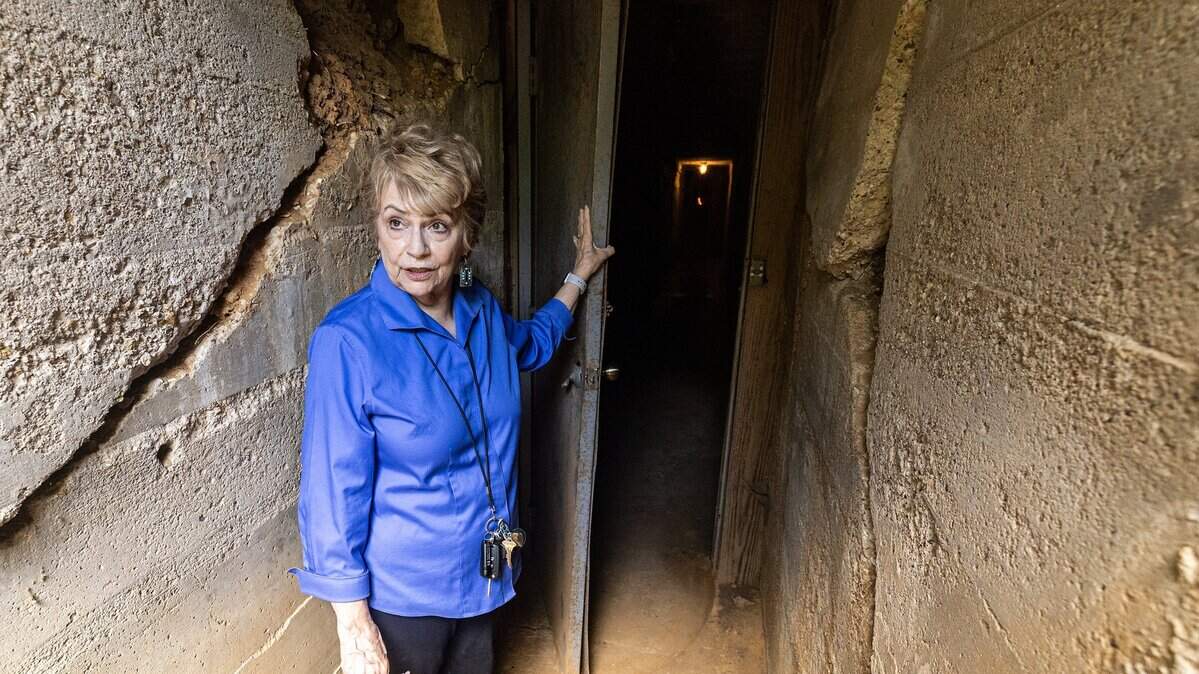
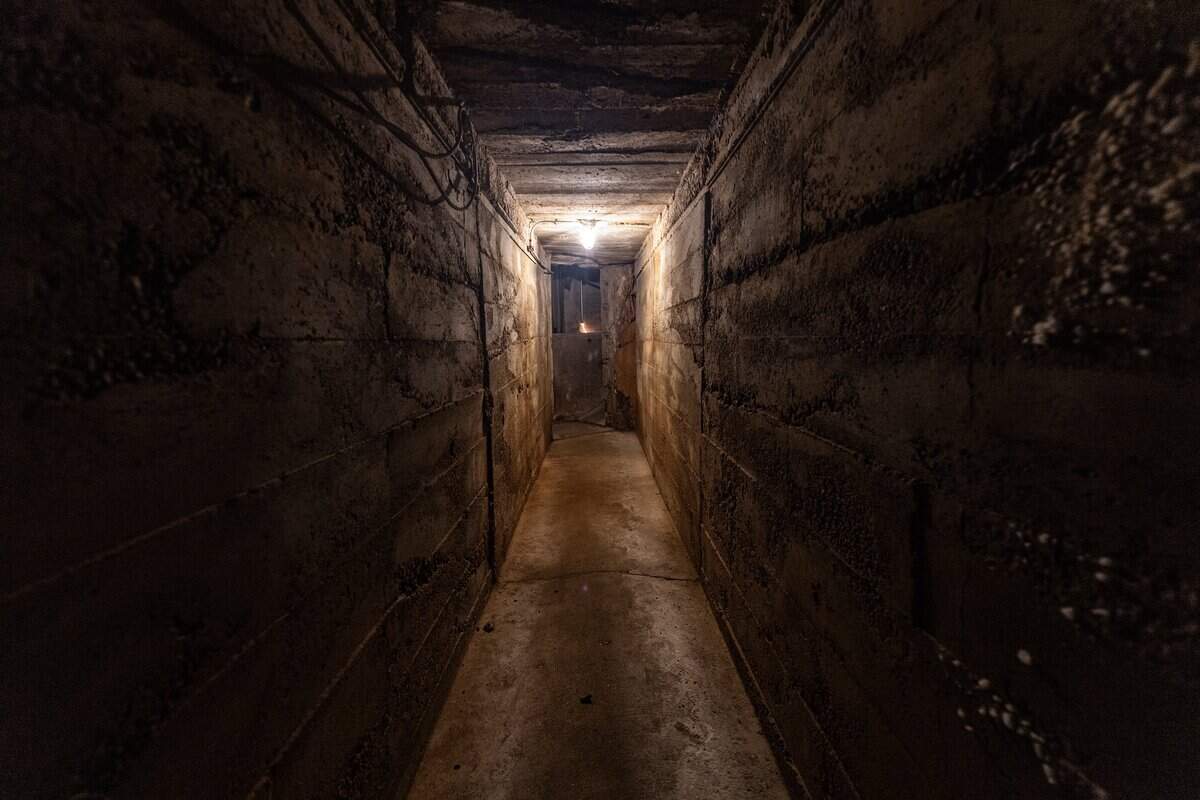
He rigged gaming tables so that they could be flipped over to look like innocent dining tables, and, most impressively, had escape tunnels dug that led to the garden behind the house and the wooded areas bordering the property.
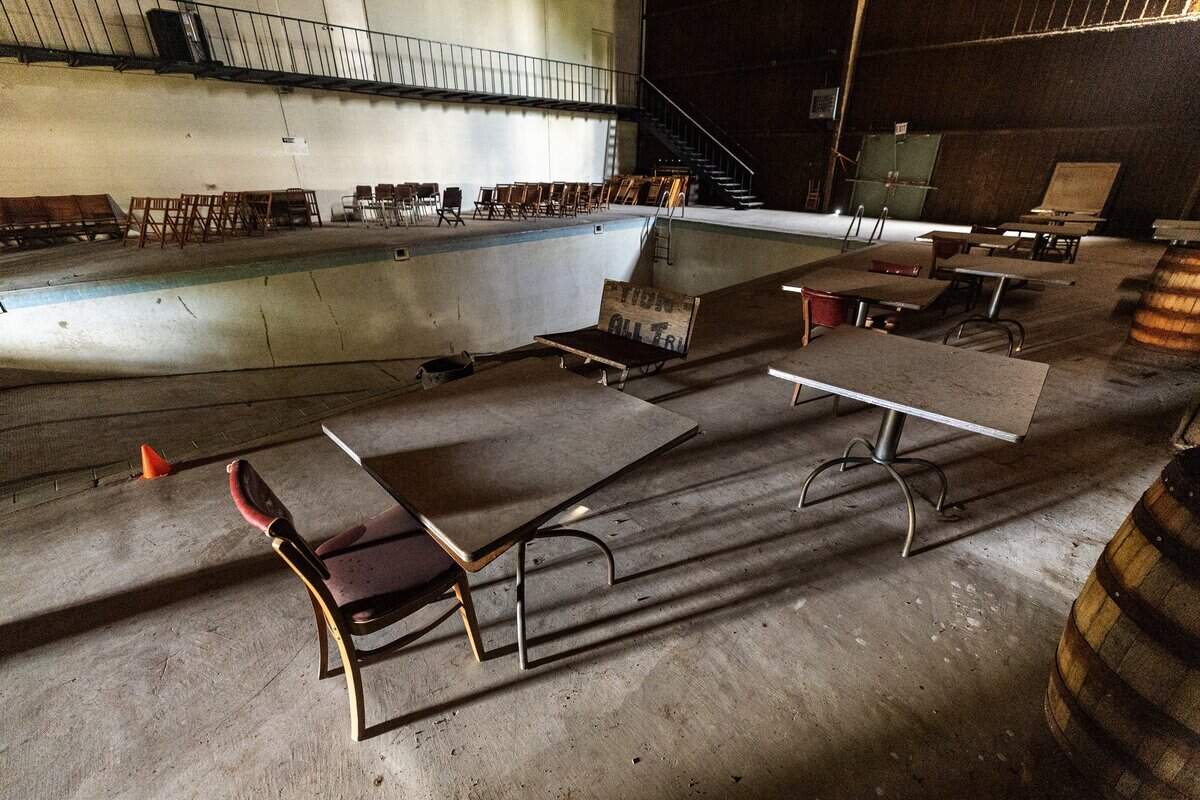
Today, the house is gone, razed sometime after the Baptist Bible Seminary, Arlington Baptist’s predecessor, bought the property in 1956. The original stone gatehouse still stands at the bottom of the hill for which Top O’ Hill was named. The garden behind where the house stood is still there, as are a few other remnants, like the indoor swimming pool that Browning had built, in part for the boxers whose training he funded.
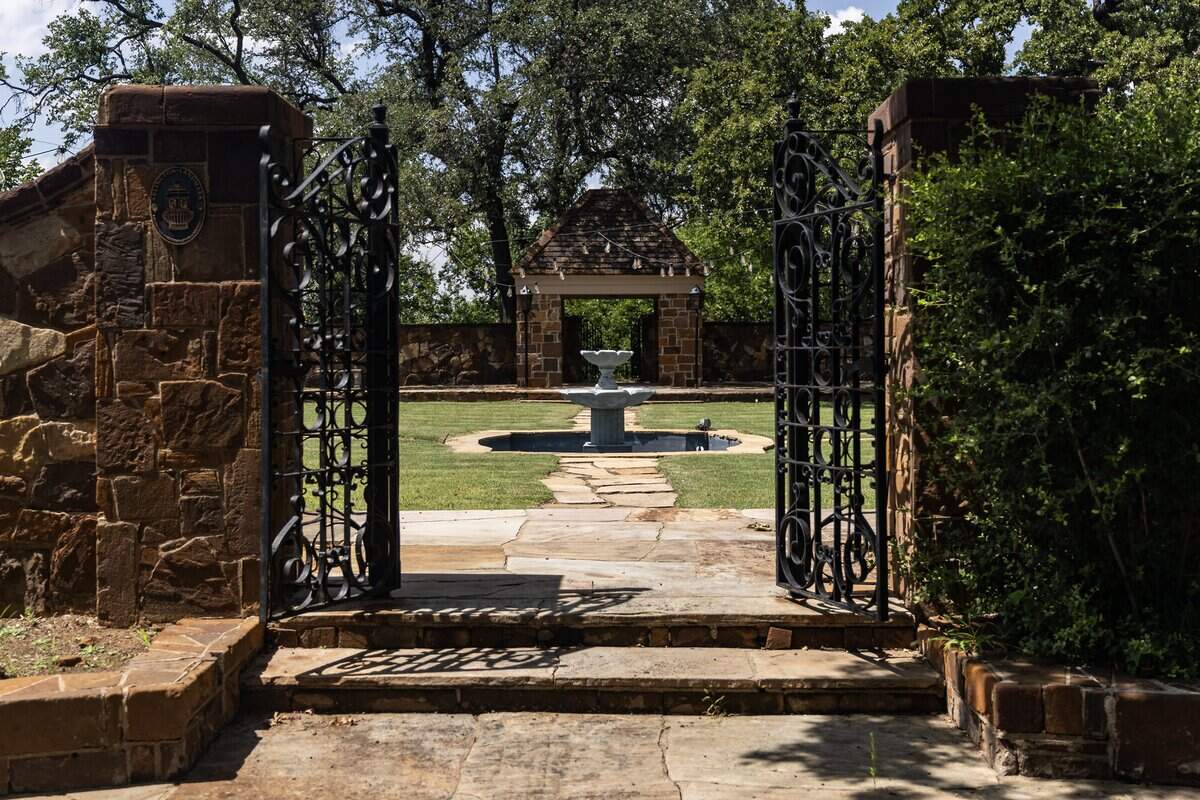
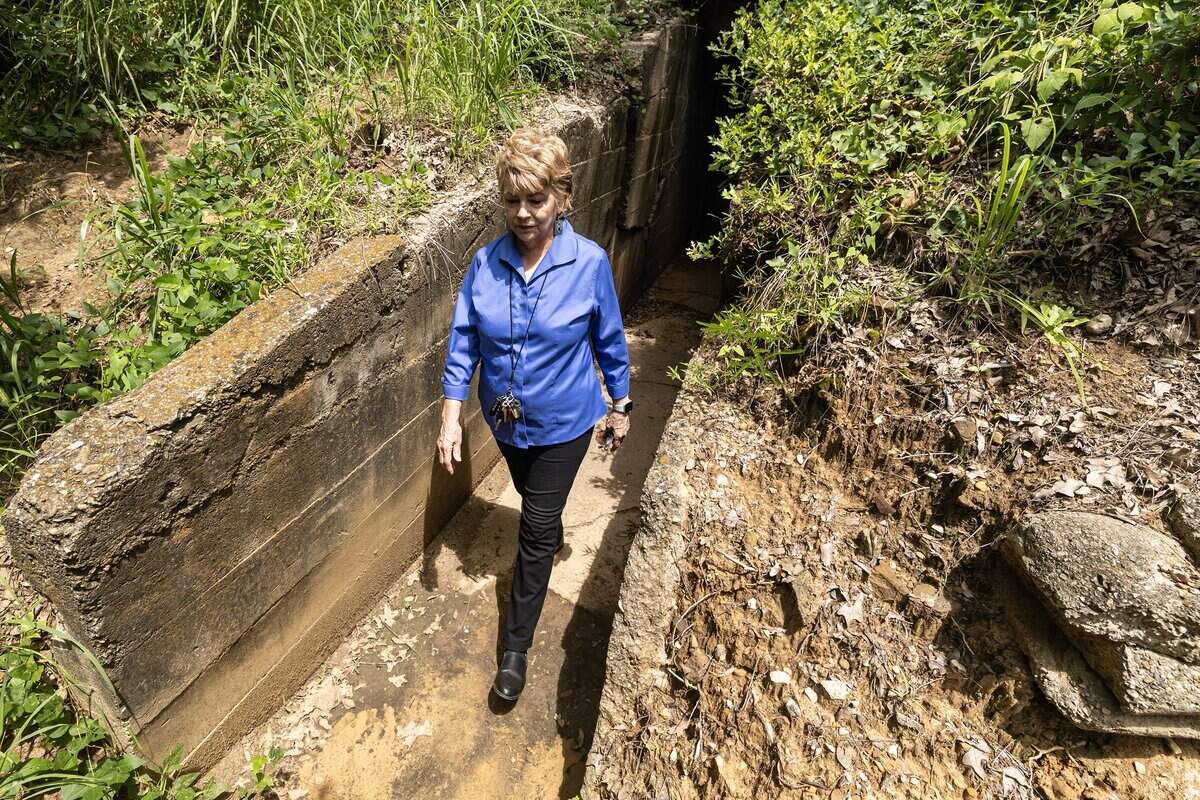
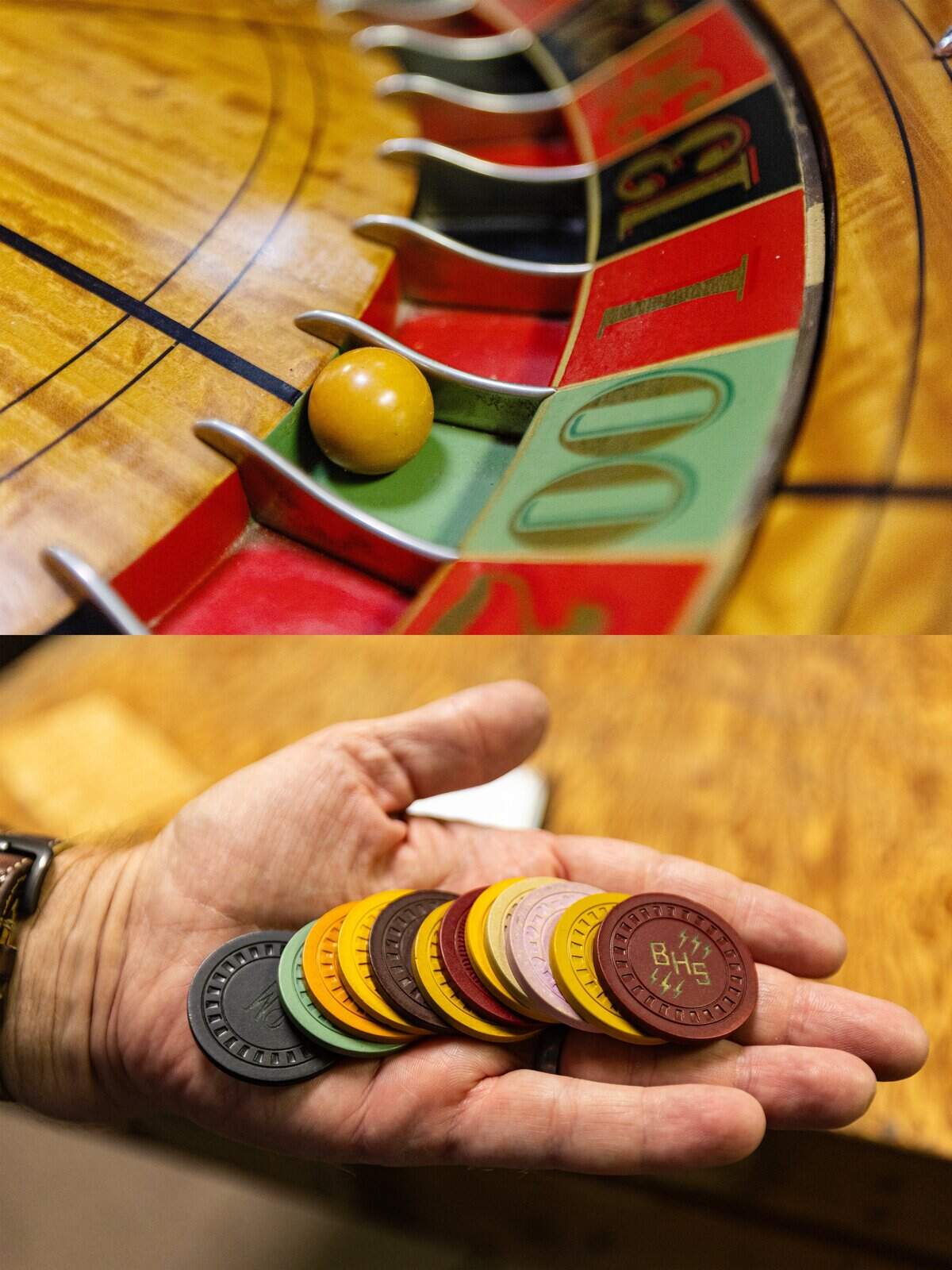
Visitors can tour the basement-casino, under ABU’s administration building, and you can explore one of the old tunnels, which was unearthed in recent years. There are more tunnels, Bryant and others say, that are still concealed. Additionally, there’s a small museum in the administration building, which Bryant operates, displaying a surviving roulette wheel, poker chips, bootleg liquor bottles and other items from Top O’ Hill’s wild heyday.
Preserving the checkered past at Top O’ Hill Terrace
Bryant’s husband, David, a graduate of Arlington Baptist University (when it was called Bible Baptist Seminary), served as the school’s president from 1993 until his retirement in 2009.
During that tenure, Vickie Bryant began meeting people who had personal or familial connections to Top O’ Hill Terrace. Despite the fact that she neither gambles nor drinks, the story appealed to her, primarily because it’s a story of redemption: a den of iniquity that was born again as a Christian institution.
Over the years, Bryant has collated the museum pieces on display in the ABU administration building and helped oversee tunnel excavation, and she personally leads visitor tours, the price of admission helping support Bryant’s preservation efforts.
Joe Carpenter, a UTA historian involved in producing the upcoming documentary on Top O’ Hill, agrees that its story is one of redemption, only he sees Bryant herself as the symbol of that redemption. In Carpenter’s estimation, it’s Bryant who should be celebrated for keeping Top O’ Hill’s flame burning when it could easily have been snuffed out, an amazing tale relegated to history’s dustbin.
“Beulah Marshall and Vickie Bryant are the bookends to the story,” Carpenter said.
The UTA-backed documentary will likely be out next year, said Carpenter. As opposed to programs and segments dedicated to Top O’ Hill that have aired on the History Channel and other outlets, Carpenter wants the university’s film to focus more on the factual and less on the sensational.
Myths and legends surround the property, Carpenter said, and while it’s fun to speculate about them — were Frank Sinatra, John Wayne and Clark Gable really among Top O’ Hill clientele? — Carpenter is more interested in what can be confirmed. In some cases, he and Bryant have done this by interviewing eyewitnesses. Those are growing more scarce as the years go by, though, lending a sense of urgency to the project.
At the end of a presentation Bryant shows to Top O’ Hill visitors, there’s a black-and-white photo of a dapper-looking gentleman and his family. That man, Bryant said, is her grandfather, who earned his keep as a bootlegger during prohibition.
The photo underscores Bryant’s Top O’ Hill redemption narrative. Legacies are what they are, but children don’t have to repeat the mistakes of the father, or grandfather, as the case may be. The granddaughter of a bootlegger grows up to be an upstanding citizen and a minister’s wife. An unlicensed casino grows up to be a Baptist college, one that doesn’t shy away from its sordid past, as Christ himself never shied away from a sinner.
If it wasn’t true, you’d never believe it. Like the man said, it really is a billion-dollar story.
This story was originally published August 26, 2025 at 2:11 PM.