National rankings say UT System is a haven of innovation. Some of it is in our backyard
The University of Texas System ranks third in the country for utility patents granted last year, according to a list released recently by the National Academy of Inventors.
On the whole, researchers in the UT system were granted 235 patents for their inventions, 20 of which came from UT Arlington.
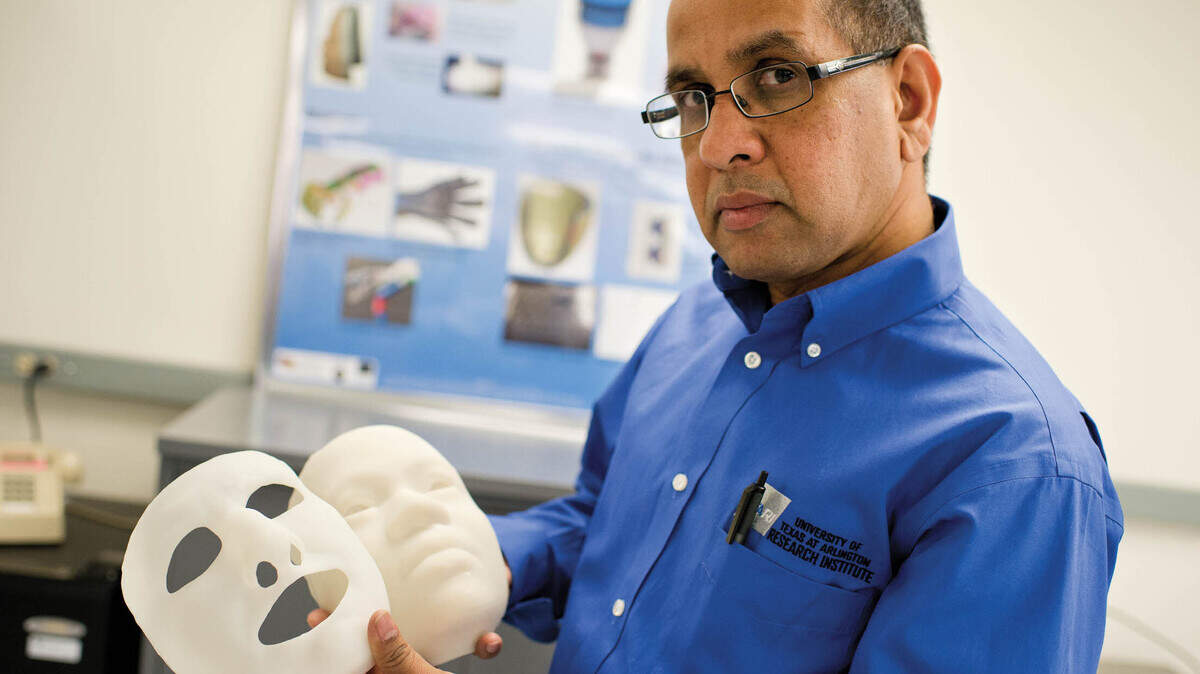
Muthu Wijesundara is one of the scientists leading that charge at UTA’s Research Institute.
He has a résumé that would make LinkedIn blush: he earned a Ph.D. in analytical chemistry from the University of Illinois at Chicago, he’s been the co-inventor on eight patented ideas and he’s co-authored 75 scientific papers.
Now, he serves the Research Institute as the research scientist at the helm of its Biomedical Technologies Division.
Scientists with the division design medical devices with the hope of improving patient care in a range of areas, including diagnostics and rehabilitation.
“Muthu has made an incredible impact on the institute over the years, establishing and developing the Biomedical Technologies Division, which is responsible for over a half dozen U.S. patents,” said Eileen Clements, Research Institute’s interim executive director.
Wijesundara has mentored students and faculty alike who credited his teaching in their later successes, Clements said.
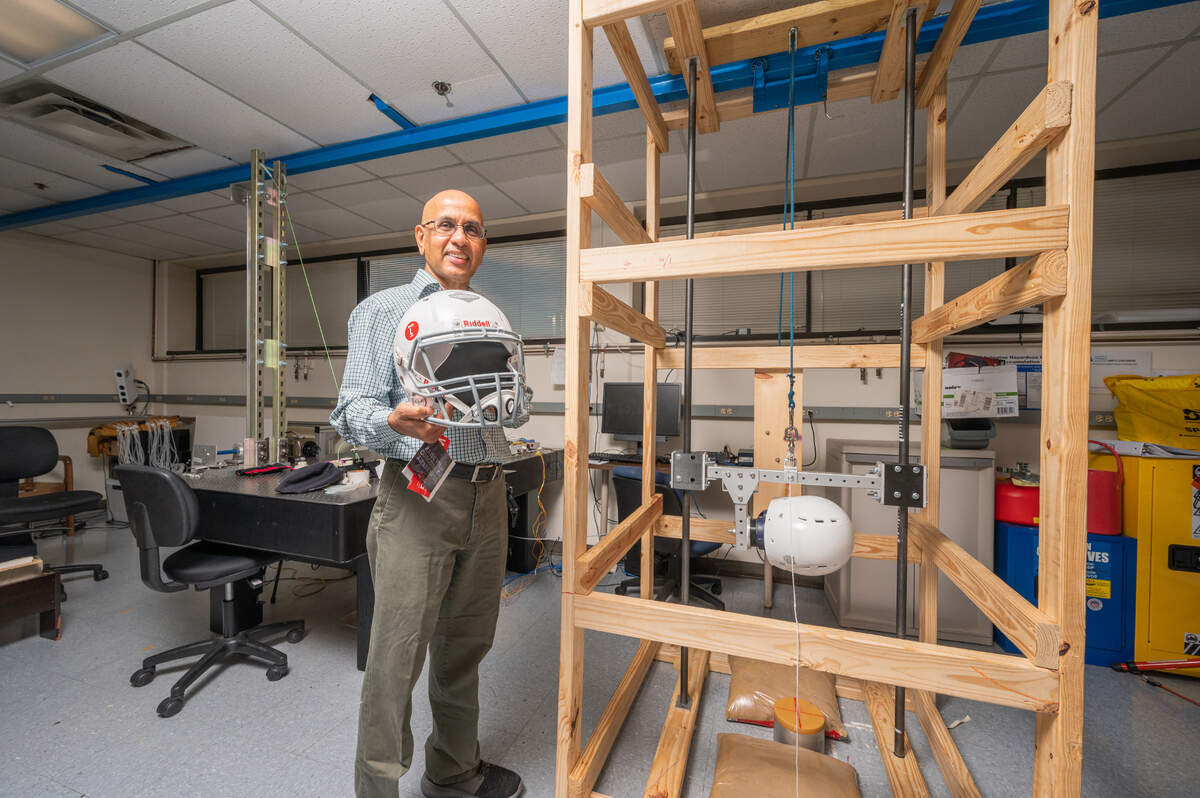
Wijesundara said his work is related to a few areas: preventative care, rehabilitation and wound healing.
He is working on a patented project that UTA shares with researchers at the University of Washington: a negative-pressure glove dressing that helps hand wounds heal.
The device is meant to preserve the hand’s functionality and prevent a buildup of scar tissue, which can make it difficult to use the affected hand.
“Our goal is to create muscles or tissues that last, but that are functionally ready … for the hand and foot,” he said.
Wijesundara said he believes UTA’s patent work is uniquely situated because it promotes teamwork and research in many areas.
The glove invention is in the early stages of a clinical trial funded by the Department of Defense.
“When we try to solve problems, the innovations come to us naturally,” Wijesundara said.