Distance between gas drilling and Arlington day cares may increase under new policy
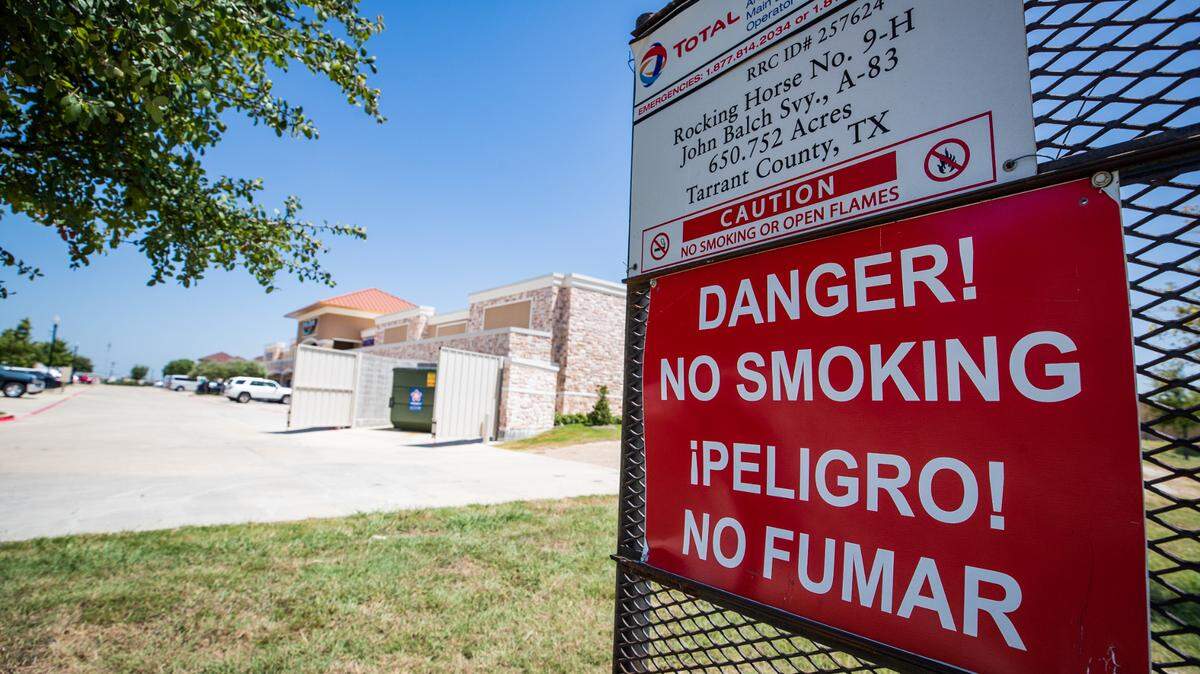
Companies looking to drill for natural gas in Arlington may have to contend with new rules when it comes to drilling near day care centers.
City Council unanimously approved an amendment to Arlington’s gas drilling ordinance affecting the minimum distance required between new gas wells and protected areas, known in the oil and gas industry as setback requirements. Hospitals, homes and schools fall under the city’s “protected uses,” but the latest amendment only applies to day care centers, defined as facilities that provide care to more than six children under 14.
Currently, drillers are required to place new wells at least 600 feet away from the primary structure of a day care establishment unless they get a waiver from the Council. Waivers, which require super majority approval, allow companies to drill no fewer than 300 feet away from the day care building.
Under the amended ordinance, operators in Arlington will be required to measure 600 feet between the day care building or the area designated for a playground. Whichever is closest to the drilling zone will be used as the boundary line, according to the amendment proposal.
Marvin Sutton, District 3 council member who brought the issue to the city’s municipal policy committee, said he hopes Arlington is able to further test the limits of HB 40, a state law that limits localities’ ability to impose tougher restraints on companies than state restrictions.
Sutton added that the final proposal, passed with changes in light of concerns from industry members, did not go far enough to protect day cares.
“I still think that there’s some things we need to do from a city standpoint to improve that safety,” he said in a phone call Wednesday morning.
The previous policy meant that playgrounds and other outdoor spaces were not counted under the 300 feet requirement, said Ranjana Bhandari, the executive director of the environmental advocacy group Liveable Arlington. In turn, gas wells were placed too close to children playing and walking outside, Bhandari said.
“Three hundred feet from drilling is highly, highly inadequate protection, and that is based on sound public health research,” Bhandari said. “I think that any attempt to expand that distance and the way it is measured in Arlington is an improvement, but it is not sufficient at all.”
Gas drilling near day cares was at the heart of debate during multiple disputes over new gas well permits in 2020. Amid vocal protests from residents, City Council members voted in June to deny a permit allowing energy giant Total to construct new gas wells near a residential area and just over 600 feet away from Mother’s Heart Learning Center.
In August, Total received “administrative approval” for seven new gas wells at its existing Rocking Horse drilling site, near the municipal airport and day care center Childcare Network. The permits were not subject to a council hearing process because Total already received a permit in 2013 to drill in the area, said Richard Gertson, Arlington’s assistant director of planning and development services.
That decision did not sit well with Bhandari and Liveable Arlington, who said they had never heard of an administrative approval process, particularly for wells that came within 300 feet of a day care. In January, Bhandari sent three policy recommendations to Council members, including the suggestion to measure the distance between the property line and the gas drilling zone.
The Council’s municipal committee adopted a similar proposal after Sutton walked around the drill site, researched and brought the issue before the group, but the proposal’s language was modified after Arlington staff consulted with operators from the Texas Oil & Gas Association, an industry group, in February.
Industry members were concerned that two existing well sites, known as Galletta and Agape, would not have the ability to apply for permits if setbacks were measured between the day care property boundary and their drill zones. That’s when playgrounds were added to the ordinance, according to a Feb. 23 city staff report.
“It seems that industry pushed to change the original language of the proposed amendment so Total could someday apply to drill more wells at Agape and Galletta where there are preschool boundaries inside 300 feet,” Bhandari said.
In response to other comments from operators, Arlington staff added a new section to the ordinance that will require a “reverse setback to protect gas production sites from encroachment” by protected uses, according to the Feb. 23 report. This means that day care buildings, including their playgrounds, will not be allowed to expand their properties to within 300 feet of a gas drilling zone.
During their meeting with Arlington staff, industry members also expressed concern that the Council may expand the new setback requirements to “other protected uses,” such as hospitals or homes.
Bhandari, who spoke to several City Council members about the new policy, does not expect Liveable Arlington and other concerned residents to stop pressuring officials to address natural gas issues, such as the impact of pollutants and emissions on public health.
“They totally have the option of ending the setback conversation by establishing safe setbacks,” Bhandari said. “They haven’t, so we’re going to have to keep talking about it.”
Council must vote again on the amendment changes before they are finalized.
“This move that we make today, while it’s difficult for some, I think it’s a necessary for us to ensure that we protect the most vulnerable of our population,” District 7 Councilmember Victoria Farrar-Myers said during the meeting.
This story was originally published March 30, 2021 at 9:42 PM.