Extreme weather in Texas to occur more, worsen with climate change, experts say
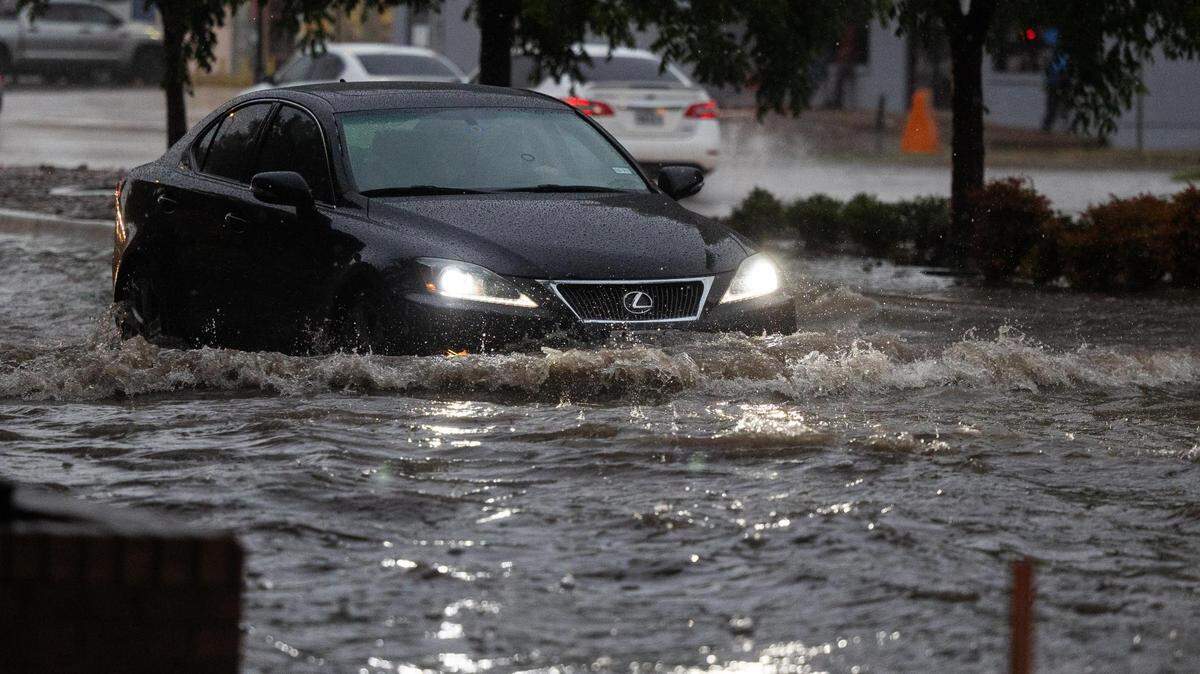
When it rains, it pours or at least that was the case for North Texas after substantial rainfall hit the Fort Worth-Dallas areas earlier this week.
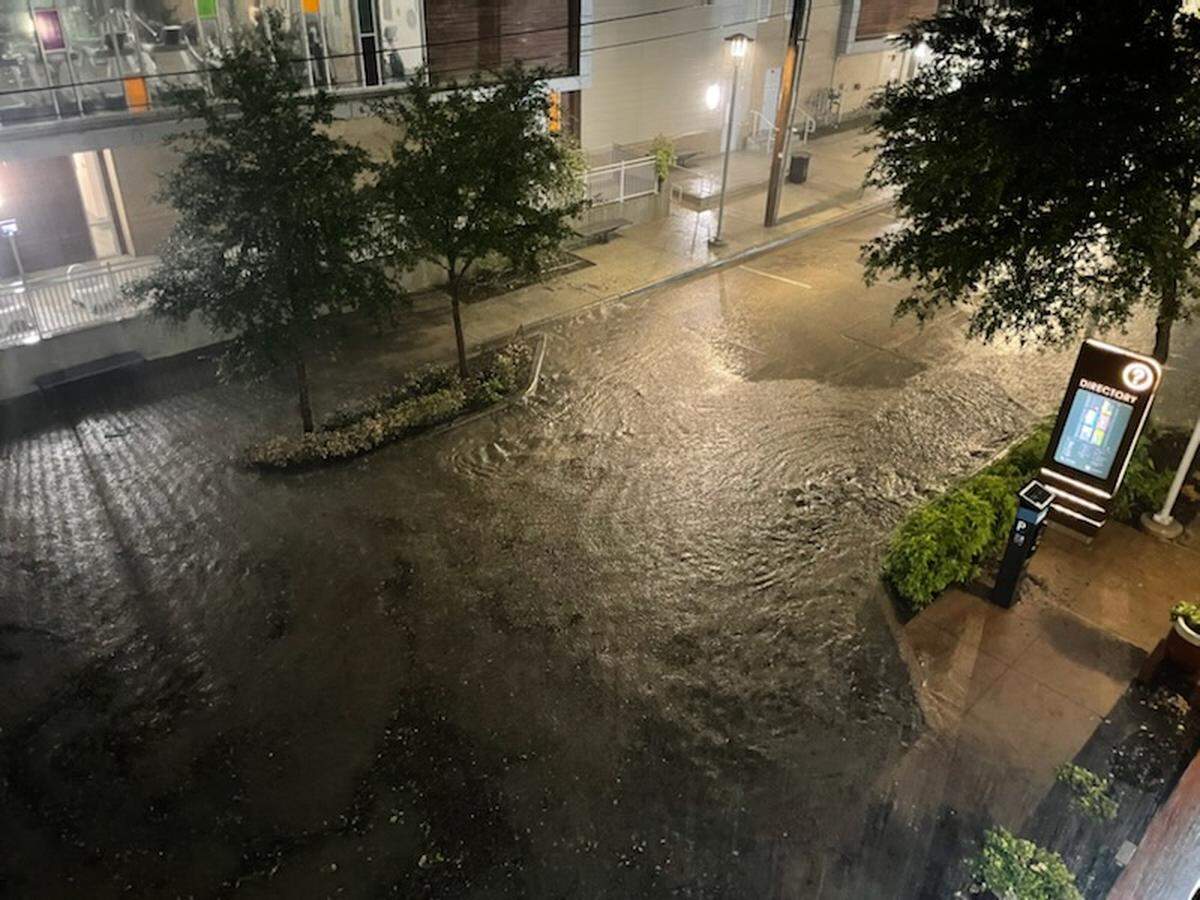
The National Weather Service in Fort Worth recorded rainfall totals reaching 12-15 inches in some areas of Fort Worth and Dallas between Sunday and Monday, the first substantial rainfall after months of drought conditions.
This week’s rain, which flooded roadways and trapped drivers in vehicles, followed 67 consecutive days without measurable rainfall in the Metroplex between June 4 to Aug. 9. This was the fourth driest year to date in Tarrant County over the past 128 years, according to the National Integrated Drought Information System.
As global warming increases, environmental scientists warn extreme weather events could become common place.
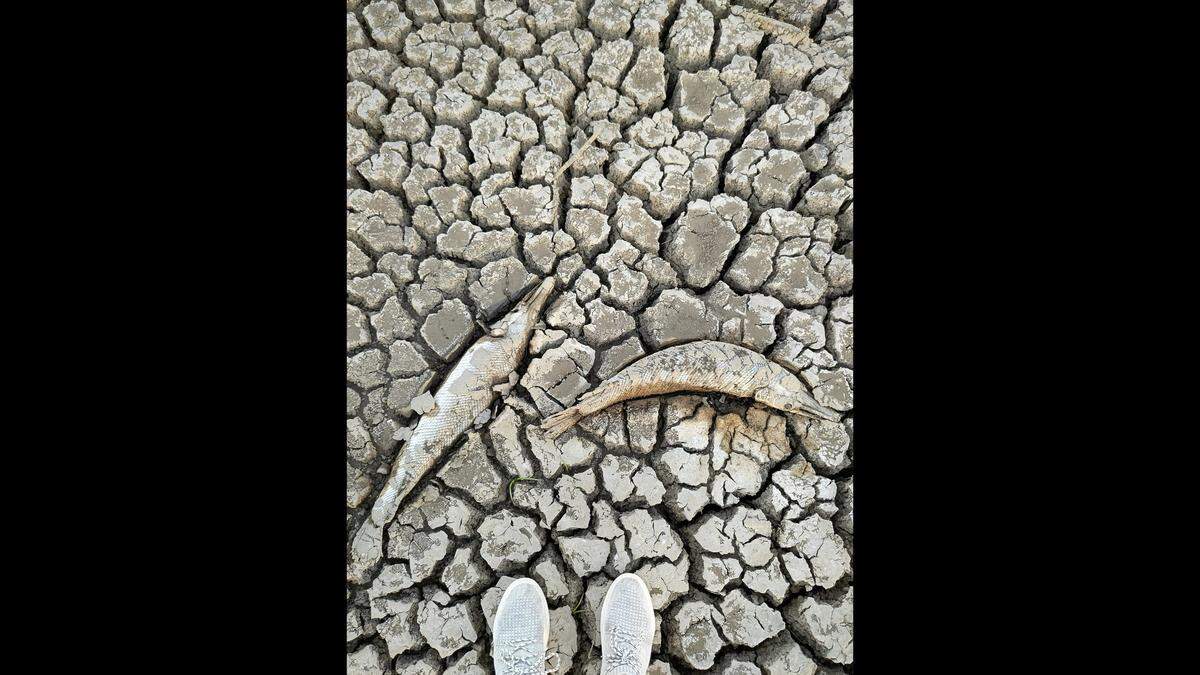
Why are we seeing more extreme weather?
Inconsistent weather events, influenced by variable patterns, are not new for Texas, but weather variabilities could increase in the state as climate change increases, said Arne Winguth, The University of Texas at Arlington earth and environmental professor.
“Overtime one sees these rainfall events and also the droughts become more severe,” he said. “That is linked then to the general climate change.”
NASA climate scientists have recorded the planet’s long-term warming trend, with a map on its website documenting increased surface temperature since the 1880s. This trend is attributed to the emission of greenhouse gases by humans.
How often will we see extreme weather if climate change progresses?
We’re likely to see extreme weather events more often going forward, Winguth said.
Events like extreme rainfall or droughts that may have occurred every 50 years could occur three times more often than they did before, he said.
According to the U.S. Geological Survey, global warming will increase the frequency of these extreme weather events. More water vapor evaporated into the atmosphere can develop powerful storms and heat in the atmosphere along with warmer ocean surface temperatures can increase tropical storm wind speeds.
Is climate change reversible?
According to the National Oceanic and Atmospheric Administration, it is possible to slow the rate and reduce the amount of global warming caused by humans.
Environmental scientists have estimated that if all human-produced greenhouse gas emissions were to stop, it would take a few decades before Earth’s excess heat moved out to space and the planet naturally started to cool.