
New COVID-19 XEC variant circulating just before fall. What to know about it for Texas
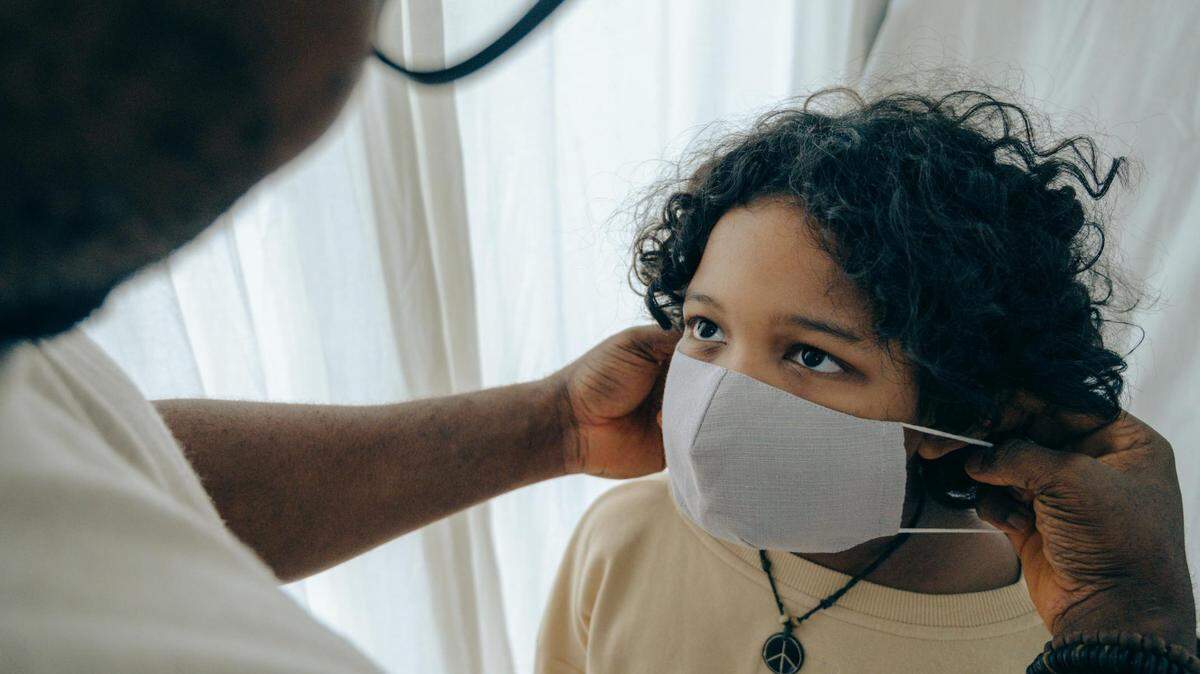
A new COVID variant, XEC, has arrived just before fall.
The new variant has sprouted from the Omicron variant that developed in late 2021. Though XEC is new, Prof Francois Balloux, director of the Genetics Institute at University College London, told the BBC that he would be surprised if it became the dominant variant throughout winter.
Currently, COVID cases in Tarrant County are considered low, according to COVID Act Now case tracker. About 2.4% of hospitalized patients have COVID, while only 1.2 persons (per every 100,000) are testing positive every week. The community risk level at most is low.
Centers for Disease Control researchers indicate that the vaccine and booster shots should protect against the new variant. Here is what we know about the XEC variant and what you can do to stay healthy.
What we know about XEC Covid variant
The Centers for Disease Control and Prevention has yet to list this variant under its variants and genomic surveillance list. However, Andrew Pekosz, a professor in immunology at Johns Hopkins, says symptoms are similar to past strains and don’t appear to be more severe.
According to the BBC, the symptoms mirror cold-like feelings:
a high temperature
aches
tiredness
a cough or sore throat
And as far as we know, you should not be in contact with anyone if your symptoms are noticeable. Tarrant County suggests people “can go back to your normal activities when, for at least 24 hours, both are true: your symptoms are getting better overall and you have not had a fever (and are not using fever-reducing medication).”
How to protect against COVID and its variants
CDC Health professionals advise those six months and older to get vaccinated to help fight off COVID and the strains that come from it.
For those who are healthy and want to prevent any respiratory illness, Tarrant County suggests doing the following:
Avoid close contact with people who are sick.
Stay home from work, school and errands when you are sick.
Cover your mouth with a tissue to contain coughing and sneezing --and a mask if you’re out and about for your own protection.
Wash your hands often with soap and water.
Avoid touching your eyes, nose or mouth.
Clean and disinfect commonly touched surfaces, especially when someone is ill.
If you tested positive for COVID, the CDC suggests the following treatments to fight it off:
Most people with COVID-19 have mild illness and can recover at home. You can treat symptoms with over-the-counter medicines, such as acetaminophen or ibuprofen, to help feel better.
Adults, children ages 12 years and older can visit their primary care doctor: Nirmatrelvir with Ritonavir (Paxlovid) Antiviral, Start as soon as possible; must begin within 5 days of when symptoms start.
Adults and children can visit their PCP: Veklury (remdesivir) Antiviral, Start as soon as possible; must begin within 7 days of when symptoms start.
Adults who visit their PCP: Molnupiravir (Lagevrio) Antiviral, Start as soon as possible; must begin within 5 days of when symptoms start.