
Watch out for counterfeit at-home COVID tests, FDA warns. How to spot a fake one
Keep an eye out for counterfeit at-home COVID-19 tests that are circulating in the U.S., the Food and Drug Administration is warning.
The agency said the fake tests are “being distributed or used” throughout the country and are deceiving because they look similar to FDA-authorized tests. There’s a risk of false results when using them.
“You may risk unknowingly spreading COVID-19 and may delay or stop appropriate medical treatment for COVID-19 if you use a counterfeit test,” the FDA said.
Tips on spotting a fake COVID-19 test
The FDA lists all of its authorized at-home COVID-19 tests online and said it is working to identify counterfeit ones.
Some signs of fake test-kits include poor print quality of the box and written instructions, as well as spelling errors, according to the agency. Also, if the test kit’s brand name is different from the labeling as listed by the FDA online, that is another red flag.
Additionally, there might be missing information on a fake test kit’s box. You can check this by looking for the kit’s lot number, bar code/QR code and expiration date, the FDA said.
Another sign of a counterfeit test is when the items included inside the box “do not match the content description” or when certain items are missing, according to the agency.
Counterfeit tests identified by the FDA
So far, the FDA said it is aware of two “counterfeit versions of FDA-authorized tests” and will update its online page when more are identified.
Fake Flowflex COVID-19 Antigen Home Tests and iHealth COVID-19 Antigen Home Tests “are being illegally imported and distributed in the United States through unauthorized distributors and resellers who have no connection” to the companies that manufacture them, according to the FDA.
The counterfeit Flowflex tests “are not performing as well as the authorized tests,” the FDA said.
These tests are lacking lot numbers, expiration dates and written Spanish instructions, the agency warned. Additionally, they have differing labeling on the pouches inside the box. The FDA-authorized test pouches should be labeled “COVID-19 Antigen Home Test” and not “SARS-COV-2 ANTIGEN RAPID TEST (SELF TESTING).”
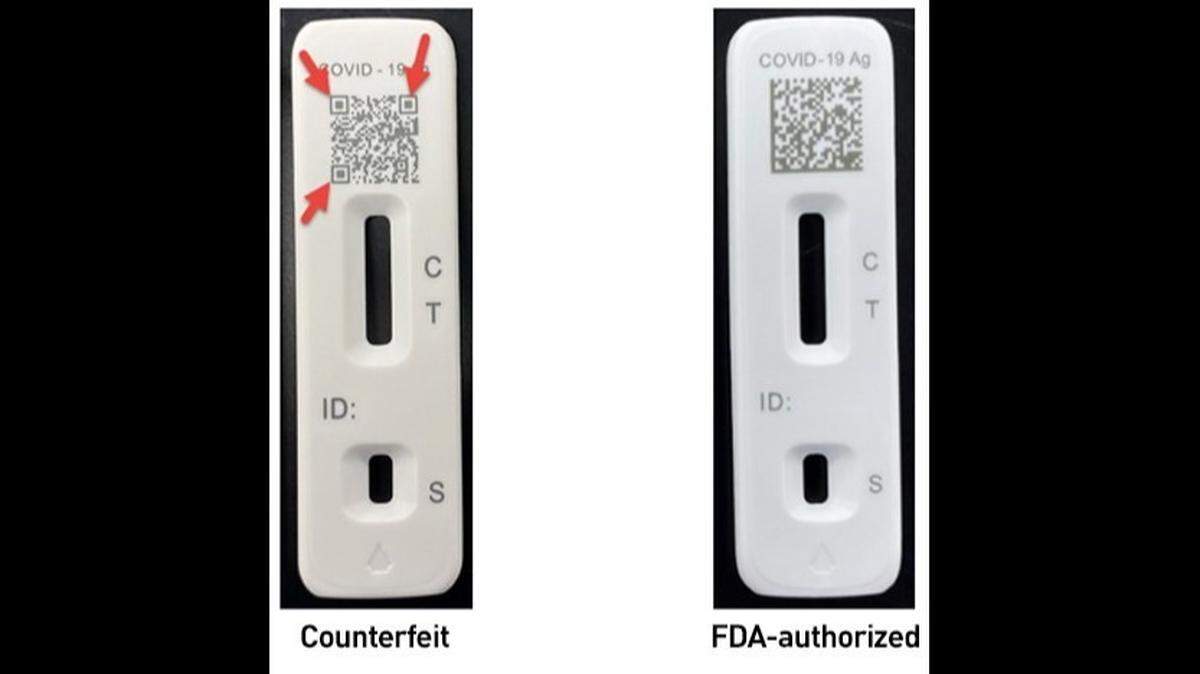
Additionally, the “plastic test cassette may have a 2D barcode which differs from the one printed on FDA-authorized Flowflex tests,” the FDA said.
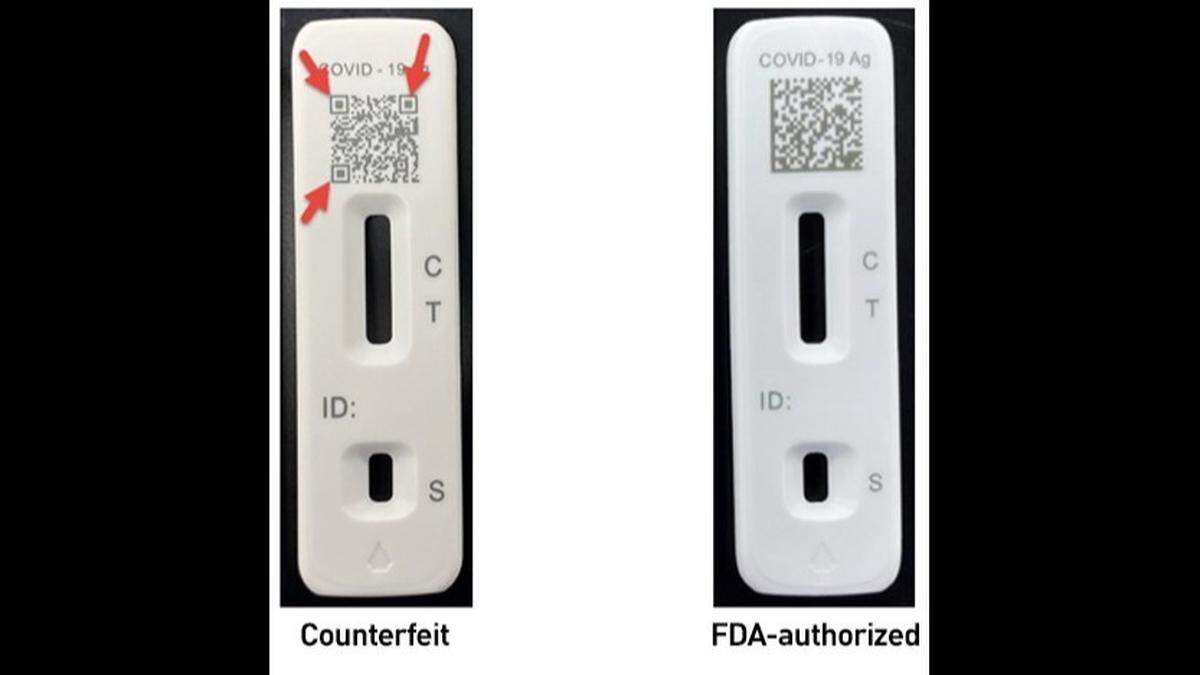
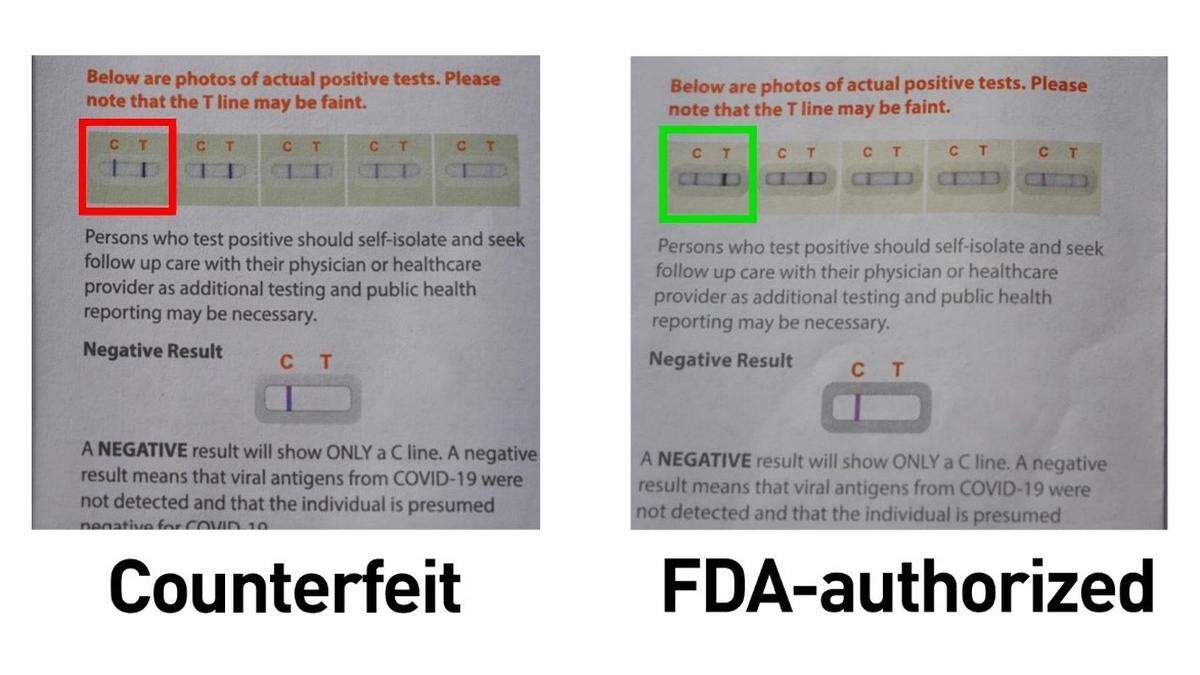
The counterfeit iHealth tests may be tougher to identify because they closely resemble the FDA-authorized iHealth tests and there might be multiple fake versions, according to the agency. It is advised to check the instructions where slight differences can be found compared to an authorized test.
“The FDA is not aware of any counterfeit tests distributed by the U.S. Government test distribution programs,” the agency said.
If you identified a counterfeit at-home COVID-19 test, do not test yourself with it and notify the store or distributor where you got it from, the FDA advised.
“The distribution of counterfeit COVID-19 products is a threat to the public health,” the FDA said.
General issues with COVID-19 tests can be reported here.
This story was originally published May 4, 2022 at 9:29 AM with the headline "Watch out for counterfeit at-home COVID tests, FDA warns. How to spot a fake one."
.jpg)