A new omicron subvariant is spreading in North Texas: What we know about BA.2.12.1
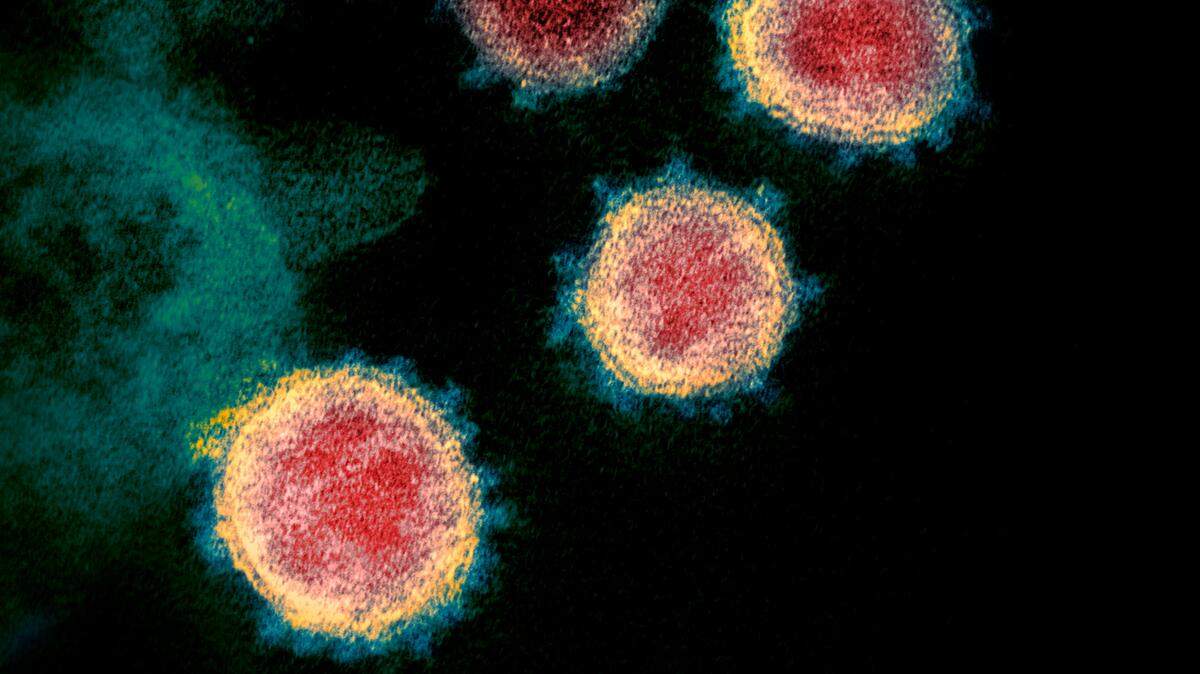
A mutant of the BA.2 subvariant of omicron is spreading quickly in North Texas, now making up 15% to 18% of new COVID cases.
BA.2.12.1 was first spotted in North Texas two weeks ago by UT Southwestern. The lab found four cases the first week and six cases the next.
“What we’re seeing is it appears to be able to spread faster, because it is overtaking BA.2,” says UT Southwestern researcher Dr. Jeffrey SoRelle. “The question is whether or not that’s because it’s more contagious, or because it has some immune resistance and is able to infect people who would be resistant to BA.2.”
What is BA.2.12.1?
BA.2.12.1 falls under BA.2, also known as “stealth omicron,” which is a subvariant that was first detected in North Texas in late January.
“It’s the sublineage of BA.2, but then there’s a couple of extra mutations,” said Dr. Wesley Long, a pathologist at Houston Methodist.
While BA.2.12.1 is becoming the dominant strain in New York and other states in the Northeast, we’re not seeing evidence of that happening here in Texas. But overall, BA.2 and its mutations have become dominant over BA.1, the original omicron. Currently, BA.2 makes up 80% of COVID cases in North Texas, according to UT Southwestern.
“BA.2 and all of its sub-lineages are definitely our dominant COVID-19 right now,” Long said. “It’s just sort of a smaller slice of the bigger pie of BA.2.”
At this point, it doesn’t look like BA.2.12.1 behaves much differently than BA.2, Long says.
Is BA.2.12.1 more contagious than stealth omicron?
The New York State Department of Health recently reported that BA.2’s sublineages, BA.2.12 and BA.2.12.1, are even more contagious than BA.2. “The subvariants have been estimated to have a 23%-27% growth advantage above the original BA.2 variant,” the health department said.
But in Texas, there is no evidence seen yet that BA.2.12.1 is more contagious than the parent lineage, Long said.
“If it is more contagious, I think it will prove itself out over time,” Long says.
If it does turn out to be more transmissible, then it could overtake BA.2 and become the dominant coronavirus strain.
How severe is BA.2.12.1?
Because only a small number of cases have been reported, we still don’t know exactly how severe BA.2.12.1 is compared with other variants. We do know that BA.2 is generally similar in severity to the original omicron, which is a milder variant in young and healthy individuals. It can cause significant illness or death, however, in the elderly and immunocompromised.
“Typically, the sublineages sort of follow the parent lineage behavior, in terms of transmission and severity, so there’s no indication at this point that it’s any more severe than other omicron strains,” Long said.
Will BA.2.12.1 drive an increase in COVID cases?
Texas will likely see COVID cases increase at some point as immunity from infection and vaccination wanes, Long and SoRelle say. Exactly how much of an increase is yet to be seen.
“It seems that we’re gonna probably have, instead of a big new variant out of nowhere, we might just continue to see a few mutations occur and get a subvariant that might cause some blips in the case count,” SoRelle said.
Unless a new variant emerges that’s entirely different from omicron and delta, we won’t see another surge, the experts predict.
Vaccination is still the best defense against COVID as new variants evolve. Get your first or second booster for extra protection if you’re eligible, Long recommends. That will help prevent severe illness, hospitalization and death if you get sick with the virus.
“When cases are low, it’s a great time to get vaccinated if you haven’t been, so you have that protection if cases do start to increase,” Long said.
If you’re at high-risk, keep an eye on COVID’s spread in your community and consider taking precautionary measures like masking and social distancing.
What are researchers looking at?
There are still a lot of unknowns about BA.2.12.1 because it’s a new mutation and there’s not much data. One of the things researchers will be looking at is how people infected with it will respond to treatment.
“So things we’d be looking for is whether or not any of our current treatments are affected by it,” SoRelle said. “We know that monoclonal antibody therapy changed when we had the omicron variant, changed again with the BA.2 variant, and so just want to make sure that those treatments are still effective.”
This story was originally published April 28, 2022 at 6:27 PM.