Worried you’ll get a false negative COVID test? Here’s how to reduce the chances
Why do false negatives with COVID tests happen?
At-home tests are useful in that they quickly give you peace of mind, or let you know immediately if you need to isolate.
But rapid antigen tests (the tests you take at home) have an inherent risk of giving you a false negative, says Dr. Shane Fernando, clinical epidemiologist at the UNT Health Science Center. “It’s just part of the technology at this time,” Fernando said.
Other factors that could result in a false negative are using the test incorrectly or taking it at the wrong time.
When should you take an at-home COVID test?
One way you can get a false negative is if you test too early, Fernando says. “There has to be virus in your body in order for it to be detected,” he said.
If you don’t have symptoms but you suspect you’ve been exposed to someone with COVID, test one to two days after the gathering when you were exposed. At that point, the virus should have replicated enough to be detected by the test.
Take a test the same day if you have symptoms, don’t wait.
How can you reduce the chance of getting a false negative?
Taking a test correctly can ensure that you get an accurate response. Here’s how to do that.
For both nasal swab and saliva tests, Fernando says, make sure you don’t eat or drink anything 30 minutes prior.
Leave the test in its package until you’re ready to use it.
First, wash your hands thoroughly so you have clean hands when handling the test. Make sure the surface that you’re placing the test on is clean — wipe it down and make sure it’s dust free. That will ensure that nothing around you affects the results.
Test kits provide clear instructions for their usage. Follow these instructions exactly. Don’t rush; give yourself time to carefully follow the directions.
Some test results are harder to read than others, so you think you got a negative result but it’s actually positive. For tests with less visible pink lines, use a magnifying glass or take a photo with your phone and zoom in. Confirm that there isn’t a faint second line indicating a positive result.
Which test is the most accurate?
Buying a poorly produced test could increase your risk of getting a false negative.
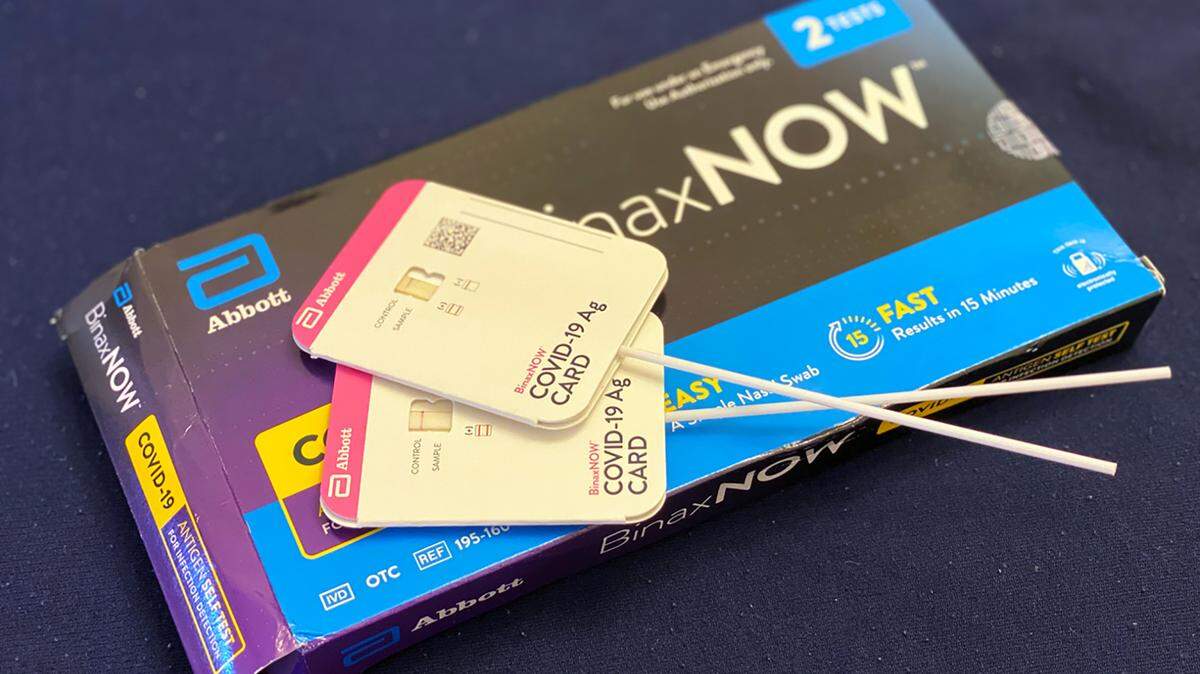
Before buying a test, make sure it’s on fda.gov’s listing of approved at-home tests. Fernando says he prefers the Ellume or BinaxNOW tests.
Don’t use any tests under the brands LuSys Laboratories, Luscient Diagnostics, Vivera Pharmaceuticals or EagleDx, the FDA recently warned. There’s a high chance you’ll get false results with these tests.
“I would encourage any consumer to only purchase those from reputable sources,” Fernando said.
What should you do if you suspect you’ve gotten a false negative?
If you take an at-home test that comes back negative, double-check with a PCR test a day or two later, which has much higher accuracy in detecting the virus. Try to isolate yourself until your PCR test result comes back to make sure you’re not spreading the virus.
This story was originally published January 16, 2022 at 10:00 AM.