COVID surge? In North Texas, life goes on: ‘It’s like a fact of life at this point’
For Sergio Alonzo, a COVID-19 surge has become more of an unpleasant part of everyday life, rather than the type of panic-inducing crisis that shut down the country nearly two years ago.
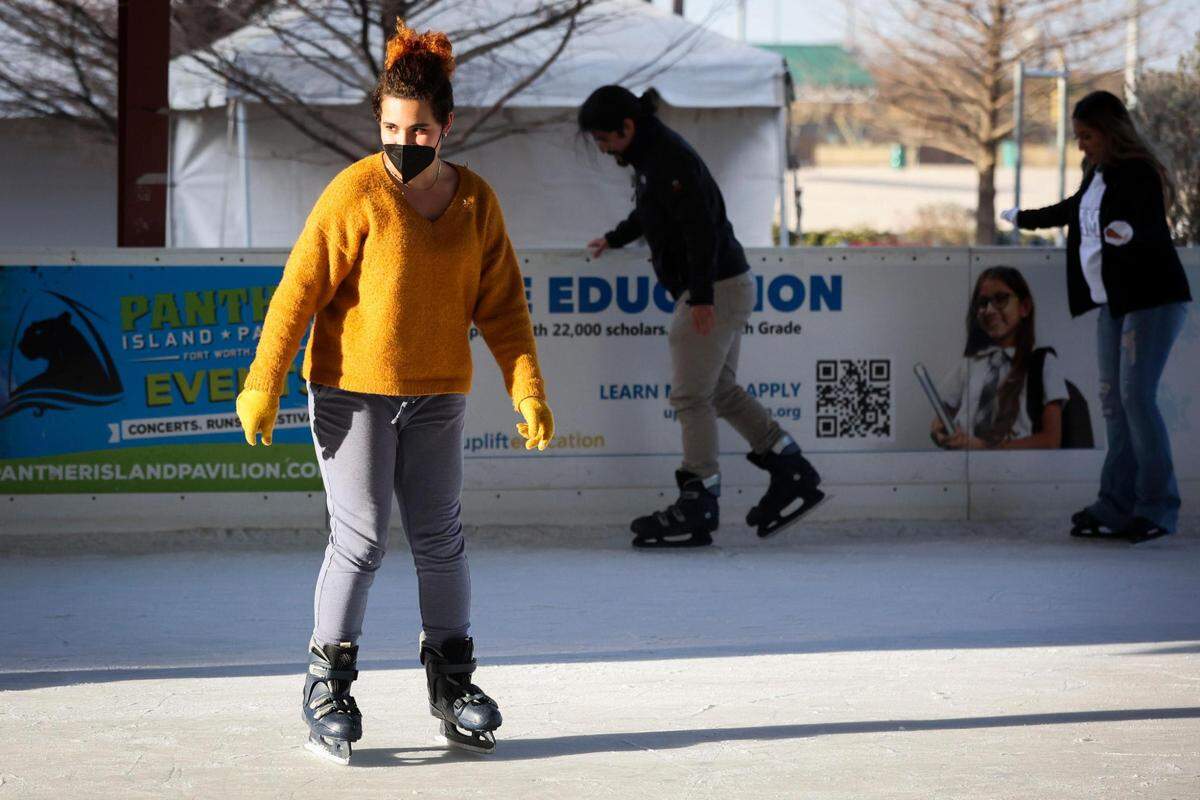
“In terms of omicron, it just lives in my mind,” said Alonzo, a college student who lives in Fort Worth, as he and his girlfriend were getting ready to ice skate Thursday afternoon at Panther Island Ice. “It’s like a fact of life at this point. And I don’t think it’s going to go away any time soon, either.”
A lot has changed since the beginning of the pandemic, including how North Texans appear to be handling the threat of this latest record-breaking surge in infections. For many, daily life continued on through the holidays and into January, despite the omicron variant’s already-tight grip on some parts of the country and despite local officials’ warning that it would soon come to Texas, too.
“Nobody was curbing their holiday plans,” said Carrie Kroll, who’s headed up the Texas Hospital Association’s COVID response. “And so what you’re seeing now is the impact of Christmas; we should, in the next couple of days, see the impact of New Year’s Eve.”
The omicron surge is highlighting how, in many ways, people’s response to the pandemic after nearly two years can be vastly different. Armed with more information and widely available vaccines, and perhaps comforted by improved treatment protocols in hospitals, North Texas businesses and North Texans themselves are making individual decisions about what they trust is and isn’t safe.
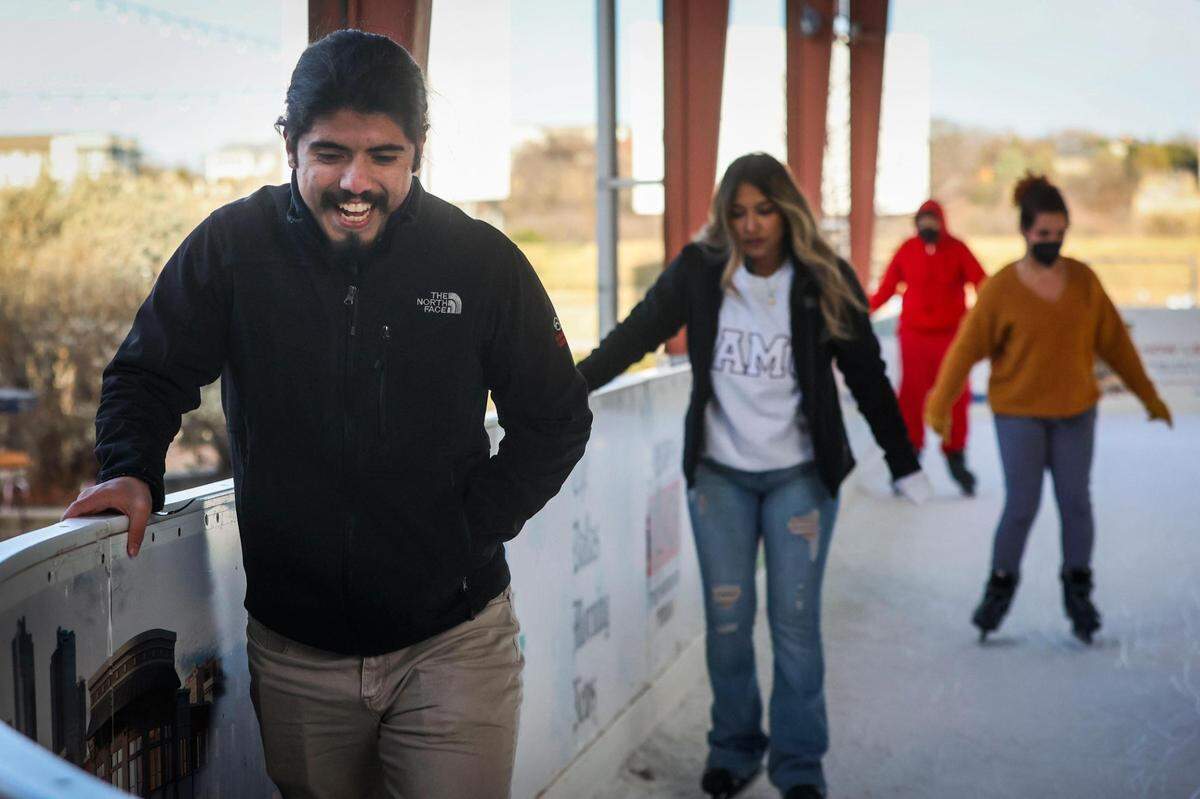
Alonzo said he picks and chooses the things that feel comfortable or worth the risk. Movie theaters, for instance, are a go; parties, on the other hand, often feel too risky.
“If I know I’m going to go somewhere, and I know that there’s not much risk of talking to other people head on, I’ll do it,” Alonzo said.
And unlike at other times in the pandemic, this surge is showing no signs of bringing added government restrictions for Tarrant County, from either the state or the local levels.
Texas Gov. Greg Abbott and his office have stated that vaccination is the best defense against the virus. But at the same time, as the Texas Tribune reported, Texas’ vaccination rate significantly lags behind the national average and the governor has publicly focused more on fighting vaccine mandates than on promoting vaccines themselves.
In Tarrant County, local officials have continued to urge vaccination, masking and general caution but have also said that their hands are tied when it comes to anything beyond encouragement of good behavior.
Spread has ‘skyrocketed’
With weeks likely left until the peak of the omicron surge, Tarrant County is already setting pandemic records.
So far this month, the county has repeatedly set new pandemic highs for positive test rate, with a seven-day average rate above 36% by Thursday. Before the omicron surge, the previous highest rate was about 31% in January 2021.
And while the county’s COVID-19 hospitalizations are not at a pandemic high, the number is trending rapidly upward and closing in on 1,000 hospitalizations. The all-pandemic high was more than 1,500 hospitalizations in early January 2021.
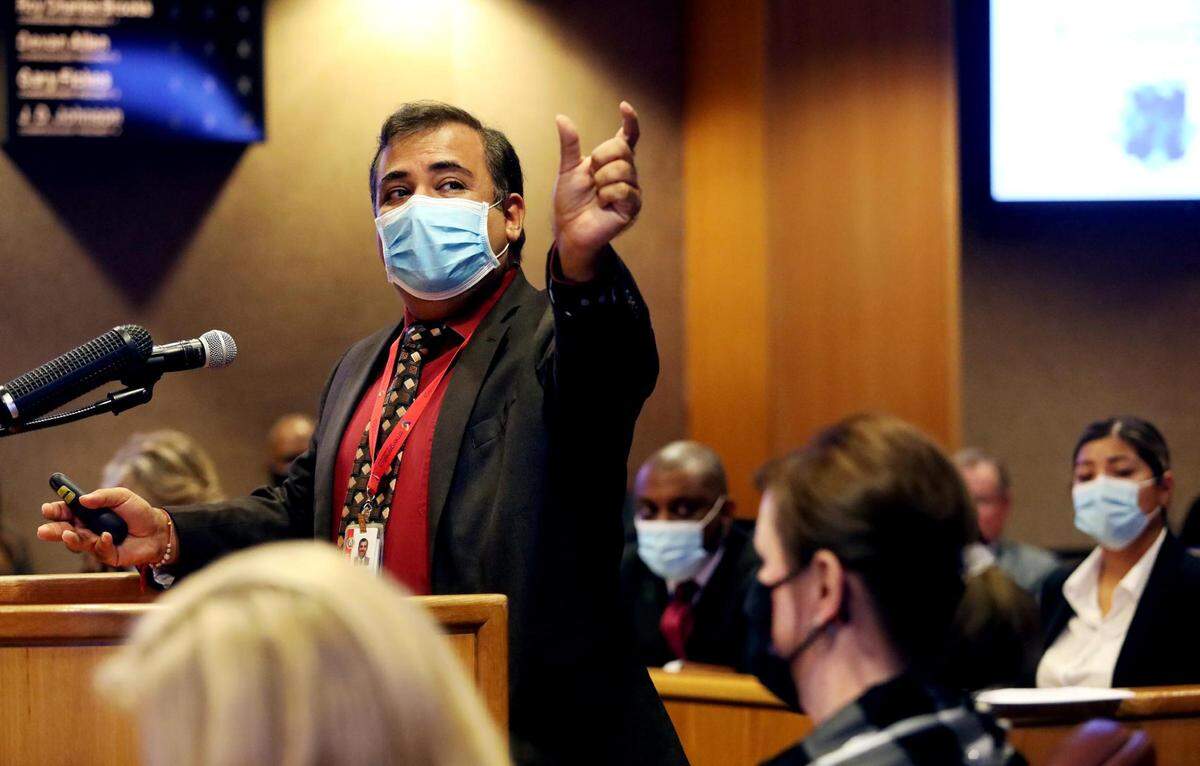
The county’s public health director, Vinny Taneja, said there will likely be several more weeks of rising numbers.
“Our best guess scenario is that it’s going to create a larger spike but probably have a shorter duration of the spike itself,” Taneja said. “January is probably going to be where we see the brunt of the illness, and then we should be on a downward climb.”
And although the omicron variant is believed to cause less severe illness for many people, the county is already reporting thousands of new cases per day. Officials worry that even a small percentage of hospitalizations could lead to overwhelmingly high numbers, and to increasing numbers of deaths.
“Even if the disease is less severe, it’s a lower proportion of people who get hospitalized, but you’re working with a bigger base,” Taneja said. “That translates into more people in the hospital. You can extrapolate: some of those folks are not going to survive, because they’re in the hospital for a reason.”
Cheryl Petersen, Cook Children’s Medical Center’s vice president of patient services and chief nursing officer, said the situation is already grim. As of Thursday morning, the pediatric hospital had 41 COVID-19-positive patients, up from eight during the week of Christmas.
Petersen said the quadrupling of hospitalizations, while still a smaller total number than the figures seen at non-pediatric hospitals, has already filled two medical-surgical units and placed a handful of children in intensive care.
The “spread of COVID has just skyrocketed with what we believe is the omicron variant,” Petersen said. “It’s something that I had hoped I would not see again, another rise of COVID, but here we are.”
Compounded stress
The omicron surge is the fourth significant spike that Tarrant County has seen, after July 2020, January 2021 and September 2021.
For those forced to grapple with the reality of the virus through their jobs, or because of their own risk level, the repetition has not made things easier.
Petersen, at Cook Children’s, said the pandemic has brought a greater understanding of how the virus spreads and how to use personal protective equipment. But implementing that knowledge takes a toll, from the physical facial pressure of long-term mask-wearing, to the emotional drain.
“This virus is readily evolving and evading the mechanisms to be abated. It just keeps changing, and that’s the part that I think is so frustrating,” Petersen said. “And then I think there’s behaviors that we could call less-than-safe in various communities, and that’s frustrating and disappointing when we think we could’ve prevented an infection.”
Trachelle Harston-Dearmore, a pre-K teacher at Fort Worth ISD’s Lowery Road Elementary, said that she and others have a feeling of near-paranoia about catching or spreading the virus in the classroom. Particularly for students as young as hers, Harston-Dearmore said, containing spread often feels unattainable. As she described it, 4- and 5-year-olds have more of a tendency to “sneeze on each other” than they do to understand germs.
“I feel like we are a ticking time bomb, especially down here in pre-K and kindergarten,” Harston-Dearmore said.
Harston-Dearmore, who’s been teaching in Fort Worth ISD for more than two decades, said she had originally planned to continue teaching for another five years. But now, after dealing with COVID for nearly two years, she’s decided to retire this spring.
And as the pandemic wears on, Steven Poole, the executive director of the United Educators Association of Texas, said each wave brings a new layer of stress.
“The school year has been exhausting,” Poole said. “Now, just the sheer thought of it being more contagious and more of their colleagues being out – which means more of a burden to shoulder on their part – the potential burnout in the spring is going to happen quickly.”
A wide variety of industries are facing similar staffing disruptions.
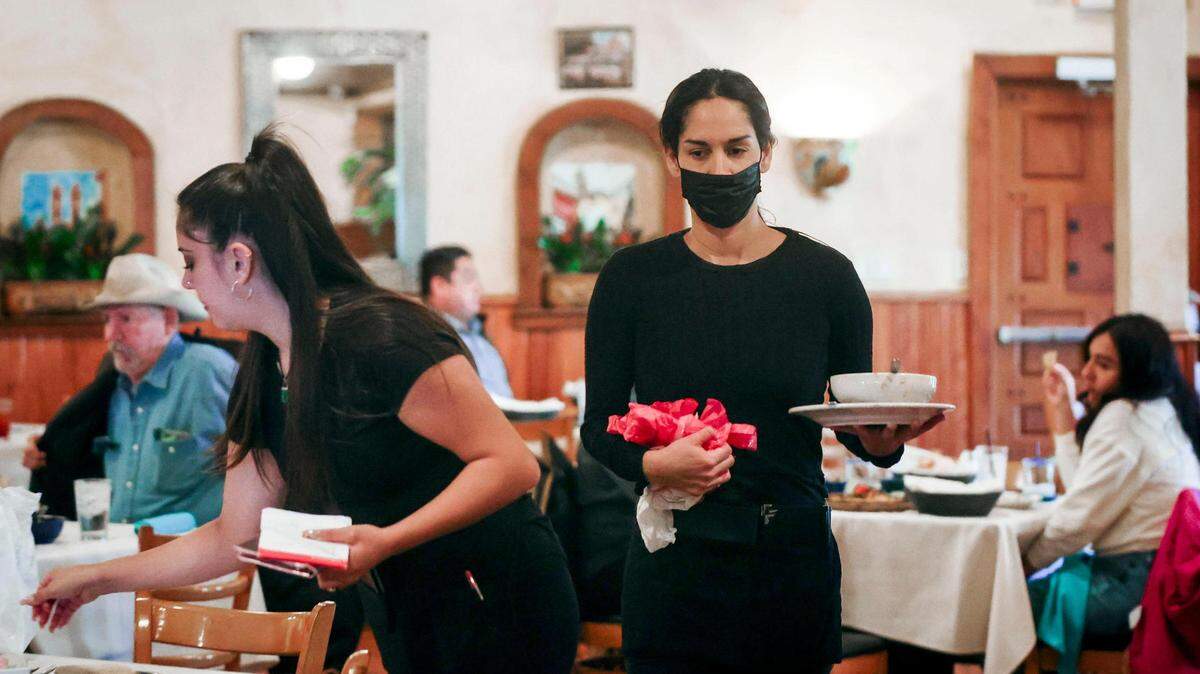
Some restaurants in North Texas — including, in Fort Worth, Bonnell’s Fine Texas Cuisine and Pizza Verde — temporarily shut their doors after staff members tested positive. Iconic Fort Worth restaurant Joe T. Garcia’s has seen about 20% of staff members test positive for the virus in the past few weeks, said president and CEO Lanny P. Lancarte.
With a staff of about 300, though, Lancarte said the restaurant has enough wiggle room to continue normal operations.
“It’s just another thing that we have to maneuver through,” Lancarte said. “It’s a constant job.”
Patty Anderson, the deputy director of Disability Rights Texas, said that disabled people across the state are constantly worried about shortages of attendants, who help people with their daily living activities.
“Those are things that people need, they’re very critical for survival,” Anderson said. “Those shortages are really hitting people with disabilities pretty hard right now.”
And as they’re juggling rising patient volumes, the hospitals are also navigating worker sickness.
A JPS spokesperson said that, as of Friday, there were 188 employees “out of work due to COVID” out of a total of about 7,200 employees. Petersen, at Cook Children’s, said that on Thursday more than 180 staff — out of about 7,500 across the network — were out with either a positive COVID test or a suspected exposure.
Petersen said the children’s hospital is coping with supply chain issues, which have caused repeated shortages of one sort or another. In November, the hospital resorted to a community-wide call for crutches, out of fear that there soon wouldn’t be enough on hand for patients. At a couple points, Petersen said, the hospital has faced a shortage of the styrofoam cups it uses at meal times.
“Every day it feels like we come with a bated breathe thinking, ‘Okay, what are we going to be short of today?’” Petersen said.

Individual decisions
Nonetheless, many Texans seem to be going about their daily life with little disruption, said Kroll, at the Texas Hospital Association.
“Unless you’re in an area of the state where there are very strong preventative measures in place in terms of masking and social distancing, you are otherwise reacting normally,” Kroll said. “You’re not masked in school, you’re not wearing a mask when you go to the grocery store, you’re still going to church services with lots of people.”
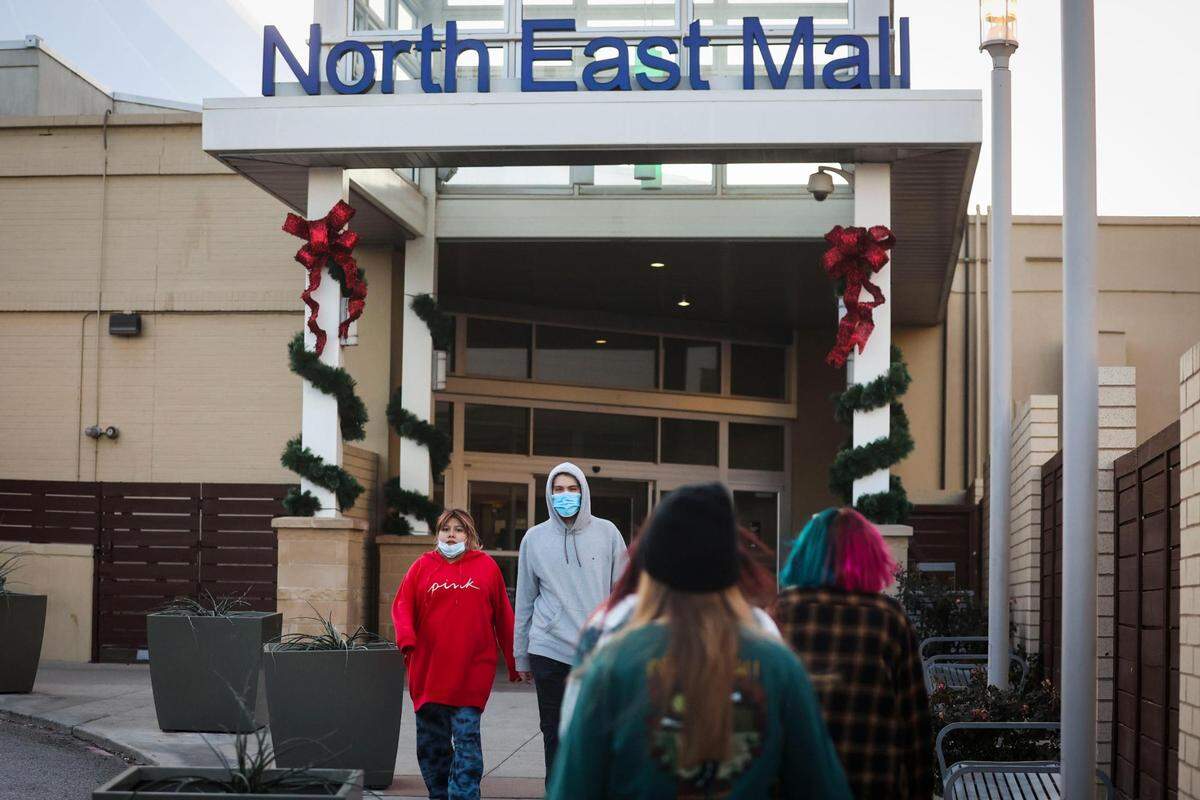
Cindy Steinbeck, who works at an animal hospital, was wearing a mask when she walked out of the North East Mall on Thursday afternoon. She said mask-wearing, along with avoiding large gatherings, is one of the precautions she’s continued to take throughout the pandemic.
But at this point, nearly to the two-year mark, she feels tired of the precautions. She continues them, she said, for the sake of her loved ones.
“I’m over wearing the mask, but I’m not over protecting myself,” Steinbeck said. “It’s not about me. I have to protect my family and the people that are around me. I have immunocompromised family members and young children, so it’s not all about me.”
And infused with the feelings of exhaustion and weariness, as omicron spreads, some are also feeling frustration flare up.
Christine Faught, a violinist who lives in Fort Worth, was wearing a mask on Thursday afternoon when she visited the Panther Island Ice skating rink with her three kids. Faught said she feels somewhat protected from the surge because she’s vaccinated and takes precautions such as masking.
But she also pointed to the politicization of some safety measures, especially vaccination.
“I feel like people in Texas do not take [the virus] seriously enough,” Faught said. “The whole pandemic … has really exposed the selfishness of Americans, in general, and I think that’s concerning and sad.”
And as hospitalizations rise, Petersen, at Cook Children’s, worries about people who behave as if there’s no risk at all.
“We all have to make a choice, a personal choice. But I lost a close family member recently to COVID infection,” Petersen said. “I think you just never know if you’re one of those that may be impacted more severely than somebody else. And why take that risk?”
This story was originally published January 10, 2022 at 5:00 AM.