Do COVID treatments work against the omicron variant? Early evidence isn’t promising
Scientists are racing to understand how well COVID-19 treatments work when put up against the highly contagious omicron variant. Health officials say some may remain more effective than others, but early evidence isn’t promising.
The trajectory of infections is worrisome, experts say, because many of the millions of people who choose to not get vaccinated against COVID-19 may no longer have the treatments they once trusted to fall back on if dealt a severe infection. The mutant is now the dominant version of the coronavirus in the U.S., comprising an estimated 73% of cases as of Dec. 22; the delta variant makes up about 27% of infections.
“[Health care workers] are going to be dealing with a fearful population of patients who are not able to get what they feel they should get,” Dr. Bruce Muma, president of the Henry Ford Health System in Michigan, told The New York Times regarding the short supply of COVID-19 treatments due to soaring demand.
“We can’t even afford the slightest blip of a surge, and with omicron, that looks like what’s coming,” Muma said.
The U.S. Food and Drug Administration has approved one drug for the treatment of COVID-19 as of Dec. 22. It’s called remdesivir — sold under the brand name Veklury — and it’s used to treat adults and some children hospitalized with COVID-19.
California-based company Gilead Sciences, which developed Veklury, noted on Dec. 1 that its treatment is likely still effective against the omicron variant because the drug doesn’t target the part of the virus that experienced the most mutations. However, the company is conducting laboratory studies to confirm its theory.
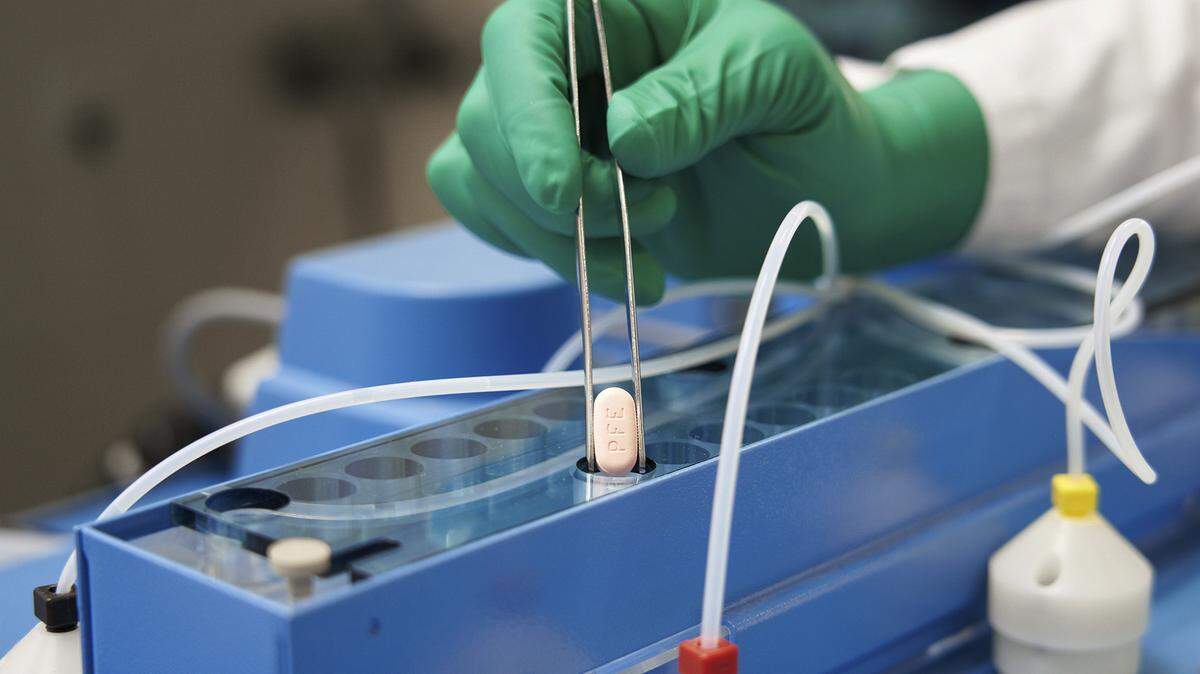
More good news comes from Pfizer’s COVID-19 pill called Paxlovid — the first coronavirus treatment in pill form to be taken orally — which was authorized for emergency use on Wednesday, Dec. 22, for vulnerable adults and children who test positive for the coronavirus.
Early laboratory tests suggest the pill may still work against omicron because it also does not target the part of the coronavirus that experienced the most mutations.
Monoclonal antibodies vs. omicron variant
The FDA has also issued emergency use authorizations for several monoclonal antibody treatments for COVID-19, some of which can prevent the development of severe disease in some vulnerable people.
Monoclonal antibodies are lab-made molecules that act like the antibodies your body develops from infection or vaccination — and which help your immune system respond more effectively to the coronavirus. Overall, the treatments make it hard for the virus to replicate and harm you.
But early data suggests most of these treatments fail to overcome omicron.
A non-peer reviewed study from researchers in New York and China found 18 of 19 monoclonal antibody treatments, including several in use today, were essentially rendered useless against omicron, with its power “either abolished or impaired.”
Only one antibody treatment approved for use in China remained effective against omicron, the researchers said. The team also found four new mutations in the variant’s spike protein — the part the virus uses to enter human cells — that help omicron suppress the antibodies.
“It is not too far-fetched to think that SARS-CoV-2 is now only a mutation or two away from being completely resistant to current antibodies, either the monoclonal antibodies used as therapies or the antibodies generated by vaccination or infection with previous variants,” Dr. David Ho, a professor of microbiology and immunology at Columbia University, said in a Dec. 17 news release.
Another non-peer reviewed study suggests “several, but not all, of the antibody products in clinical use will lose efficacy against” the omicron variant.
Regeneron, the developers of a monoclonal antibody treatment called REGEN-COV, announced its product has “diminished potency versus omicron,” but is still effective against the delta variant.
The company confirmed on Dec. 16, however, that multiple of its “next generation” antibodies are active against omicron and other variants of concern. Clinical trials testing the updated treatments are expected to begin early 2022.
On the plus side, one of the authorized monoclonal antibody treatments called sotrovimab appears to remain effective against the omicron variant in lab studies. It showed less than a 3-fold “shift” in its ability to overpower omicron, which is below what FDA guidance considers to be too much.
This story was originally published December 22, 2021 at 5:57 PM with the headline "Do COVID treatments work against the omicron variant? Early evidence isn’t promising."