Tarrant County is bringing back large COVID-19 testing sites as delta surges
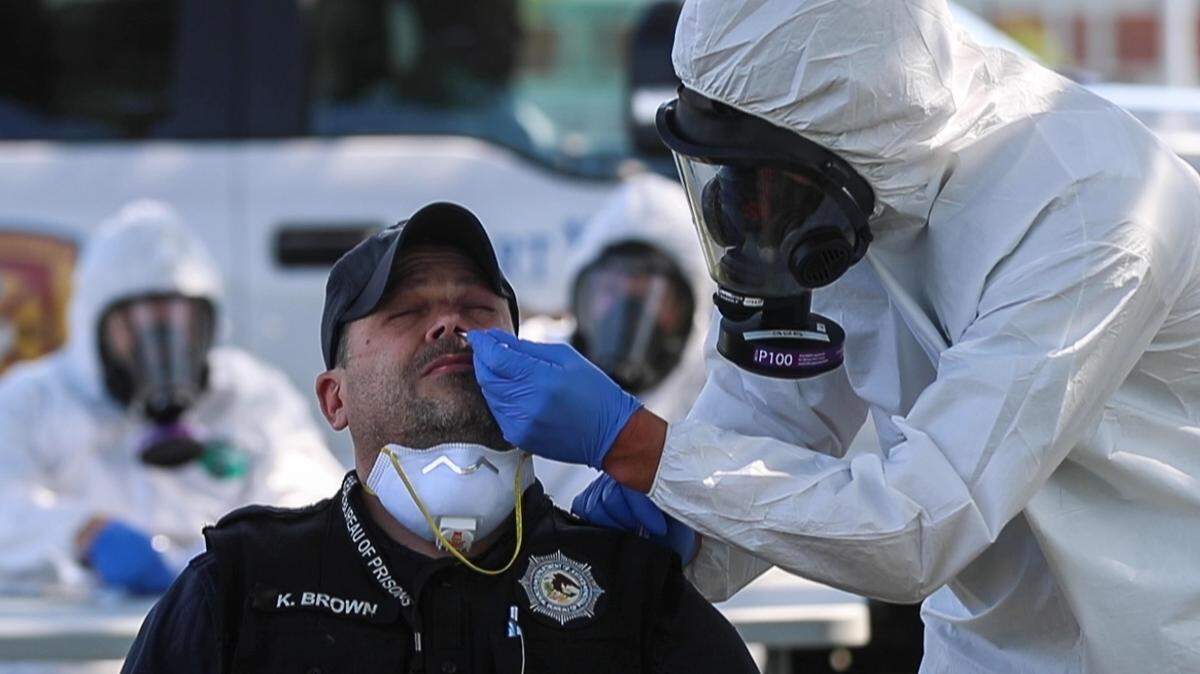
As the delta variant fuels a COVID-19 surge, Tarrant County is poised to bring back large testing sites.
With no fanfare or discussion, the Tarrant County commissioners on Tuesday unanimously approved a contract with the company BioIQ, in which the county will pay the company to stand up and operate coronavirus testing sites. The county will pay $128 per test up to $4 million, funded with federal dollars from the American Rescue Plan Act, according to county documents.
County public health director Vinny Taneja said after Tuesday’s meeting that the county had been scaling back — and closing — testing sites, some of which were operated with assistance from the Texas Department of Emergency Management.
The large sites, which could handle several thousand tests per day, were seeing just a trickle of patients, Taneja said. So, after much discussion, the county dismantled those sites and shifted its focus to mobile sites.
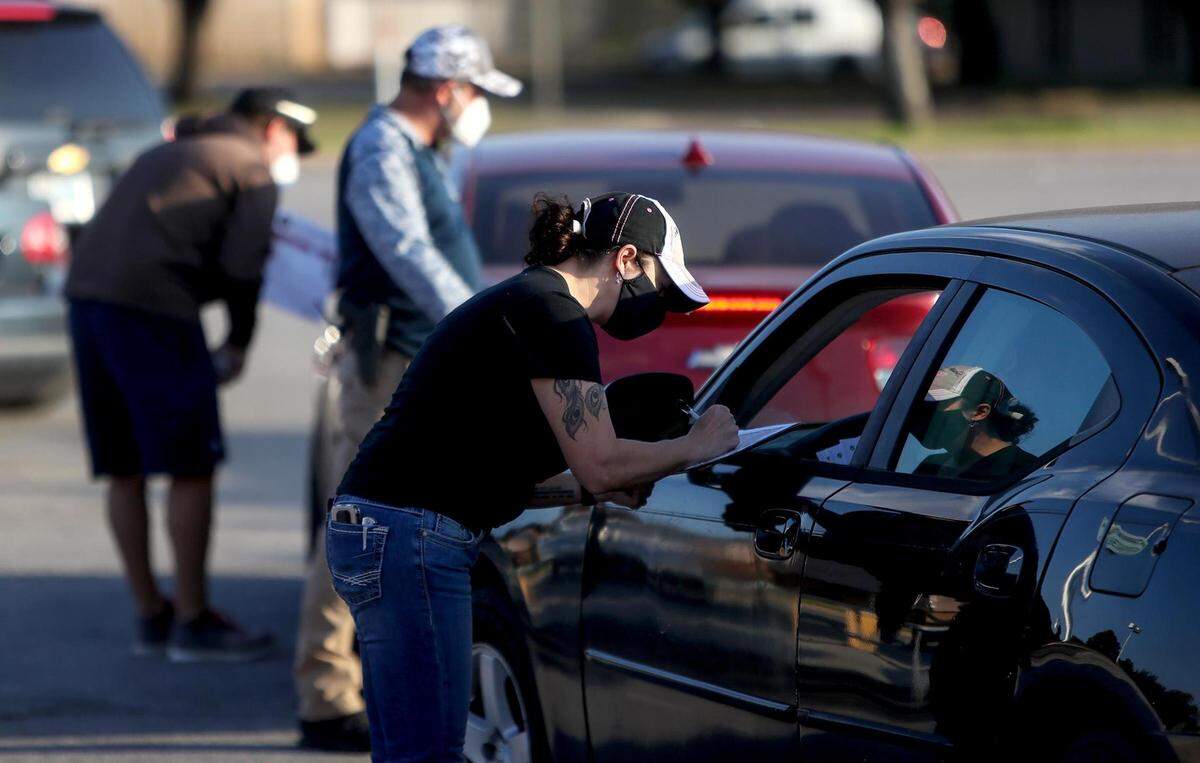
“Toward the end of June, they were getting 20 people a day, so at that point the decision was made, ‘OK maybe there’s not a need for these large sites and if the need emerges, we’ll come back,’” Taneja said.
Then, delta hit. And with the surge in COVID-19 cases, hospitalizations and deaths came an increased demand for testing.
“Now here we are, looking back at larger testing sites again,” Taneja said.
Tarrant County won’t handle this increased testing itself. With the commissioners’ unanimous approval Tuesday, BioIQ is slated to open at least one site, with potential for more depending on the demand at the first site. Taneja said the first new testing site should open within a few weeks.
The county has also brought in outside organizations to handle significant portions of the vaccination effort, and on Tuesday took a further step toward outsourcing more of that work.
From February through the end of July, Tarrant County contracted with the University of North Texas Health Science Center, and at the time commissioners made clear that the county expected the medical center to handle a large share of the vaccination burden on its own.
The contract between UNT HSC outlines several goals, including increasing the vaccination rate in underserved populations. The contract specifies that UNT HSC would advise the county on its vaccination programming and outreach, as well as “independently operate vaccination sites ... with no oversight from the Tarrant County Public Health Department” in order to expand the county’s vaccination capacity.
But UNT HSC terminated that contract two months early, and both the county and the medical center said it was because vaccines had become widely available.
The “UNT agreement was very focused on quickly getting sites up and running in underserved communities when the demand was high and there was just not enough sites,” Taneja said. “So that met its need, and now it’s the work of getting the people that are on the fence, so to speak.”
Several weeks after the end of that contract, the county commissioners on Tuesday unanimously approved a $440,000 agreement with Chris Howell Foundation. Under the contract, the foundation will aim to improve vaccination outreach and reduce COVID-19 spread specifically among Black and Hispanic residents and among those living in poverty.
The subcontract is funded by a grant handed down by the U.S. Centers for Disease Control and Prevention, which awarded Tarrant County Public Health more than $27 million to address COVID-19 health disparities.
The partnership with Chris Howell Foundation will be the first of many similar partnerships, all funded by the grant. Taneja said the subcontracted organizations will use a variety of approaches to increase vaccination rates, including holding town halls, partnering with local leaders and organizing vaccination events.
Taneja said the county public health department is outsourcing this work because it simply can’t do all of the work on its own.
“One organization can’t do it all,” Taneja said. “There’s different ways to reach different folks, different parts of the community. So we’re trying to engage all sectors and make sure we can get the work done.”
More than eight months since the first COVID-19 vaccines arrived in Tarrant County, a number of neighborhoods still have notably low vaccination rates. In some Tarrant County ZIP codes that tend to be predominantly Black or Hispanic less than 40% of residents 12 and older have received a vaccine dose.
This story was originally published August 24, 2021 at 5:09 PM.