Women fight for release from Fort Worth prison. Some with COVID-19 died while waiting.
In late March, Marie Neba filed for an emergency hearing to receive compassionate release and get out of Fort Worth’s FMC Carswell prison because of the coronavirus pandemic.
She described herself, in a phone conversation with the Star-Telegram, as at “crazy risk” if she contracted COVID-19. Neba had stage 4 breast cancer, diabetes and hypertension. Yet she was sleeping in a crowded room with other inmates, and almost nobody around her wore masks.
In late June, her fears had increased: After the federal government opposed her compassionate release and a case worker told her she wasn’t eligible for home confinement because she hadn’t served half her sentence, Neba wrote to a federal judge, “I don’t think I will make it here if I continue under such horrible conditions.”
On July 3, two days before her 56th birthday, Neba tested positive for COVID-19. Carswell was enduring one of the worst federal prison outbreaks in the nation, with about 500 women out of 1,300-plus at the facility contracting the virus in July. Although the Bureau of Prisons stated medical staff considered Neba to have recovered by Aug. 4, it also stated she began suffering from abdominal pain and shortness of breath, both symptoms of COVID, on Aug. 10.
Neba was transferred to a private hospital and eventually placed on a ventilator, according to her attorney, Zachary Newland. Newland made another request for compassionate release to the U.S. Department of Justice — so her three children wouldn’t have to watch her wearing handcuffs during the last days of her life — but it went unheard before she died on Aug. 25.
Neba’s story has been all too common in America’s federal prisons since March. Despite Attorney General William Barr ordering prisons to prioritize the release of vulnerable inmates to prevent the spread of COVID-19, both the Bureau of Prisons and Barr’s own Department of Justice have routinely resisted the use of compassionate release and home confinement, leaving many prisoners, especially those at Federal Medical Center Carswell, at great risk.
Out of about 175,000 inmates in BOP custody in late March, 7,593 have been granted home confinement, according to data on the BOP website. The BOP declined to give statistics on compassionate release during the pandemic, saying nearly 1,400 inmates had been released nationwide in the last two years. Those numbers are not broken down by facility, but Carswell’s prison population had fallen to about 1,300 in late August from about 1,650 in late March. An inmate at FMC Carswell estimated fewer than 20 women had received compassionate release.
Compassionate release is a reduction of a sentence; home confinement entails an inmate serving out the remainder of a sentence at home. The BOP grants inmates home confinement at its own discretion, so many inmates who have not received home confinement have filed for compassionate release through the federal court system.
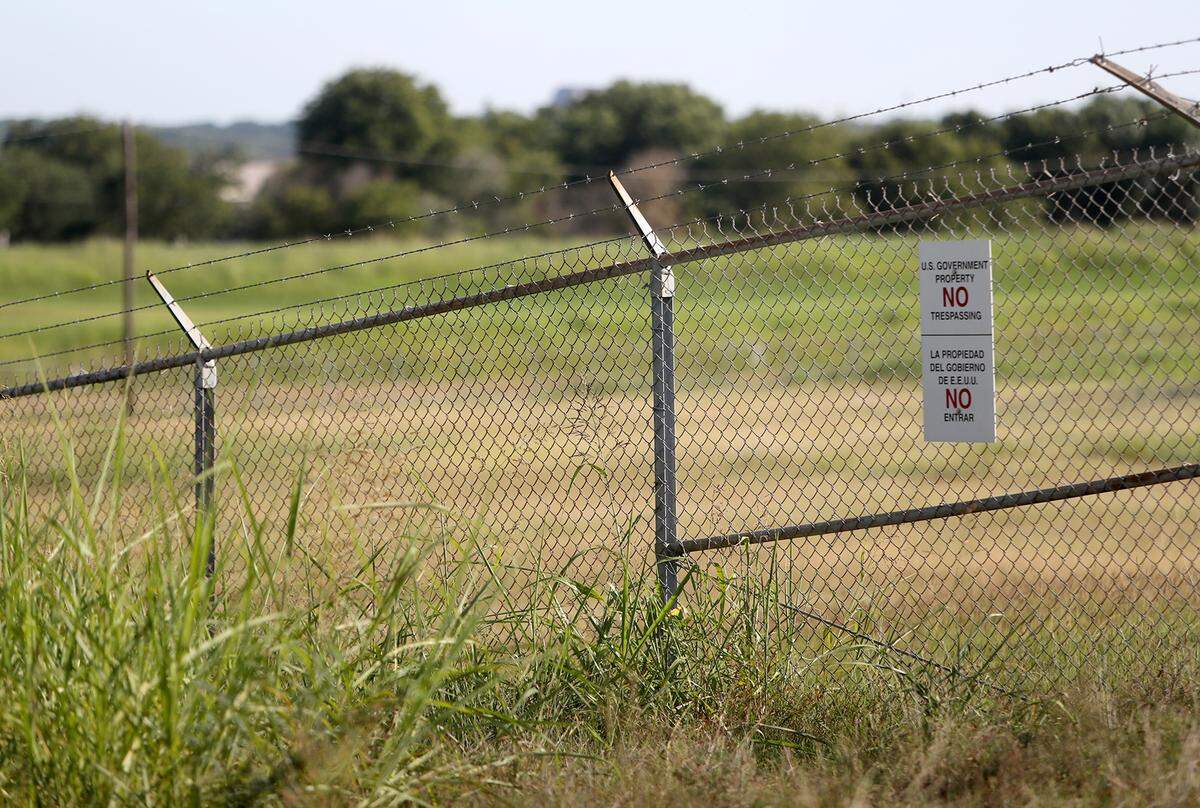
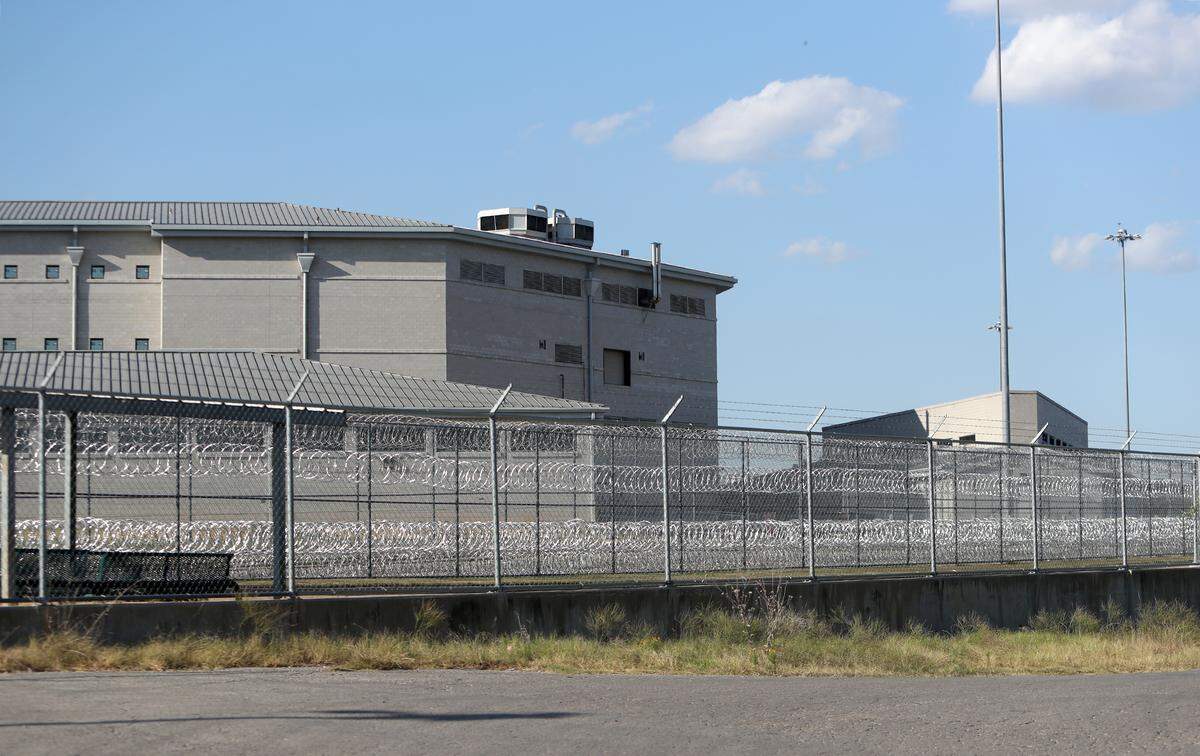
The women at FMC Carswell, the only federal hospital prison facility for women in the country, should have been the ideal candidates for either mode of relief. The majority of inmates suffer from physical or mental illness and are nonviolent offenders. At least six have died after contracting coronavirus. Yet, as with people incarcerated at other federal prisons, inmates say they have faced bureaucratic roadblocks, indifference and sometimes outright malevolence when they’ve tried to apply for these options.
For some, the process can take months, and the wait can be deadly. Since March, at least 18 people have died in BOP custody while their requests for sentence reduction were under consideration, according to the BOP.
“Marie Neba died in chains,” Newland said over email, “because the government consistently refused to recommend her compassionate release.”
The Barr memo
On March 26, Barr released a memo directing the BOP to prioritize the use of home confinement to help stop the spread of COVID-19 in prisons. On April 3, he extended the CARES Act, which outlines criteria that inmates need to obtain home confinement, to include all at-risk inmates — especially those at medical prisons.
The BOP said it is reviewing all inmates to see who should be sent home, giving priority to those who have served half their sentence and have health problems. But at FMC Carswell, Sandra Shoulders found that meeting those standards does not guarantee a quick release to home confinement.
She has served more than half of her five-year sentence on a 2016 conviction for dealing heroin and applied for home confinement, detailing her 34% use of each kidney and stage 3 kidney disease.
On Aug. 25, she said her application was approved. Shoulders was elated. But four hours later, the BOP paused its approval because an old warrant showed up on her file. The case was thrown out, but the warrant had not been lifted. As of Aug. 27, she was still waiting for the warrant to be officially removed so she can finish the process and go home.
Donna Frabott’s sister, who is incarcerated at Carswell for distributing methamphetamine, tested positive for COVID-19 in July. She has leukemia and early stage kidney failure and meets the conditions for home confinement. She had an old warrant removed from her record in Arkansas to improve her chances for getting out of the prison, according to her public defender, Gregg Parrish. But to complete the process he needs to contact administration at Carswell. No has answered the phone.

“(Parrish) called a million times and no one ever answered,” Frabott said. “I even have an extension to her counselor at prison and she doesn’t answer, either.”
Kevin Ring, executive director of criminal justice reform organization FAMM, said the BOP as a whole has been slow or outright resistant to releasing inmates. The BOP’s system has been overwhelmed during coronavirus, and its internal culture clashes with willingly releasing inmates, he said.
“You see the regular bureaucratic red tape hold things up in a way that does not match the urgency of the moment,” Ring said.
The BOP disputes the idea that prison officials do not care about inmates. In a statement, the BOP said it is “deeply concerned for the health and welfare of those inmates who are entrusted to our care, and for our staff, their families, and the communities we live and work in. It is our highest priority to continue to do everything we can to mitigate the spread of COVID-19 in our facilities”.
Waiting until death
Marie Neba originally filed for compassionate release before the pandemic, in 2019. She had dozens of years remaining on a sentence for Medicaid/Medicare fraud but suffered from stage 4 breast cancer. Her attorney, Newland, said she had been given a prognosis of less than two years to live. Her new filing in March was to expedite an evidentiary hearing on compassionate release because of coronavirus and her worsening condition.
Compassionate release is typically granted to inmates of advanced age or who have terminal illness, like Neba. But the application process is cumbersome and approvals are inconsistent. An inmate must first send a request to the warden, who can recommend release by the BOP. If the request is denied or not answered after 30 days, the inmate can file a motion with a federal court. Data uncovered by the Marshall Project in 2018 showed that 6% of 5,400 requests between 2013 and 2017 were approved by the BOP.
Coronavirus has not made the filing process any easier. Ring said case managers and counselors were posting signs in prisons that said, “Don’t talk to me about compassionate release, I’m not taking your request.”
Carswell inmate Veronica Carrera-Perez, 40, had her case turned down by a federal judge because of a procedural error. She had filed her own petition for compassionate release with the courts in April — based on what she described as shortness of breath — without previously making the request to the prison warden. A month later, according to court records, she was appointed an attorney. She later wrote to the judge she wasn’t able to communicate with her attorney because of the prison lockdown.
Carrera-Perez was serving a 24-year sentence for money laundering and possession of methamphetamine and cocaine. She died from COVID-19 on Aug. 3. A fellow inmate described her as someone who would help her peers with anything.
In Neba’s case, according to Newland, the U.S. Attorney’s Office was a major barrier to her compassionate release hearing. It opposed Newland’s motion from late March in part because it believed Neba should not be released with most of her prison time yet to be served, because she had not exhausted all administrative procedures for seeking release and because Carswell, which would go on to have the second-worst prison outbreak of COVID in the nation, provided a safe environment.
The U.S. Attorney’s Office wrote in a filing, “The BOP has taken aggressive steps to limit the risk of COVID-19 transmission into, and inside of, prisons across the country.”
“It was the choice of this line prosecutor to keep a cancer patient with twin 10-year-old sons and a 19-year-old daughter in a place where COVID was likely to strike,” Newland said. “The judge almost certainly would have granted Neba’s motion if the Government had supported it.”
In fact, Newland, who has handled many compassionate release filings and kept an eye on national trends, has not seen a single instance where a judge declined to offer compassionate release when the Department of Justice supported it. But Neba’s case wasn’t the only one where the department opposed releasing an inmate with underlying health issues. In April, Reuters found dozens of instances where federal prosecutors fought against compassionate release for elderly, sick or terminally ill patients, arguing the prisons were safe.
When people have been granted compassionate release due to COVID-19, Ring said, it is often because the courts have stepped up to help, not because of the BOP.
“Criteria hasn’t changed, but the court’s attitude and sense of whether or not people are in danger has,” Ring said. “You realize that there is no social distancing, there are (a total of) 150 deaths, there’s not the hygiene you thought there was. The courts are being more vigilant.”
Releasing eligible people from prisons during COVID-19 is in everyone’s best interest, Ring said. When outbreaks take over a prison, that can spread into the community because of the constant movement of staff in and out of the facility.
And those who are sick and elderly should have been released from prison already, he said.
“There’s a growing consensus that it does not make us safer to have a bunch of sick and elderly people locked up when they’re just no threat to public safety. They’re the least likely to re-offend and most expensive to maintain,” Ring said. “We’ve just exposed more people to unnecessary death and harm because we’re not acting fast enough to release people.”
The worst part is false hope
As inmates wait for release, some say their medical care has been insufficient and inconsistent. While some women in quarantine have their temperatures checked twice a day, according to a lawsuit filed against FMC Carswell, women in other quarantine rooms say they have no contact with medical staff. They have sometimes urinated or defecated on themselves because they were not let out to use the restroom enough. Others who tested positive for COVID-19 claim the only treatment plan they received was to drink more water or take an occasional aspirin.
Before the pandemic, the prison had a bare-bones medical staff. A 2017 inspection of the facility revealed the prison had one gynecologist, one medical director and one nurse practitioner for the approximately 1,300 women.
On top of the issues with medical care, false hope has contributed to greater anxiety.
In a letter to the Star-Telegram on July 28, Crystal Carr said she wanted to “shine light on what really happens” at Carswell. She wrote that 85% of the women at Carswell have underlying medical conditions, “yet we’re sitting ducks.” The women only speak to their families once a day for 10 minutes, and video visits have been suspended. She said they are laughed at “when we find the courage to ask a staff member about some relief.”
When the pandemic began, she wrote, a case manager came to her room and several others with home confinement paperwork to fill out. The case manager, according to Carr, said, “The Attorney General Barr wants the prison cleaned out.”
“But we soon found out that it then was a lie,” she wrote.”The BOP found a loophole to stop the process like always.”
Carr estimated maybe 10 to 20 people at the prison have been released through compassionate release.
“Do we not matter?” she wrote. “We are abandoned.”
This story was originally published August 31, 2020 at 5:00 AM.