No one wants to hear they’ve been exposed to coronavirus. But that call can save lives.
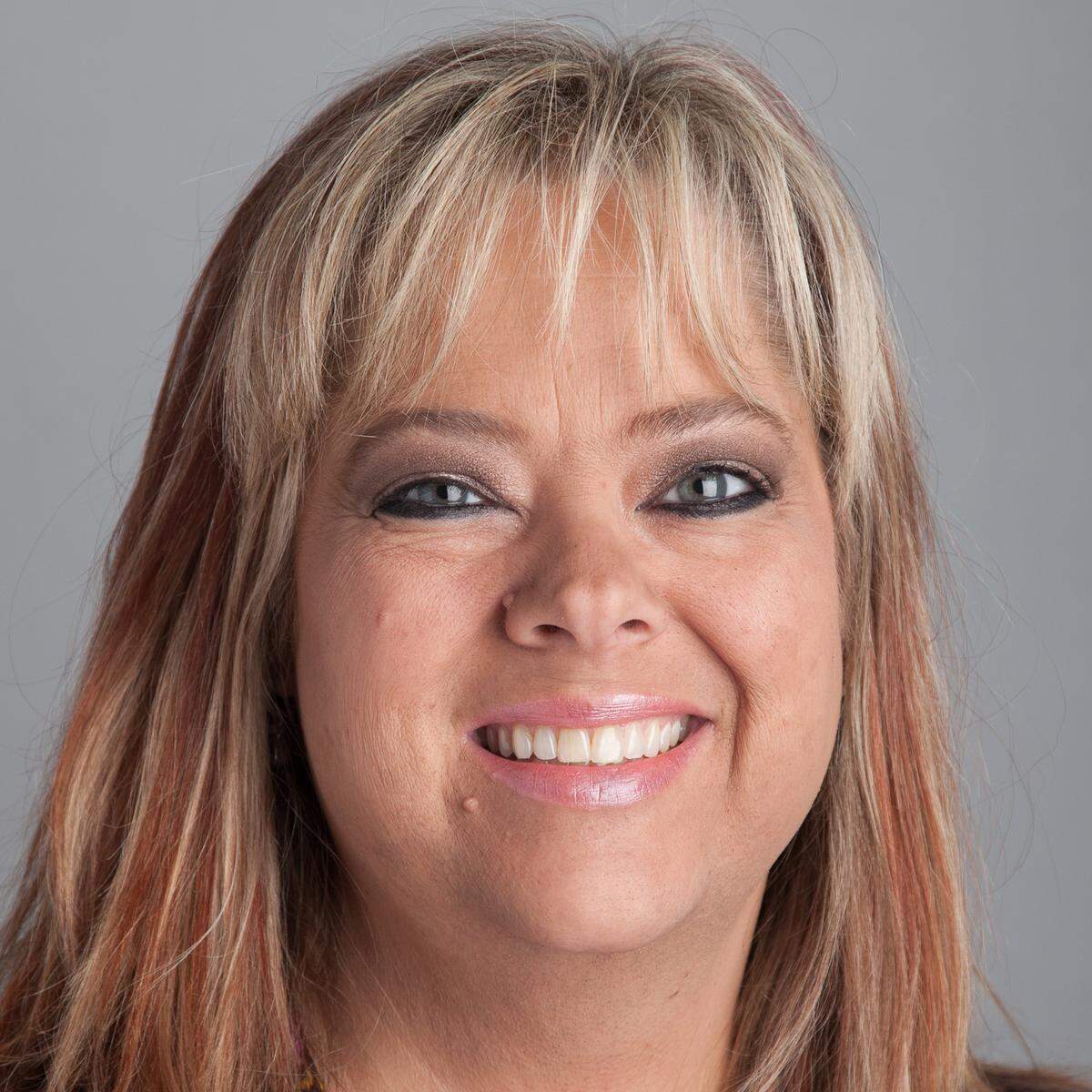
Emily Hardin Ladtkow is always a little nervous when making her first call of the day.
She knows she is calling someone who has tested positive for coronavirus — and she must ask them for personal information, such as who they’ve been in contact with and what symptoms they are experiencing.
But the contract tracing work she and a slew of others are doing could be key to life shifting to whatever the new normal might be.
“Sometimes it’s nerve-wracking,” said Ladtkow, a 27-year-old student from Dallas at the UNT Health Science Center who graduates soon with a master of public health degree. “Every call is so different and unique because everyone experiences COVID so different.
“Some people are really scared or nervous and some people are completely fine. Some are lonely and just want to talk. But the longer I do it, the more I’m able to comfort people and tell them this is really important information and it helps reduce the spread and it helps the community.”
Ladtkow is one of dozens of graduate students making these phone calls for the Tarrant County Public Health Department.
This work is a key piece in Gov. Greg Abbott’s plan to reopen Texas, which he said will only be successful with increased testing and contact tracing.
Contact tracing is when people with the public health department talk to everyone who has tested positive for COVID-19 and make lists of the people with whom they’ve had direct contact. Workers then track down those people down to let them know that they have been exposed and should self-quarantine for 14 days.
This is a tool health officials have long used with infectious diseases and it’s how some countries, such as South Korea, were able to stop the spread of coronavirus.
Testing people and tracking and quarantining all those potentially infected is a way to “box in the expansion of COVID-19,” Abbott said.
In Tarrant County, contact tracing has been underway since the first cases of coronavirus were diagnosed.
One high profile case involved Fort Worth Mayor Betsy Price, when she was notified April 20 that two city employees she had been in contact with tested positive for coronavirus. She was tested, and the results were negative, but she decided to self-quarantine for 14 days and keep track of any symptoms she had.
“It’s best to be overly cautious,” she said at the time. “Act like you’ve tested positive and stay home.”
The governor’s plan ultimately calls for 4,000 contact tracers, a call center and the development of a contact tracing application.
There soon could even be apps on smartphones — being tested now by Apple and Google, companies that have released beta versions of COVID-19 testing software — that eventually could send notifications to phones that have been within a certain distance of a person who has tested positive.
A standard tool
Contact tracing is a standard tool for public health officials.
“You have to do it pretty much with every disease,” said Diane Cervantes, an infectious disease epidemiologist at the UNT Health Science Center who has taught students through the years how to do it.
It’s especially key for health officials who work on cases ranging from measles to whooping cough to sexually transmitted diseases, she said.
“You find out how did this person get this disease and who else could they have given it to,” she said.
And letting people know they could be infected can sometimes come in the form of, for example, a note sent home from school letting parents know that a student had been infected with something such as whooping cough.
“This is a very important way to prevent the spread of any infectious disease,” Cervantes said. “You have to have the right staff to do it, the right number of staff and you have to have rapid testing to do it. If you don’t get results quickly, it makes it even harder.”
It’s especially helpful if doctors or hospitals let patients know that the health department has a legal right and responsibility to do contact tracing to try to stop the spread of coronavirus, she said.
The number of testing sites in Tarrant County and across the state have been on the rise. And more than 2,100 people have tested positive for coronavirus in Tarrant County.
If the number of positive cases becomes so large that it’s overwhelming to contact trace, then workers will have to prioritize cases. And to truly be effective, about 80% of the cases need to be traced, Cervantes said.
The key to contact tracing is for it to go hand-in-hand with increased hygiene measures, the wearing of masks and social distancing. “If people are doing all those things, then the likelihood of the virus spreading is decreased,” she said.
‘Robust plan’
Public Health Director Vinny Taneja said contact tracing in Tarrant County has been possible because of volunteer partners, such as students at the UNT Health Science Center.
Those workers are divided into teams. One makes the first call to those who tested positive for coronavirus. Then the contact tracing team reaches out to people who were in contact with the person who tested positive.
When those people are asked to stay home for 14 days, isolate from family members and watch for symptoms, that “limits the spread,” Taneja said.
He said Abbott has “put together a very robust plan” on contact tracing.
Sixty UNT HSC students are trained to help at the Public Health Department. Each works around 20 hours a week.
‘Huge public health concern’
Moyosola Babatunde, a 23-year-old UNTHSC student from Houston who also is about to graduate with a master of public health degree, said a typical call can take about 20 or 30 minutes, she said.
“The majority of what we do is dealing with the psychology of epidemiology,” Babatunde said. “Some are scared of the unknown. The reality is that I might be the first person they’ve talked to for a while.”
Some people don’t know why someone is calling, asking for information. Some are afraid that the call might be a scam.
When she began making these calls, she was nervous.
“Now you pick up the phone and hope for the best,” Babatunde said. “You never know what you’re going to hear.”
Some calls are easier than others; some patients remember more and have more information to share than others.
If someone doesn’t want to answer questions, student volunteers can pass those patients along to supervisors.
Babatunde said she knows how important these calls are to slowing or potentially stopping the spread of coronavirus.
“We are addressing a huge public health concern,” she said. “We are basically working toward describing this unknown disease ... to help prevent something like this from happening in the future.”
“You’d be surprised at how many people want to help and do more.”