Mental health advocates say it’s good to stress less in this time of COVID-19 anxiety
The novel coronavirus has changed the world, but the change does not have to be viewed as something catastrophic, according to mental health professionals.
Amid the flurry of ammunition, toilet paper and hand sanitizer flying from store shelves, people with some very real heightened anxieties brought on by the coronavirus changes — such as government-mandated isolation or multiple financial stressors — are fearfully muddling their way through these days.
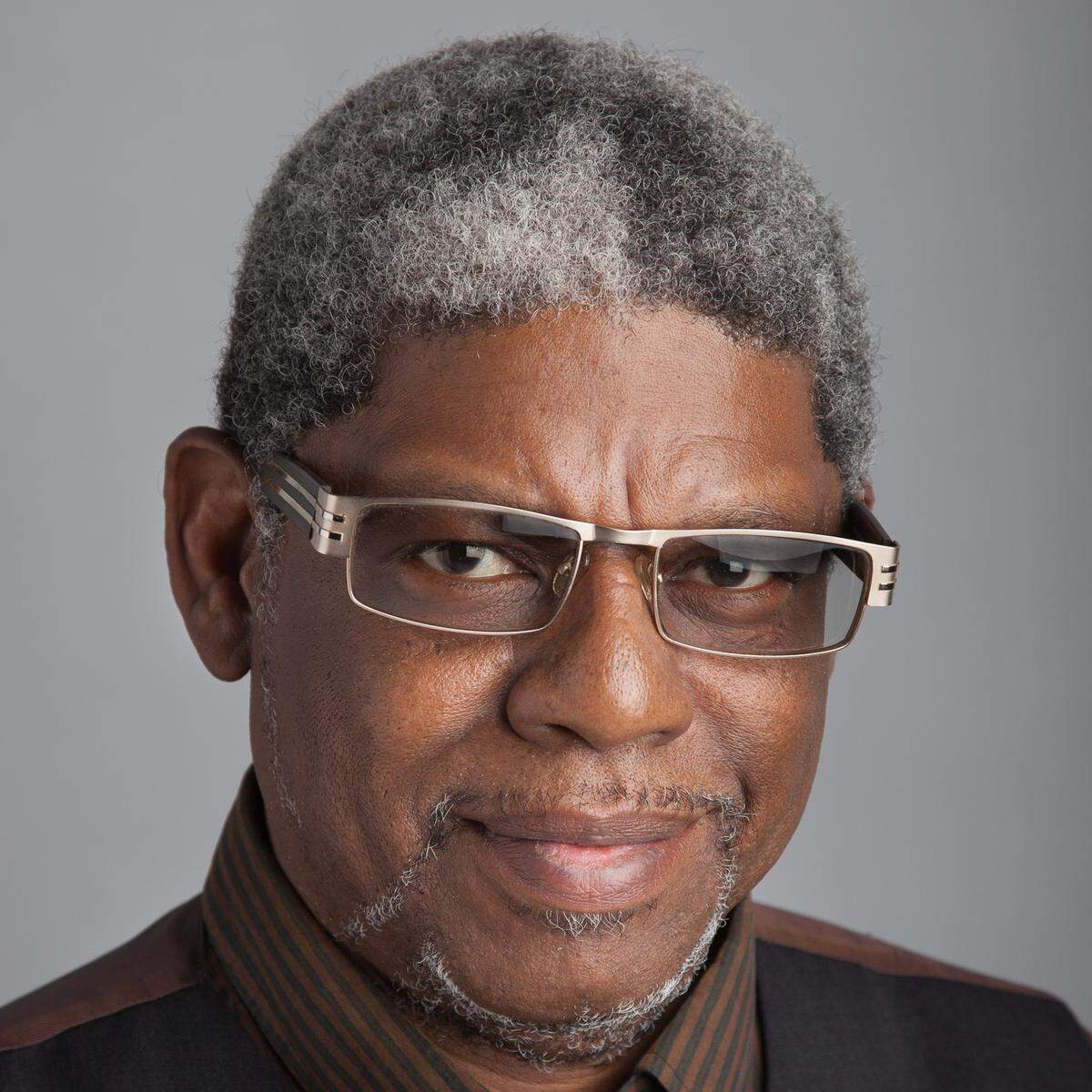
David Farmer, a University of North Texas Health Science Center at Fort Worth licensed professional counselor, suggests we try hope instead of fear.
“We will likely emerge from this facing a brand new world, but a world that has opportunity for all of us,” Farmer said. “We should all try not to buy in to an overwhelming sense of panic. Maintaining a sense of hope is significant.”
The times we live in now will require some flexibility, Farmer said. Life was stressful for many before COVID-19 and society’s reaction to the contagion is an additional stressor that people must now deal with. Facing multiple stressors simultaneously can often lead to distress, Farmer said.
“Talk to people and you find for most, their lives have not turned out exactly like they thought they would,” Farmer said. “But most people believe their lives have turned out OK. We have to remember that we can surface out of these situations and find a life that can be satisfying.”
Those hit by a job loss, or a business failure and illness all at the same time can become overwhelmed and feel that their life is out of control, Farmer said. But instead of dwelling on things that you cannot control, it could be useful to concentrate on what you can control, he said.
“Life is confronted best by establishing a plan,” Farmer said. “For those who are experiencing the loss of a job, it might be good to establish a plan on how to deal with that financial loss. I would talk to creditors and speak with them about reducing payments. Since this is a world problem, they will be aware that this problem exists. Initiate that process, that plan, early. If we know what we are going to do, it reduces some of that anxiety.”
Alex Guevara III, who owns Excelsior Therapy in Fort Worth along with his wife, Destinye, says people can combat stress by focusing on their business, or by seeking out educational opportunities and or by spending more time with their family.
People should avoid over consuming social media and media in general, said Alex Guevara, a licensed professional counselor.
“Maybe limit yourself to one or two sources that you trust and stick with them,” Alex Guevara said. “And be sure to take breaks. Don’t be a 24/7 news consumer.”
If you simply must worry, practice compartmentalization, Alex Guevara said.
“I have created a time when I worry, say between 1 and 2 in the afternoon, and I will not worry any other time,” Alex Guevara said.
Also understand that children will pick up on the anxiety and fear exhibited by their parents and will likely remember this time with anxiety and fear, said Destinye Guevara, who is also a counselor at Excelsior.
“Comfort and reassure children that this is a temporary time and that this time will pass,” she said. “Make sure as a parent that you keep the lines of communication open and make sure that you are approachable.”
Alex Guevara said there are clinicians who will accept payments on a sliding scale and tailor charges to a person’s income, as his office does in certain situations. Farmer also said there are low-cost therapeutic options for people who realize that they need help, but are unable to pay.
Counseling via video conferencing is an option for some people, and some college and university programs offer student-led therapy where the student is under the supervision of a trained professional.
Farmer also stressed that people will be healthier mentally if they are healthier physically.
“Take opportunities to get outside,” Farmer said. “Try to buy things that are healthier to eat, and try to get some exercise. We know anxiety can take a toll on our immune system. Think about your overall well-being.”
This story was originally published March 22, 2020 at 6:00 AM.