What to know about Bell’s new $632 million helicopter factory in Fort Worth
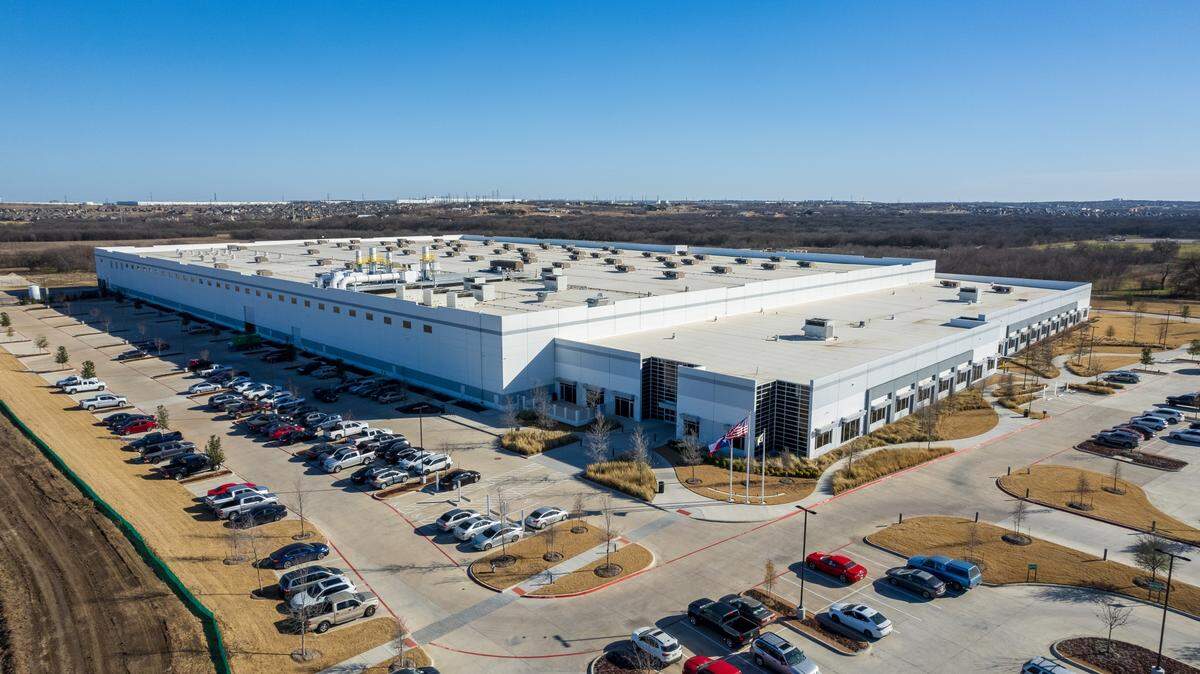
In December, Fort Worth-based Bell Textron announced it had chosen its hometown for a new manufacturing center to build components for the Army’s next generation of helicopters.
The decision followed a years-long selection process and offers of economic support from state and local governments. The new facility is expected to create hundreds of high-paying jobs in Tarrant County, possibly for decades to come.
Here’s everything we know so far about the project.
Where in Fort Worth is Bell Textron’s new helicopter factory?
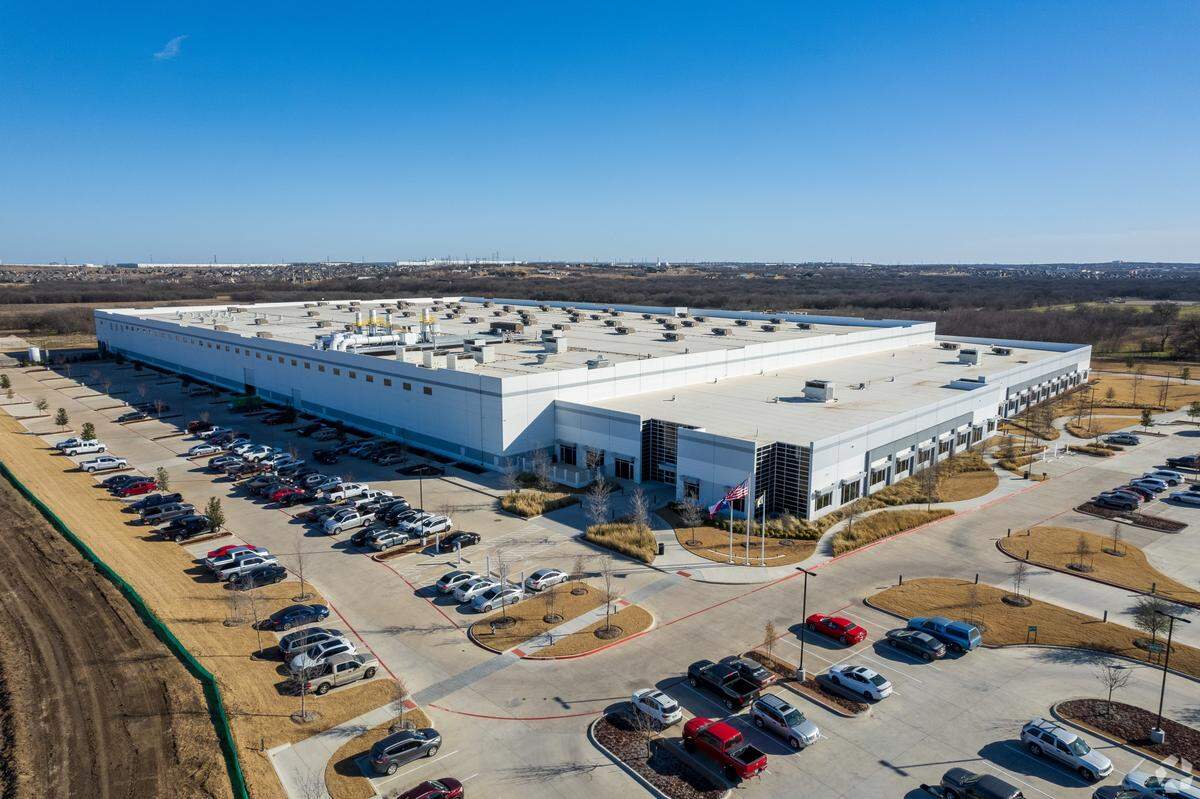
Bell’s new manufacturing facility will be at 15100 N. Beach St., off Interstate 35W in far north Fort Worth (just across the Denton County line).
The site is part of the 27,000-acre AllianceTexas development, a regional hub for manufacturing. Bell will move into a building that was previously home to a Stanley Black & Decker facility, which closed in 2023.
What’s the timeline for construction?
A Bell spokeswoman said the company will likely move into the facility this year. Bell is aiming to have its manufacturing operation up and running by 2028.
What is going to be made at the plant?
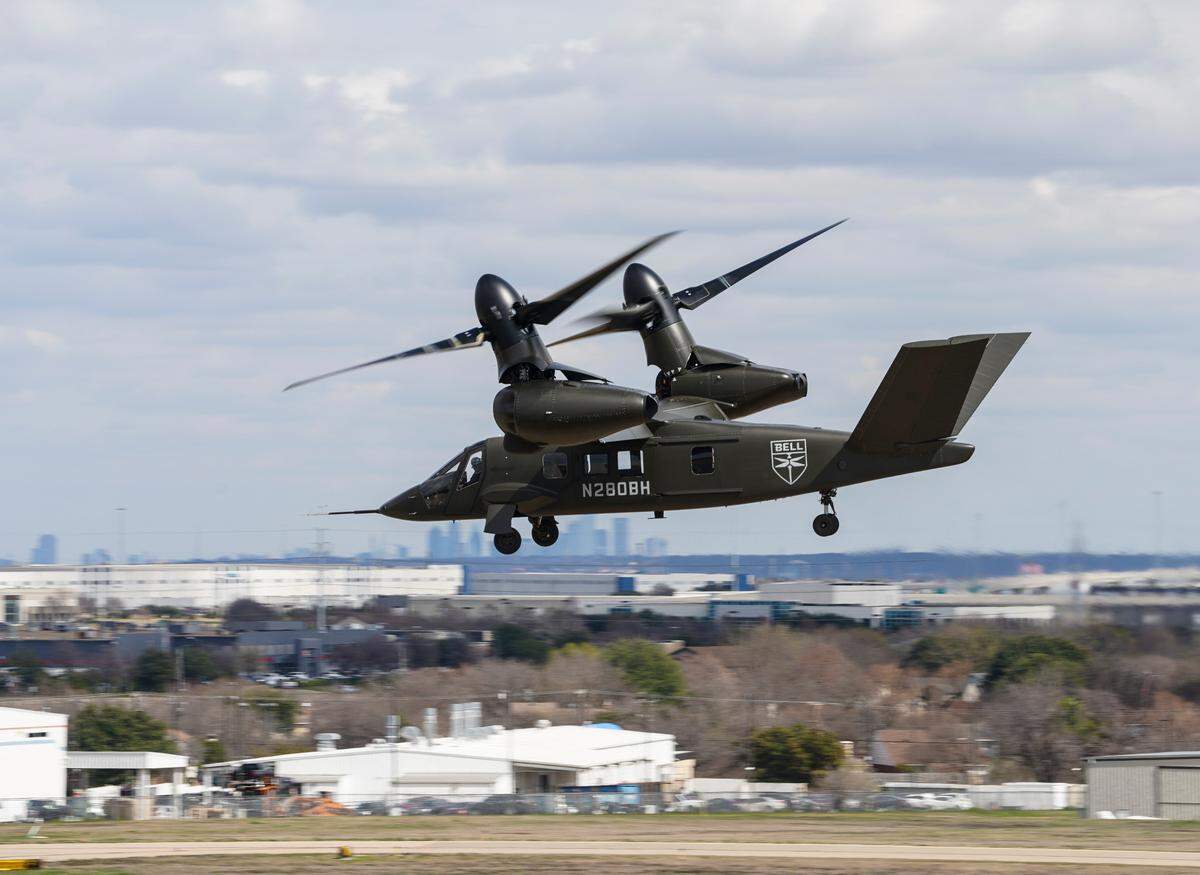
Bell will make parts for its V-280 Valor aircraft in Fort Worth. The U.S. Army chose the V-280 Valor to be its Future Long-Range Assault Aircraft in 2022, meaning it will replace the Black Hawk helicopters currently in use.
The FLRAA will be assembled in Amarillo, and tested at facilities in Grand Prairie and Arlington. The fuselage will be assembled in Wichita, Kansas.
What’s the total value of the project?
To receive incentives from the city of Fort Worth, Bell will have to invest at least $632 million in the new facility. The site valued at almost $61 million.
It’s not yet clear what value the project could amount to. As a part-maker for the FLRAA, its success will likely hinge on that of the aircraft. By some estimates, Bell’s contract with the Army to produce the FLRAA could be worth $70 billion over the coming decades, depending on how many aircraft are purchased.
What economic incentives did Bell Textron get?
Bell’s proposal for the facility got significant support at the state and local levels.
The city of Fort Worth passed an economic incentives package for the facility worth over $46 million in December. The city estimates the project could create $16 million in new tax revenue.
Bell is also expected to receive economic incentives from the state, through Texas’ Jobs, Energy, Innovation and Technology (JETI) program. The JETI incentives will reduce the amount Bell must pay in taxes to the Northwest school district through up to 10 annual grants. The company will also be awarded a $2.6 million grant from the Texas Enterprise Fund, a state-funded program aimed at attracting companies to Texas.
How many Bell Textron jobs will be created? What types of jobs?
City incentives require Bell to create a minimum of 520 full-time jobs by the end of 2039. The average annual salaries must be at least $85,000.
Bell expects most of the new jobs will be traditional manufacturing roles, like engineering and operations staff. The company will also hire staff for support roles.
It is unclear how many jobs will require government security clearance.
When will Bell Textron begin hiring workers?
Bell is still working on designing the flow of the new manufacturing facility, so it’s unclear when hiring could begin.
The facility’s earliest workforce-related deadline to receive incentives from the city is the end of 2028; the company must have at least 155 full-time employees at the facility by Dec. 31, 2028.
Will we see these helicopters in the sky like Lockheed’s F-35s?
Passersby may see some aircraft in the sky near Bell’s testing facilities in Grand Prairie and Arlington in the coming years as low-rate production begins.
When will the Army start using Bell’s tiltrotor aircraft?
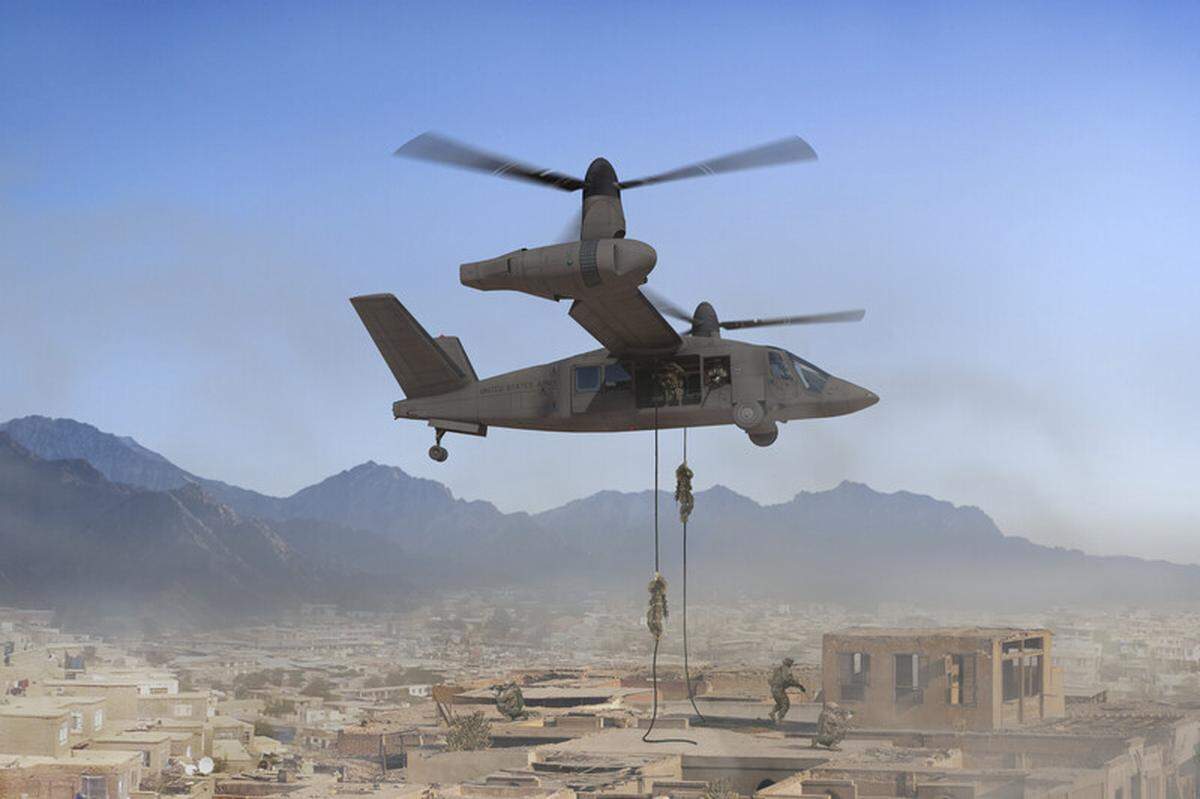
The Army’s first FLRAA flight is scheduled for 2026. Low-rate production is slated to begin in 2028, with the Army beginning to use the aircraft in the field in 2030.
Bell’s new Fort Worth manufacturing facility will need to be operational by 2028 to support production.
What will the helicopters be called?
The Army designated the FLRAA the YMV-75A in May. The “Y” indicates the aircraft is a prototype, while the “MV” stands for multi-mission vertical lift aircraft. The “75” is in honor of the Army’s founding year, 1775, and the “A” denotes that it is the initial model in the series of aircraft.
It’s unclear if the Army will give the MV-75 a legacy name, which is traditionally that of a Native American tribe.
Before it was chosen as the Army’s next-generation helicopter, Bell called the FLRAA the V-280 Valor.
How does Bell’s V-280 Valor fly?
The aircraft takes off and lands like a traditional helicopter. As a tiltrotor aircraft, both of its rotors (the engine-powered blades of the aircraft) can tilt forward once it’s in the air, enabling it to fly faster and farther than a traditional aircraft.
The company has said the V-280 Valor can fly at over 300 mph.
What is Bell Textron?
Bell Textron Inc. is a subsidiary of Textron, a company that owns a number of aviation brands, including Cessna and Beechcraft. Bell made up 26% of Textron’s annual revenue in 2024.
Bell makes a variety of aircraft, primarily helicopters, for defense and commercial use. The company has about 3,900 employees in the Metroplex. Headquartered in Fort Worth, Bell was Tarrant County’s third-largest industrial taxpayer in 2022.
Bell was founded in 1935 in Buffalo, New York, by industrialist Larry Bell, who moved the helicopter segment of the company to Fort Worth in 1951. Textron acquired the company in 1960.
What does Bell make in Fort Worth?
Bell has a high-tech manufacturing center in north Fort Worth, which tests new manufacturing processes.
The company also has manufacturing facilities at its headquarters in east Fort Worth, near Hurst. Bell has offices for various facets of its business around the Metroplex.
The company also has a training center in Fort Worth where pilots can train using high-tech helicopter simulators and sharpen their flying skills on Bell’s airfield to prepare for rare emergencies, like an engine failure.