‘What an incredible sight’: Texas Moon lander drifts into space on planned lunar trip
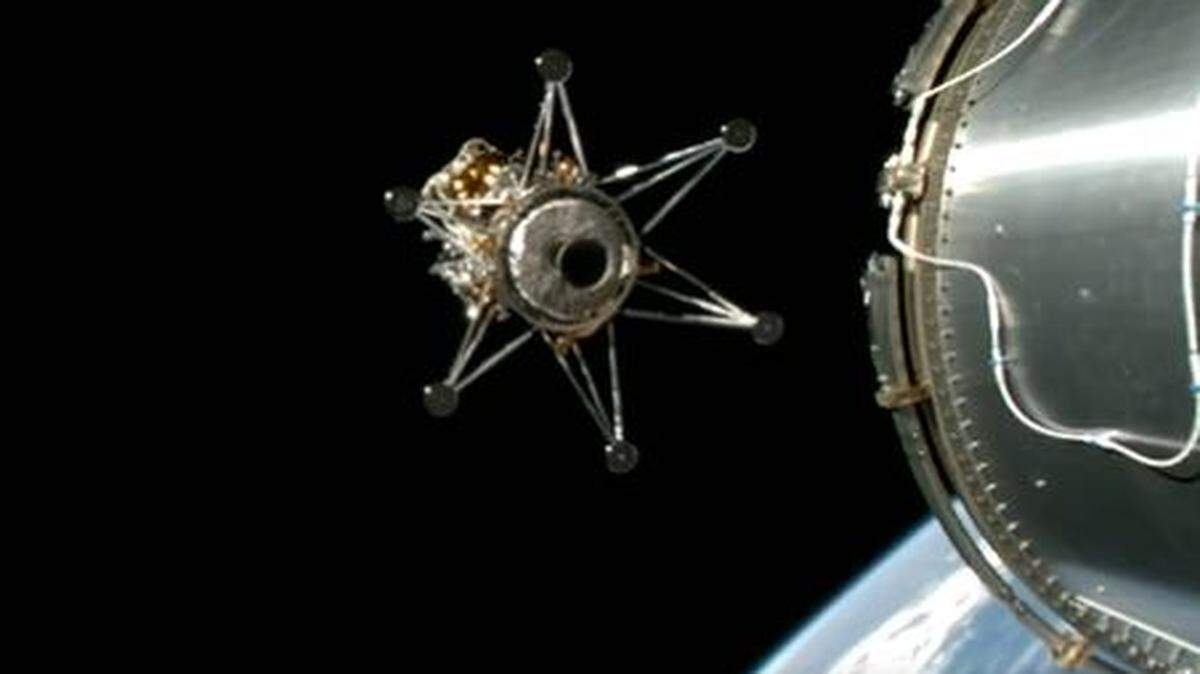
A Texas company’s robotic lunar lander blasted off into space on the back of a SpaceX Falcon 9 rocket early this morning separating from the transport vehicle and slowly propelling into the darkness of space.
“What an incredible sight to see the IM-1 NOVA-C lunar lander drifting away from Falcon 9 second stage confirming spacecraft separation,” a SpaceX video announces. “From all of us here at SpaceX, we are wishing the IM-1 lander a great flight and safe travels.”
The spacecraft Odysseus was built by Houston-based aerospace company Intuitive Machines and its planned trip will mark the first American spacecraft to land softly on the moon’s surface since the Apollo 17 mission in 1972. It will also be the most recent private attempt to send a spacecraft to the moon.
SpaceX partnered with NASA for this mission to place a vehicle at crater Malapert A near the south pole of the Moon for research. Part of its mission is to study plume surface interactions, radio astronomy and space weather conditions on the moon, according to NASA’s website.
“It will also be demonstrating precision landing technologies and communication and navigation node capabilities,” the website states.
The launch was planned for early Wednesday morning but had to be pushed back a day because of technical issues, SpaceX announced Tuesday.
An unmanned lunar lander from Japan’s space agency softly landed on the moon Jan. 19, making Japan the fifth country to land on the moon in a mission designed to test technologies that would allow spacecraft to land precisely on the lunar surface.
There have been 17 successful missions to the moon by the United States and other nations since 2000.
Landing on the moon is especially difficult due to the moon’s gravity, the weight of the rover or lander and the novelty of spacecraft in general.
To achieve this feat Intuitive Machines is teaming up with Elon Musk’s SpaceX which will provide the Falcon 9 rocket that will take the Nova-C lander to the moon.
Landers are spacecraft designed to land on the surface of a planet or a moon.
The mission has a multi-day launch window which opens around mid-February and will take off from Launch Complex 39A at NASA’s Kennedy Space Center in Florida.
This mission in particular will focus on space weather, interactions with the surface of the moon, radio astronomy, precision landing technologies and plume-surface interactions.
Intuitive Machines was founded in 2013 by Stephen Altemus, Kam Ghaffarian, and Tim Crain to focus on the exploration and study of the moon. The company is headquartered in Houston and received a $77 million contract from NASA to create the Nova-C lander.
The contract was a part of NASA’s Commercial Lunar Payload Services program (CLIPS) which hires companies to send robotic landers and rovers to the moon to scout for lunar resources and to gather information to aid the Artemis lunar program which aims to establish a permanent base on the moon and put a person on Mars.