Can Fort Worth’s historic T&P Warehouse be saved? Building’s fate will soon be decided.
The fate of the downtown historic landmark T&P Warehouse may be determined next month.
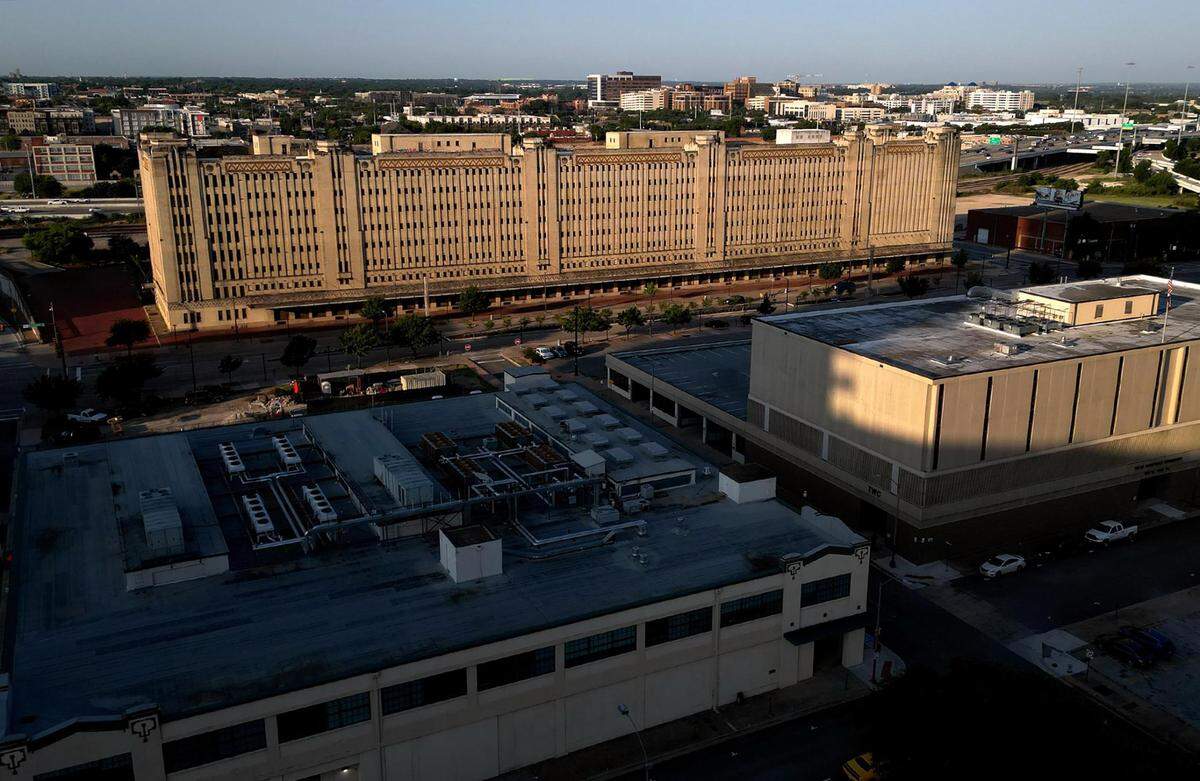
The shuttered building at West Lancaster and Jennings avenues has sat vacant for decades — and now the city is seeking to understand whether the building can be “reasonably rehabilitated.”
The city of Fort Worth’s Historic and Cultural Landmarks Commission will determine Sept. 11 whether the property at 401 W. Lancaster Ave. can be restored or revitalized.
The commission had originally intended to hear the case in mid-August, but it was tabled for a month.
.jpg "20135422_0 (1).jpg")
Downtown Fort Worth, Inc., the nonprofit planning organization, passed a formal resolution in July urging redevelopment of the shuttered warehouse, built in 1931 on the south end of downtown.
Fort Worth city officials began conducting a structural inspection of the eight-story property in March. An engineering firm, Frank W. Neal and Associates, recommended in June more than $2 million in structural repairs after several code violations and decades of neglect.
Structural repair costs would only address health and safety standards and are separate from any unknown costs of renovations to revitalize the building.
“The T&P Warehouse is an important historic asset and its restoration and redevelopment are long overdue — so much so that the building’s continuing deterioration is cause for great concern,” Andy Taft, president of Downtown Fort Worth Inc., told the Star-Telegram in July. “The city is right to elevate the condition of the building as a civic priority, and we are supportive of anything the city can do to advance this building’s productive return.”
While the T&P Warehouse sits vacant, new development is booming nearby in what’s known as the Downtown Lancaster Corridor.
Over the years, the T&P Warehouse owner has touted plans for redevelopment, but none have come to fruition.
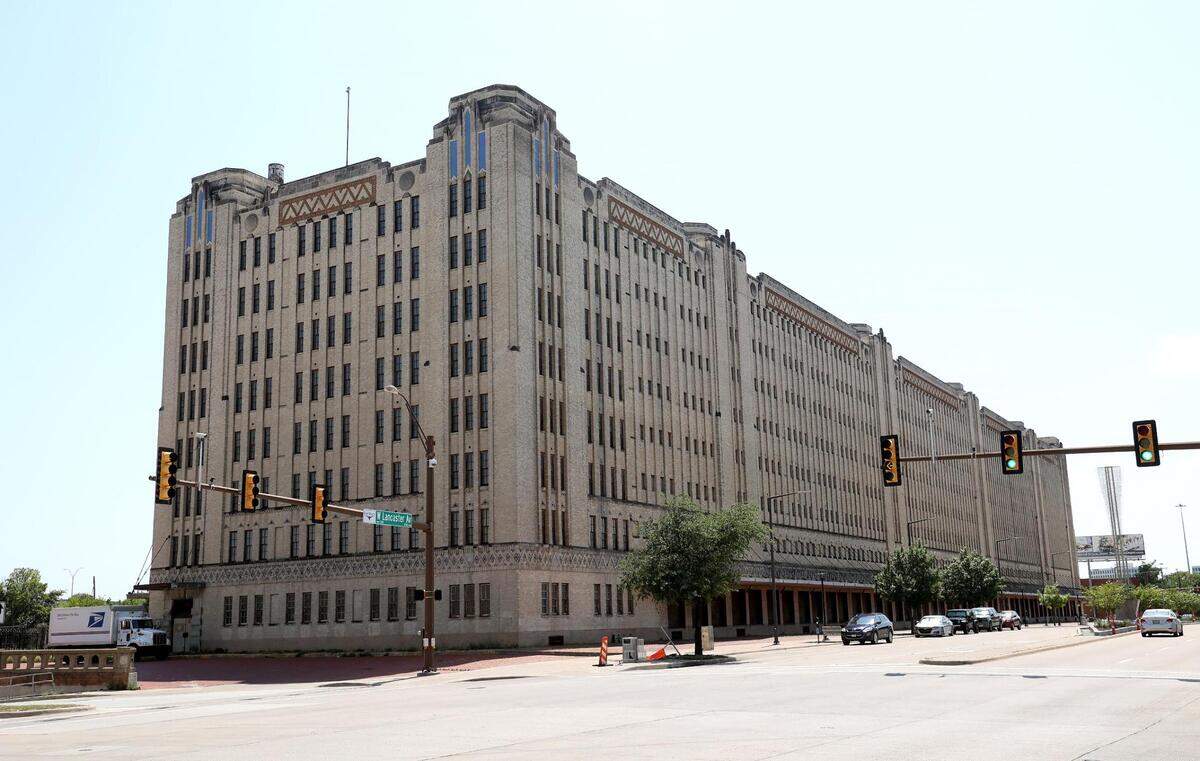
Tom Hanley, a retired real estate auctioneer, worked in the T&P Warehouse in the late 1970s and early ‘80s with Eaton Corp. To his knowledge, the company was one of the last to occupy the warehouse before it eventually shuttered.
Even in the early 1980s, the warehouse was an “old building way past its prime” and described the property as “functionally obsolete,” Hanley told the Star-Telegram.
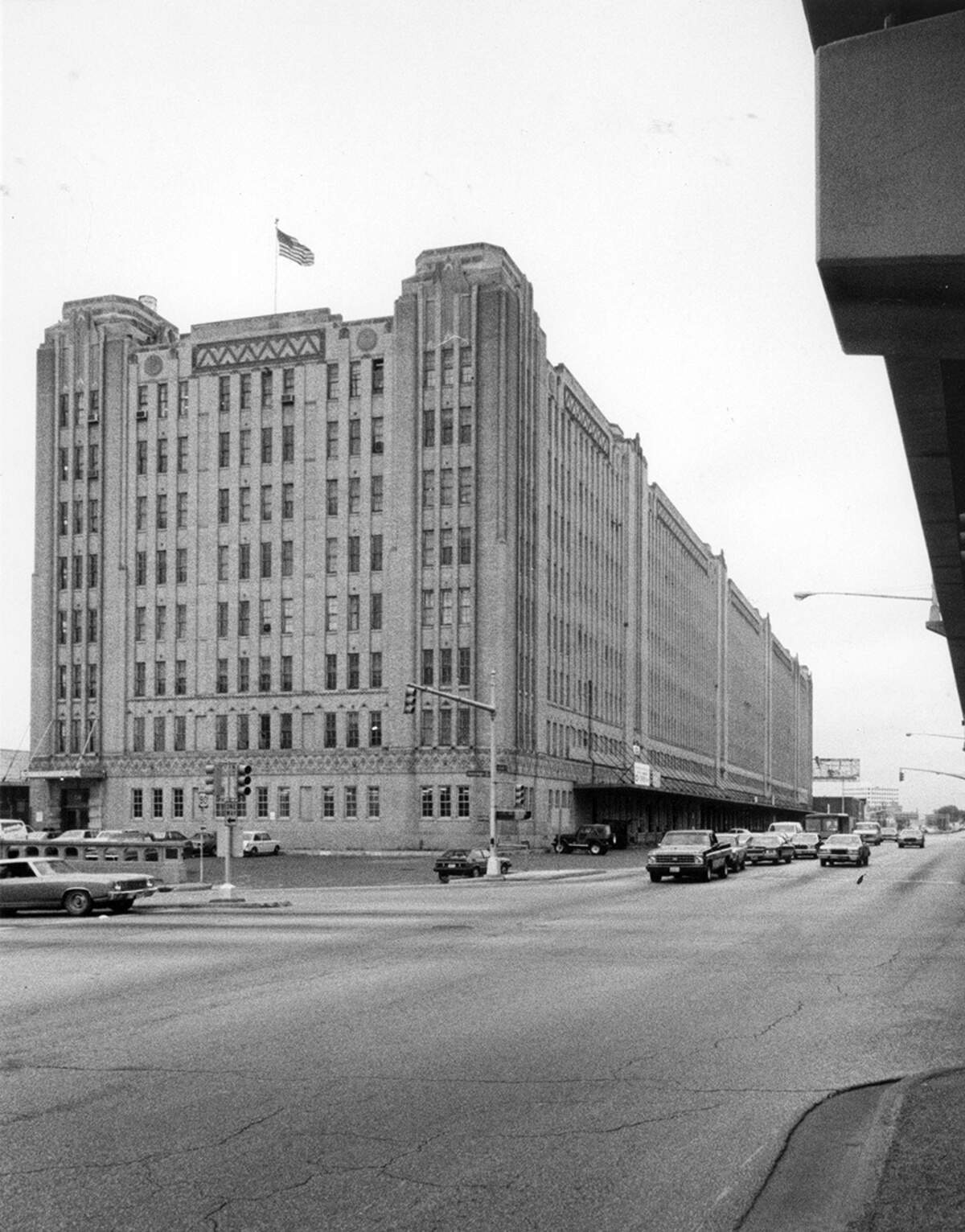
“Nearly 90% of the building was unoccupied and just hanging by a thread in terms of functionality,” Hanley said. “Here it is 43 years later, and it’s even more nonfunctional.”
Hanley recalls the freight elevators occasionally falling from the seventh floor, where he worked.
“The one warehouseman that was still with the property would fall with it, and it was pretty crazy,” Hanley said. “Some of our warehousemen were in the elevators when they fell. The property owner at the time just wasn’t maintaining it.”
Hanley also said elevators at the time were “antiquated” and workers had to be careful getting on and off of them to not get their clothes caught in the doors.
“It was pretty dangerous,” Hanley said. “Those were the days when OSHA was still in its infancy.”
Hanley said he was fresh out of college at the time and wasn’t in the mindset to make a complaint, but he looks back and realizes now something should have been done to solve the issues.
This story was originally published August 29, 2023 at 2:20 PM.