
Construction to begin on major redevelopment of historic Fort Worth Stockyards site
READ MORE
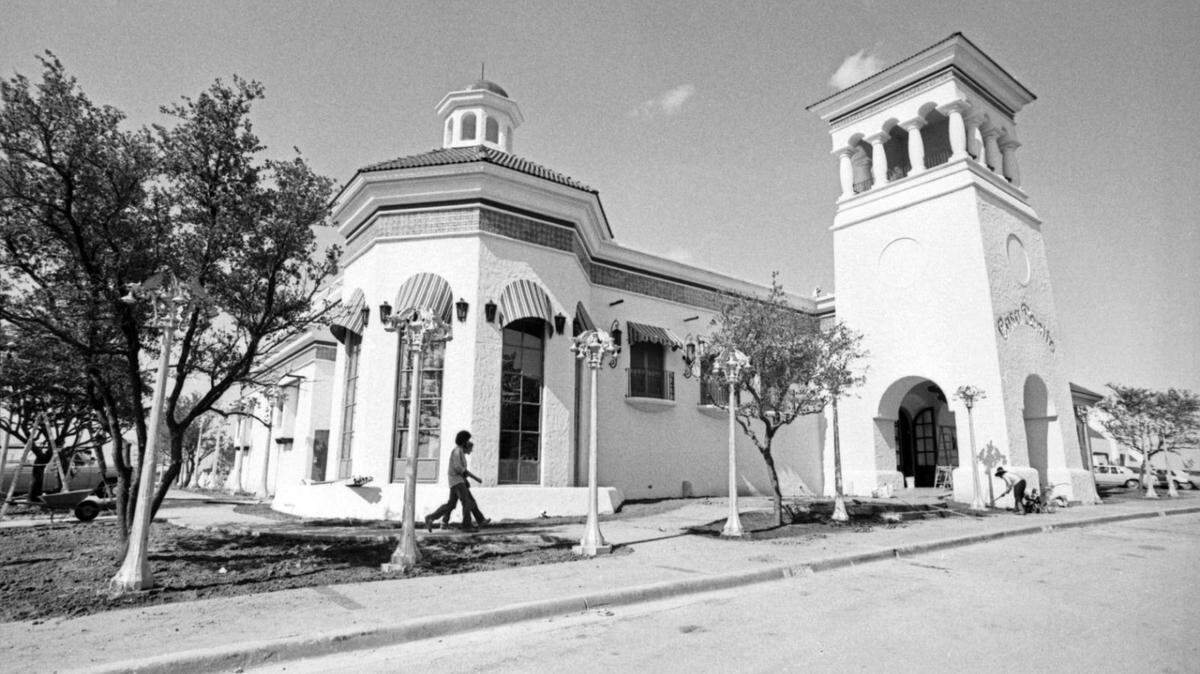
PHOTOS: Remember Casa Bonita?
How many of these popular restaurants do you recognize from 1940s to 1990s?
[UPDATE: Energy firm reveals plans for Armour building in Stockyards]
Construction to redevelop one of the last remaining industrial buildings in the Fort Worth Stockyards is expected to begin soon.
The abandoned red-brick Armour & Co. Packing Plant on the east end of Exchange Avenue will be converted into office space for what could become an adjacent apartment complex.
Construction on the Armour building will begin in August and take nearly a year, according to filings with the Texas Department of Licensing and Regulation. Renovations will include new elevators and stairs, exterior brick and roofing repairs and other site work for the more than 70-year-old building at 601 E. Exchange Ave. At more than 50,000 square feet, the project is expected to cost $8 million.
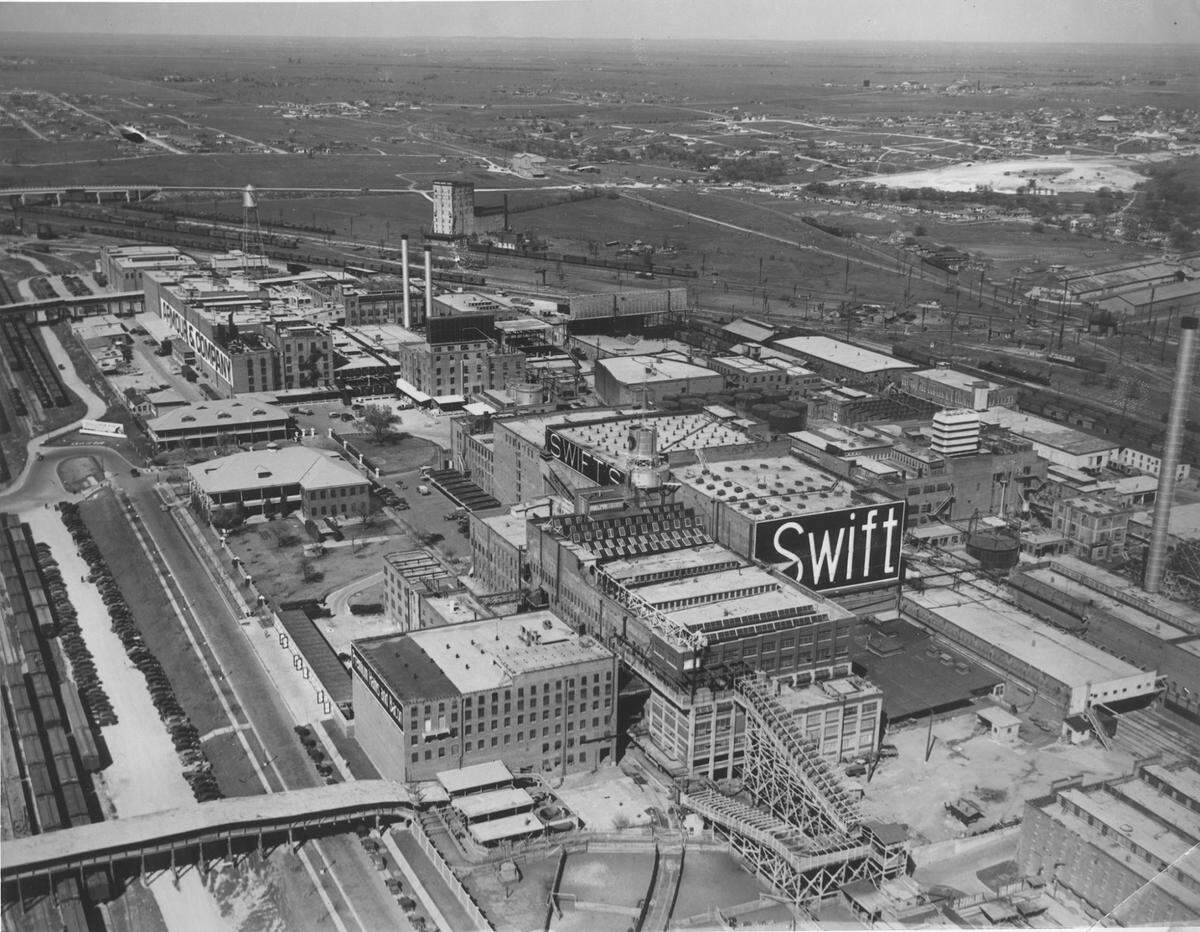
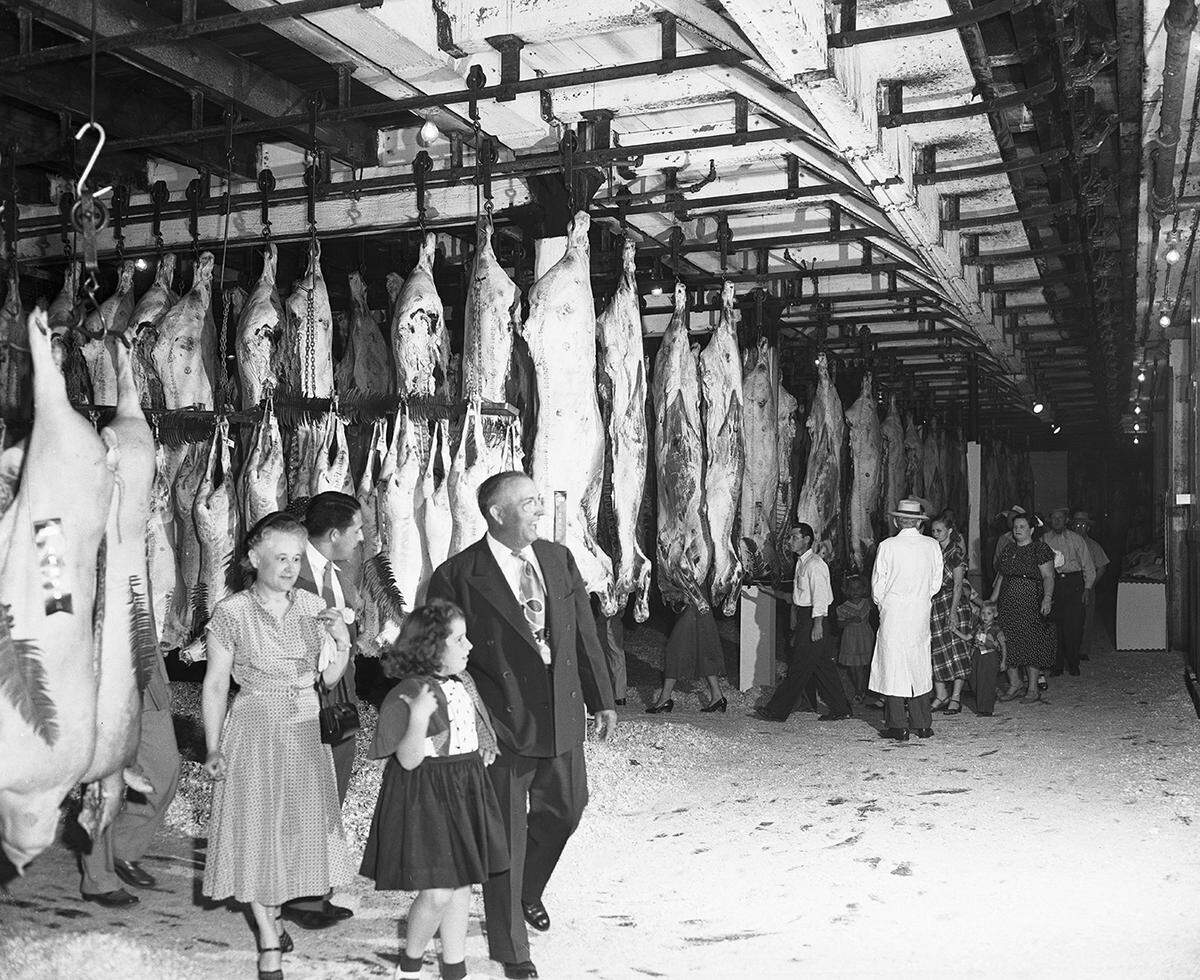
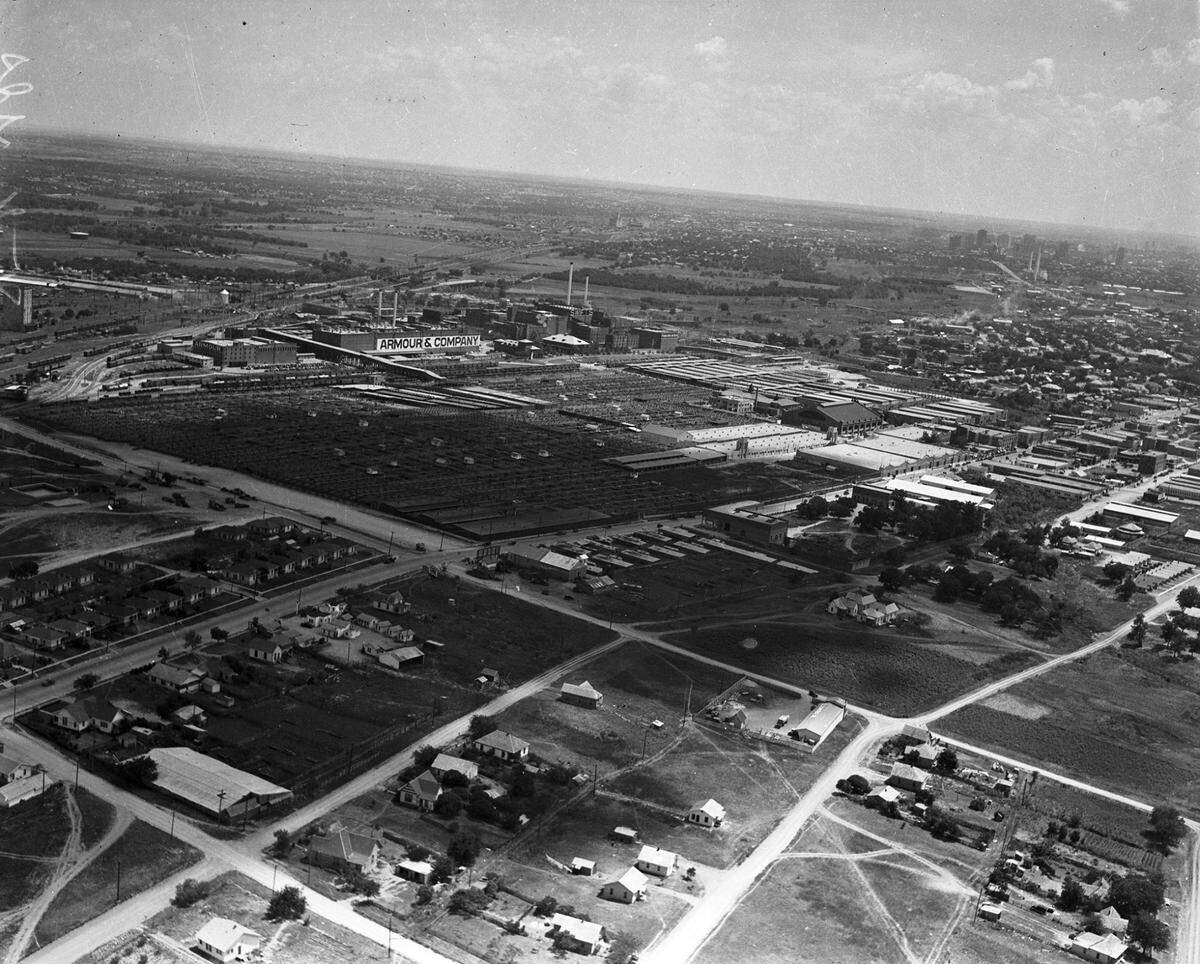
The Armour meatpacking plant opened with eight buildings in 1903 alongside the Swift & Co. plant. More buildings were added throughout the 1950s, including the 601 E. Exchange Ave. property.
After the Armour plant closed in 1962, Bunge Edible Oil refined soybean and corn oil there for more than 30 years. In 2012, all of the buildings were demolished, except 601 E. Exchange Ave. Most of the land is empty between the east end of the Stockyards and railroad tracks.
Last year, developers proposed an 825-unit apartment complex for the roughly 19 acres of available land adjacent to the building between Packers Street and the tracks. But as apartment development booms across Fort Worth, the project has faced some controversy from nearby business owners and city officials.
Fort Worth City Council member Carlos Flores told the Star-Telegram in October a large number of apartments packed into the east end of the Stockyards could cause traffic jams.
Robert Boling, a spokesperson for food and clothing store Texas Hot Stuff, previously said he fears a residential project of its scale would stick out given the district’s long-preserved historical value.
In response, the Fort Worth City Council decided in December that apartments will no longer be allowed east of Packers Street and Niles City Boulevard without a zoning change.
It is unclear how the city’s decision will affect plans for the apartment complex. The project developer, San Antonio-based Kairoi Residential, did not make available a representative for an interview for this story.
Kairoi Residential has a portfolio of developments across the country with more than $6.3 billion in transactions since 2003.
Proposals for the Stockyards project from last year featured five-story apartment buildings with an outdoor courtyard, a fourth-floor sky lounge and fitness center.
This is not the first time developers have looked at transforming the historic Armour property. In 2017, the Fort Worth City Council approved $1 million in incentives to turn the former plant into a $21 million, four-star Armour Hotel with 120 rooms.
That project never came to fruition, but in 2021 the Hotel Drover opened along the redeveloped Mule Alley with new shops and restaurants off Exchange Avenue.
This story was originally published July 17, 2023 at 10:19 AM.

.jpg)