Why are gas prices so high in Texas? Will we see $4 gas? Here’s what’s driving the surge
Texas gas prices have skyrocketed 44% in the past year, to 99 cents more per gallon on average across the state.
A year ago, Texans paid $2.23 per gallon to fill up, on average. As of Feb. 17, the average price of gas in Texas was $3.22.
Though Texas still has the sixth lowest gas prices in the nation, they are continuing to climb.
The last time gas prices were about this high was October 2014, when the state average was $3.15. Currently, El Paso has the highest at $3.51 a gallon, and Amarillo has the lowest at $3.09.
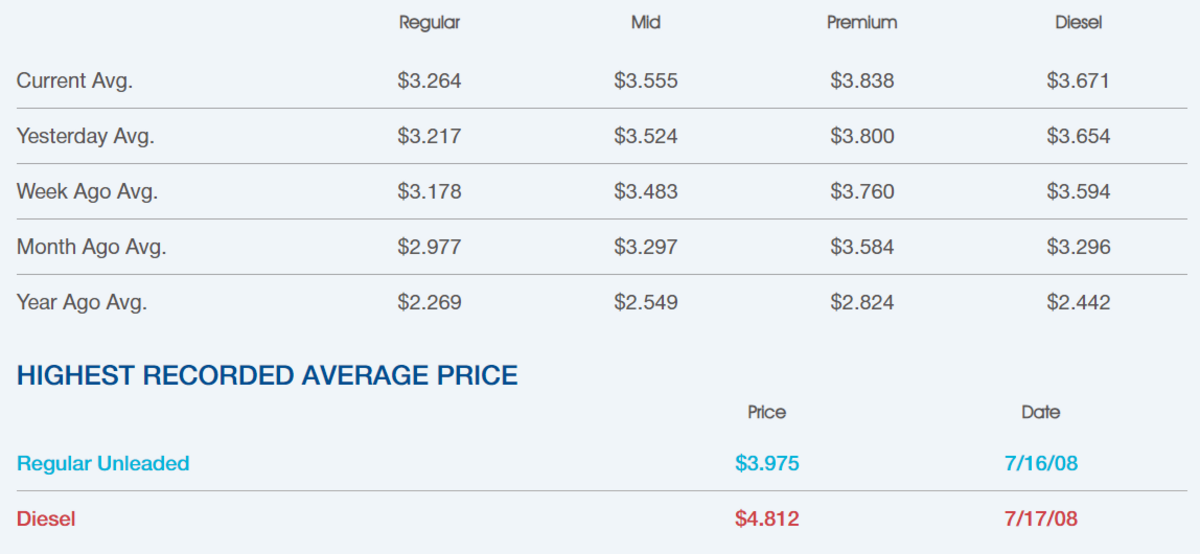
In Tarrant County, the average price of gas was $3.29, which is moderately high compared with other counties, according to AAA Texas. Of the major metropolitan areas in Texas, Fort Worth-Arlington had the seventh highest prices. The record in the area was $3.98 during the Great Recession in July 2008.
But what does it all mean, and why are we paying more at the pump?
We spoke with experts about why gas prices are rising in Texas, who controls the prices, how it relates to inflation and when gas prices are expected to go down.
Why are gas prices rising in Texas?
It’s complicated.
“Anything can change when it comes to gas prices,” says AAA Texas spokesperson Daniel Armbruster. “There’s a lot of different variables that go into what we pay at the pump.”
Contributing factors
There are four factors that affect how much you pay at your gas station:
- The cost of crude oil: This is the primary driver, but more on that later.
- Refining costs and profits: Crude oil has to be refined down into gasoline, which determines part of the price.
- Distribution, marketing and retail dealer costs and profits: Retailers purchase wholesale gasoline, which is impacted by the cost of crude oil, and affects how much they sell gas for.
- Federal, state and local government taxes: Taxes can have a significant impact on the price of gasoline. In Texas, fuel has a 20-cent tax per gallon. In addition, there’s a federal government tax of 18.4 cents per gallon.
Winter weather, geopolitical tension and the pandemic have all led to more expensive oil.
Cold weather
Demand for crude oil products, including motor fuel and heating oil, has driven up prices. The price of oil was $93.55 per barrel at the time of this report, compared with about $60 a year ago.
Frigid weather across the U.S increased the demand for heating oil.
Pandemic
Americans’ return to offices and schools has increased the demand for motor fuel. Gasoline demand is up 16% from the year before. When gasoline demand increases, that generally results in higher prices.
“The pandemic greatly changed the landscape of supply and demand,” said Patrick De Haan, head of petroleum analysis at GasBuddy. “Pre-COVID, everything was balanced, prices were relatively low. But then the pandemic hit, and Americans parked their cars for a good portion of 2020, enough that demand for oil plummeted and oil companies were forced to react. They made long-term decisions to cut oil production, to let workers go and demand rebounded much faster than they could have anticipated.”
We’re seeing a high year-over-year percentage change because gas prices were lower than usual in the pandemic’s early days, when Americans drove less and demand for fuel declined, experts say.
“One of the reasons that we’re seeing the large increase in price change is because 2020 was a very unusual year in terms of gas prices, our average gas price fell below $2 and it stayed below $2 for most of the year,” said Julie Percival, a Dallas regional economist at the U.S. Bureau of Labor Statistics.
Geopolitical tensions
Prices climb when oil supplies are threatened. If major oil-producing countries continue to produce a lot of oil, the supply will be high, and gas prices will decrease. On the other hand, war or conflict can threaten crude inventories, causing gas prices to soar.
Russia’s crude exports are affected by its ongoing conflict with Ukraine. Concerns that Russia could invade Ukraine, and that Russia could react to sanctions by withholding crude from the global market, have pushed oil prices upward. Russia produces about 10% of global oil supply.
“The concern in the financial markets, which of course drive the price of crude, is that Russia being an OPEC member could pull some or all of their supply off the global market, which would then just further cause the price of crude oil to go up, and then it would cause gasoline prices to go up,” Armbruster said.
Another development that market watchers are monitoring is the potential end of sanctions on Iran. If those sanctions are lifted, analysts anticipate that Iran could quickly bring 500,000 barrels per day of crude oil to market, which could decrease oil prices, or at least slow the incline of prices.
Supply and demand
In simple terms, it all comes down to supply and demand. Currently, there’s more demand than supply.
“Demand for oil is surging, and there’s not enough sellers in the market and producers,” De Haan said. “Oil production continues to fall behind.”
Who controls gas prices?
Not to get philosophical, but no one, and everyone, controls gas prices.
Nobody ultimately has control to determine prices — they’re determined by the free market, which is based on supply and demand. So, the price depends on buyers and sellers in the market.
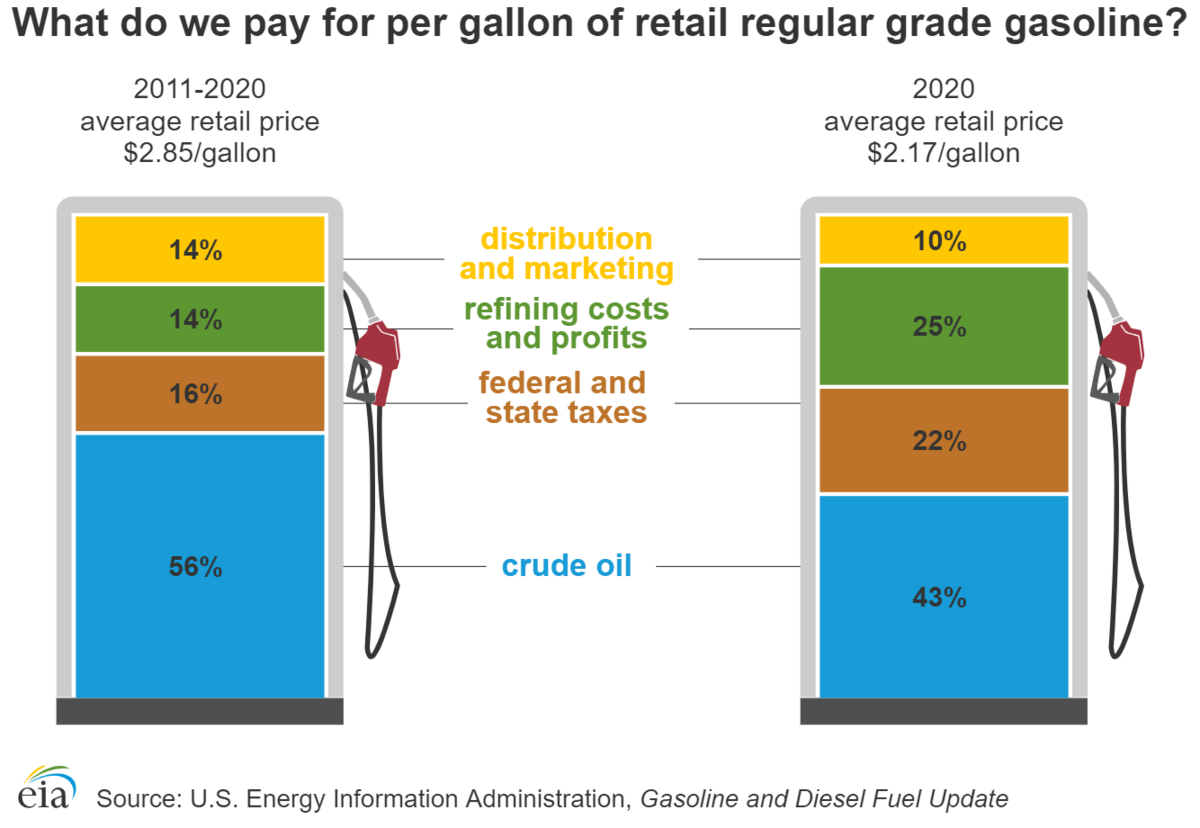
In Texas, individual gas stations set the price of gas based on their own business model. The price reflects local market conditions, including the gas station’s location and the marketing strategy of the station owner. Stations can have different traffic patterns, rent and sources of supply that affect their prices. The cost of doing business includes wages and salaries, benefits, equipment, lease or rent payments, insurance, overhead and state and local fees. The number and location of competitors can also affect prices.
“They get to choose how much they sell for based on what they bought, but they don’t get to determine the price that they get to pay,” De Haan said.
What does inflation have to do with gas prices?
We’re paying more for everything, and gas is no exception.
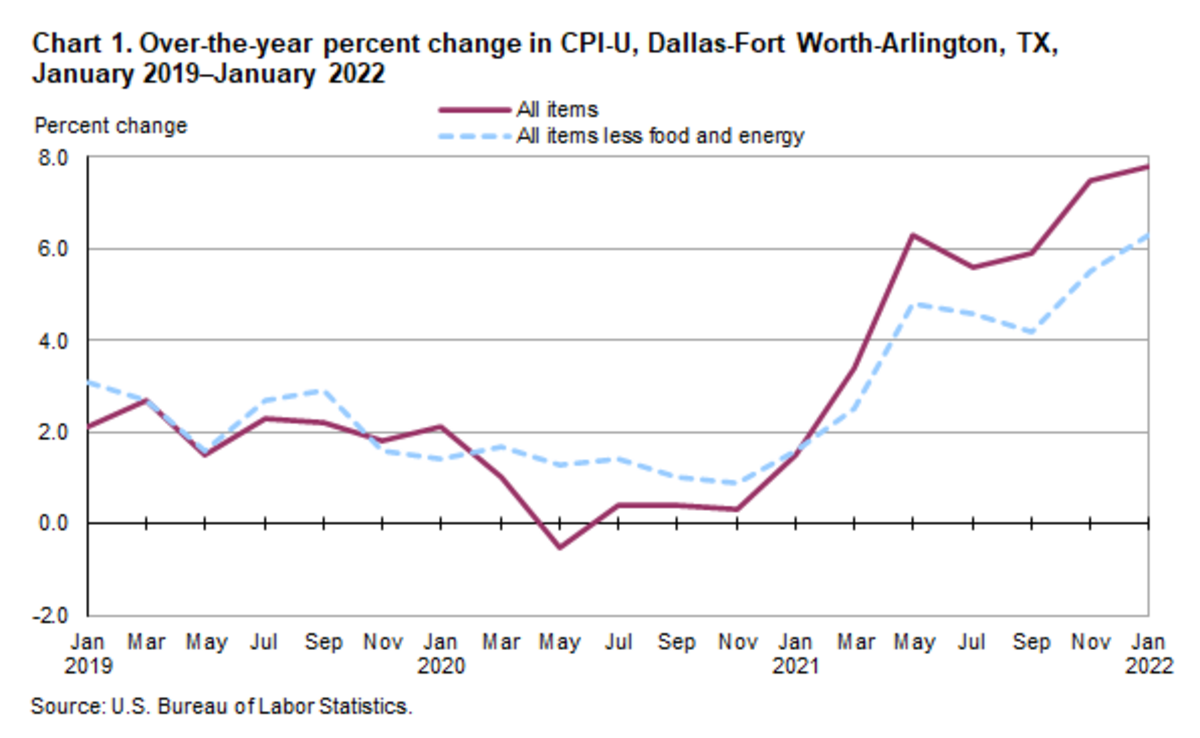
Dallas-Fort Worth’s overall prices have increased by 7.8% over the past year, according to the U.S. Bureau of Labor Statistics Consumer Price Index. This rise was largely due to higher prices for gasoline, though food, cars, medical care and housing also saw spikes.
“It’s like with any other goods — an increase in the cost of production and increase in transportation costs — those are all things that can affect any number of goods,” Percival said.
When will gas prices go down? Will we see $4 gas in Texas?
Short-term
Bad news: Gas prices will continue to rise in the short-term, experts say.
De Haan estimates that we could see a 25- to 75-cent increase by Memorial Day.
“For gas prices to go the other direction, oil prices would have to continue to drop, and they would have to stay down,” Armbruster said. “At this point, it doesn’t look like they’re going to reverse course and get cheaper.”
There would have to be more supply than demand to make gas prices decline.
Will they exceed the previous record gas prices set in 2008?
There’s a strong possibility that the national gas average could hit the $4 mark, only 50 cents from the current average. That all depends on the various factors at play, like seasonal surges (gas prices increase in the spring and summer), the future of the pandemic and political tensions.
“We could reach record high prices this year if we get a combination of those factors,” De Haan said. “There is the possibility that we could exceed the previous record.”
Long-term
These estimates are more optimistic.
Nationwide gasoline prices will average $2.84 in 2023, the U.S. Energy Information Administration projects, compared with $3.52 today. The decline reflects the expectation of falling crude oil prices, particularly in the second half of 2022, as well as lower refining margins as refineries increase their rate of production in the coming months.
This story was originally published February 17, 2022 at 3:00 PM.