Coronavirus tests begin at Arlington retirement center where man died of COVID-19
COVID-19 tests are beginning for the staff and residents of the Texas Masonic Retirement Center in Arlington.
The testing was triggered by the March 15 death of Patrick James, who lived with his wife in a duplex at the retirement center. Test results on Tuesday confirmed he had COVID-19, the disease caused by the novel coronavirus.
A joint response team will be conducting the tests on center staff and residents to help mitigate the potential spread of the virus at the Masonic Retirement Center, according to a news release from the Arlington Fire Department.
The team will consist of medical responders from the Arlington Fire Department, the Texas Department of State Health Services and Tarrant County Public Health officials, the release said.
Preparations for the testing started Friday afternoon and were expected to be completed by Saturday, said Vinny Taneja, Tarrant County Public Health director.
“We will try to cover as many people as we can at that facility,” Taneja said.
Patrick James, 77, was admitted to Arlington Memorial Hospital on March 10 and was tested for the coronavirus on March 14, according to Shelley Brandt, his daughter-in-law. He died March 15 and his family found out Tuesday that he had tested positive for the coronavirus, Brandt told the Star-Telegram.
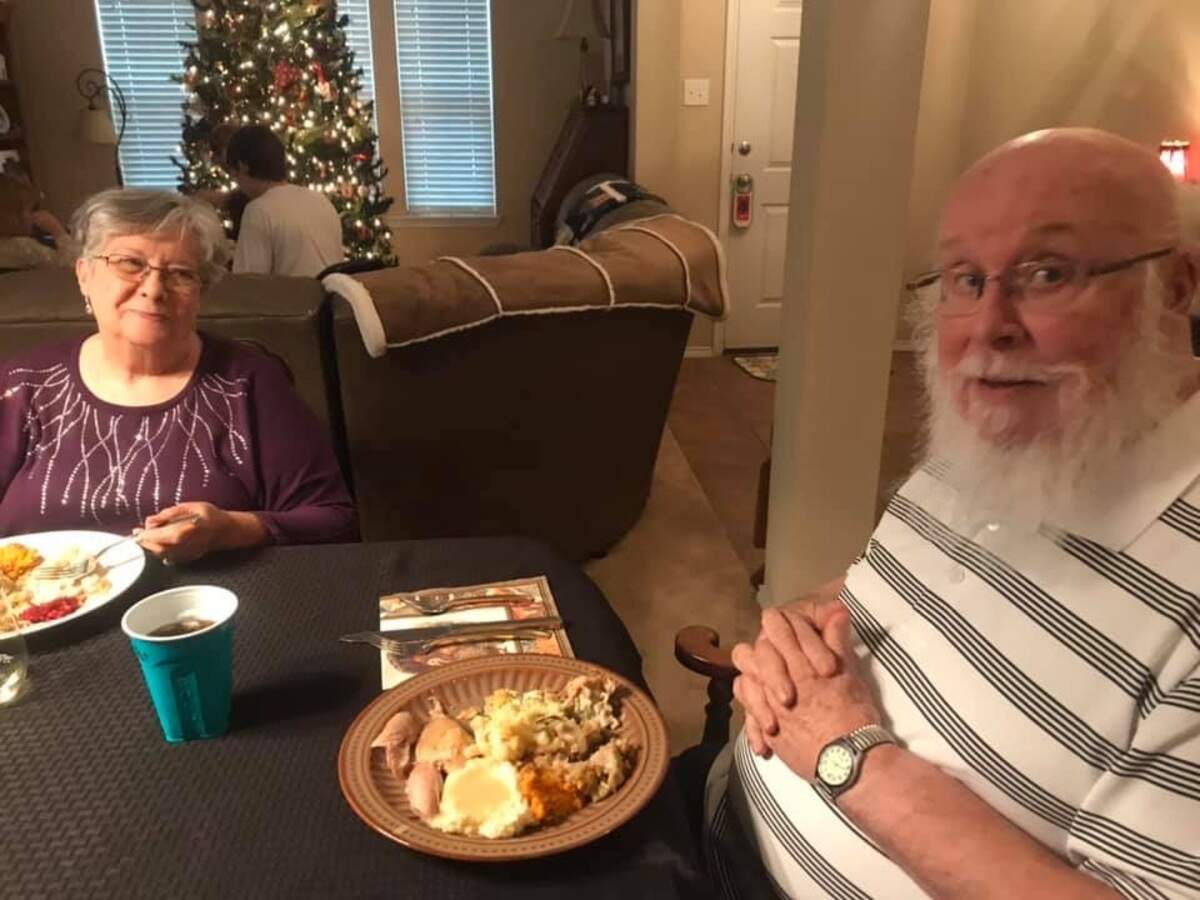
Patrick James had previously seen a doctor and believed he might be suffering with the flu, but tests for the flu and strep throat were negative, Brandt said. Patrick James was diagnosed with double pneumonia after being hospitalized, Brandt said. COVID-19 can lead to pneumonia.
“He passed away shortly after midnight on Sunday,” Brandt said.
While in the hospital, Patrick James was in isolation in the intensive care unit, she said. His wife, Jean James, has experienced symptoms but hasn’t needed to be hospitalized, she said.
Texas Gov. Greg Abbott on Wednesday announced that everyone at the Texas Masonic Retirement Center would be tested for the coronavirus. The Masonic Center houses 177 residents.
Jean James has self-quarantined at the couple’s Masonic Center duplex for about two weeks and has not gone anywhere or seen anyone, said Rhenda Gray, center spokeswoman.
“We know the test results will help ease the tension and uncertainty for all,” Gray said.
Residents have remained in isolation in their units since Patrick James’ diagnosis and will remain in isolation until the test results have been obtained, Gray said.
“There will be a full trace of all movement by anybody who had any contact with Patrick James or his wife, and they will all be tested,” Abbott said.
Gray said that the center had received 200 personal protective kits, which will be distributed to staff in order to keep them safe.
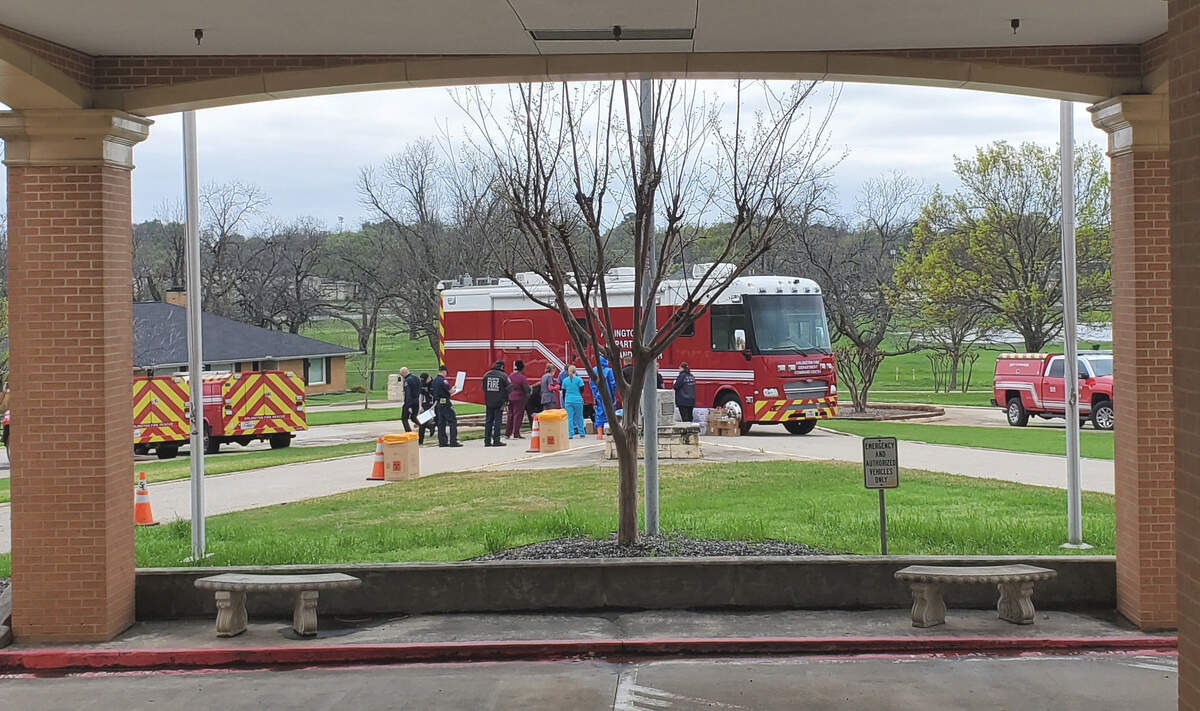
Some samples have already been taken at the center and some of the people tested were symptomatic, but it is too early to tell whether those residents had been infected with the novel coronavirus, according to Taneja.
The epidemiologists have also started the work of cataloging the James’ contacts to determine if they also need to be tested for the disease, Taneja said. That detective work will expand as the number of close contacts and people showing symptoms of COVID-19 increase, Taneja said.
Tarrant County services an area divided into 33 regions and has access to 18,000 kits that can be used to test for the coronavirus, Taneja said. When those test kits run out, the federal government has assured Tarrant County officials that the supply of test kits will be replenished, Taneja said.
But the real testing muscle will come from the private sector, Taneja said.
“Tarrant County was not designed for, it was never intended that Tarrant County have millions of tests,” Taneja said. “The commercial labs that have national networks will provide the bulk of the testing.”
Once the testing of the big commercial laboratories comes fully online, treating physicians will no longer have to strictly adhere to government testing criteria, Taneja said.
“Public health labs are not designed to do this kind of work,” Taneja said. “The criteria (limiting who can be tested) apply when public health labs are used to do a test. Those criteria do not apply to commercial labs or hospital system labs.”
This story was originally published March 20, 2020 at 2:20 PM.