This week’s North Texas weather highlights the problem with hardiness zone map
While this week’s weather is still thawing out in my mind, I thought I’d share something that has been bothering me for many years.
The older I get, the more confusing the U.S.D.A. Hardiness Zone maps seem to become. I figured if I’m confused, many other Texas gardeners probably are as well. So, I did a little searching, and I did a lot of thinking. Here’s my explanation. I hope it makes sense to us all.
The United States Department of Agriculture, through the work of Henry T. Skinner, introduced Misc. Publication No. 814 in 1960. It was an attempt to establish a standardized map showing the average annual extreme minimum temperature for each county in America. Put in simpler words, how cold could it be expected to go in any given location based on a many-year average? All other weather factors were put aside, including duration of cold, wind, precipitation, etc.
After all the counties were plotted, it became a matter of connecting the dots and establishing the Zones. The map began with the coldest area. It was (and still is):
Zone 1 below minus 50F
Zone 2 minus 40 to minus 50F
Zone 3 minus 30 to minus 40F
Zone 4 minus 20 to minus 30F
Zone 5 minus 10 to minus 20F
Zone 6 0 to minus 10F
Zone 7 0 to 10F
Zone 8 10 to 20F
Zone 9 20 to 30F
Zone 10 30 to 40F
Zone 11 40 to 50F
Subsequently 5-degree increments were built into the Zones. The “a” portion would be the colder area. As example, Zone 8a could expect to drop to 10-15 degrees each winter, but Zone 8b would be 15-20 degrees.
Problem with DFW zone in USDA Plant Hardiness Zone Map
Using the 2023 USDA Plant Hardiness Zone Map available online and searching ZIP Codes in and around Fort Worth/Dallas, I find that all of them are listed as Zone 8b, and I have a major problem with that.
I’ve lived and gardened in North Central Texas since 1970. I’ve been through four of these Zone map updates, and initially we were listed as Zone 7. Those maps forecast that we could expect temperatures to fall into single digits most winters. If we bought plants that were winter hardy to Zone 7, we’d have a reasonable expectation that they would survive here. That was perfect.
The 1990 map was still pretty accurate. It still showed us to be in Zone 7. But when an update was published in 2014, it showed Zone 8 to have migrated several counties north, all the way to the Red River. The 2023 update still shows us to be in Zone 8.
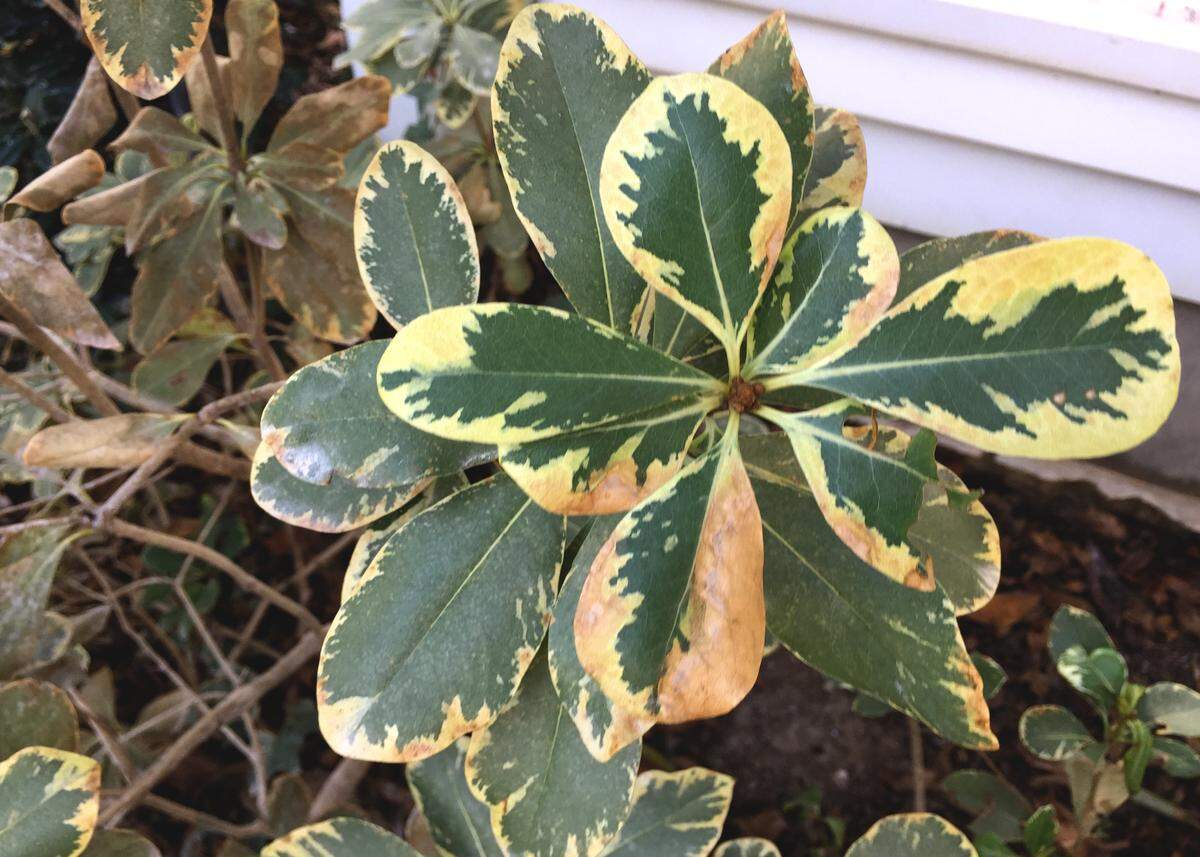
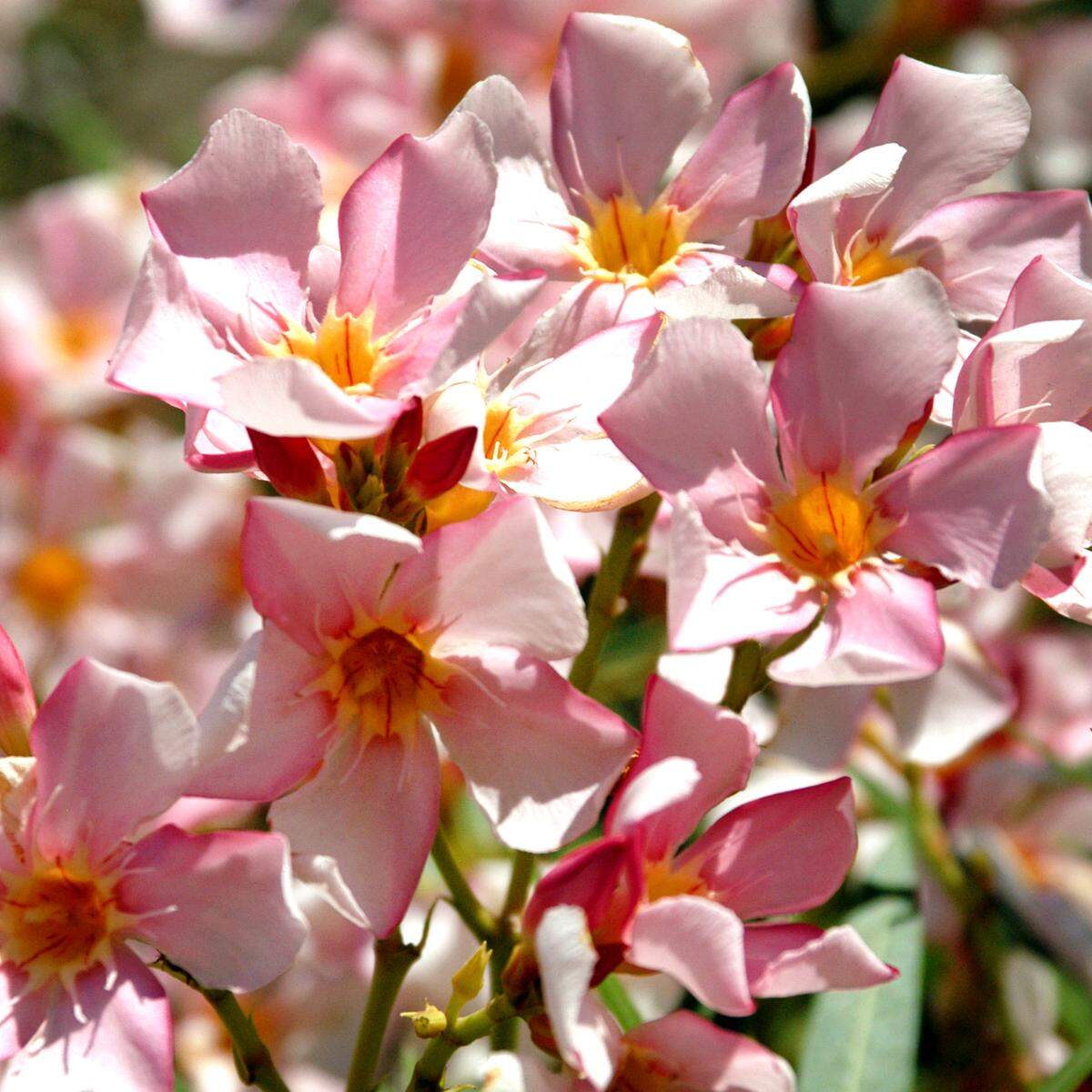
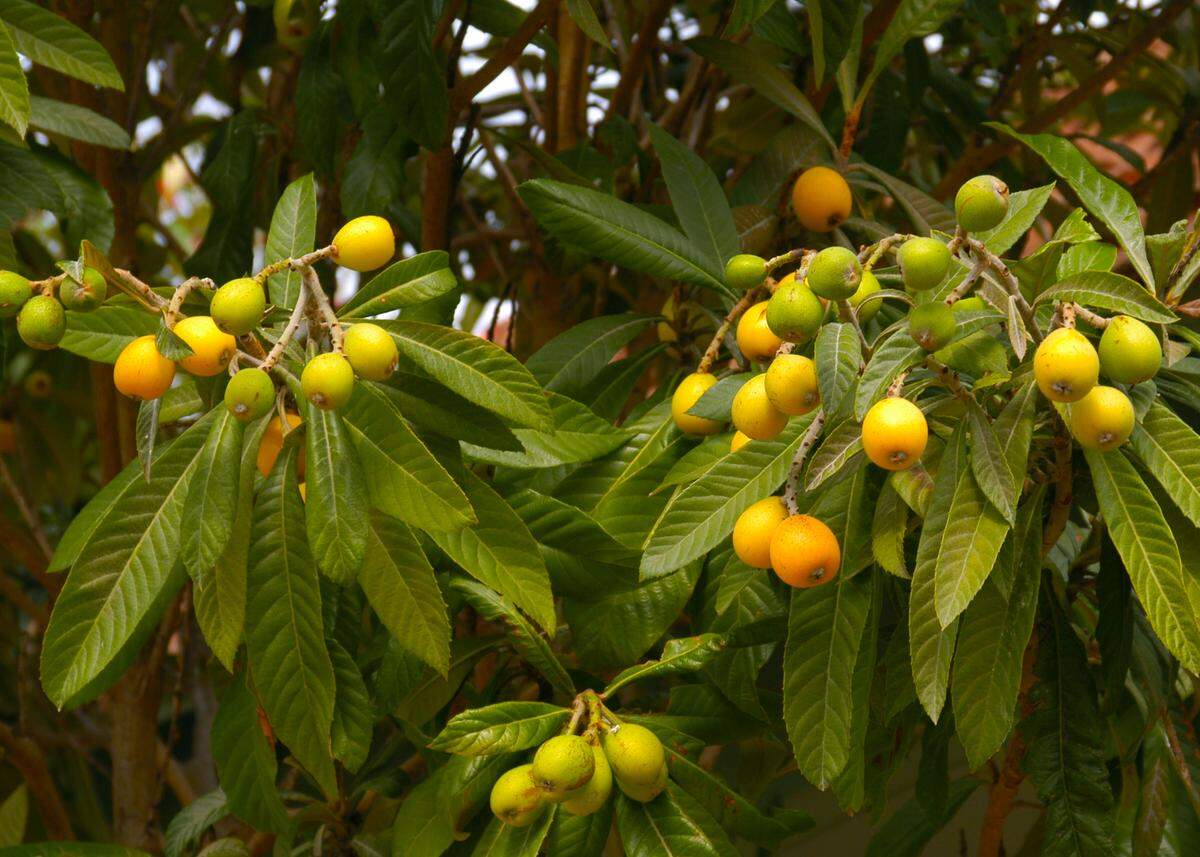
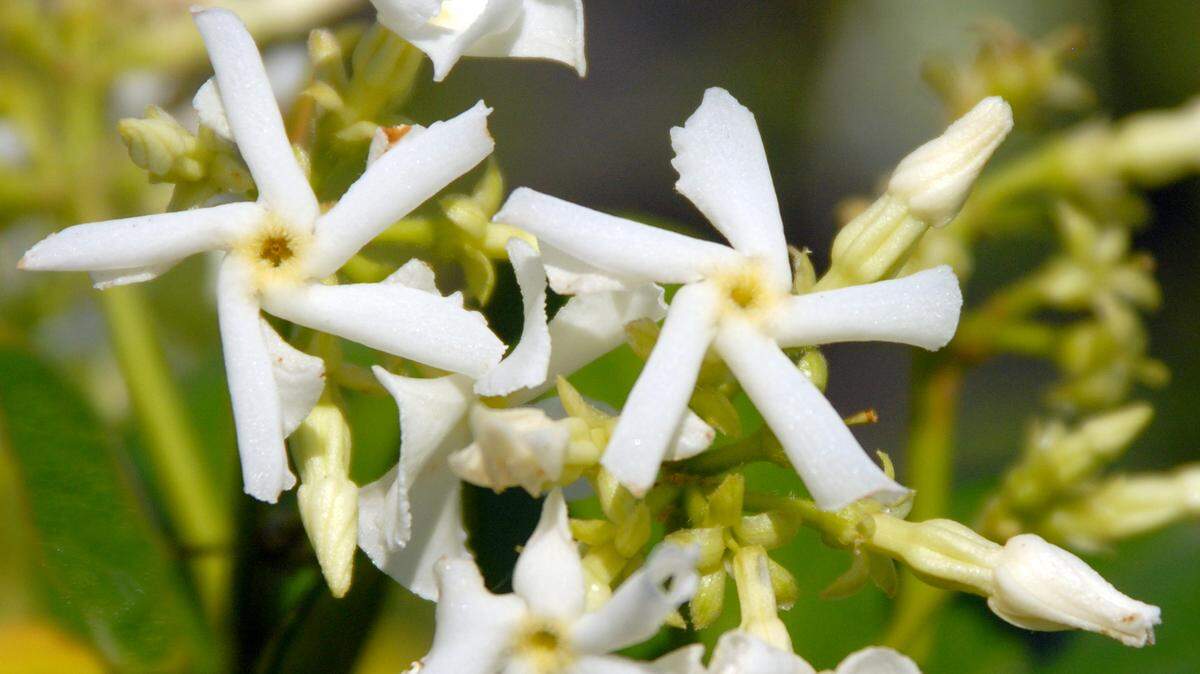
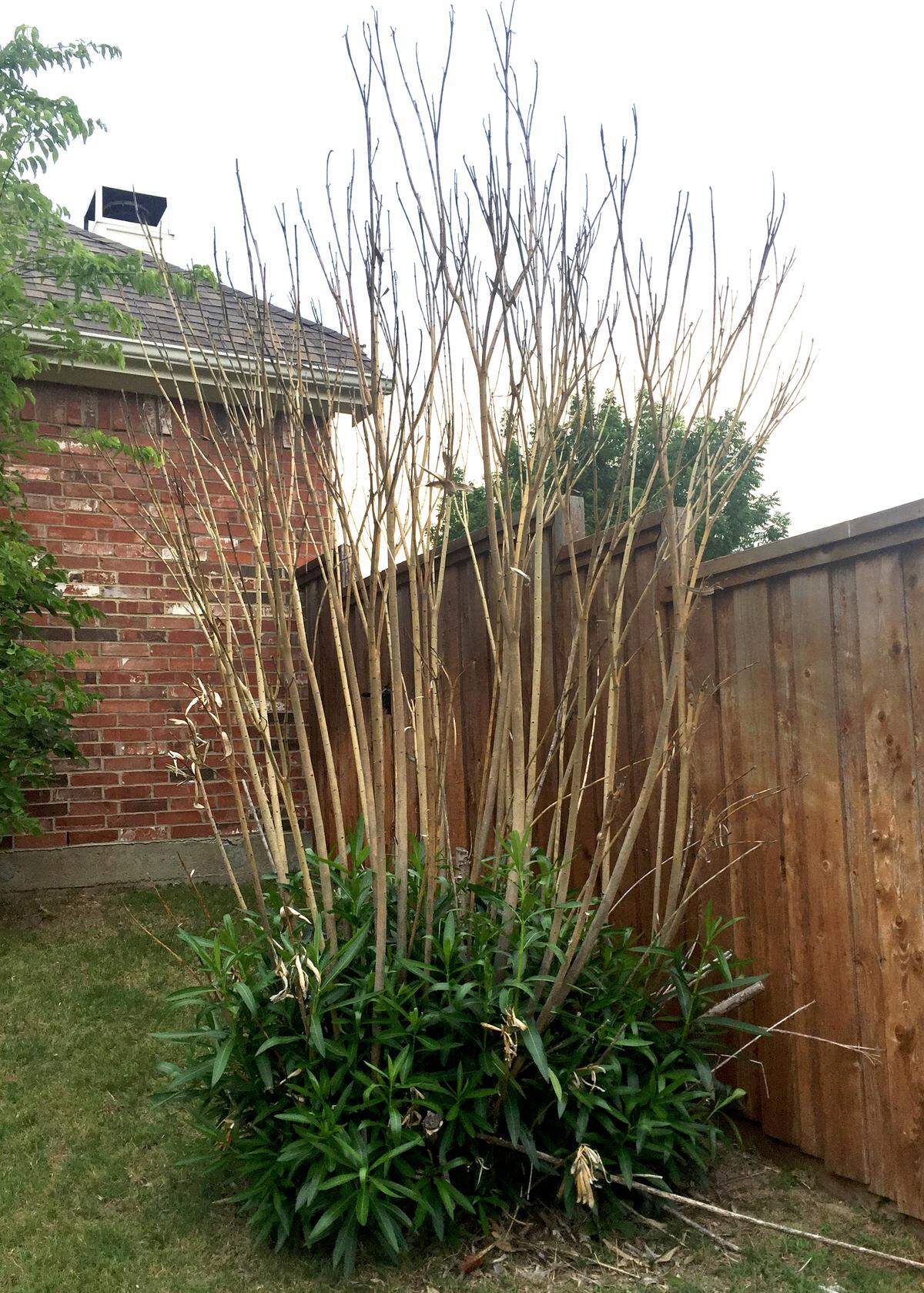
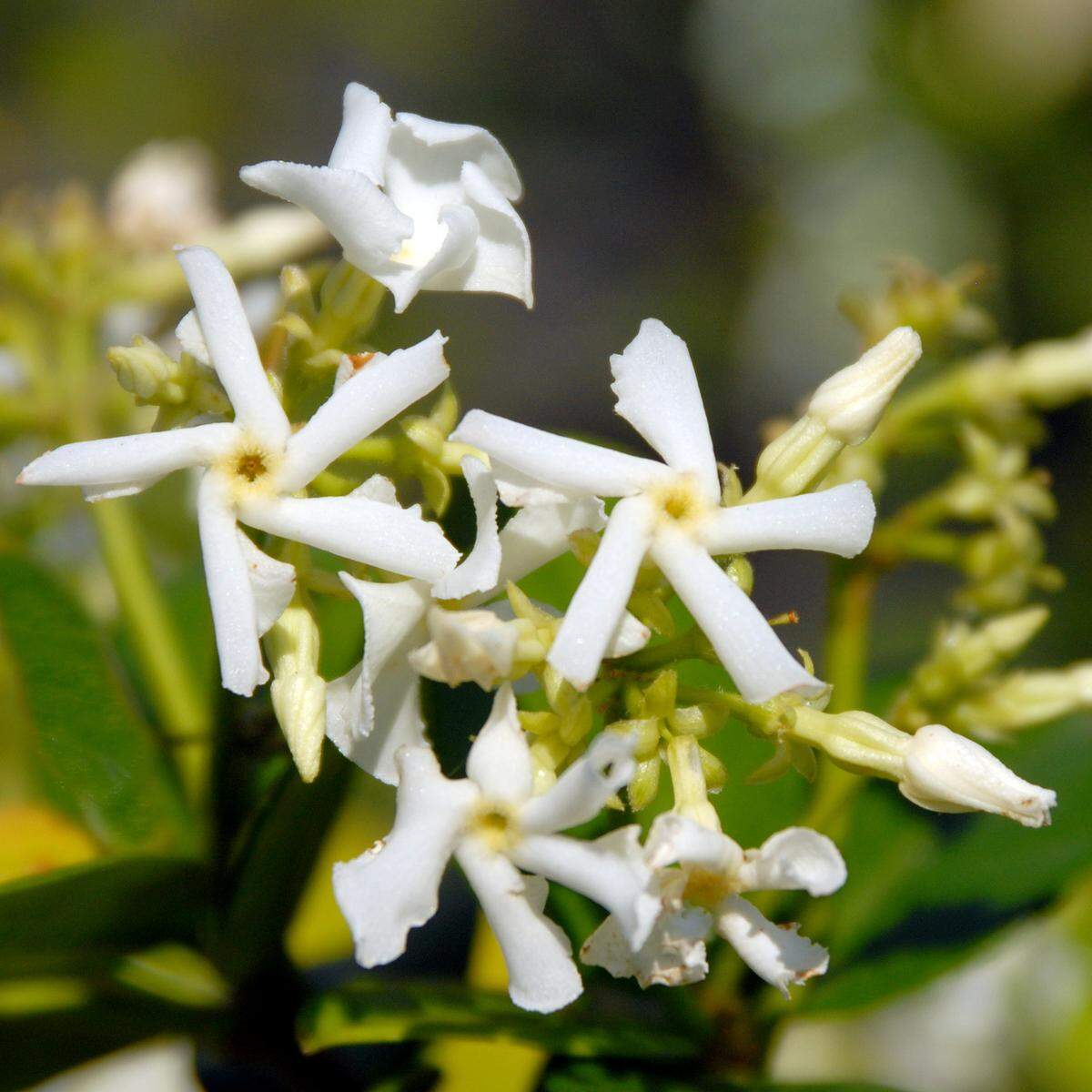
Let me list just a few plants that should be “hardy” to Zone 8 temperatures. If we are Zone 8, you should have been able to grow these. If you have, you tell me how well they’ve fared for you on a several-year basis. That list will include pittosporum, oleander, Confederate star jasmine, loquat, gardenia, sago palm, and climbing fig ivy. Unless you have a very protected location, each of those plants will be lucky to survive more than a couple of winters out in the ground here.
How can USDA plant zone maps be so far off?
Meteorologists have access to incredible data. Weather forecasting has never been more accurate. How could these maps be skewed this far off target? I have a theory, and others seem to agree.
Following the 1990 Hardiness Zone Map update we had a series of mild winters — very few record setters. Since the maps only dated back as far as 1960, the sample size was comparatively small, and it didn’t take a huge number of mild winters to influence the averages. Call it “global warming” if you wish, it was an identifiable change in our Texas weather patterns.
However, in more recent winters the bottom has dropped out. We’ve had cold spells in 2011, 2014, and who can forget the minus 2 back in 2021? We’ve had several years when our temperatures dropped well into the single digits.
Other factors in the maps
These maps have always been designed to help farmers, ranchers, nurserymen, and other ag-related workers predict the depth of cold spells they might expect — nothing more. They do not address soil moisture levels, wind, sunlight exposure, and freeze-thaw cycles, duration of the cold spells, or prior hardening of the plants. Those are all critical issues when it comes to plant survival through our winters.
But it all begins with a plant’s basic hardiness to the area in which we’re going to grow it. If you live in North Central Texas — from the Red River south way past Waco, you’d better lean most heavily on plants hardy to Zone 7 or colder. Those Zone 8 plants will break your heart, probably sooner rather than later. Limit your uses of them to those you can afford to lose — as soon as the next really bad cold spell.