
50 unique baby names that mean flower for your blossoming little bud
Roses are red. Violets are blue. We love flower names, what about you?
We can assume a lot of people feel the same way about names that mean flower by looking at data from the U.S. Social Security Administration (SSA).
For example, the name Violet, which refers to both the color and flower, was the 16th most popular girl’s name in the United States in 2023 when it was given to 6,342 baby girls.
Violeta and Violette also ranked inside the SSA’s top 1,000 that year.
Perhaps the name Lily is a better example. It was the 20th most popular girl’s name with 6,146 recorded births in 2023, but that’s just the start of it.
Lillian (No. 55), Liliana (No. 88), Lilah (No. 198), Lila (No. 213), Lilith (No. 232), Lilly (No. 257), Lilliana (No. 376), Lilian (No. 558), Lillie (No. 699), Lilianna (No. 875), Lilyana (No. 899) and Lilia (No. 957) also cracked the top 1,000.
But with so many names related to Lily and Violet, parents today are looking to challenge conventions and deviate from the norm.
Names like Blossom are becoming more popular, while names like Chloris, the Greek goddess of flowers, offer a unique spin on baby names that mean flower.
Let’s explore some other, lesser-known names that mean flower for your future son or daughter.
Names that mean flower in other languages

A lot of the names below are extremely rare and may be unrecognizable to some.
For example, the name Susanna is one of the most recognizable names that mean flower. It comes from the Hebrew name Shoshanna and is derived from the Hebrew word shoshan, meaning “lily” or “rose.”
Though recognizable, Susanna hasn’t cracked the SSA’s top 1,000 since 1997 — meaning it’s oddly rare.
Leilani, which is derived from the Hawaiian words lei, meaning “flowers,” and lani, meaning “heaven,” is a little more popular, ranking as the 61st most popular girl’s name in 2023.
Here are some other unique baby names that mean flower in other languages.
30. Anthea

Origin: Anthea is of Greek origin.
Meaning: The name Anthea comes from the Greek name Antheia and is derived from the Greek word anthos, meaning “flower” or “blossom.” In Greek mythology, Antheia is an epithet of Hera and serves as one of the Charites, or Graces.
Similar-sounding names: Anastasia, Althea, Alethea, Amara, Athena, Andrea, Andrina, Antonia, Annora, Ariadne
29. Ayanna

Origin: Ayanna is of unknown origin.
Meaning: The meaning of Ayanna is uncertain, but Chief Osuntoki translated it as “beautiful flower” in his 1970 book “The Book of African Names.”
Similar-sounding names: Aiyana, Arianna, Anaya, Aanya, Ayla, Alanna, Amiyah, Aviana, Ayva, Alayna
28. Chrysanthos

Origin: Chrysanthos is of Greek origin.
Meaning: The name Chrysanthos is derived from the Greek elements chryseos, meaning “golden,” and anthos, meaning “flower.” Therefore, it means “golden flower.”
Similar-sounding names: Chrysanth, Chrysander, Chrysostom, Xanthos, Christophos, Eleutherios, Lysanthos, Philanthos, Eustathios, Chrysanthem
27. Crina

Origin: Crina is of Romanian origin.
Meaning: The name Crina is derived from the Romanian word crin, meaning “lily.”
Similar-sounding names: Corinna, Carina, Trina, Irina, Katrina, Serena, Sabrina, Christina, Marina, Kareena
26. Gulmira

Origin: Gulmira is of Persian and Arabic origin.
Meaning: The name Gulmira is derived from the Persian element gol, meaning “flower,” and Arabic word amira, meaning “princess.”
Similar-sounding names: Mira, Gulzar, Guliana, Amira, Gulina, Karima, Lira, Malira, Marisa, Samira
25. Euthalia

Origin: Euthalia is of Greek origin.
Meaning: The name Euthalia comes from the Greek word euthaleia, which is derived from the Greek elements eu, meaning “good,” and thallo, meaning “to blossom.” It translates to “flower” or “bloom.”
Similar-sounding names: Eulalia, Thalia, Euphemia, Athalia, Euthemia, Aemilia, Theodosia, Amalia, Aurelia, Evanthe
24. Flora

Origin: Flora is of Romanian and Latin origin.
Meaning: The name Flora is derived from the Latin word flos, meaning “flower.” In Roman mythology, Flora was the goddess of flowers and was often depicted as a young woman holding flowers or a cornucopia.
Similar-sounding names: Florence, Fiorella, Fleur, Florina, Florencia, Liora, Florinda, Fiora, Floris, Floraine
23. Florence

Origin: Florence is of Latin origin.
Meaning: The name Florence comes from the Latin name Florentius, which is derived from the Latin word florens, meaning “blossoming,” “prosperous” or “flourishing.”
Similar-sounding names: Florencia, Lorena, Florencea, Laurencia, Florelle, Francine, Clarice, Fiorenza, Lorrence, Florrie
22. Fiorella

Origin: Fiorella is of Italian origin.
Meaning: The name Fiorella is derived from the Italian word fiore, meaning “flower,” combined with the diminutive suffix -ella.
Similar-sounding names: Fiora, Fiore, Fiorelle, Fiolina, Fabiola, Mariella, Gabriella, Rosella, Daniella, Fiola
21. Kamala

Origin: Kamala is of Sanskrit origin.
Meaning: The name Kamala comes from the Sanskrit word kamala, meaning “lotus flower.” Kamala Harris was the first woman, the first Black American and the first Asian American to be named Vice President of the U.S..
Similar-sounding names: Kamari, Amala, Kalani, Karina, Kamilah, Kamaria, Samara, Kailani, Komal, Kanani
20. Hana

Origin: Hana is of Japanese origin.
Meaning: The name Hana comes from the Japanese word 花 (hana) or 華 (hana), both of which translate to “flower.” It can also mean “one” in Korean, “to enjoy” in Arabic or “grace” in Hebrew.
Similar-sounding names: Hania, Hanna, Hanae, Anya, Shana, Hala, Hanan, Henna, Liana, Alana
19. Hoa

Origin: Hoa is of Sino-Vietnamese origin.
Meaning: The name Hoa is derived from the Sino-Vietnamese word 花 (hoa), meaning “flower.”
Similar-sounding names: Noa, Lua, Sora, Lila, Moa, Roa, Hala, Ila, Ola, Fia
18. Kanon

Origin: Kanon is of Japanese origin.
Meaning: The name Kanon is derived from the Japanese elements 花 (ka), meaning “flower” or “blossom,” and 音 (non), meaning “sound.” It can also be a variant of the English name Canon, meaning “clergyman” or “church official.”
Similar-sounding names: Annon, Lanon, Shannon, Canyon, Lennon, Landon, Tannon, Jannon, Zanon, Rannon
17. Kielo

Origin: Kielo is of Finnish origin.
Meaning: The name Kielo is derived from the Finnish word kielo, meaning “lily of the valley.” Known scientifically as Convallaria majalis, the lily of the valley is a woodland flowering plant with sweetly scented, pendant, bell-shaped white flowers.
Similar-sounding names: Kyra, Kira, Kaia, Keiko, Kaiya, Lilo, Kimi, Mila, Selah, Kiona
16. Diantha

Origin: Diantha is of Greek origin.
Meaning: The name Diantha is derived from the Greek word dianthus, meaning “heavenly flower.” It refers to the dianthus flower, a cool-season bedding plant in the family Caryophyllaceae.
Similar-sounding names: Diana, Danica, Diandra, Antha, Annika, Dalia, Delilah, Liliantha, Anthea, Diamante
15. Eirlys

Origin: Eirlys is of Welsh origin.
Meaning: The name Eirlys is derived from the Welsh elements eira, meaning “snow,” and llys, meaning “plant.” It’s the Welsh word for the snowdrop flower, which happens to be January’s birth flower.
Similar-sounding names: Eira, Iris, Ailis, Eilis, Ellis, Eirwen, Aerith, Erlina, Elyse, Eileithyia
14. Calla

Origin: Calla is of Greek origin.
Meaning: The name Calla is believed to be derived from the Greek word kallos, meaning “beauty.” It also refers to two types of flowering plants — the true calla (Calla palustris) and the calla lily (Calla aethiopica).
Similar-sounding names: Calliope, Cally, Calaia, Callista, Calantha, Kallina, Callie, Camille, Kalista, Kalia
13. Kalyna

Origin: Kalyna is of Ukrainian origin.
Meaning: The name Kalyna comes from the Ukrainian word for the guelder rose flowering plant, known scientifically as Viburnum opulus. It’s the European counterpart to the native American Highbush Cranberry.
Similar-sounding names: Karina, Kalina, Alina, Malina, Elina, Selina, Kayla, Katina, Kalisa, Karla
12. Lehua

Origin: Lehua is of Hawaiian origin.
Meaning: The name Lehua comes from the Hawaiian word for the ohio flower, known locally as ʻōhiʻa lehua. It’s one of Hawaii’s most iconic trees and is known for its red, yellow and white flowers.
Similar-sounding names: Leilani, Lahua, Alea, Liana, Lea, Meluha, Mahua, Leia, Lillua, Tehua
11. Melati

Origin: Melati is of Sanskrit origin.
Meaning: The name Melati is derived from the Sanskrit word mālatī, meaning “jasmine flower.” Jasmine is a genus of about 200 species of fragrant-flowered shrubs and vines of the olive family.
Similar-sounding names: Malati, Melia, Milani, Malani, Melania, Amalti, Amali, Melinda, Melita, Mitali
10. Mulan

Origin: Mulan is of Chinese origin.
Meaning: The name Mulan comes from the Chinese word mùlán, meaning magnolia. It was popularized by the Disney film “Mulan” (1998), which tells the fictional story of one of China’s greatest heroines.
Similar-sounding names: Mina, Milan, Malin, Luan, Maylin, Meilin, Maren, Myra, Elan, Miran
9. Nari

Origin: Nari is of Korean origin.
Meaning: The name Nari comes from the Korean word for “lily,” which itself is derived from the Latin word lilium.
Similar-sounding names: Naya, Nalia, Noori, Nariyah, Nyla, Nila, Neera, Nariha, Zari, Sari
8. Palesa

Origin: Palesa is of Sotho origin.
Meaning: The name Palesa comes from the Sotho word for “flower.” It’s a popular name in South Africa. Palesa Molefe is a Motswana actress, author, producer, and former beauty queen who won the Miss Botswana 2021 pageant.
Similar-sounding names: Paloma, Paleska, Alessa, Thalessa, Vanessa, Alesa, Kalessa, Melissa, Pavlina, Halessa
7. Raisa

Origin: Raisa is of Yiddish origin.
Meaning: The name Raisa, pronounced ry-EE-suh, comes from the Yiddish word roiz, meaning “rose.” It can also mean “leader” and “chief” in Arabic or “hero” and “warrior” in Russian.
Similar-sounding names: Raya, Rania, Rayna, Reisa, Riva, Raizel, Maisa, Raika, Rosia, Laisa
6. Rhosyn
Origin: Rhosyn is of Welsh origin.
Meaning: The name Rhosyn, pronounced RO-sin or ROS-in, comes from the Welsh word for “rose.” It’s a popular name in Wales.
Similar-sounding names: Rosalyn, Roslyn, Rosina, Rowan, Roselle, Rosanna, Rosaria, Brynn, Roseline, Jocelyn
5. Róisín
Origin: Róisín is of Irish origin.
Meaning: The name Róisín is derived from the Irish word rós, meaning “rose.” It’s the Irish form of the name Rose.
Similar-sounding names: Roisia, Roisinne, Rosheen, Raine, Rosalin, Rosina, Roisha, Raisin, Rosaria, Orisin
4. Rosa
Origin: Rosa is of Latin origin.
Meaning: The name Rosa is derived from the Latin word rosa, meaning “rose.” It can also be a variant of the Old German name Roza, meaning “fame.”
Similar-sounding names: Rosalie, Rosetta, Roslyn, Rosina, Rosalind, Rosaria, Rosalyn, Ruby, Roxy, Roza
3. Zahra

Origin: Zahra is of Arabic origin.
Meaning: The name Zahra is derived from the Arabic root zahara, meaning “to shine” or “to bloom.” In some contexts, it translates to “blooming flower.” It can also be derived from the Arabic word zahrā, meaning “bright.”
Similar-sounding names: Zara, Zaina, Zarah, Zaira, Zahira, Azara, Amara, Sahara, Zina, Zuleika
2. Thalia

Origin: Thalia is of Greek origin.
Meaning: The name Thalia comes from the Greek name Thaleia, which is derived from the Greek word thallo, meaning “to blossom.” In Greek mythology, Thaleia was one of the three Charites or Graces, along with her sisters Aglaea and Euphrosyne.
Similar-sounding names: Talia, Natalia, Amalia, Dahlia, Alia, Callia, Lilia, Thalassa, Thalina, Elia
1. Yuri

Origin: Yuri is of Japanese origin.
Meaning: The name Yuri comes from the Japanese word yuri, meaning “lily.” It can have other meanings depending on the kanji used.
Similar-sounding names: Yara, Yuriko, Yuuna, Yuliana, Ruri, Yurina, Yuna, Yuli, Yuriya, Ayuri
Other flower names straight from the garden

You now know that Lily and Violet were among the top 20 most popular girl names in the U.S. in 2023 — but they’re not alone.
Willow ranked 41st, Iris was 78th, Daisy came in at 110th and Rose was the 124th most popular girl’s name. We should also shout out Magnolia, which ranked inside the top 150.
But that’s just the start of what your garden has to offer when searching for a baby name.
Just take a look at food writer Nigella Lawson. The name Nigella could be inspired by the love-in-a-mist flower, known scientifically as Nigella damascena.
“The Naked Chef” star Jamie Oliver has three kids with flower names: Daisy, Poppy and Petal.
Continue reading to take a trip through our garden and discover more names that mean flower.
20. Zinnia

Origin: Zinnia is of German origin.
Meaning: The zinnia flower was named by Swedish biologist Carl Linnaeus, who named it after German botanist Johann Gottfried Zinn. Zinnias are annuals, shrubs and sub-shrubs native primarily to North America, with a few species in South America
Similar-sounding names: Xenia, Zenobia, Zinia, Lillia, Zaria, Azura, Zephyra, Althea, Aria, Zina
19. Dahlia

Origin: Dahlia is of Swedish origin.
Meaning: The dahlia flower was named by Spanish botanist Antonio José Cavanilles, who named it after Swedish botanist Anders Dahl. Dahlias are perennial plants with tuberous roots. There are 49 different species and they come in a range of colors, except blue.
Similar-sounding names: Delia, Thalia, Amalia, Alia, Callia, Dalia, Lilia, Natalia, Elia, Dania
18. Amaryllis

Origin: Amaryllis is of Greek origin.
Meaning: The name Amaryllis comes from the Greek word amarysso, meaning “to sparkle.” The flower was named by Swedish biologist Carl Linnaeus in 1753. Amaryllis flowers are a small genus of flowers with two different species — with Amaryllis belladonna being the more popular one.
Similar-sounding names: Marilis, Amarissa, Amariel, Alyssia, Anneliese, Amara, Aurelius, Amarinda, Amarilla, Emmelina
17. Camellia

Origin: Camellia is of Latin origin.
Meaning: The camellia flower was named by Swedish biologist Carl Linnaeus, who named it after botanist Georg Joseph Kamel. Camellia is an evergreen shrub with glossy leaves and rose-like blooms in white, pink, red, or variegated colors.
Similar-sounding names: Camelia, Amelia, Callia, Calista, Malia, Emilia, Celia, Carmilla, Amellia, Carina
16. Azalea
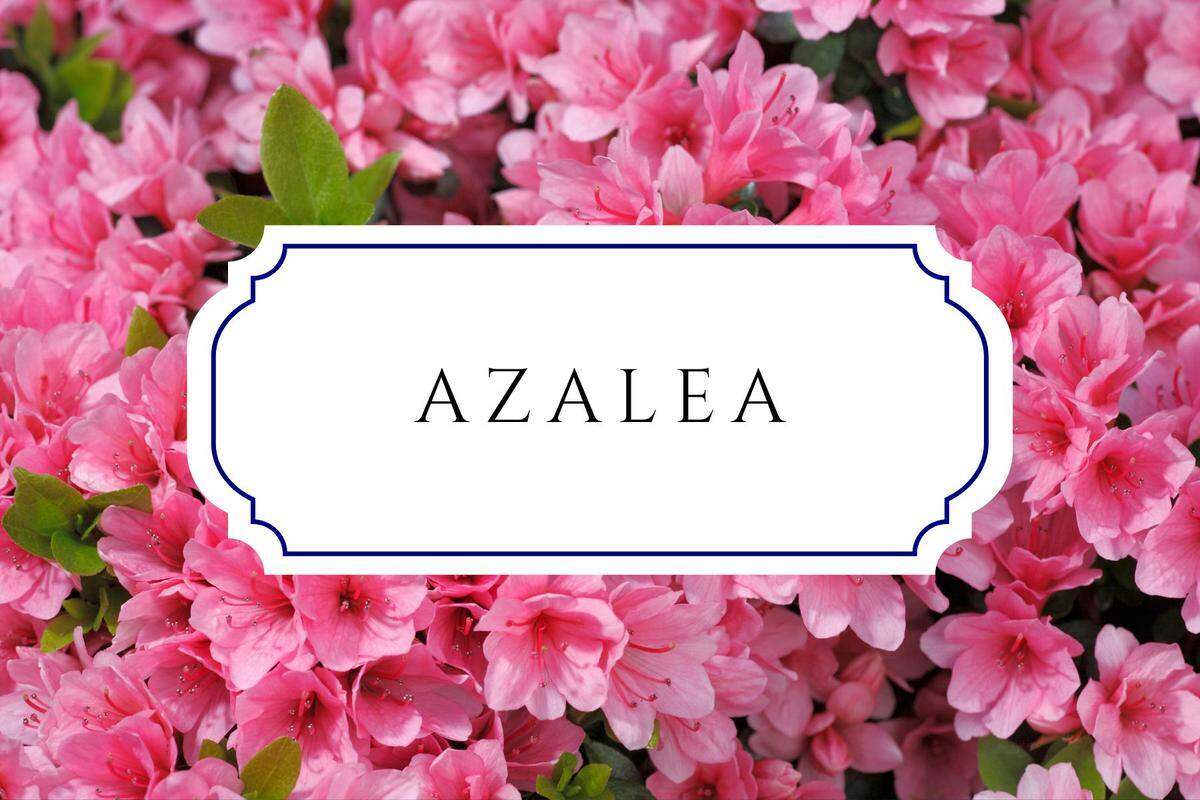
Origin: Azalea is of Greek origin.
Meaning: The name Azalea comes from the Greek word azaleos, meaning “dry.” It was named by Carl Linnaeus and belongs to the Rhododendron genus. Azalea is a deciduous or evergreen shrub with vibrant, trumpet-shaped blooms in pink, red, orange, white, or purple.
Similar-sounding names: Azelia, Azaria, Amalea, Analia, Althea, Aurelia, Zaria, Arlena, Aleia, Azara
15. Primrose
Origin: Primrose is of Latin origin.
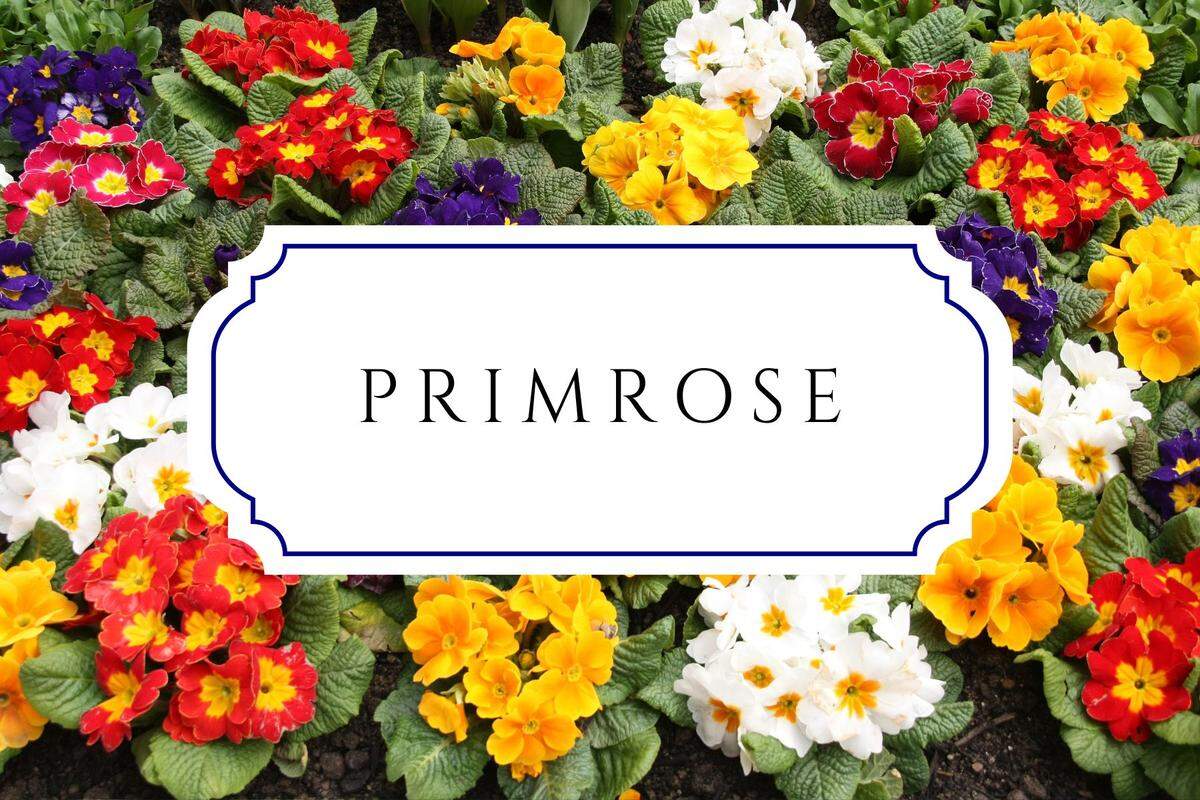
Meaning: The name Primrose is derived from the Latin phrase prima rosa, meaning “first rose” (perfect for your firstborn child). The primrose flower, originally known as primula, is a perennial herb with rosette-shaped leaves and colorful, five-petaled flowers.
Similar-sounding names: Prim, Rosabelle, Rosalie, Rosemarie, Rosella, Briar-Rose, Roseanne, Rosalind, Rosina, Pearlrose
14. Abelia

Origin: Abelia is of British origin.
Meaning: The abelia flower was named by botanist Robert Brown, who named it after British surgeon and naturalist Clarke Abel. It’s a semi-evergreen shrub with arching branches, glossy leaves, and small, tubular flowers.
Similar-sounding names: Amelia, Arbelia, Adelia, Avelina, Althea, Amellia, Alia, Avelia, Annelia, Belinda
13. Cassia
Origin: Cassia is of Latin or Greek origin.
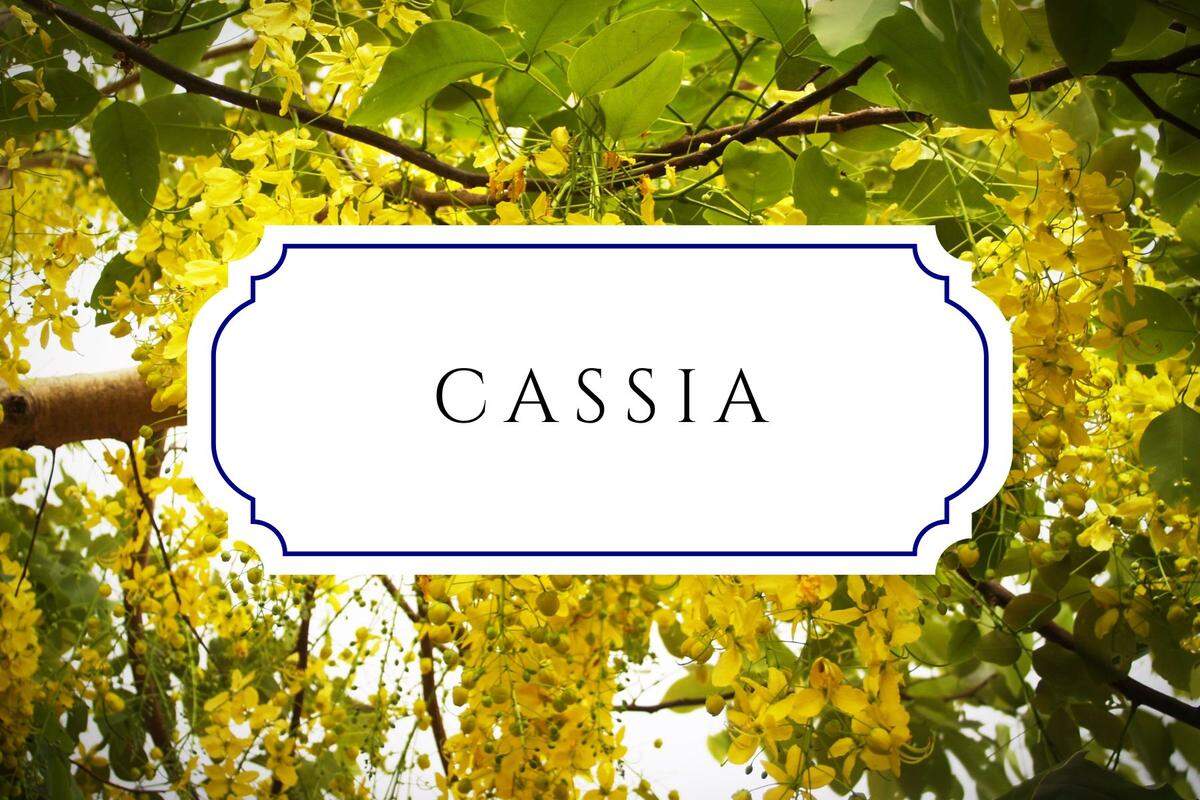
Meaning: The name Cassia is either derived from the Latin word cassus, meaning “empty” or “vain,” or from the Greek word kassia, meaning “cinnamon.” The cassia flower, also known as golden shower, is a flowering shrub or tree with pinnate leaves and bright yellow, fragrant, pea-like blooms.
Similar-sounding names: Cassidy, Cassiopeia, Callista, Alessia, Carissa, Celestia, Catriona, Cecilia, Carys, Clarissa
12. Jasmine

Origin: Jasmine is of Persian and Arabic origin.
Meaning: The name Jasmine is derived from the Arabic and Persian word yāsamīn, referring to the climbing or bushy shrub with glossy green leaves and small, star-shaped, highly fragrant flowers.
Similar-sounding names: Jessamine, Yasmin, Jaslene, Jazlyn, Jamila, Yasmina, Jaselle, Janelle, Jacinthe, Jasara
11. Calluna
Origin: Calluna is of Greek origin.
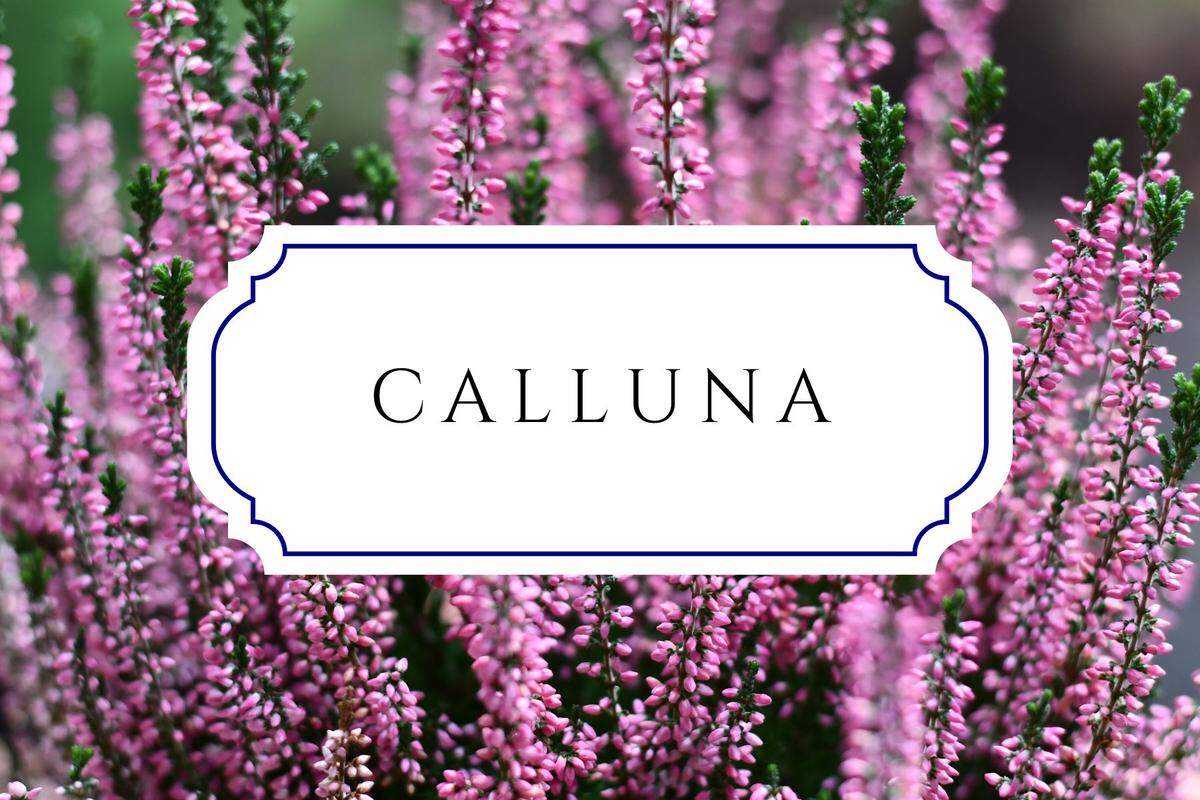
Meaning: The name Calluna comes from the Greek word kalluno, meaning “to beautify,” and kalos, meaning “beautiful.” Calluna, also known as heather, is a low-growing evergreen shrub with small, scale-like leaves and bell-shaped flowers.
Similar-sounding names: Callista, Luna, Calla, Calantha, Eluna, Calliora, Calina, Calandra, Aluna, Halina
10. Petunia

Origin: Petunia is of Tupi-Guarani origin.
Meaning: The name Petunia is derived from the Tupi–Guarani word petun, meaning “tobacco.” The plant, which is related to the tobacco plant, is a colorful annual with funnel-shaped flowers and broad, dark green leaves.
Similar-sounding names: Petula, Petal, Tullia, Penelope, Paetyn, Paloma, Pelina, Tulia, Venetia, Phaedra
9. Freesia

Origin: Freesia is of German origin.
Meaning: The freesia flower was named after German physician Friedrich Freese, whose surname is a variant of the name Friese, meaning “a Frisian.” Freesia is a fragrant, bulbous plant with narrow, sword-like leaves and trumpet-shaped flowers that’s native to Southern Africa.
Similar-sounding names: Frisia, Fresia, Felicia, Freya, Elysia, Fia, Fressa, Amnesia, Fiora, Thesia
8. Ambrosia

Origin: Ambrosia is of Latin and Greek origin.
Meaning: The name Ambrosia comes from the Latin and Greek name Ambrosius, meaning “immortal.” Ambrosia is a genus of plants, commonly known as ragweed, with feathery, lobed leaves and small, inconspicuous green or yellow flowers.
Similar-sounding names: Amara, Ambra, Rosia, Anastasia, Azaria, Aemilia, Amity, Ambrynn, Amelisa, Brysia
7. Jacinta

Origin: Jacinta is of Spanish and Portuguese origin.
Meaning: The name Jacinta is the Spanish and Portuguese form of the Greek name Hyakinthos, which is derived from the hyacinth flower. Hyacinth is a bulbous perennial with narrow, strap-like leaves and dense clusters of fragrant, bell-shaped flowers.
Similar-sounding names: Jacintha, Jasmine, Jacina, Jaclyn, Jada, Janina, Jesinta, Calinta, Selinta, Jacoba
6. Daphne

Origin: Daphne is of Greek origin.
Meaning: The name Daphne comes from the Greek word daphne, meaning “laurel.” In Greek mythology, Daphne was a nymph who turned into a laurel tree. Daphne is a shrub with leathery, dark green leaves and small, highly fragrant flowers.
Similar-sounding names: Delphine, Dahlia, Dani, Danica, Dafina, Darcelle, Effie, Elephine, Evadne, Dafna
5. Kalmia

Origin: Kalmia is of unknown origin.
Meaning: The kalmia flower was named after Swedish botanist Peter Kalm. Kalmia, commonly known as mountain laurel, is an evergreen shrub with glossy, dark green leaves and clusters of pink, white, or purple flowers.
Similar-sounding names: Kalina, Malia, Althea, Kalisa, Kalena, Kamia, Amia, Callia, Amalia, Kalysta
4. Ruta

Origin: Ruta is of Greek origin.
Meaning: The name Ruta comes from the Greek word ruta, meaning “bitter herb.” It can also be a variant of the name Ruth. Ruta, commonly known as rue, is a woody perennial with aromatic, gray-green leaves and small, yellow, star-shaped flowers.
Similar-sounding names: Runa, Rhea, Rada, Luna, Rita, Reva, Ruya, Rusa, Rosa, Aria
3. Linnaea

Origin: Linnaea is of Swedish origin.
Meaning: The name Linnaea is derived from the Swedish botanist Carl Linnaeus, who named his favorite flower (the linaaea flower) after himself. Linnaea, also known as twinflower, is a low-growing, evergreen shrub with paired, opposite leaves and bell-shaped, pink or white flowers.
Similar-sounding names: Linnea, Liana, Alina, Elena, Liliana, Leona, Lira, Amalia, Livia, Lia
2. Heather

Origin: Heather is of English origin.
Meaning: The name Heather is derived from the Middle English word hather, referring to the low-growing evergreen shrub with small, needle-like leaves and clusters of bell-shaped flowers. Heather commonly grows in rocky areas.
Similar-sounding names: Haven, Hattie, Hailey, Holly, Hetty, Harriet, Heatherly, Henrietta, Hilda, Sothern
1. Delphine

Origin: Delphine is of Latin and Greek origin.
Meaning: The name Delphine comes from the Latin name Delphinus, meaning “of Delphi.” It can also be derived from the Greek word delphys, meaning “womb.” Delphinium is a tall, perennial plant with deeply lobed leaves and spine-like clusters of flowers. Its name comes from the Greek word delphinion, meaning “dolphin.”
Similar-sounding names: Daphne, Delia, Delfina, Demi, Felina, Delfine, Seraphine, Delina, Selina, Elphine