
50 fern-tastic botanical baby names that’ll leaf you smiling
Picking out the perfect baby name is a lot like picking a flower out of a garden or an apple off of a tree.
On one hand, “green thumbs’ are looking for that vibrant, aromatic, freshly-bloomed flower or a fruit that’s ripe and ready to eat.
On the other hand, parents are looking for that one name that’ll stand out in a crowd—one that sounds just as beautiful as its meaning.
Of course, that might be why we see so many botanical baby names in the world today.
Just take one look at the baby name data released by the U.S. Social Security Administration (SSA) and it’ll tell you everything you need to know.
Between 1924 and 2023, there was only one obvious botanical baby name that stood out in the SSA’s list of the most popular baby names over the past 100 years.
That name was Olivia, which translates to “olive tree” in Latin, and it was the 48th most popular girl’s name in that timespan.
But if you look at data from just 2023, there are more than a dozen botanical baby names listed in the top 100—and even more listed in the top 500—which means they’re growing more popular every year.
And if those are the types of names you’re looking for, then you’ll appreciate the list we’ve curated for you below!
Botanical baby names inspired by flowers

We’re starting our list of botanical baby names with those inspired by flowers.
Looking at the SSA’s data for 2023, the most popular flower-inspired name was Lily, which ranked 20th among girl names. Two variants, Lillian and Liliana, ranked 55th and 88th, respectively.
Likewise, the name Leilani, which translates to “heavenly garland of flowers” in Hawaiian, came in at 61st on that list.
With that said, let’s take a look at some other less-common, yet still beautiful, botanical baby names inspired by flowers!
10. Zinnia

Origin: Zinnia is of Latin and German origin.
Derivation: The name Zinnia is derived from the botanical name of the flower, which was named after the German botanist Johann Gottfried Zinn.
Similar-sounding names: Xenia, Zenia, Zaria, Zella, Azalea, Aria, Lydia, Sienna, Ziya, Linnea.
9. Amaryllis

Origin: Amaryllis is of Greek origin.
Derivation: The name Amaryllis comes from the Greek word amarysso, meaning “to sparkle” or “to shine.” It’s also the name of a small genus of flowering bulbs, which includes the Amaryllis belladonna.
Similar-sounding names: Amarilla, Amarise, Marissa, Alyssa, Annelise, Aramis, Carissa, Lillith, Amara, Iris.
8. Bryonia
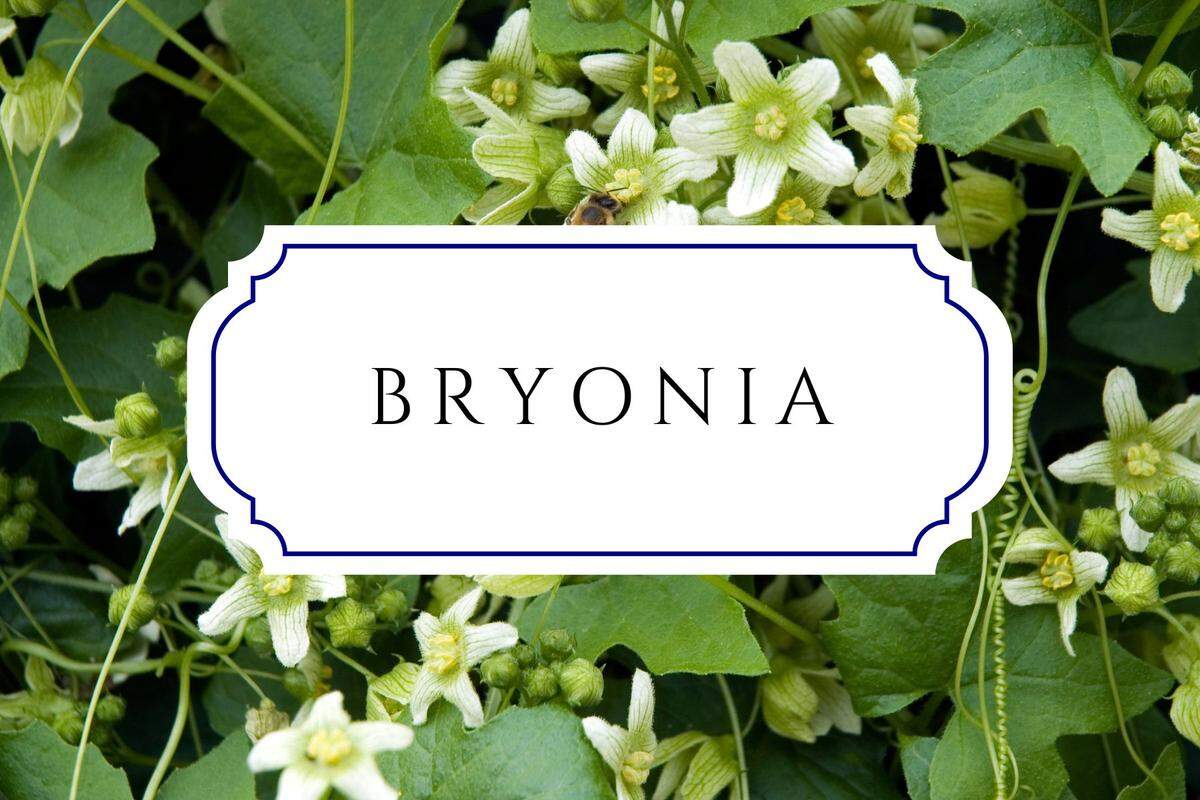
Origin: Bryonia is of Greek origin.
Derivation: The name Bryonia comes from the Greek word bryo, meaning “to sprout” or “to swell.” It is associated with the climbing plant Bryonia, known for its lush growth and green foliage.
Similar-sounding names: Brianna, Brynn, Bonnie, Brylie, Briony, Bronwyn, Brittany, Ivy, Daisy, Melody.
7. Camellia

Origin: Camellia is of Latin origin.
Derivation: The name Camellia is derived from the Latinized form of Kamel, honoring the botanist Georg Kamel, who contributed to the study of the plant.
Similar-sounding names: Amelia, Camille, Cecilia, Callista, Carmella, Catalina, Celia, Camryn, Cornelia, Dahlia.
6. Lotus

Origin: Lotus is of Greek and Sanskrit origin.
Derivation: The name Lotus comes from the Greek lotos and the Sanskrit lotas, both referring to the sacred aquatic plant, which has a unique ability to bloom beautifully above muddy waters.
Similar-sounding names: Lois, Lucia, Lucius, Lyric, Lilith, Lila, Loren, Opus, Larissa, Luna.
5. Jacinta

Origin: Jacinta is of Spanish and Greek origin.
Derivation: The name Jacinta comes from the Greek word hyakinthos, referring to the hyacinth flower. In Greek mythology, Hyacinthus was a divine hero associated with the fragrant flower. The name was adapted into Spanish as Jacinta, meaning “hyacinth.”
Similar-sounding names: Jasmine, Janina, Lucinda, Jacinda, Catalina, Seraphina, Selena, Martina, Josephine, Felicity.
4. Rosemary
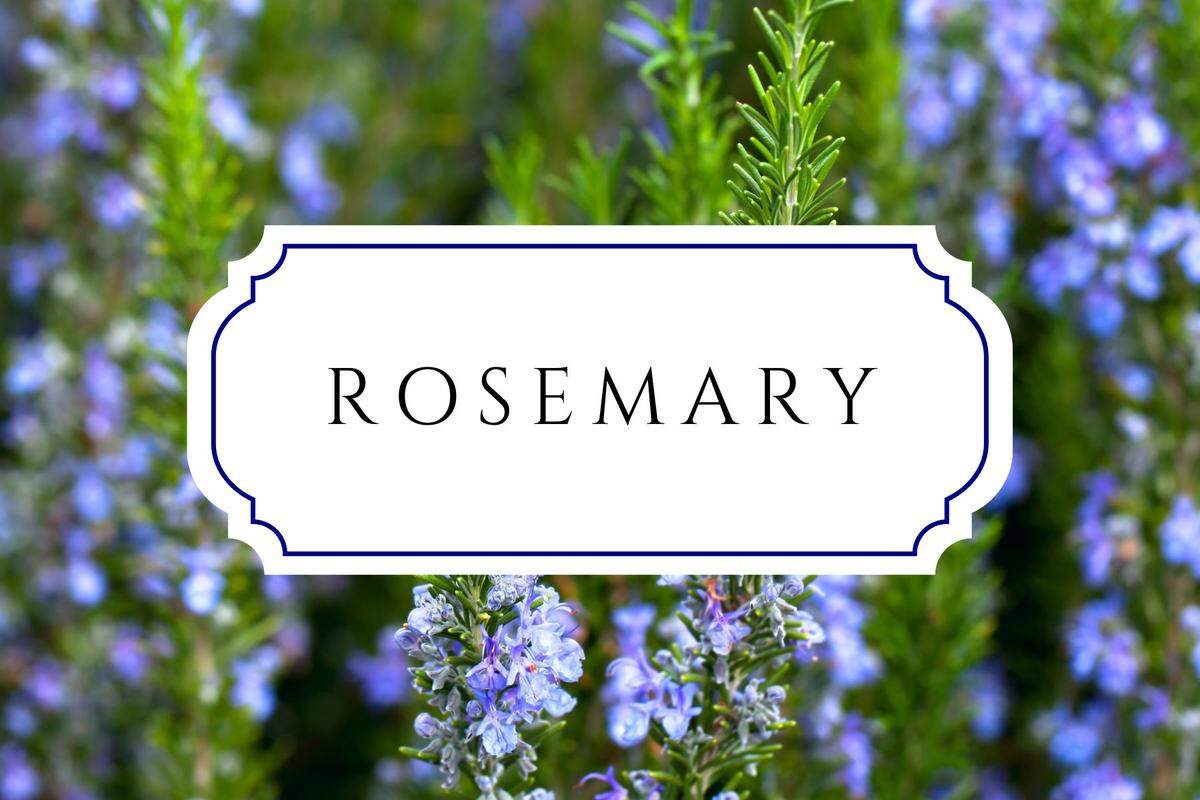
Origin: Rosemary is of Latin origin.
Derivation: The name Rosemary combines the Latin words ros (meaning “dew”) and marinus (meaning “of the sea”), referring to the herb Rosmarinus officinalis, which is native to Mediterranean regions.
Similar-sounding names: Rose, Mary, Rosalie, Rosamund, Rosaria, Mariella, Maris, Romilly, Rosina, Emilia.
3. Petunia
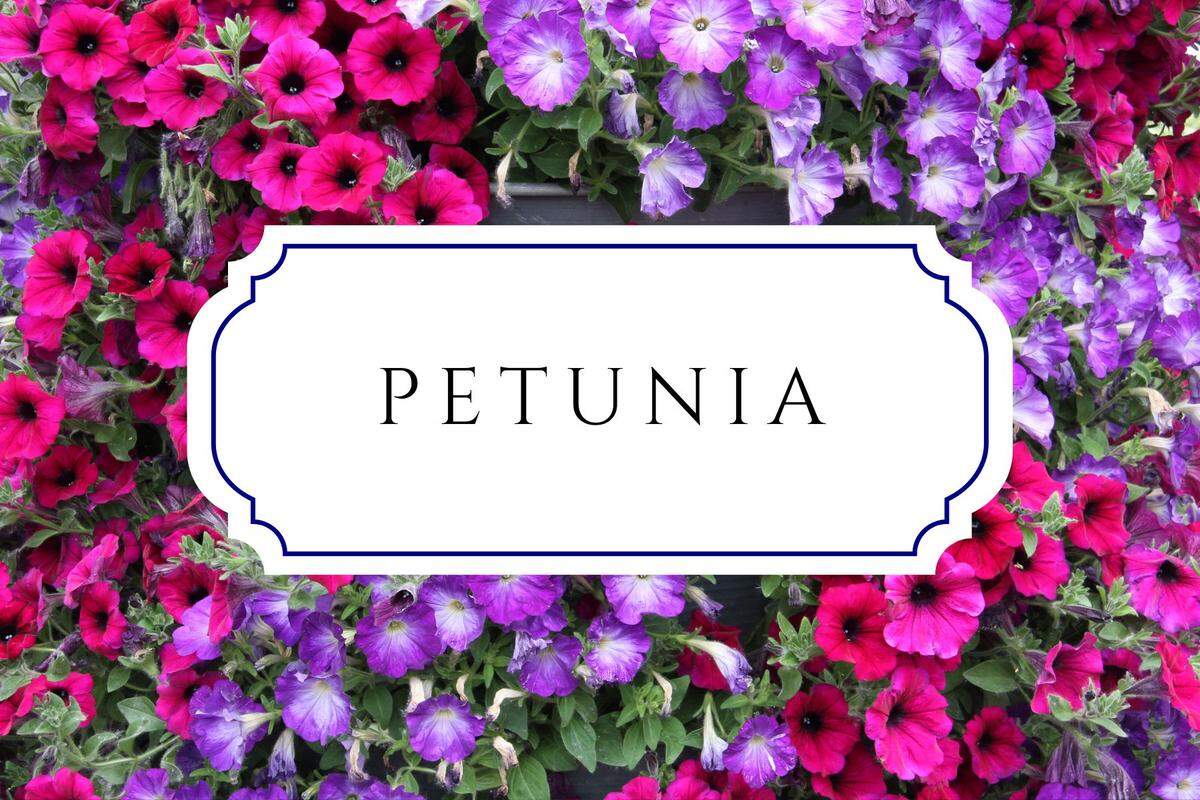
Origin: Petunia is of French and Tupi origin.
Derivation: The name Petunia comes from the French word pétun, which itself is derived from the Tupi word petun, meaning “tobacco.” The petunia flower was named because it belongs to the same family as the tobacco plant.
Similar-sounding names: Penelope, Portia, Petra, Patricia, Petal, Pandora, Paloma, Talia, Antonia, Lucinia.
2. Primrose
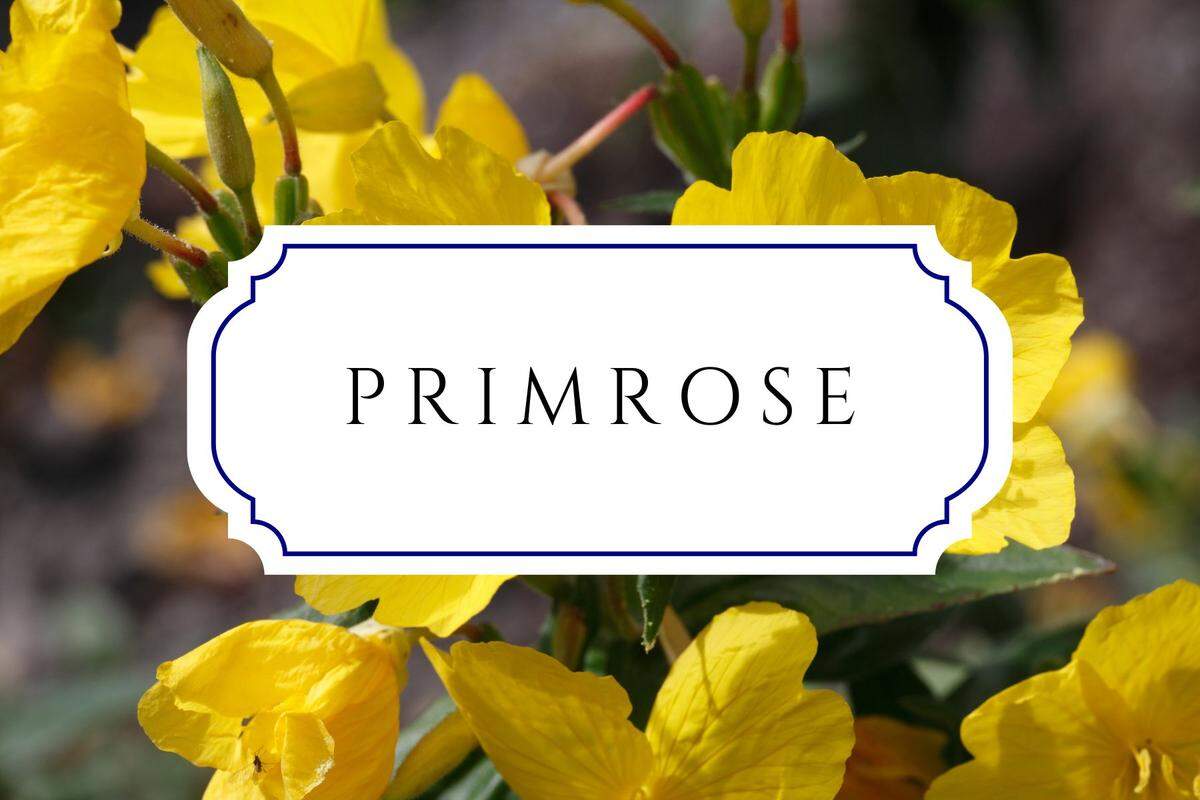
Origin: Primrose is of Latin and English origin.
Derivation: The name Primrose comes from the Latin words prima rosa, meaning “first rose,” a reference to the flower’s early bloom in spring.
Similar-sounding names: Rose, Rosa, Primula, Rosalie, Penrose, Promise, Posie, Amrose, Briar-Rose, Elrose.
1. Dahlia

Origin: Dahlia is of Swedish and Latin origin.
Derivation: The name Dahlia is derived from the surname of Swedish botanist Anders Dahl, after whom the flower was named. The dahlia flower is known for its intricate layers and wide variety of colors.
Similar-sounding names: Delilah, Alia, Talia, Amalia, Thalia, Dalia, Layla, Camellia, Sariah, Azalea.
Botanical baby names inspired by trees

You might be sitting there wondering, “Who would name their child after a tree?”
Well, 7,853 baby boys were given the name Asher in 2023, which could translate to “happiness” in Hebrew, but also means “one who lives by an ash tree or ash grove” in Old English.
As for the girls, the most common tree-inspired name was Ivy—which is more of a shrub. Ivy was the 38th most popular girl’s name in the US last year.
Two other names inside the top 100 include Rowan, which ranked 76th among the boys, and Willow, which was the 41st most popular girl’s name.
10. Acacia

Origin: Acacia is of Greek origin.
Derivation: The name Acacia comes from the Greek word akakia, referring to the thorny acacia tree. Acacia trees are known for their thin, often twisted trunk and branches that reach high into the sky.
Similar-sounding names: Alicia, Amara, Althea, Anika, Azalea, Amaya, Cassia, Aria, Eliana, Cecelia.
9. Elowen

Origin: Elowen is of Cornish origin.
Derivation: The name Elowen is derived from the Cornish word elowen, meaning “elm tree.” These types of trees are deciduous and semi-deciduous trees comprising the genus Ulmus in the family Ulmaceae.
Similar-sounding names: Eowyn, Eleanor, Ellery, Arwen, Elora, Evelyn, Lowenna, Rowan, Elaina, Seren.
8. Ilan

Origin: Ilan is of Hebrew origin.
Derivation: The name Ilan comes from the Hebrew word ilan (אִילָן), meaning “tree.” In Jewish tradition, Ilan is associated with Tu BiShvat, the “New Year of the Trees,” which is a celebration of nature and renewal.
Similar-sounding names: Elon, Alan, Milan, Eitan, Aran, Ivan, Elias, Eli, Lior, Aslan.
7. Forrest

Origin: Forrest is of Old French and English origin.
Derivation: The name Forrest comes from the Old French word forest, which comes from the Latin word “foris,” meaning “outside.” It was originally a surname given to those who lived near or worked in a forest.
Similar-sounding names: Forest, Everett, Foster, Ferris, Fergus, Ferrin, Faris, Morris, Farran, Forrestor.
6. Koa

Origin: Koa is of Hawaiian origin.
Derivation: The name Koa is derived from the Hawaiian word koa, meaning “brave,” “bold,” or “warrior.” It is also the name of the native Hawaiian koa tree, valued for its strength and beauty.
Similar-sounding names: Noah, Kai, Kael, Leo, Bo, Cole, Kobe, Ezra, Loki, Cato.
5. Laurel
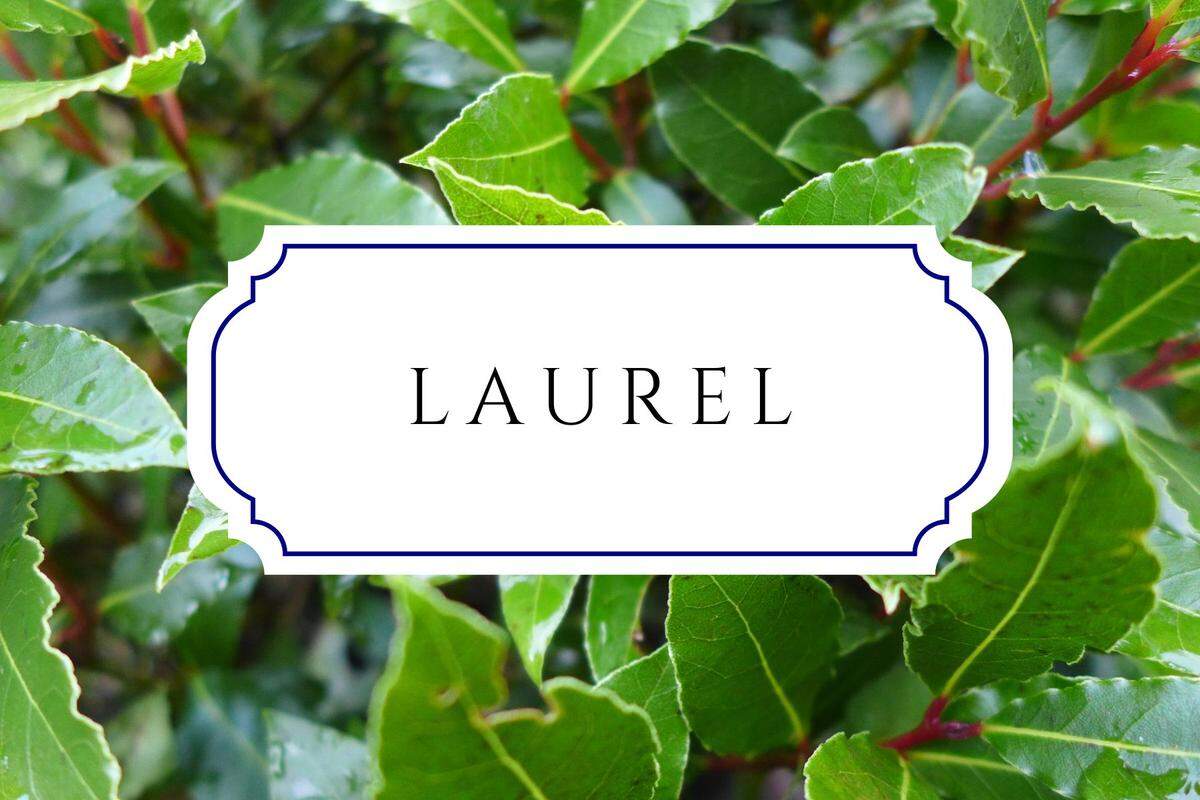
Origin: Laurel is of Latin origin.
Derivation: The name Laurel comes from the Latin word laurus, meaning “laurel tree” or “bay tree.” In ancient times, laurel wreaths symbolized victory, honor, and achievement, often worn by champions and leaders.
Similar-sounding names: Laura, Lauren, Lorelei, Lorena, Lila, Lorna, Mariel, Laurelise, Coral, Darrel.
4. Linden

Origin: Linden is of Old English and German origin.
Derivation: The name Linden is derived from the Old English and German word linde, referring to the linden or lime tree, also known as basswood or whitewood. Linden trees are primarily known for being large shade trees.
Similar-sounding names: Landon, London, Lyndon, Lennon, Logan, Lincoln, Lyric, Lenon, Lauren, Brandon.
3. Aspen

Origin: Aspen is of English origin.
Derivation: The name Aspen is derived from the aspen tree, known for its distinctive heart-shaped leaves that tremble in the wind. The word itself comes from Old English æspe, related to the tree’s name.
Similar-sounding names: Aster, Arden, Arlen, Aspen, Asher, Ashlyn, Eden, Esme, Adeline, Anwen.
2. Spruce

Origin: Spruce is of English origin.
Derivation: The name Spruce comes from the English word for the evergreen tree, which originates from Middle English “spruce” or “spruse.”
Similar-sounding names: Bruce, Cruz, Sloane, Spike, Rue, Spencer, Slate, Storm, Trace, Pierce.
1. Sequoia

Origin: Sequoia is of Cherokee and Latinized American origin.
Derivation: The name Sequoia is derived from the Cherokee word “siqua,” meaning “hog,” and combined with the word “yea,” denoting place. It refers to the giant redwood sequoia trees, which are some of the tallest and oldest living organisms on Earth.
Similar-sounding names: Selah, Sienna, Seraiah, Sophia, Soraya, Soleil, Seraphina, Aria, Mariah, Sonora.
Botanical baby names inspired by grass

Of all the botanical baby names you’ll find, perhaps none are more unique and less frequently used than those inspired by grass.
I know it might sound a little peculiar, but trust me—they deserve a chance!
Looking at data from the SSA, there are only two grass-related names that stand out in the top 100: Sharon and Savannah.
Sharon is a Hebrew name that means “a fertile plain.” In the Bible, Sharon refers to a coastal plain in what is now Israel and Palestine, known for its rich soil and abundant crops.
Meanwhile, Savannah is a Native American name that means “open plain” or “treeless grassland,” though it can also refer to the city Savannah, Georgia.
Savannah was the 92nd most popular girl’s name in the US last year, while Sharon was the 27th most popular girl’s name between 1924 and 2023.
Let’s take a look at 10 other unique botanical baby names inspired by all things grass!
10. Erba

Origin: Erba is of Italian origin.
Derivation: The name Erba is derived from the Italian word erba, which means “grass” or “herb.”
Similar-sounding names: Elba, Alba, Vera, Erina, Elsa, Alma, Emma, Arabella, Erma, Esme.
9. Rye

Origin: Rye is of Old English origin.
Derivation: The name Rye comes from the Old English word ryge, meaning “rye,” which is a type of grain. It’s a member of the wheat tribe (Triticeae) and is closely related to barley (Hordeum) and wheat (Triticum).
Similar-sounding names: Kai, Ryan, Riley, Ty, Bryn, Myra, Sky, Ivy, Ryeley, Kaius.
8. Vetiver

Origin: Vetiver is of Tamil and Sanskrit origin.
Derivation: The name Vetiver is derived from the Tamil word vetiver, which comes from the Sanskrit word vettiver, meaning “root” or “rooted.” It also refers to a fragrant grass known for its earthy, woody scent, often used in perfumes and aromatherapy.
Similar-sounding names: Oliver, Xavier, Vesper, Ever, Vera, Vivian, Evander, Verity, Veda, Violette.
7. Barley
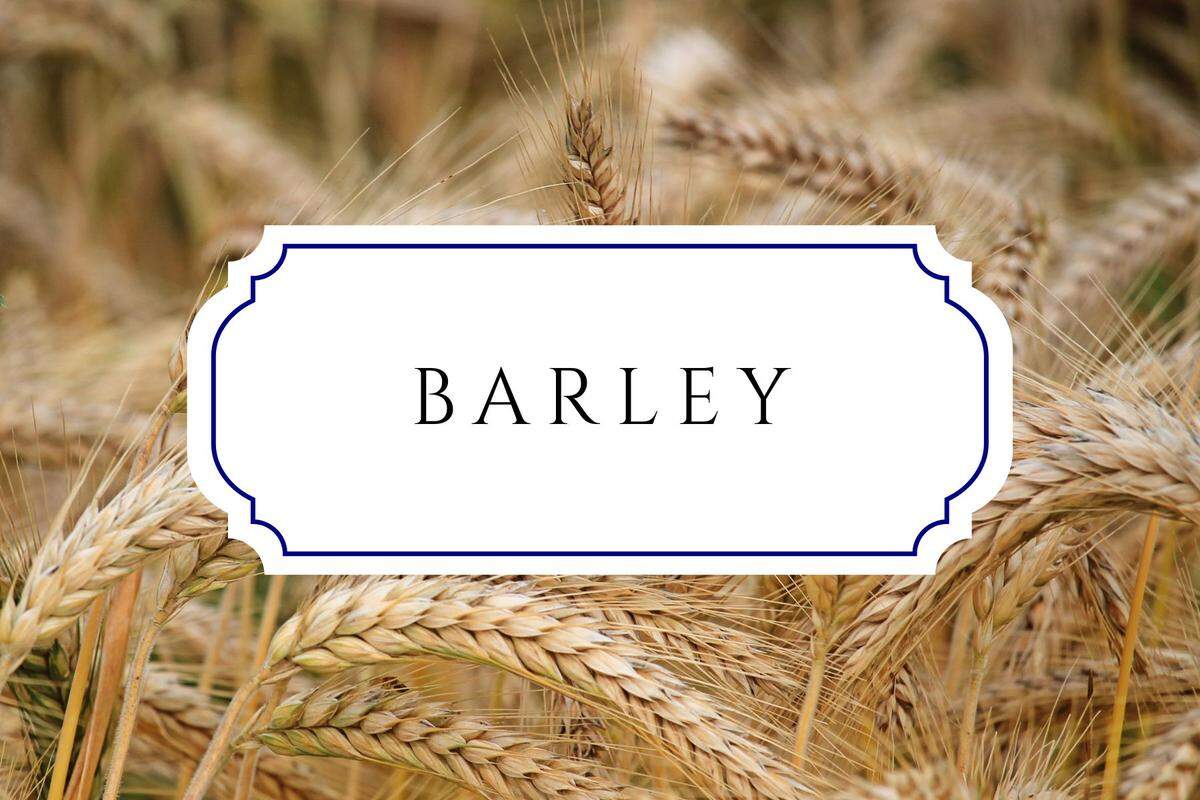
Origin: Barley is of Old English and Germanic origin.
Derivation: The name Barley comes from the Old English berlic, meaning “barley” (the grain). Barley has been a staple crop for centuries with applications ranging from feed and food production to beverage manufacturing.
Similar-sounding names: Bailey, Barney, Marley, Harley, Darley, Bartholomew, Barlow, Charlie, Riley, Carly.
6. Abilene

Origin: Abilene is of Hebrew and American origin.
Derivation: The name Abilene is believed to have originated from the Hebrew word abel, meaning “meadow” or “grassy area.” Abel would be the masculine version of this botanical baby name.
Similar-sounding names: Adeline, Abella, Arabella, Aveline, Alea, Alina, Abigail, Ameline, Elin, Eveline.
5. Bentley

Origin: Bentley is of Old English origin.
Derivation: The name Bentley comes from the Old English elements bent (meaning “grass” or “moor”) and leah (meaning “wood” or “clearing”). So, Bentley originally meant “meadow or clearing where grass grows.”
Similar-sounding names: Bentley, Brantley, Kennedy, Wesley, Bradley, Landry, Wesley, Brock, Elliot, Matthew.
4. Darnel

Origin: Darnel is of English origin.
Derivation: The name Darnel comes from the name of a type of plant, Lolium, commonly known as darnel, which is a type of ryegrass. The term “darnel” has been used since the Middle Ages to describe the plant, which can be found in fields and is sometimes considered a weed.
Similar-sounding names: Darnell, Darrell, Daniel, Arnold, Darian, Darren, Darvin, Darin, Wendell, Lionel.
3. Bermuda

Origin: Bermuda is of Spanish and Portuguese origin.
Derivation: The name Bermuda is believed to come from the Spanish explorer Juan de Bermúdez, after whom the Bermuda Islands were named. It also refers to a type of grass, bermuda grass, which is valued for its exceptional heat and drought tolerance.
Similar-sounding names: Bertha, Bernice, Beatrice, Beverly, Maria, Miranda, Bernadette, Emilia, Amada, Sabrina.
2. Dichondra

Origin: Dichondra is of Greek origin.
Derivation: The name Dichondra is derived from the Greek words dichos (meaning “two”) and odous (meaning “tooth”), referring to the shape of the plant’s leaves, which are often heart-shaped with two distinct lobes.
Similar-sounding names: Dakota, Diana, Delphina, Dinah, Donella, Dora, Deborah, Daphne, Dinorah, Dionne.
1. Zoysia
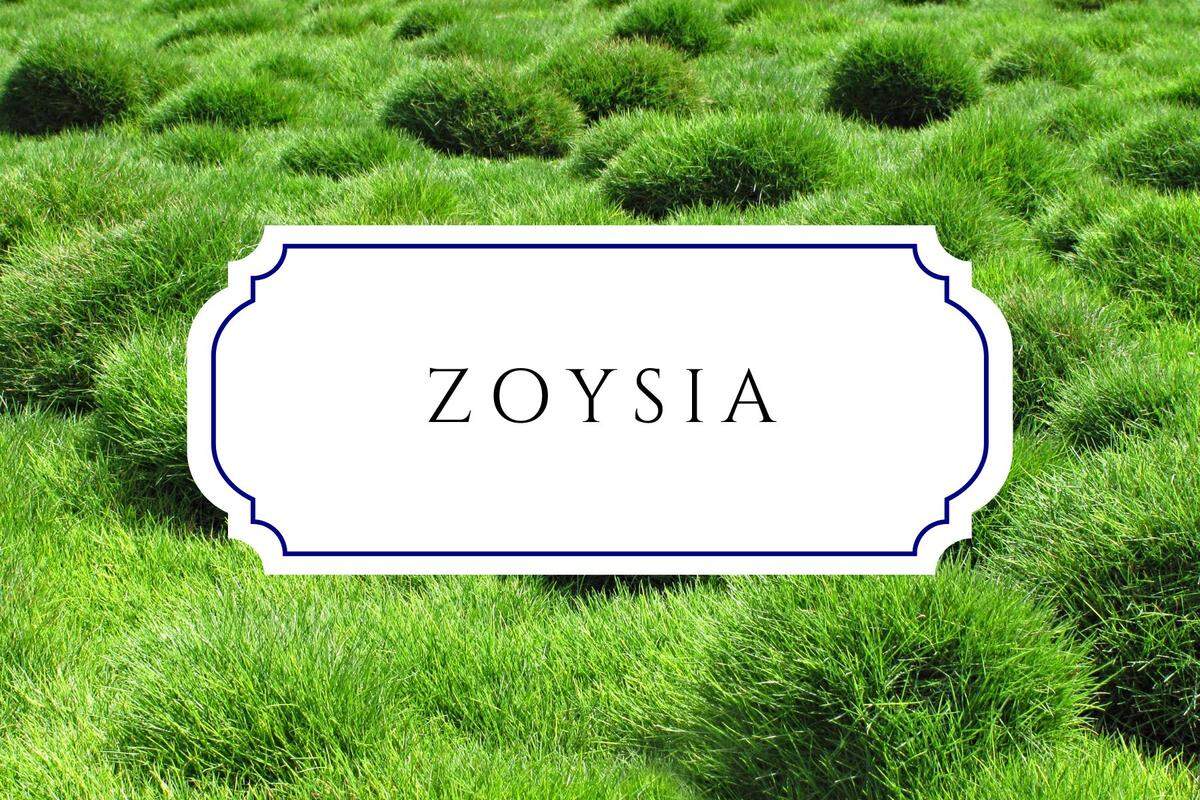
Origin: Zoysia is of Greek origin.
Derivation: The name Zoysia is derived from the Greek word zois, meaning “life.” It refers to a type of grass that was named after the Greek botanist Karl von Zois. It’s a type of drought-resistant, warm-season grass commonly used for lawns.
Similar-sounding names: Zoey, Zoe, Zora, Sonia, Asia, Taisia, Zinnia, Zephyr, Zada, Zella.
Botanical baby names inspired by herbs and spices

Herbs and spices add flavor to practically any dish you’re cooking up.
And since they’re plant-derived substances, you better believe they make good botanical baby names!
But if you plan on using herb and spice related names for your baby, expect to think outside of the box because you won’t find a lot (if any) of these names in the SSA’s list of the 100 most popular baby names.
Some are starting to climb the ranks, though.
The name Juniper is one of the best examples, coming in at No. 113 for girl names in 2023. Meanwhile, Sage ranked 143rd and Jasmine ranked 190th among girls last year.
With that said, let’s take a look at some less-common botanical baby names inspired by your spice cabinet!
10. Anise
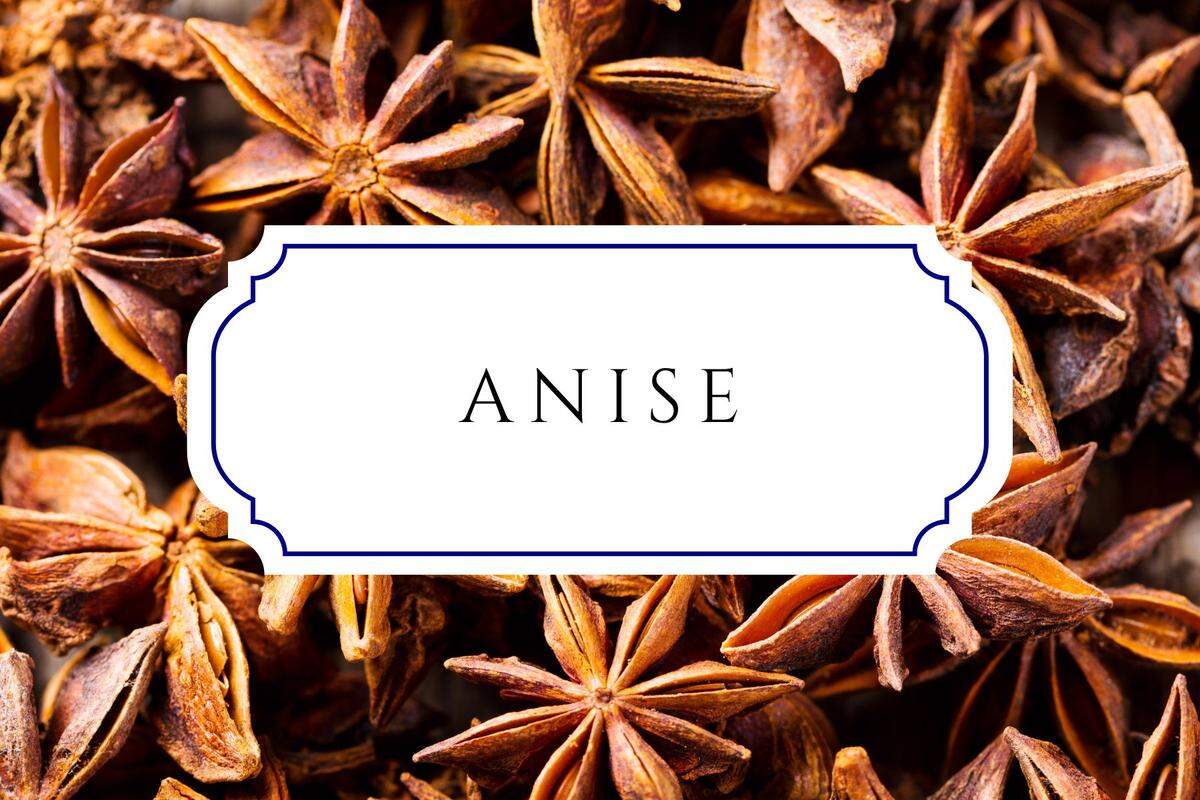
Origin: Anise is of Greek and Latin origin.
Derivation: The name Anise comes from the Latin word anisum, which is derived from the Greek word anisos, referring to the aromatic herb. Anise is a spice derived from the seeds of the Pimpinella anisum plant, known for its licorice-like flavor.
Similar-sounding names: Annie, Alice, Agnes, Aine, Anissa, Anais, Amira, Elise, Alina, Annika.
9. Rue
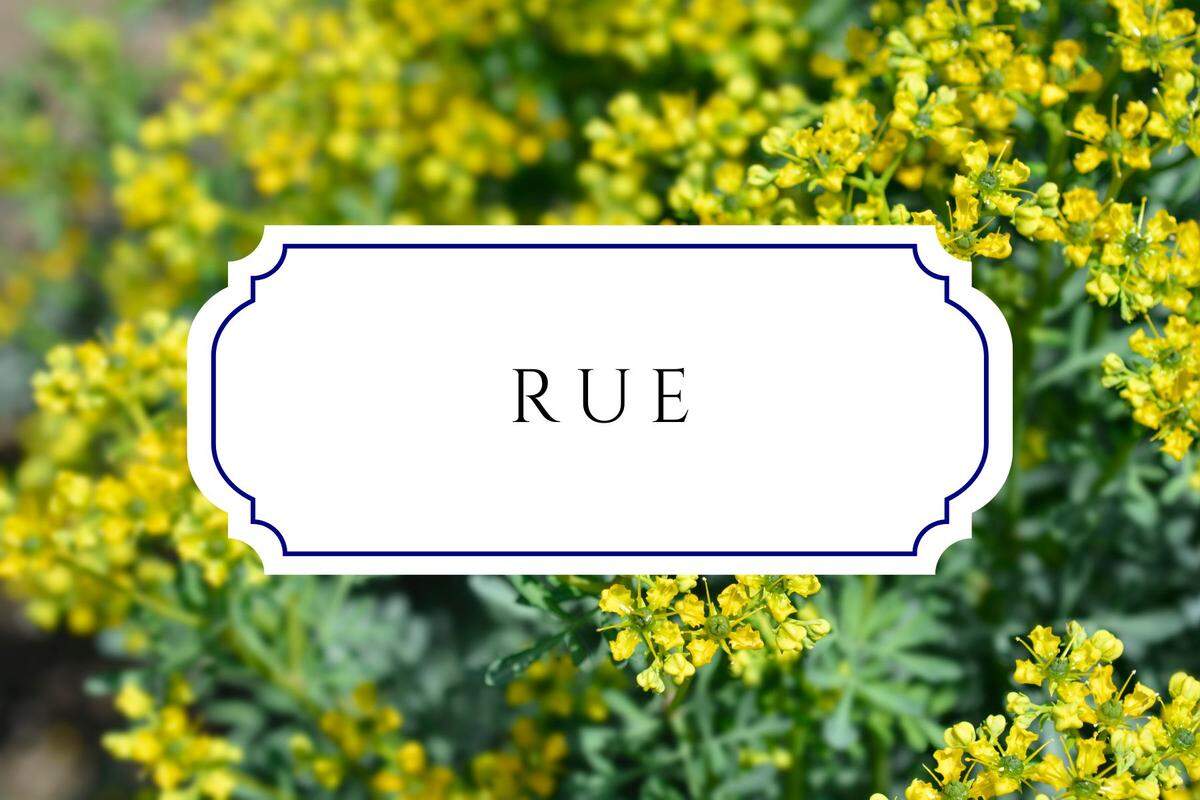
Origin: Rue is of Latin and Greek origin.
Derivation: The name Rue is derived from the Latin word ruta, which refers to the rue plant, a herb known for its bitter aroma and medicinal properties. It’s a traditional flavoring in some Mediterranean countries.
Similar-sounding names: Ruby, Ruth, Rueben, Rhea, Runa, Reese, Raine, Remy, Reeve, Reba.
8. Paprika

Origin: Paprika is of Hungarian and Spanish origin.
Derivation: The name Paprika comes from the Hungarian and Spanish word paprika, which refers to the ground spice made from dried peppers, especially from the Capsicum species. The word itself is derived from the Serbian and Hungarian term for pepper, which ultimately comes from the Latin piper.
Similar-sounding names: Patricia, Parisa, Pia, Piper, Pippa, Paloma, Priya, Persia, Peppa, Primavera.
7. Cassia
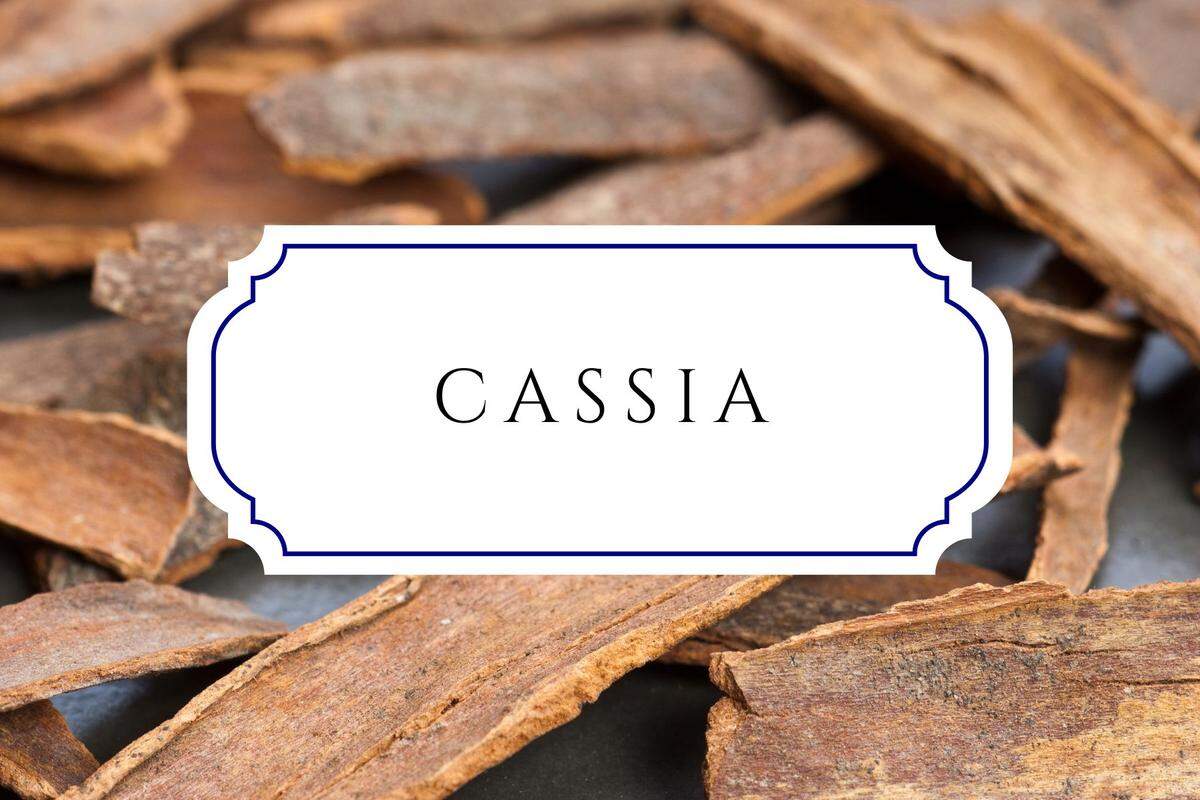
Origin: Cassia is of Greek and Latin origin.
Derivation: The name Cassia comes from the Greek word kassia, which refers to the cinnamon-like spice derived from the bark of trees in the Cinnamomum family. It’s also the name of a flowering plant.
Similar-sounding names: Cassandra, Cecilia, Camilla, Tessa, Cassie, Asia, Cora, Kira, Kyra, Selina.
6. Clove
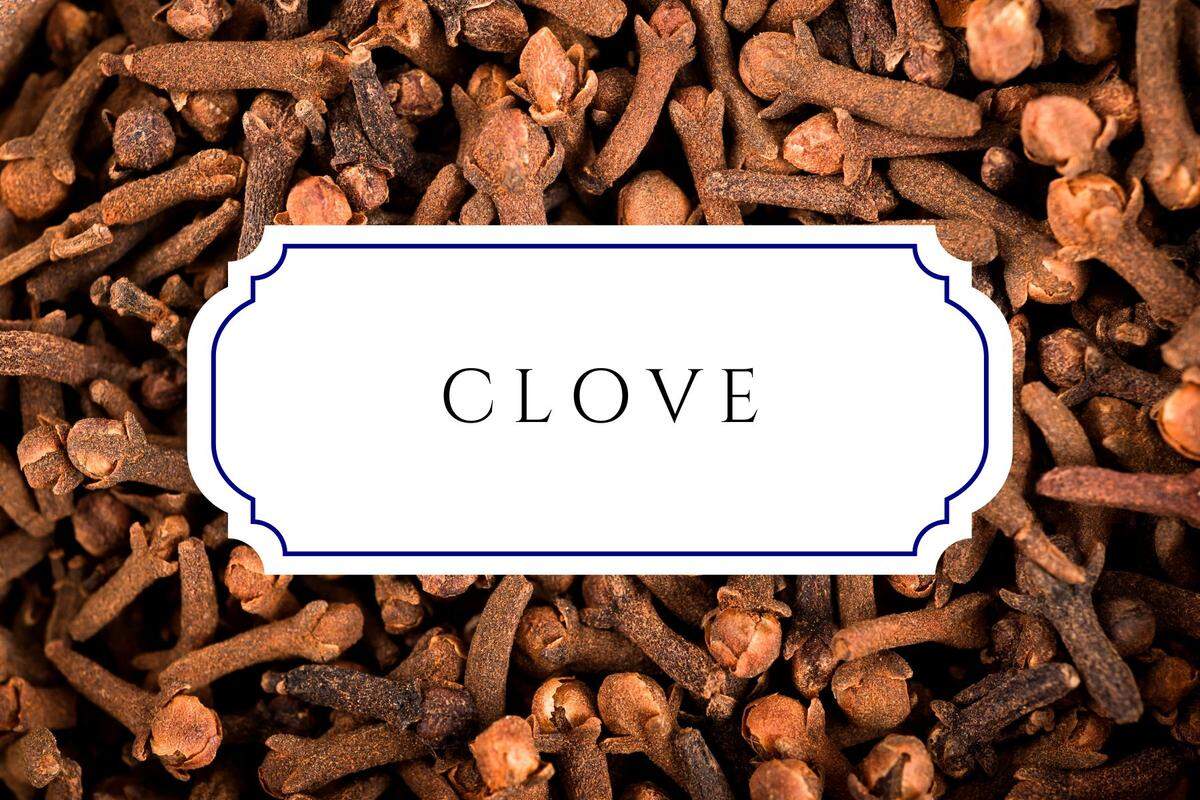
Origin: Clove is of Latin and English origin.
Derivation: The name Clove comes from the Latin word clavus, meaning “nail,” referring to the shape of the clove spice, which is the dried flower bud of the Syzygium aromaticum tree.
Similar-sounding names: Clover, Chloe, Cleo, Clio, Clarity, Cloud, Clive, Claudette, Clare, Clea.
5. Angelica
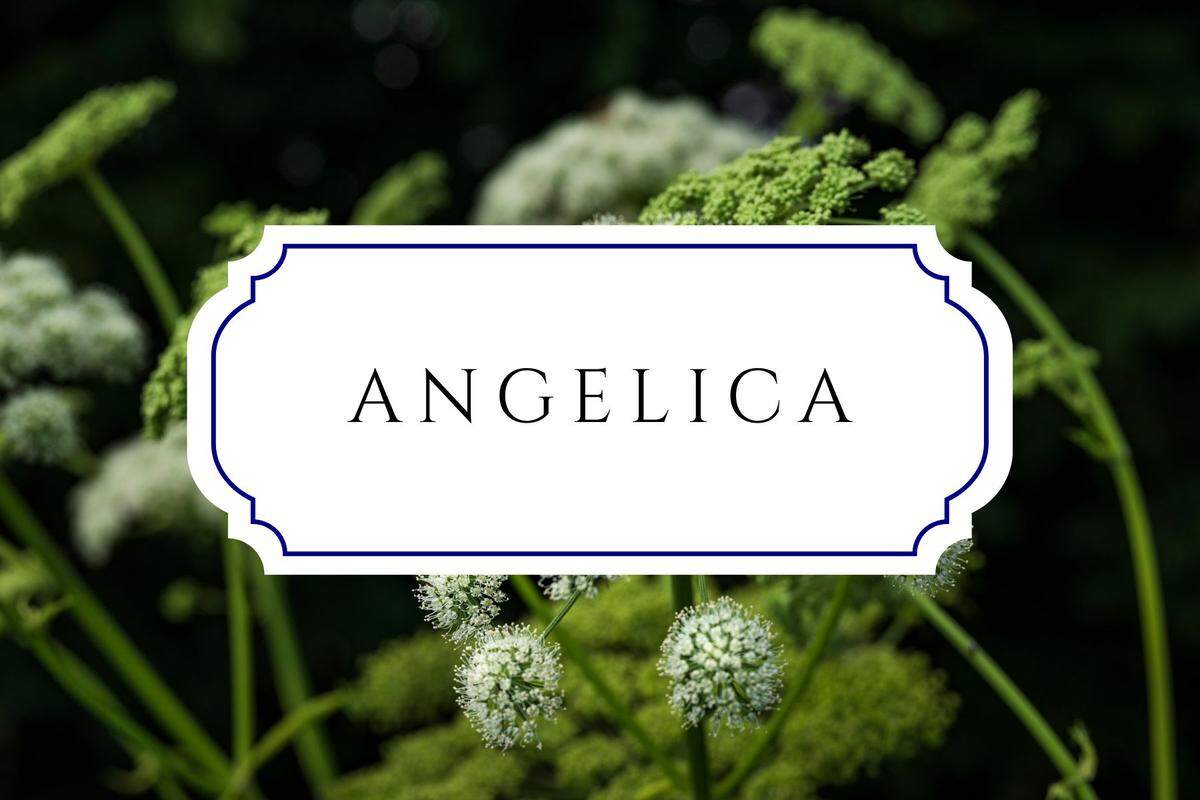
Origin: Angelica is of Latin origin.
Derivation: The name Angelica comes from the Latin angelicus, meaning “angelic” or “like an angel,” which is derived from the Greek word angelos, meaning “messenger.” It’s also the name of a medicinal herb, Angelica archangelica, which was used for its healing properties.
Similar-sounding names: Angela, Angel, Angelina, Anjelica, Annabella, Alicia, Ariella, Angeline, Alexis, Alina.
4. Cayenne
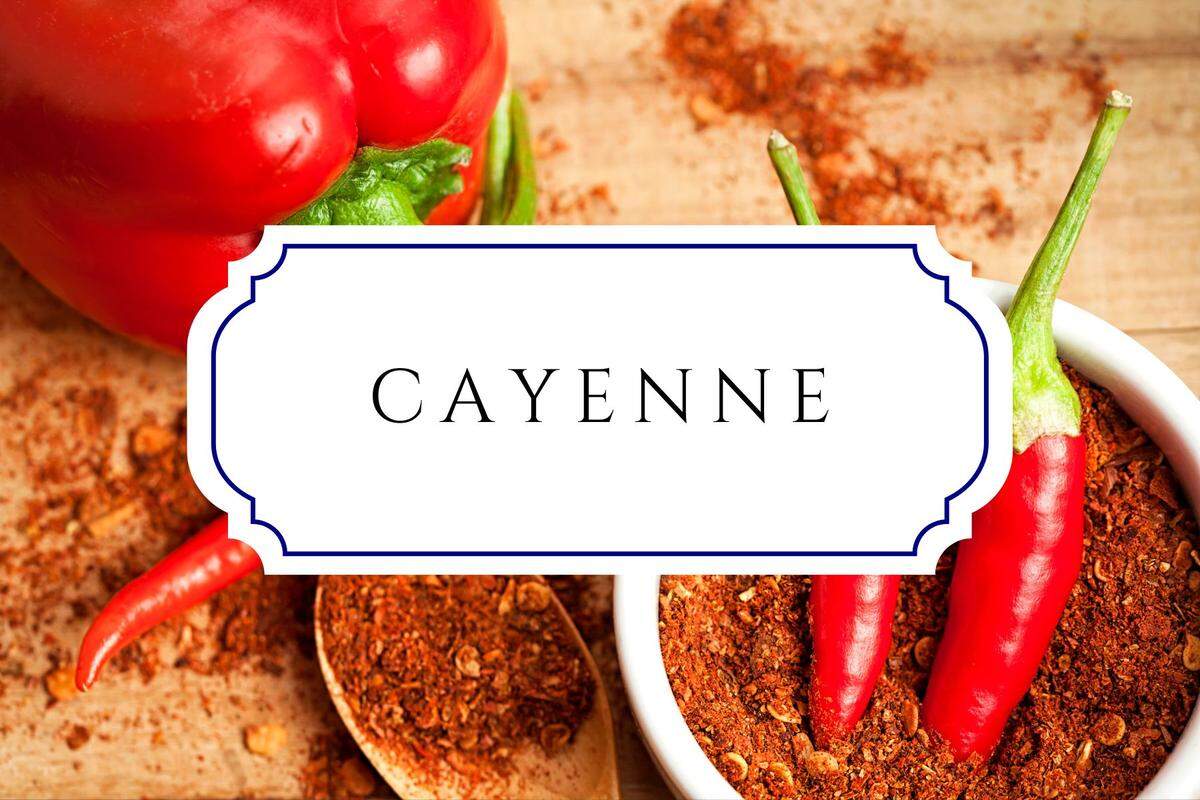
Origin: Cayenne is of French and Spanish origin.
Derivation: The name Cayenne is derived from the city of Cayenne, the capital of French Guiana, which is believed to have originated from the Tupi word kiana, meaning “a place of many trees” or “a river of the cassava.” It also refers to a type of hot chili pepper, known for its sharp, spicy flavor, and is associated with heat, intensity, and boldness.
Similar-sounding names: Kayla, Kiana, Caden, Kane, Ciera, Caelan, Cayla, Catalina, Kyra, Sienna.
3. Ginger
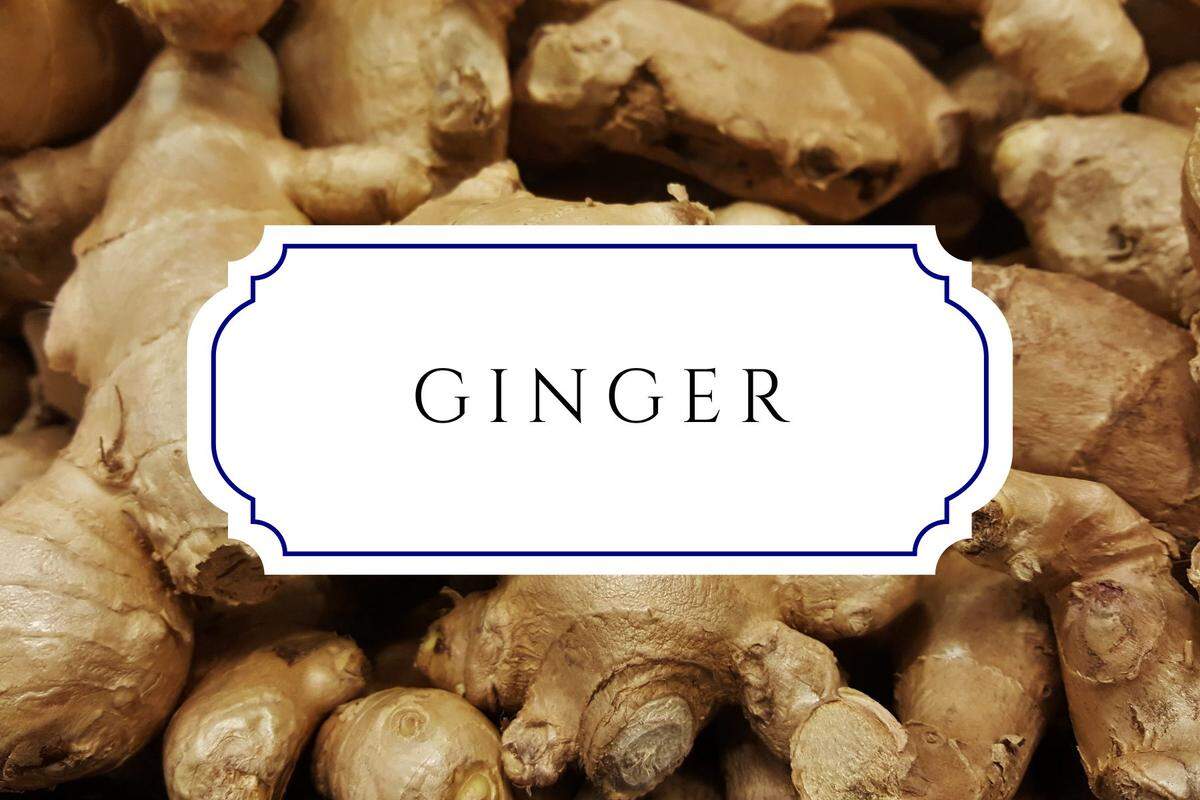
Origin: Ginger is of Old English and Latin origin.
Derivation: The name Ginger is derived from the Latin word zingiberi, referring to the spicy, aromatic root used in cooking and medicine. The plant (Zingiber officinale) is widely known for its pungent, warm flavor and health benefits.
Similar-sounding names: Gentry, Ginny, Gingerella, Genevieve, Jinger, Georgia, Gracie, Giselle, Jenna, Jada.
2. Nigella
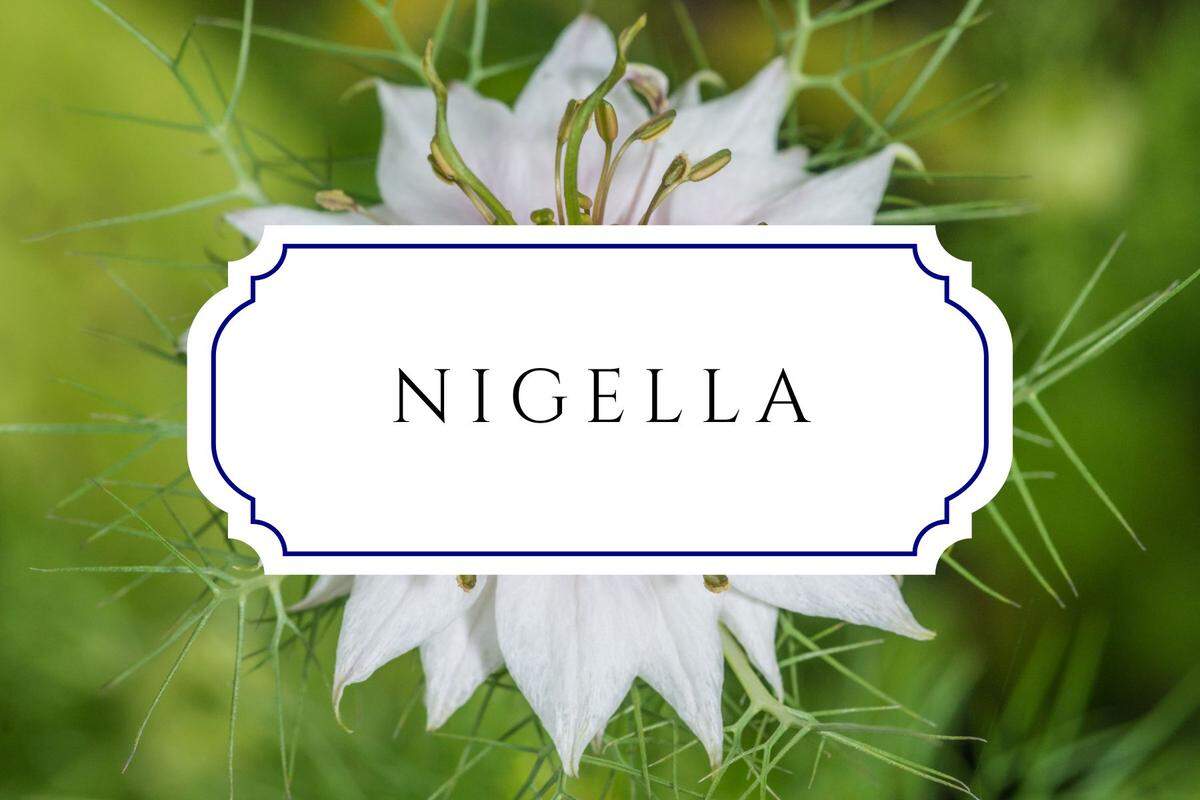
Origin: Nigella is of Latin origin.
Derivation: The name Nigella is derived from the Latin word nigellus, meaning “dark” or “black,” referencing the dark seeds of the plant Nigella sativa, also known as black cumin.
Similar-sounding names: Nella, Stella, Noelle, Gabriella, Isabella, Camilla, Ella, Vella, Felicia, Emilia.
1. Caraway
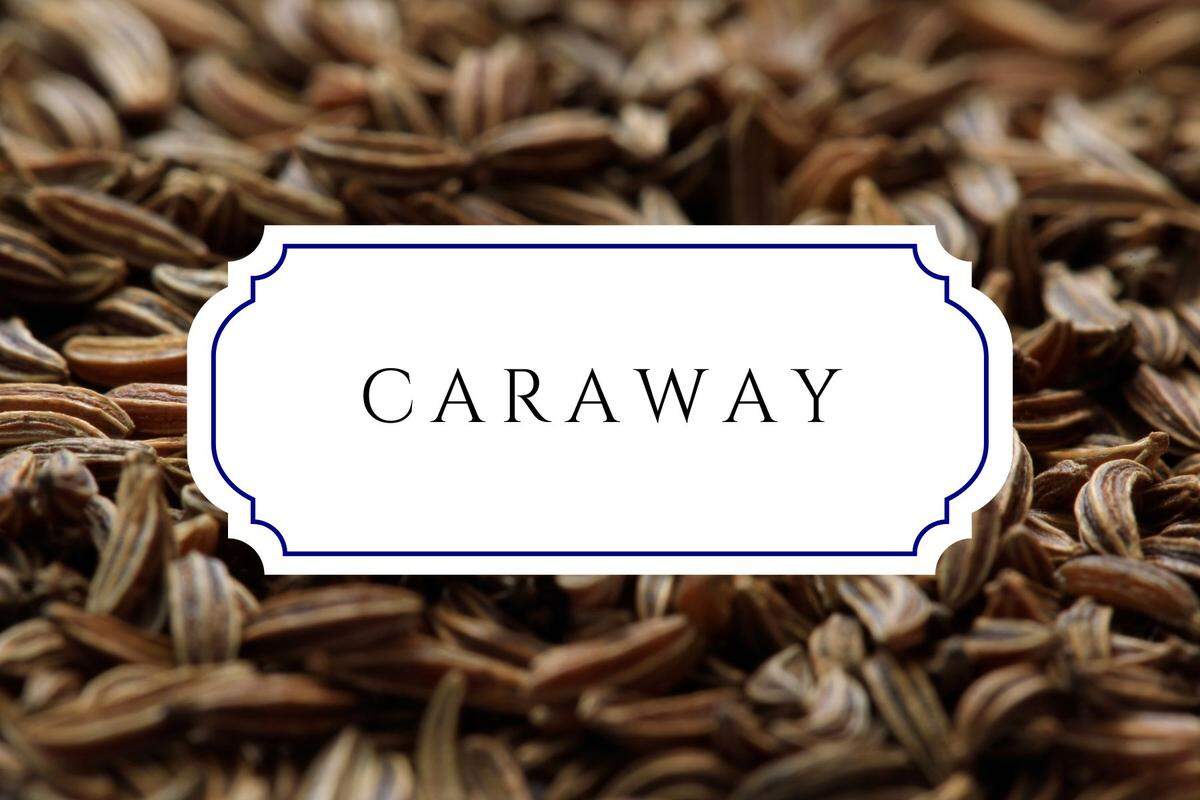
Origin: Caraway is of Old French and Middle English origin.
Derivation: The name Caraway is derived from the Old French word carvi, which comes from the Latin carum, referring to the caraway plant (Carum carvi). The plant is known for its aromatic seeds, which are used in cooking and for medicinal purposes.
Similar-sounding names: Carey, Kara, Carina, Cadey, Carly, Cameron, Kayla, Clara, Mariah, Ariel.
Botanical baby names inspired by fruits and vegetables

We’ve already branched out into baby names related to herbs and spices, so why not take a look at some of the unique baby names inspired by fruits and vegetables.
Again, these are names that you won’t find a lot of on the SSA’s most popular list, but parents are starting to come around to food-related names.
Perhaps we owe a lot of that to the olive, known botanically as Olea europaea.
Not only are the names Oliver (No. 3, boys) and Olivia (No. 1, girls) two of the most popular names used in the U.S. today, but even the name Olive ranked 181st among girls last year.
Aside from Olive-related names, here are 10 other botanical baby names inspired by produce!
10. Anjou
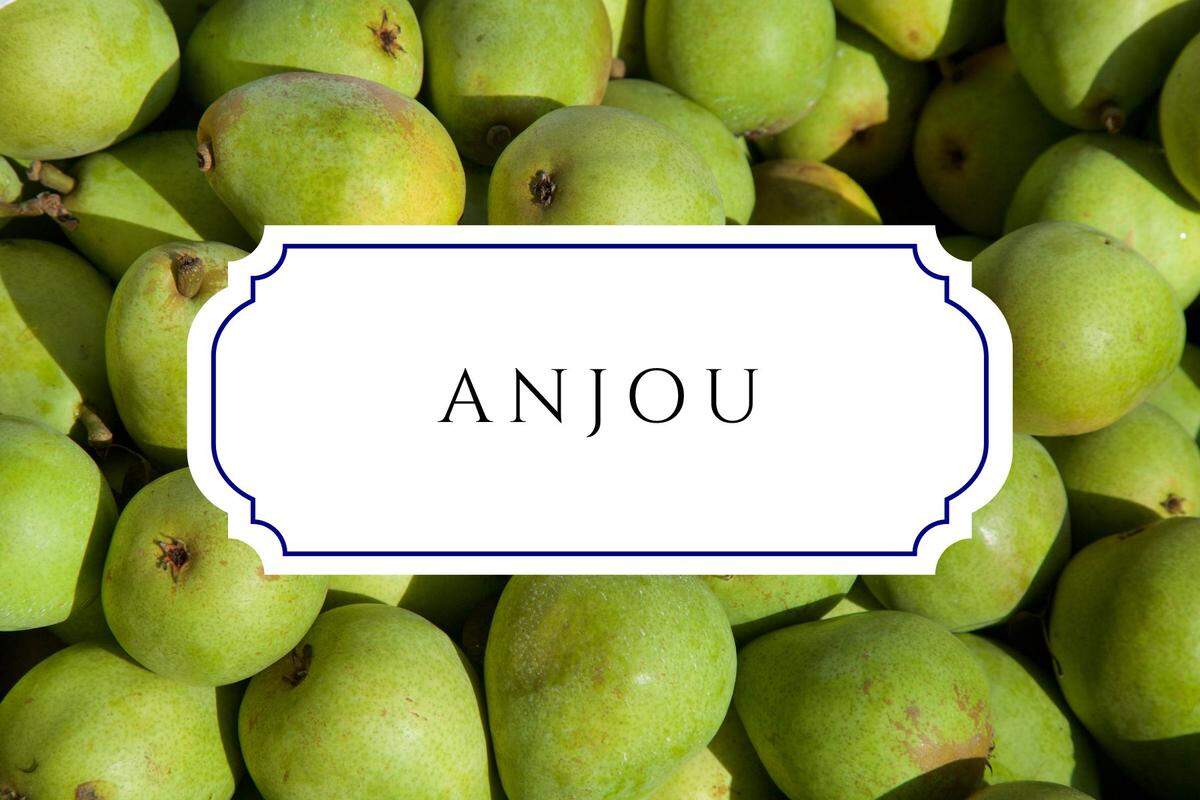
Origin: Anjou is of French origin.
Derivation: The name Anjou comes from the historic region of Anjou in France, which was once a powerful province and the home of the House of Anjou. It also refers to a type of pear known as the French d’Anjou pear, which is believed to have originated in the Anjou area.
Similar-sounding names: Bijou, Angelo, Ansel, Andrea, Anais, Annabelle, Anselm, Arlo, Amadeo, Anwen, Aurelia.
9. Quince
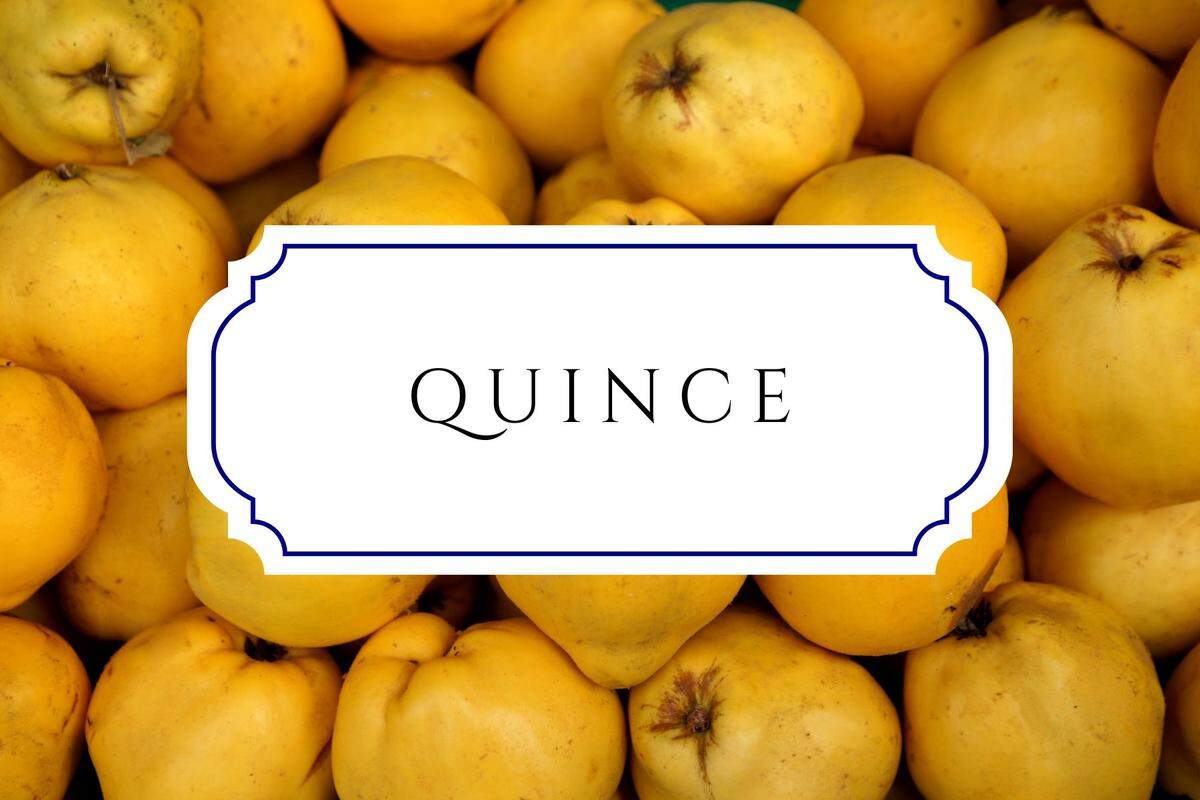
Origin: Quince is of Latin origin.
Derivation: The name Quince is derived from the Latin word cydonia, which refers to the quince fruit, originating from the Cydonia region in ancient Crete. Quince is a pear-shaped fruit that is part of the rose family.
Similar-sounding names: Quinn, Quincy, Quinton, Quinlan, Quintus, Quin, Quincy, Quinby, Quentin, Quinnell.
8. Cerise
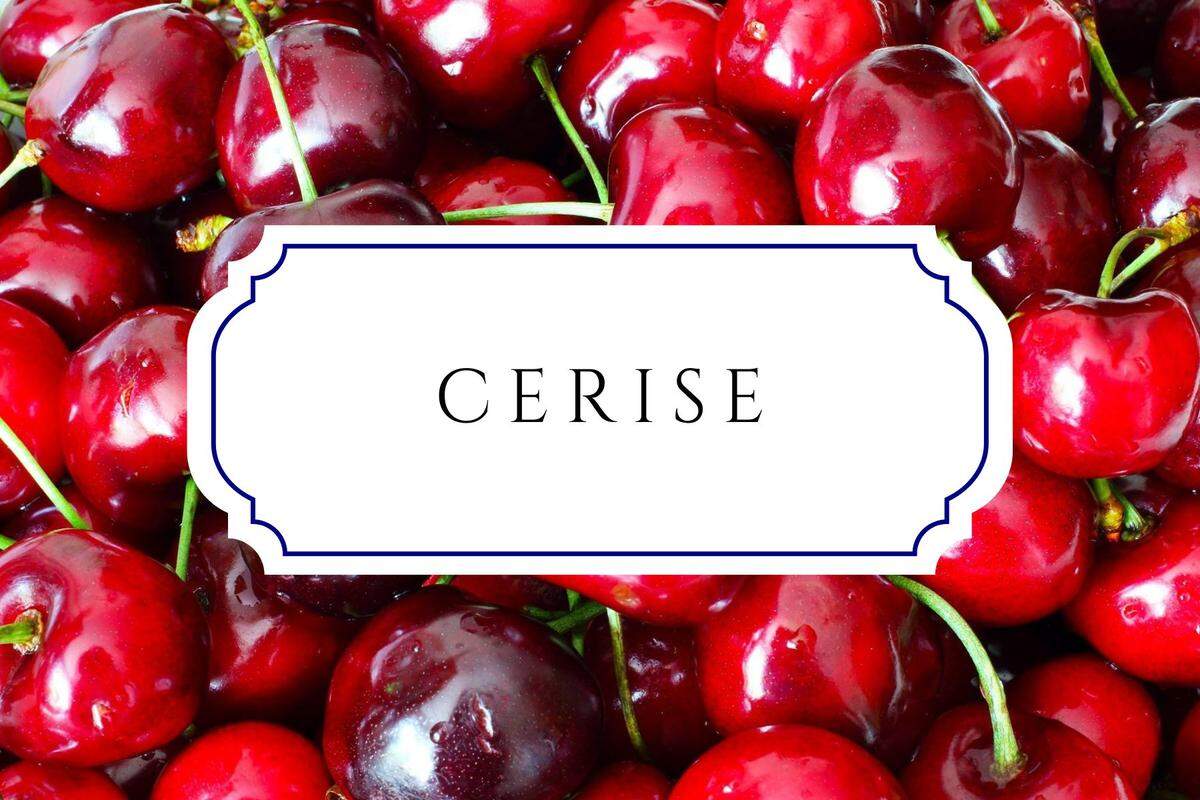
Origin: Cerise is of French origin.
Derivation: The name Cerise comes from the French word cerise, meaning “cherry.” It is derived from the Latin cerasum, which also referred to the cherry fruit.
Similar-sounding names: Elise, Clarisse, Denise, Marise, Cerelia, Teresa, Paris, Celeste, Celine, Selene.
7. Gala
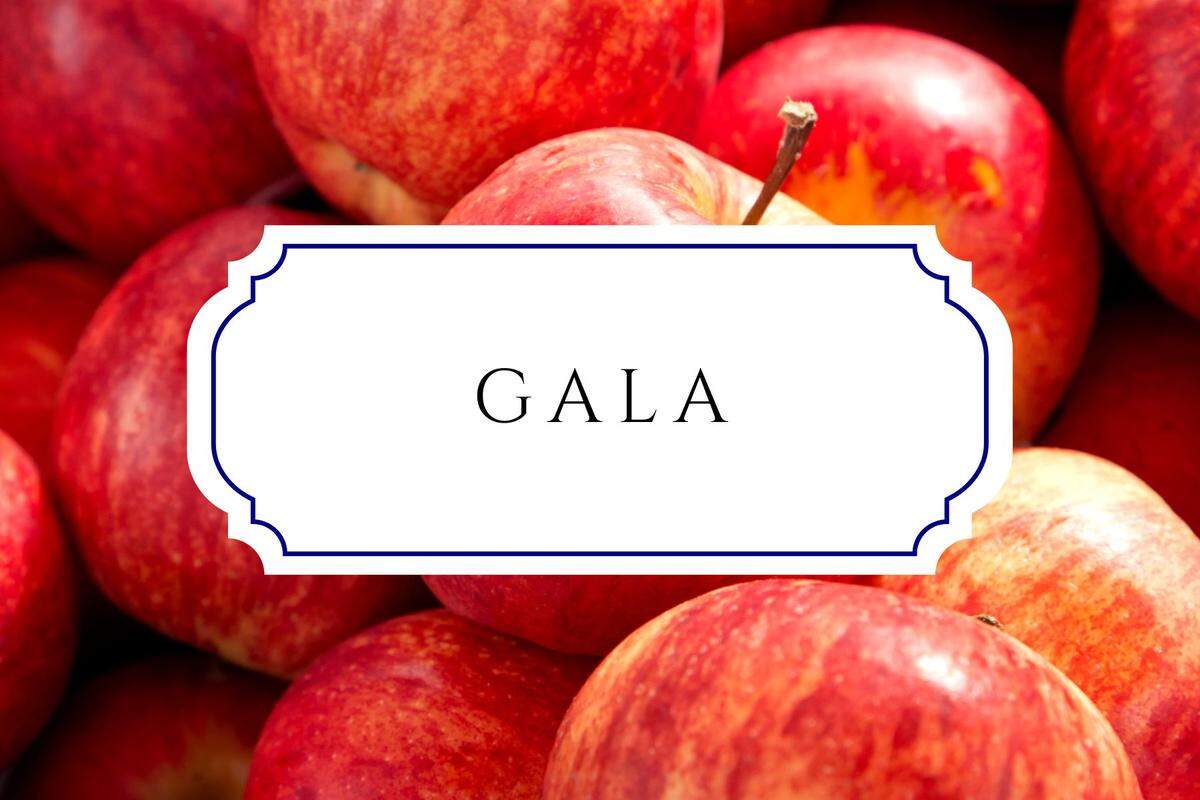
Origin: Gala is of Greek and Latin origin.
Derivation: The name Gala comes from the Greek word gala, meaning “milk,” which symbolizes nourishment and purity. It is also associated with the Latin word gala, meaning “festivity” or “celebration.” In this case, it refers to the Gala apple, which was named in honor of Queen Elizabeth II.
Similar-sounding names: Lara, Gala, Ella, Maya, Clara, Talia, Alia, Amalia, Carla, Stella.
6. Maize
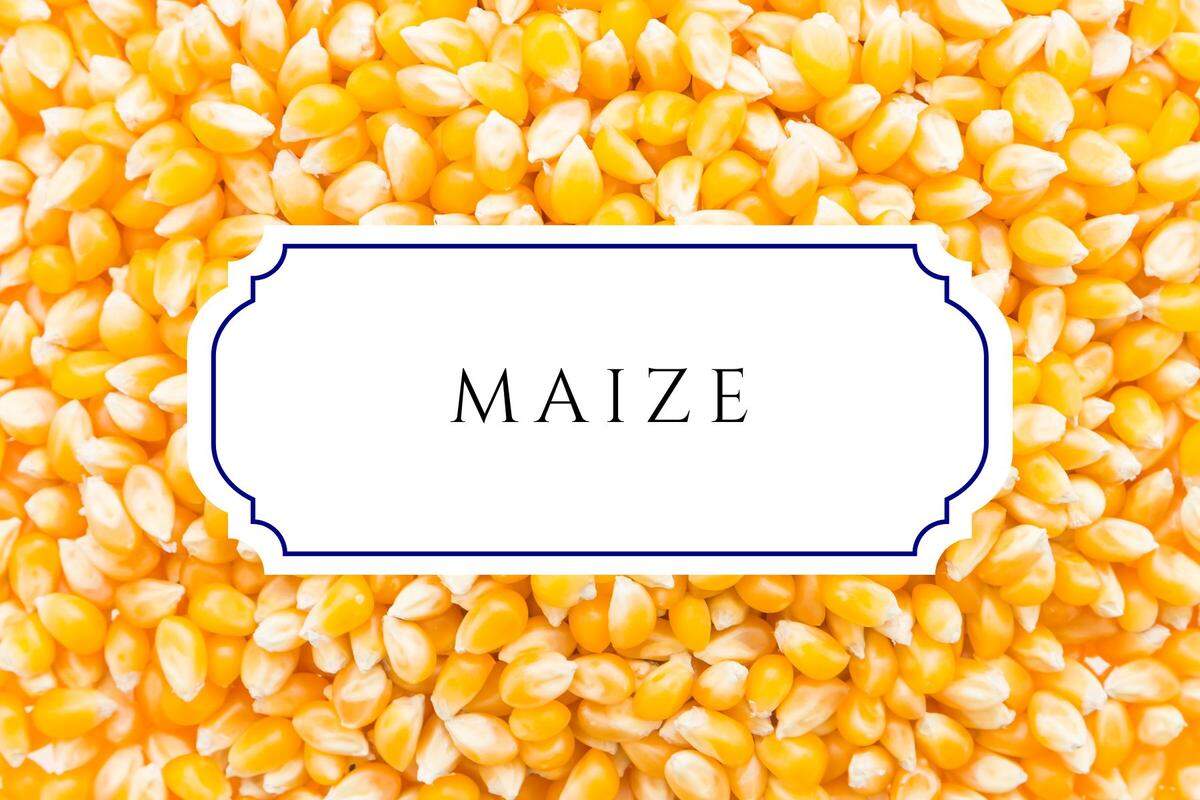
Origin: Maize is of Spanish and indigenous American origin.
Derivation: The name Maize comes from the Spanish word maíz, which is derived from the Taíno word mahiz, referring to the corn plant (Zea mays) that was native to the Americas.
Similar-sounding names: Maisie, Mavis, Mason, Maya, Maisa, Mae, Maris, Malaya, Maura, Marcela.
5. Berry
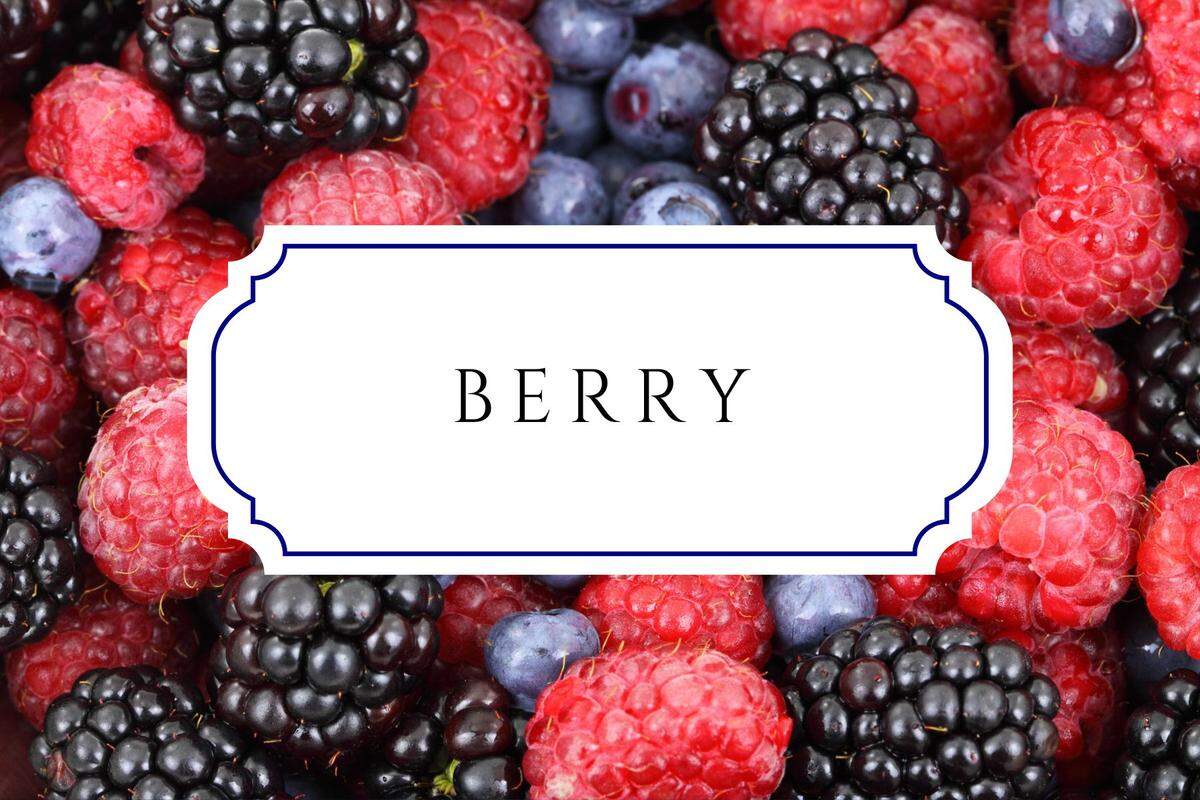
Origin: Berry is of Old English and Latin origin.
Derivation: The name Berry is derived from the Old English word berie, meaning “berry” (a small, round fruit). It is also linked to the Latin bacca, meaning “fruit” or “berry.”
Similar-sounding names: Barry, Beryl, Bonnie, Blair, Bessie, Brie, Berry, Paris, Carrie, Terry.
4. Clementine
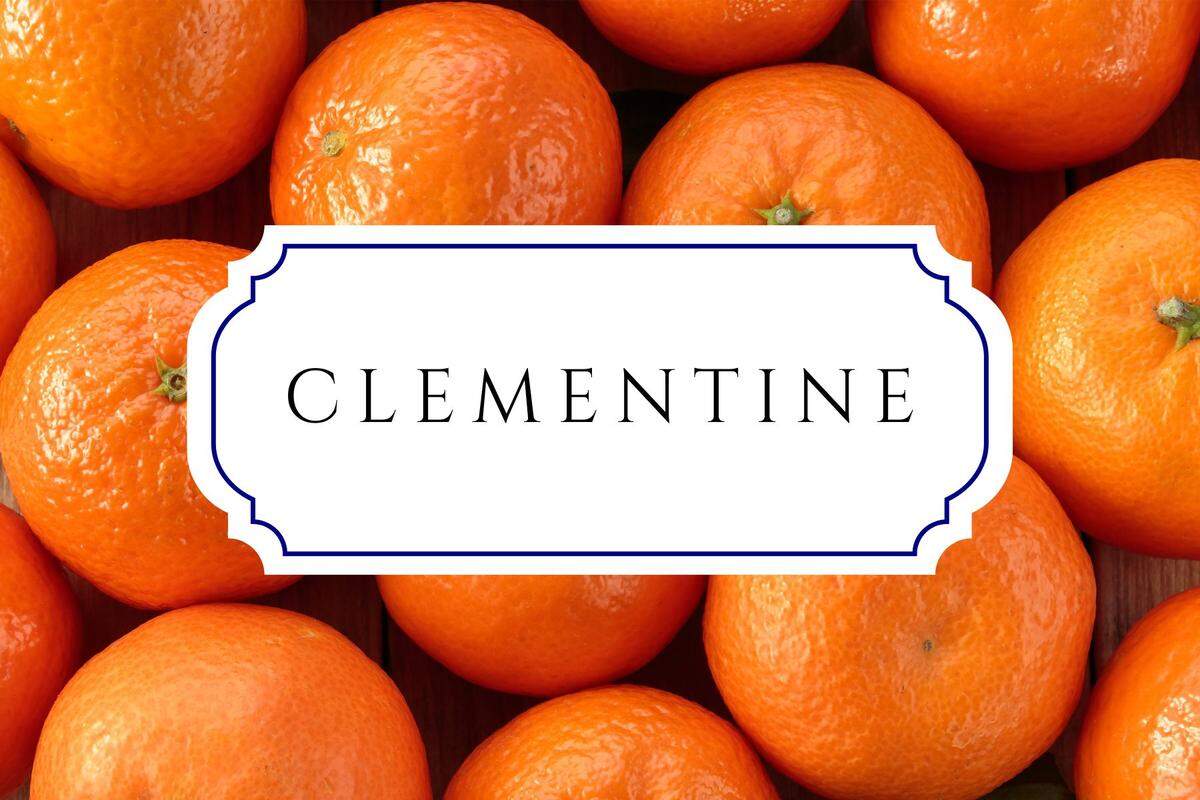
Origin: Clementine is of Latin and French origin.
Derivation: The name Clementine comes from the Latin clemens, meaning “mild,” “gentle,” or “merciful.” It was popularized in part by the fruit, the Citrus clementina, which is a variety of mandarin orange.
Similar-sounding names: Clement, Cleo, Clara, Charlotte, Emeline, Melanie, Elena, Seraphine, Celeste, Caroline.
3. Kale

Origin: Kale is of Old Norse origin.
Derivation: The name Kale comes from the Old Norse word kál, meaning “cabbage” or “greens.” It is closely associated with the leafy vegetable known as kale, a hardy, nutritious green that has been cultivated for centuries.
Similar-sounding names: Kay, Cale, Kellen, Kyle, Kalea, Kael, Calla, Caleb, Kian, Kora.
2. Jonagold

Origin: Jonagold is of American origin.
Derivation: The name Jonagold is a combination of two apple varieties: Jonathan and Golden Delicious. It was developed in the United States in the 1940s. The name Jonagold represents the blending of the crispness of the Jonathan apple and the sweetness of the Golden Delicious.
Similar-sounding names: Jonah, Jon, Jona, Jolene, Jonas, Juno, Jane, Jodie, Jordyn, Goldie.
1. Cortland
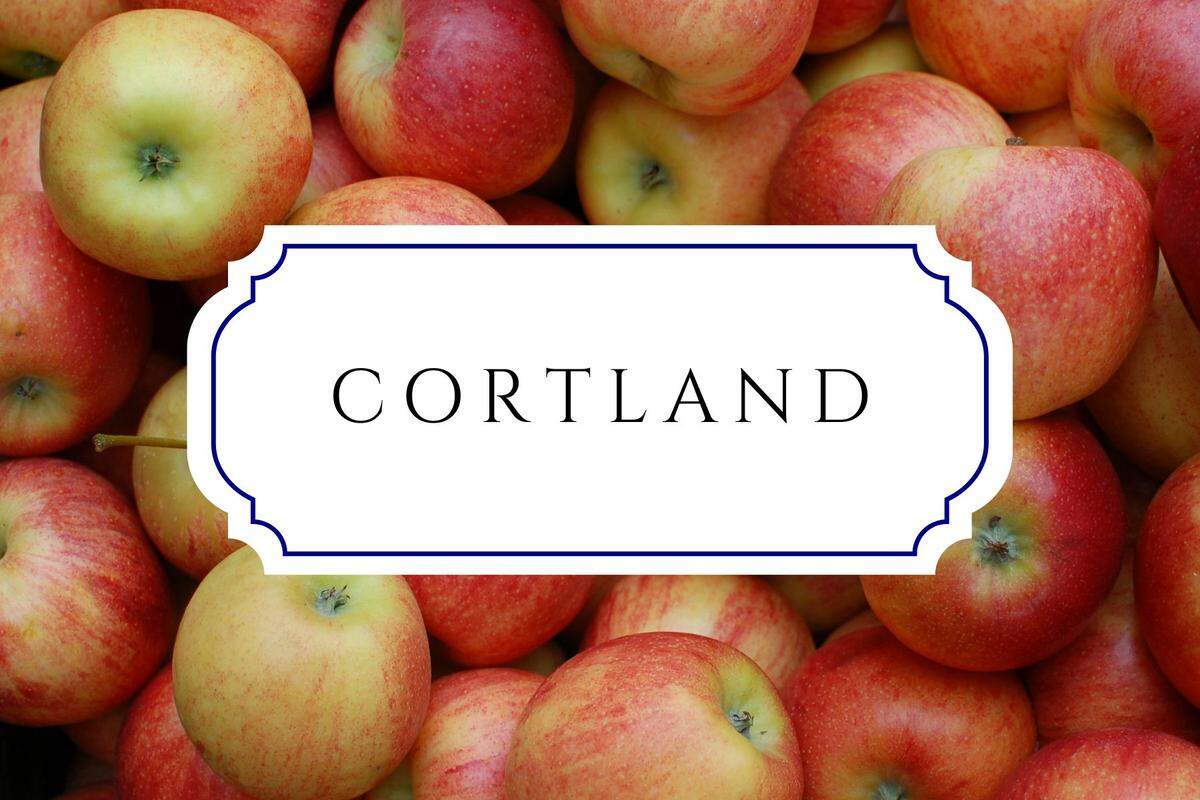
Origin: Cortland is of American origin.
Derivation: The name Cortland is derived from the town of Cortland in New York, which is named after the prominent Dutch colonial family, the Cortlandt family. It also refers to a type of apple, which was developed in New York in the 19th century by crossing Ben Davis and McIntosh apples.
Similar-sounding names: Carlton, Colton, Cort, Courtland, Caroline, Clinton, Dalton, Clayton, Curtis, Colin.
Botanical baby names are growing more popular every year

Botanical baby names are all the rage today. They’re literally climbing up the SSA’s rankings in the same way a vine climbs up the side of your home.
And if you take a look at the botanical baby names above, you can see why.
Not only do they have that euphonious sound parents want in a name, but they often come with beautiful, positive, and meaningful connotations that give the name layers and a sense of personality.
But that doesn’t mean finding a botanical baby name is easy.
Some parents will find that perfect name right away, while others will spend days, weeks, and even months searching.