8 Global Cultural Festivals Offering the Ultimate Immersive Travel Experiences in 2026
Cultural festival travel is no longer a niche pursuit for backpackers — it’s reshaping how the majority of travelers plan their trips. According to 2025 Skift research, 86% of travelers now prioritize immersive experiences over traditional sightseeing, with millennials (80%) and Gen Z (75%) leading the shift toward entertainment, sports and cultural activities abroad.
That same hunger for the local and the authentic is showing up in long-haul travel too. A 2026 study by the European Travel Commission found long-haul travelers to Europe are increasingly seeking off-beat, locally rooted experiences over the standard tourist circuit. Planning a trip around a cultural festival sits squarely at the intersection of both trends.
Why Cultural Festivals Are So Popular
A few short days inside a local celebration can deliver the kind of immersion that weeks of conventional sightseeing rarely match. The colors, the community rituals, the food and the music compress an entire cultural identity into a fleeting, unforgettable window — and that’s exactly what the data shows modern travelers are after.
Festivals also solve a planning problem: they give a trip a clear anchor date and a built-in reason to choose one destination over another. Instead of wandering a city as a spectator, you arrive as a participant on the one day the city is most itself.
8 Cultural Festivals Worth Planning a Trip Around
These eight festivals span four continents and cover everything from ancient Inca rites to ice sculptures the size of buildings. Each one is the kind of event a trip can be built around.
- Holi Festival of Colors — India. Held on the last full moon of the lunar month Phalgun (usually March, sometimes late February), Holi is widely considered the world’s most colorful festival. Revelers throw colored powder and water on everyone in sight to mark the victory of good over evil, the arrival of spring and new beginnings. It is rooted in the story of Lord Krishna, a reincarnation of Lord Vishnu, who played pranks splashing maids with water and colors.
- Naadam Festival — Mongolia. Running July 10–13 in Ulaanbaatar, Naadam is locally called “the three games of men” — a tournament of archery, wrestling and bareback horse riding. It is the biggest festival of the year in Mongolia and a rare opportunity to experience Mongolian culture up close, with colorful costumes and ancient performances.
- Rio Carnival — Rio de Janeiro, Brazil. Held annually in the days before Ash Wednesday, Rio Carnival is the biggest carnival in the world. Expect elaborate parades, nonstop samba and vibrant costumes crafted by local samba schools in a massive showcase of Brazilian culture.
- Inti Raymi — Cusco, Peru. This “Festival of the Sun,” held every June 24 at the Sacsayhuamán archaeological site, is an ancient Inca celebration honoring the sun god Inti. It is the second-largest festival in South America, featuring Indigenous Andean music, traditional attire and historical re-enactments.
- Yi Peng Lantern Festival — Chiang Mai, Thailand. On the evening of the full moon in the 12th month of the Thai lunar calendar — usually November — thousands of lanterns are released across the city. Yi Peng is often celebrated alongside Loy Krathong, with three days of parades, markets and candle lightings.
- Harbin Ice Festival — China. Running from the end of December through February, the festival draws millions from across China and around the world to see massive ice sculptures built specifically for the event.
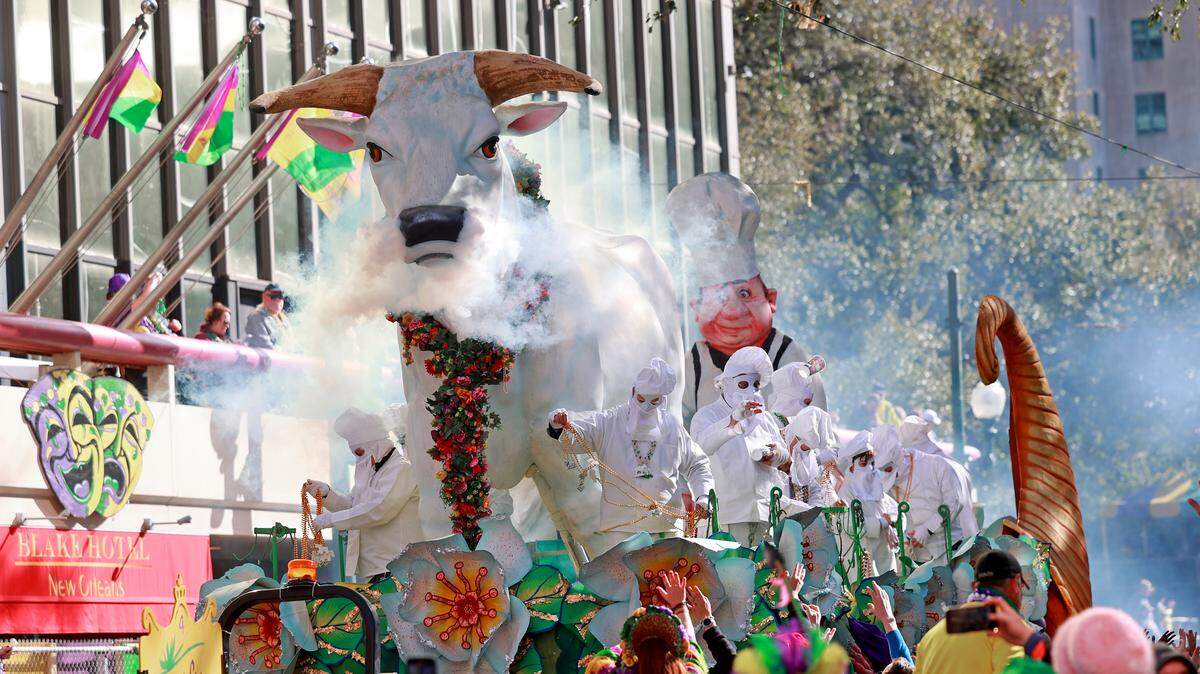
- Mardi Gras — New Orleans. The season begins on January 6, or Twelfth Night, and runs through the day before Ash Wednesday, with the biggest parades and parties packed into the final two weeks. Locals emphasize community over chaos — Mardi Gras is really about a gathering of family and friends of all ages, with formal balls and costumed parades that extend well beyond Bourbon Street.
- August Moon Festival — Greece. Held annually in August around the full moon, this festival opens the Acropolis, the Roman Agora and more than 100 archaeological sites, monuments and museums nationwide for theatrical performances, poetry readings and concerts that run through the night.
This article was created by content specialists using various tools, including AI.