Food Travel Destinations for Pizza Lovers: Which 5 Cities Top the Must-Visit List?
Pizza lovers planning their next trip have some major decisions to make. These five food travel destinations — two in Italy, three in the U.S. — each invented or popularized a regional style that changed how the world eats its favorite pie.
Which Food Travel Destinations Top the List for Pizza Lovers?
The five food travel destinations every pizza fan should put on their list are Naples, Italy; Palermo, Italy; New York; Chicago; and St. Louis. Each city either invented or popularized a distinct style — and in most cases, the original pizzeria is still open and serving the same pie that put it on the map.
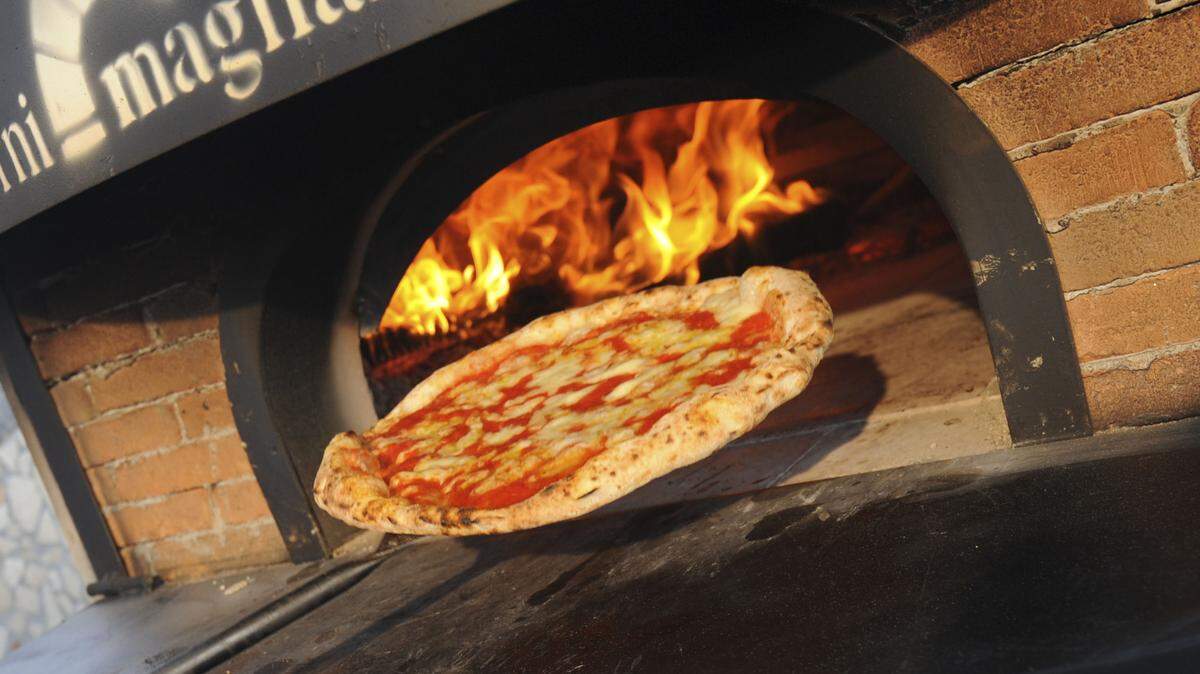
Naples is the original. The city’s wood-fired Neapolitan pies — soft, thin centers ringed by a high, airy, slightly charred crust — are so historically and culturally significant that UNESCO formally recognized the craft of Neapolitan “Pizzaiuoli” in 2017. The most famous version, the Margherita, was invented there in 1889.
A few hours south, Palermo gave the world sfincione, the Sicilian-style pizza popularized in the 1800s. Its thick, focaccia-like rectangular crust is topped with tomato sauce, local cheeses and savory ingredients like anchovies or onions.
In the U.S., the pizza story starts in New York. Italian immigrants arrived through the city in the late 1800s, bringing their food traditions with them. The first American pizzeria opened in downtown Manhattan in 1905, and the city’s signature thin, circular slice traces directly to that moment.
Chicago took pizza in a completely different direction. In 1943, three Chicagoans introduced deep-dish — a pan-baked pie with enormous amounts of cheese, a thick pastry-like crust and tomato sauce poured on top — at a restaurant that still operates today.
St. Louis rounds out the list with one of the most distinctive American styles: an ultra-thin, cracker-like crust topped with sweet tomato sauce and Provel cheese, then cut into small squares. It’s unlike anything else in the country, and locals are fiercely loyal to it.
Why Is Naples Considered the Birthplace of Pizza?
Naples is widely recognized as the birthplace of pizza as we know it today, and the city’s signature Neapolitan style is the foundation for nearly every pizza tradition that followed.
Neapolitan pizza is characterized by a round, soft dough with a very thin center and a high, airy crust spotted with bits of char. It’s baked in a wood-fired oven at extremely high temperatures — often over 800 degrees — for an extremely short amount of time, usually just a minute or two. The combination produces the puffy, leopard-spotted cornicione (crust edge) that pizza purists travel across the globe to taste.
The process is so historically and culturally significant that the craft followed by Neapolitan “Pizzaiuoli” (pizza-makers) has been defined by particular UNESCO specifications since 2017. That recognition codified centuries of technique — from how the dough is hand-stretched to how the wood-fired oven is managed — as protected intangible cultural heritage.
One of the most popular versions of Neapolitan pizza, the Margherita, was invented at Pizzeria Brandi by Raffaele Esposito in 1889. The pie — topped with tomato, mozzarella and basil to mirror the red, white and green of the Italian flag — was created to honor Margherita, the Queen of Italy, on a royal visit to the city. The name stuck, and the Margherita became one of the most recognizable dishes in the world.
Pizzeria Brandi is still open today, more than 135 years after that royal moment. For travelers, eating a Margherita at the restaurant where it was invented is one of the most direct food-history experiences in Europe — and a reason Naples consistently ranks at the top of pizza-focused itineraries. Between Brandi, the dozens of other historic pizzerias scattered across the city, and the UNESCO-recognized tradition behind every pie, Naples remains the gold standard for anyone who takes pizza seriously.
What Is Sicilian-Style Pizza and Where Did It Come From in Palermo?
Sicilian-style pizza was popularized in Palermo in the 1800s, where it’s known locally as “sfincione” — a word that translates roughly to “thick sponge.” It’s one of the oldest regional pizza traditions in Italy, and it looks almost nothing like the round Neapolitan pies served farther north.
Sicilian pizza is rectangular, with a focaccia-like thick crust that is soft and airy inside. The traditional version in Palermo is topped with tomato sauce and local cheeses like caciocavallo or tuma, and it often features savory ingredients like anchovies or onions. The result is closer to a hearty bread-and-tomato dish than to the thin, fast-baked pies of Naples.
What most Americans recognize as “Sicilian-style” pizza is a descendant of sfincione, not the original. The U.S. version usually keeps the rectangular shape and thick crust but swaps in more traditionally American toppings like mozzarella cheese — and often skips the anchovies entirely. That divergence is why a Sicilian slice from a New York pizzeria can taste dramatically different from a slab of sfincione bought at a bakery in Palermo.
For food travelers, that difference is part of the appeal. Palermo’s street-food scene is one of the most celebrated in Europe, and sfincione is woven into it — sold from bakeries, market stalls and small family-run shops. Eating it in its city of origin offers a clearer picture of how pizza varies regionally across Italy, where every area has its own dough, its own cheese tradition and its own approach to toppings.
Pairing a visit to Palermo with a stop in Naples makes for a natural Italian pizza pilgrimage: one trip, two distinct styles, both rooted in centuries of local tradition and still being made the way they were when they first appeared on the island and in the south of the mainland.
What’s the Difference Between New York and Chicago Pizza?
New York pizza is a thin, circular pie that descends directly from Neapolitan tradition, while Chicago deep-dish is a thick, casserole-style pie built upside down — with cheese on the bottom and sauce on top. Both styles were created by immigrants and entrepreneurs in the early 20th century, and both cities still serve them at the original pizzerias that started it all.
Italian immigrants came to the U.S. through New York in the late 1800s, bringing foods from their home country — including pizza — with them. In 1905, Gennaro Lombardi opened the first pizzeria in the U.S. in downtown Manhattan. Fittingly named Lombardi’s, it’s still open today. Lombardi is also credited with creating the specific New York–style pizza: a circular pie with a fairly thin crust that became the template for slices served across the city and the country.
Chicago’s pizza story started decades later and went in the opposite direction. In 1943, Ric Riccardo, Ike Sewell and his wife Florence introduced Chicago-style deep-dish pizza at Pizzeria Uno. As ChicagoHistory.org explains, the Chicago style was marked by three characteristics: “(1) enormous amounts of cheese and a thick, sweet pastry shell crust; (2) very high oven temperatures (600°F) while baking, with plentiful amounts of cornmeal sprinkled in the pan to help insulate the bread; and (3) very long cooking times (fifty to sixty minutes for a medium-sized pie).”
Because deep-dish pies are baked in casserole-depth pans at high temperatures, the layering is reversed: cheese goes on the bottom, toppings come next, and then tomato sauce is added on top to keep the cheese from burning during the long cook. The original Pizzeria Uno is now a chain with 100 locations, but the first Uno in Chicago still serves deep-dish in the same building where it was invented more than 80 years ago — making it a required stop for any pizza traveler heading to the Midwest.
What Makes St. Louis-Style Pizza Different?
St. Louis-style pizza stands out for three reasons: an extremely thin, cracker-like, yeast-free crust; a topping of Provel cheese — a processed blend of cheddar, Swiss and provolone — and a distinctive “tavern cut” that slices the pie into small squares or rectangles rather than triangular wedges. Toppings are spread to the very edge of the crust, and the tomato sauce is noticeably sweet.
The style traces back to 1945, when a man named Amedeo Fiore is credited with inventing the cracker-like crust and the small-square cutting method. The signature gooey Provel cheese came later, introduced in the 1950s by Parente’s Pizza. Together, those two innovations gave St. Louis a pizza unlike anything else in the country — a pie that pizza fans either fiercely love or politely decline, with very little middle ground.
Today, the most popular spot to get St. Louis-style pizza is Imo’s Pizza, the local chain credited with helping popularize the style since 1964. Imo’s calls itself “the square beyond compare,” a nod to the tavern cut that defines the regional style. For food travelers, it’s the easiest entry point — Imo’s has dozens of locations across the metro area, so trying the city’s signature pie doesn’t require hunting down a single restaurant.
What makes St. Louis worth a stop for pizza lovers is that the style is so geographically contained. Unlike New York or Chicago pizza, which have been exported and imitated everywhere, true St. Louis-style pizza is rarely served outside the region. The Provel cheese alone is hard to find in other parts of the country, and the cracker-thin crust isn’t replicated on most national menus. For travelers building a U.S. pizza tour, adding St. Louis to the itinerary alongside New York and Chicago covers the three most distinct American regional styles — and rounds out a food travel route that started in Naples and Palermo with a uniquely American finish.
For more information: What Are the Best Food Travel Destinations Around the World? Everything You Need to Know
This article was created by content specialists using various tools, including AI.