Travelers Are Booking Vacations Just to Sleep Better — Inside the Sleep Tourism Boom
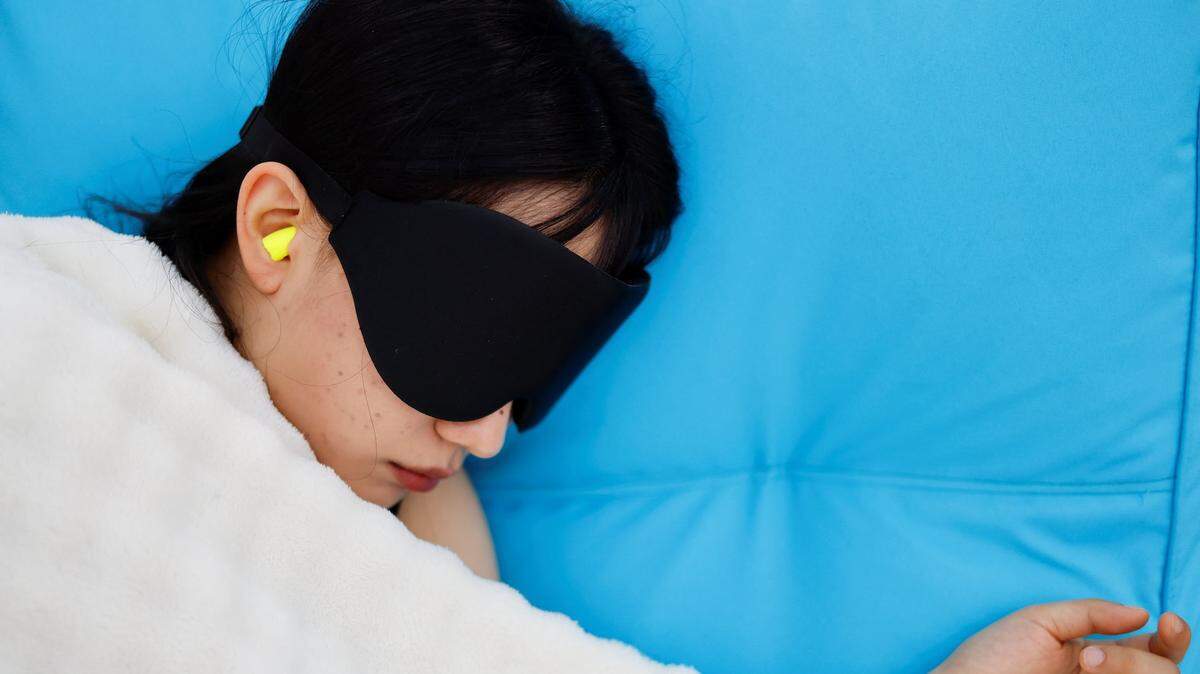
Vacations built around blackout curtains, smart mattresses and sleep coaches are no longer a niche wellness experiment. Sleep tourism — travel designed entirely around getting better rest — is shaping up to be one of the biggest travel trends of 2026, as hotels and resorts pivot from packed itineraries to programs that treat a good night’s sleep as the main attraction.
The shift comes as Americans report record levels of stress and sleep deprivation, and as the global sleep economy balloons into a multibillion-dollar industry. A 2024 report by HTF Market Intelligence valued the global sleep tourism sector at more than $690 billion, with projected growth of another $400 billion between 2024 and 2028.
What Sleep Tourism Actually Looks Like In 2026
Sleep tourism goes well beyond a fancy pillow menu or a turndown service. It centers on creating an environment where rest is the entire point of the trip — through week-long wellness retreats, medical-led stays that diagnose underlying sleep issues, or hotel packages built around spa treatments, circadian rhythm support and recovery-focused programming. Properties are increasingly bringing in outside specialists to design these experiences, layering sleep science onto traditional hospitality.
“People have long been looking at their diet and physical health via fitness, but the next chapter is sleep,” sleep and dream expert Charlie Morley told National Geographic. Morley, who has partnered with hotels including Nômade in Tulum and Kimpton Fitzroy London, added, “Hotels have realised that people are using these trips, where they’re away from work or their children, as a chance to really prioritise good sleep.”
Why Sleep Tourism Is Booming Now
The trend is rising in direct response to a sleep crisis playing out across the U.S. According to the Centers for Disease Control and Prevention, roughly 36% of Americans are getting insufficient sleep, and a Gallup survey points to rising stress levels, with about half of people reporting both stress and sleep problems. Travelers, in turn, are looking for trips that solve a problem rather than add to it.
The National Sleep Foundation’s 2025 Sleep in America Poll found that six in 10 adults do not get the recommended seven to nine hours of quality sleep each night. Nearly four in 10 struggle to fall asleep at least three nights a week, and almost half wake up often during the night. A 2025 ValuePenguin analysis found U.S. adults now average nine hours of sleep per day, up from eight hours and 28 minutes two decades ago — but the National Sleep Foundation notes that more time in bed does not necessarily mean better rest.
How Better Sleep Affects Overall Well-Being
Sleep tourism’s pitch isn’t only about feeling rested on vacation — it’s tied to a broader message about long-term health. The same NSF study found that adults with good sleep satisfaction are nearly twice as likely to flourish in life compared to those dissatisfied with their sleep. Researchers are increasingly framing sleep as a foundational pillar of mental and physical health, alongside diet and exercise.
“Poor sleep health is a major risk factor for lower well-being across multiple areas of life,” said Dr. Joseph Dzierzewski, the NSF’s senior vice president of research. “Prioritizing sleep health can improve mental health, workplace efficiency, and stronger personal relationships.”
John Lopos, CEO of the foundation, added, “Sleep is fundamental to thriving across many aspects of life. These results reinforce how crucial positive sleep health is to basic achievements that go beyond physical health.”
How To Plan a DIY Sleep Staycation at Home
Not everyone needs to book a luxury retreat to tap into the trend. Many of the same principles can be recreated at home through a DIY sleep staycation, which starts with treating your bedroom more like a hotel environment. That means upgrading sheets, improving soundproofing, installing blackout shades and finding a mattress and pillow that actually fit your sleep style.
From there, the goal is to carve out a long weekend or a few days off work and build a routine entirely around rest. Popular sleep-focused activities include:
- Evening yoga and meditation before bed
- Relaxing baths and spa-style facials
- Sound baths using white, pink or brown noise
The core idea is to step out of normal routines, reduce screen time and create a space that feels restorative rather than rushed.
What’s Next for Sleep Tourism
Looking ahead, expect hotels to lean harder into data. Smart beds that track sleep quality, app-based coaching and personalized recovery plans are likely to define the next wave of sleep-focused stays, giving guests measurable results to take home.
“The gamification of sleep will continue to grow and this will be maximised by the travel industry with innovations like smart beds. These types of bed will be able to measure the quality of your sleep, allowing you to see what tools or techniques work for you,” Morley told National Geographic. “Soon, hotels really will be able to back up their claims of offering a great night’s sleep with some pretty solid data.”
This article was created by content specialists using various tools, including AI.
For more information: The Best Sleep Retreats in America for Stress Relief and Deep Rest in 2026
This story was originally published May 12, 2026 at 4:27 PM.