Planning Your First Trip to Japan? Here Are 7 Landmarks You Can’t Miss Along the Way
Japan is filled with rich history and stunning natural sights — from snow-capped volcanoes to ancient temples to neon-lit towers. If you’re planning your first visit, the sheer number of options can feel overwhelming. Consider this your cheat sheet: seven famous landmarks that belong on every first-timer’s radar, along with practical tips to help you make the most of each stop.
Mount Fuji
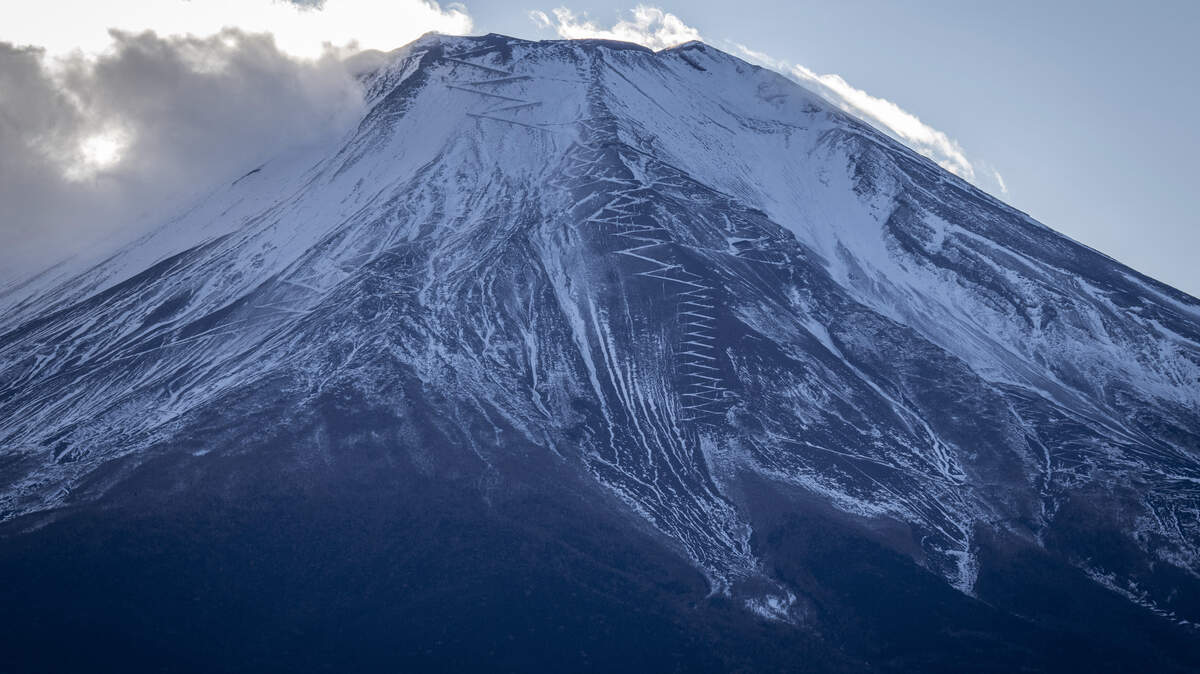
Japan’s iconic and perfectly symmetrical volcano is the country’s highest peak at 3,776 meters, and it’s best viewed from Lake Kawaguchiko. But you don’t have to admire it from a distance. Around 200,000 to 300,000 people climb Mount Fuji every summer, from July through September. A popular strategy is to climb part of the way, stay overnight in a mountain lodge and then continue in the morning to catch the sunrise from the trail. If summiting a volcano sounds like a bold way to kick off your Japan itinerary, that climbing window is worth planning around.
Senso-ji Temple
Tokyo’s oldest temple dates back to the year 645, making it an essential stop in the capital. According to Japan-Guide.com, “The legend says that in the year 628, two brothers fished a statue of Kannon, the goddess of mercy, out of the Sumida River, and even though they put the statue back into the river, it always returned to them. Consequently, Sensoji was built nearby for the goddess of Kannon.”
Before you reach the main hall, you’ll walk through the Nakamise shopping street — a great spot for souvenirs and snacks. One practical tip: visit early morning to avoid crowds, especially if you want photos without a wall of fellow tourists in the background.
Itsukushima Shrine
Located on Miyajima Island, Itsukushima Shrine is home to one of the most photographed scenes in all of Japan. The vermillion torii gate appears to float on the sea at high tide, making it extremely popular for photos. But here’s a detail worth knowing: at low tide, you can walk right up to see the gate up close. Timing your visit around the tides gives you two completely different — and equally memorable — experiences.
Himeji Castle
Nicknamed the “White Heron Castle” for its gleaming white exterior, Himeji Castle showcases early 17th-century Japanese castle architecture. The complex is made up of 83 buildings and contains defense and protection devices dating from the beginning of the Shogun period. It’s a UNESCO World Heritage Site and one of the few original, unreconstructed castles remaining in Japan.
Nara Park and Todai-ji Temple
Here’s a day trip that practically plans itself from Kyoto or Osaka. Nara Park is home to over 1,000 freely roaming sacred deer, and the Todai-ji Temple inside is the world’s largest wooden structure. In the temple sits a massive bronze Buddha statue standing 14.98 meters tall.
Philosopher’s Path
If your trip falls during peak cherry blossom season in spring, the Philosopher’s Path in Kyoto is a must. This canal-side stone walking path is lined with hundreds of cherry trees that are stunning during “sakura” season. The path connects several temples including Ginkaku-ji (Silver Pavilion) and is known as the favorite place of famous philosopher Nishida Kitaro, hence the name.
Tokyo Skytree
At 634 meters tall, Tokyo Skytree is the world’s tallest broadcasting tower. Going up inside offers breathtaking panoramic views of Tokyo, and on a clear day, you can see Mount Fuji in the distance — a fitting full-circle moment if you started your trip at the base of that famous peak.
From ancient temples to towering modern landmarks, these seven sites offer a well-rounded first taste of Japan. Bookmark this list, start mapping out your route and get ready for an unforgettable trip.
This article was created by content specialists using various tools, including AI.