
Health-focused cookbooks and recipes for the new year
January’s arrival always brings a slew of new health-minded cookbooks.
The shelves are filling with the usual books that focus on specific diets to follow (Weight Watchers! Paleo! Low-carb!), but even more so, it seems, with those that approach the preparation of delicious, nutritious food as part of an overall strategy for healthy living. And then there are those buzzy new books that share low-cal, “mock” versions of sinful recipes that everyone loves to pin.
Here are some new cookbooks in each category worth putting on your kitchen counter — right next to the 20-ounce water bottle and food scale, of course.
A Good Food Day: Reboot Your Health With Food That Tastes Great
By Marco Canora and Tammy Walker (Clarkson Potter, $30)
The premise: That “good” food is healthful food that tastes good, too. The co-authors know of which they write: Canora is a restaurateur whose first cookbook, Salt to Taste, was nominated for a James Beard Award; Walker received training at the Institute for Integrative Nutrition.
A Good Food Day includes 125 recipes that incorporate good-for-you ingredients (such as slow carbohydrates and alkaline-forming vegetables) and techniques. There are helpful explanations on food, practices and technique throughout (“Why You Shouldn’t Pass on Grass” compares factory-farm and pasture-raised meats).
Sample recipes: Amaranth polenta with Tuscan kale; black rice seafood risotto; citrus-spiked hazelnut and rosemary granola; ginger-scallion turkey burgers; blueberry and buckwheat buttermilk pancakes.
Low Carb Revolution: Comfort Eating for Good Health
By Annie Bell (Kyle Books, $22.95)
The premise: Designed for people who follow a high-protein, low-carbohydrate diet who might be stuck in a baked chicken rut, Low Carb Revolution includes 140 recipes for classic, rustic, hearty cuisine — from frittatas to fish and chips.
Penned by the award-winning Bell, a former Vogue food writer, the cookbook elevates “diet” food to delicious, satisfying dishes the whole family can enjoy. Each recipe includes carbohydrate and protein counts (but not calories).
Sample recipes: Chile con carne; ultimate coq au vin; shrimp and pepper tagine; spinach and prosciutto frittata; very dark and moussey chocolate cake.
Healthy Latin Eating: Our Favorite Family Recipes Remixed
By Angie Martinez and Angelo Sosa (Kyle Books, $22.95)
The premise: Fans of Latin cuisine know it’s delicious and diverse but not exactly health-conscious. TV and radio personality Martinez and Top Chef alum Sosa are out to prove that it can be. Healthy Latin Eating shares more than 100 recipes from the co-authors’ Cuban, Dominican and Puerto Rican heritages.
Many are Old World dishes updated for a contemporary palate that use healthier ingredient substitutions and cooking methods. Look for guest dishes by Latino celebrities such as actress Rosie Perez, former New York Yankee Robinson Cano and actor/comedian John Leguizamo.
Sample recipes: Red quinoa con pollo; carne adobada; banana leaf-wrapped fish Veracruz; paella Dominicanos; silken soy and almond milk flan.
Chocolate-Covered Katie: Over 80 Delicious Recipes That Are Secretly Good for You
By Katie Higgins (Grand Central Life & Style, $20)
The premise: Have your cake and fit into your skinny jeans, too. Higgins’ blog about healthy desserts, called Chocolate-Covered Katie (chocolatecoveredkatie.com), has more than 100,000 followers on social media.
Hers are the kinds of recipes that the Pinterest world goes crazy for — treats like chocolate birthday cake pops made with plain yogurt and coconut oil. Or peanut butter-fudge brownie dip made with black beans. Or healthy chocolate “notella” that has half the calories of the hazelnut spread everyone loves.
Sample recipes: Peanut butter and jelly candy cups; chocolate-covered thin mintz; chocolate peanut butter cup ice cream; frozen hot chocolate; coconut cloud cupcakes.
Cottage pie with leek and cauliflower mash
Serves 6
This delicate, pale green mash has that wholesome silky texture that is exclusive to leek soups and purees. Smothered with cherry tomatoes and scallions before being baked, the pie is every bit as lavish as the original. Don’t worry too much about the ratio of leeks to cauliflower — you want more or less 2 1/2 pounds in total, but it doesn’t matter too much how you get there.
Beef:
▪ 3 tablespoons unsalted butter
▪ 3 tablespoons extra-virgin olive oil
▪ 2 slim carrots, trimmed, peeled and thinly sliced
▪ 2 ribs celery heart, trimmed and thinly sliced
▪ 1 onion, peeled and finely chopped
▪ 2 tablespoons fresh oregano or marjoram leaves, or 1 tablespoon fresh thyme leaves
▪ 2 1/4 pounds lean ground beef
▪ 3/4 cup red wine
▪ 1 14-ounce can chopped tomatoes
▪ 2 tablespoons tomato paste
▪ 2 teaspoons Worcestershire sauce
▪ Sea salt and freshly ground black pepper
Mash:
▪ 6 cups leeks, thickly sliced
▪ 6 cups small cauliflower florets
▪ Freshly grated nutmeg
▪ Bunch of slim scallions, sliced
▪ 5 ounces small cherry tomatoes, halved
1. Heat half the butter and a tablespoon of olive oil in a medium saucepan over medium heat. Add sliced and chopped vegetables and herbs and cook 5-8 minutes, stirring occasionally, until softened and lightly colored. Add the meat, turn up the heat and cook, stirring occasionally, until it changes color. Add the red wine, chopped tomatoes and paste, Worcestershire sauce, and some seasoning. Bring to a simmer, then cook over very low heat for 50-60 minutes, stirring occasionally, until nearly all the juices have been absorbed. Keep a careful eye on it toward the end to prevent it from burning. Tilt the pan and skim off any surface fat, then taste for seasoning.
2. While the meat cooks, start making the mash. Place leeks and cauliflower in a large saucepan with 2/3 cup water, dot with the remaining butter, and add a tablespoon of olive oil and some salt. Bring the liquid to a simmer, then cover and cook over low heat for 15-25 minutes, stirring halfway through, until very tender. Transfer the contents of the pan into a food processor and reduce to a puree, seasoning it with nutmeg and more salt if necessary. For best results, do this in a couple of batches.
3. Transfer the meat to a shallow ovenproof dish or roasting pan (about 8 by 12 inches), pressing down to level the surface. Spread the mash on top. You can make the pie in advance, in which case leave to cool, cover and chill.
4. Preheat oven to 400 degrees. Toss scallions and cherry tomatoes with remaining tablespoon of oil and spread over the surface. Bake 40-45 minutes, until the vegetables on top are golden.
Nutritional analysis per serving: 640 calories, 42 grams fat, 29 grams carbohydrates, 37 grams protein, 133 milligrams cholesterol, 390 milligrams sodium, 6 grams dietary fiber, 59 percent of calories from fat.
— “Low Carb Revolution”
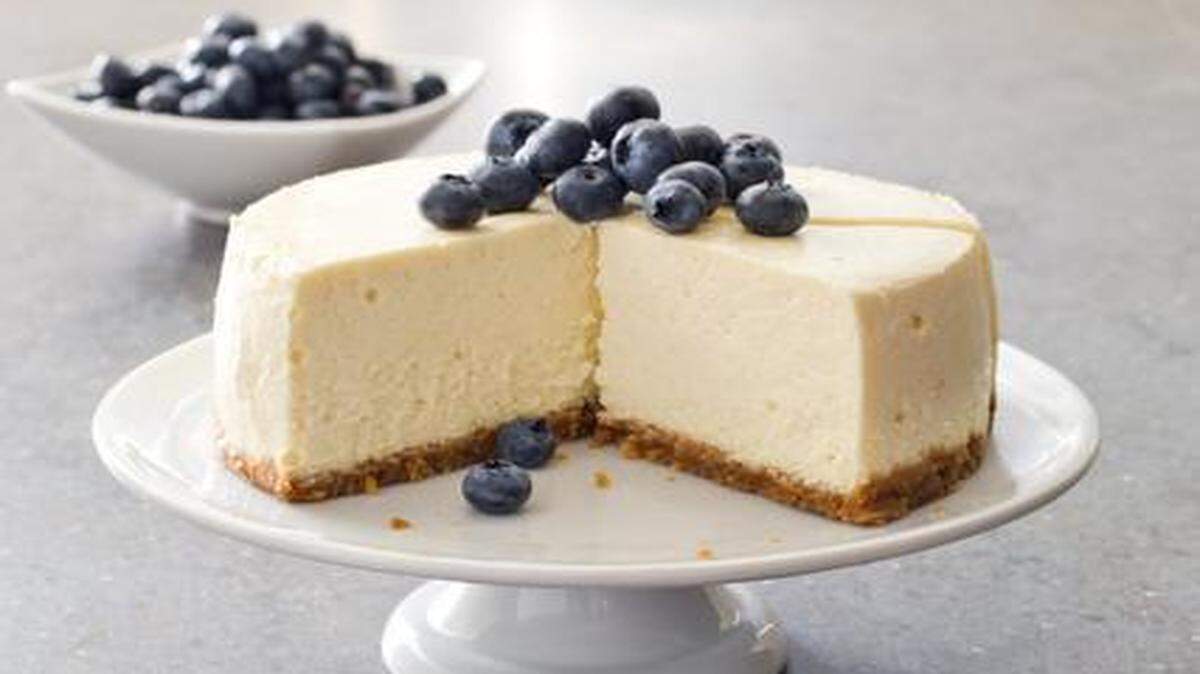
Lemon cheesecake
Serves 8
For the creamiest texture, we turned off the slow cooker once the cake registered 150 degrees on an instant-read thermometer, then let the cheesecake sit in the slow cooker for an hour so it could gently finish cooking. You will need a 5 1/2- to 7-quart slow cooker and 6-inch springform pan for this recipe. Check the temperature of the cheesecake after 1 1/2 hours of cooking and continue to monitor until it registers 150 degrees. To make neat slices, dip the knife blade into hot water and wipe it clean with a dish towel after each cut.
▪ 6 whole graham crackers, broken into 1-inch pieces
▪ 2 tablespoons unsalted butter, melted and cooled
▪ 2/3 cup (4 2/3 ounces) plus 1 tablespoon sugar
▪ Pinch ground nutmeg
▪ Salt
▪ 2 tablespoons grated lemon zest plus 3 tablespoons juice (2 lemons)
▪ 12 ounces 1/3 less fat cream cheese (neufchatel), softened
▪ 6 ounces (3/4 cup) 1 percent cottage cheese, drained
▪ 1/4 cup sour cream
▪ 2 large eggs, room temperature
1. Pulse graham crackers in a food processor to fine crumbs, about 20 pulses. Add melted butter, 1 tablespoon sugar, nutmeg and pinch salt and pulse to combine, about 4 pulses. Sprinkle crumbs into 6-inch springform pan and press into even layer using bottom of dry measuring cup. Wipe out processor bowl.
2. Process 2/3 cup sugar and lemon zest in food processor until sugar is yellow and fragrant, about 15 seconds. Add cream cheese, cottage cheese and 1/4 teaspoon salt and process until combined, about 15 seconds. Add sour cream, eggs and lemon juice and process until just incorporated, about 15 seconds. Pour filling into prepared pan and smooth top.
3. Add 1/2 inch water (about 2 cups) to slow cooker and place aluminum foil rack in bottom. Set cheesecake on rack in prepared slow cooker, cover and cook until cake registers 150 degrees, 1 1/2 to 2 1/2 hours on high. Turn slow cooker off and let cheesecake sit, covered, for 1 hour.
4. Transfer cheesecake to wire rack. Run small knife around edge of cake; gently blot away condensation using paper towels. Let cool in pan to room temperature, about 1 hour. Cover with plastic wrap and refrigerate until well-chilled, at least 3 hours or up to 3 days.
5. About 30 minutes before serving, run small knife around edge of cheesecake, then remove sides of pan. Slide thin metal spatula between crust and pan bottom to loosen, then slide cheesecake onto serving platter.
Nutritional analysis per serving: 268 calories, 14 grams fat, 27 grams carbohydrates, 9 grams protein, 89 milligrams cholesterol, 437 milligrams sodium, trace dietary fiber, 46 percent of calories from fat.
— “Slow Cooker Revolution”
Pork medallions with fennel-white wine sauce
Serves 4
▪ 1 large garlic clove, peeled
▪ 1 tablespoon roughly chopped fresh rosemary
▪ 1 tablespoon roughly chopped fresh sage
▪ 3 tablespoons extra-virgin olive oil
▪ 1 pound pork tenderloin, cut into 1/2-inch-thick medallions
▪ Fine sea salt and freshly ground black pepper
▪ Half of a large fennel bulb, cut into small dice
▪ 1/4 cup dry white wine
▪ 1/4 cup chicken broth
1. Smash garlic clove with the flat side of a knife and roughly chop it. Combine rosemary, sage and garlic on the cutting board and finely chop them together.
2. In a 12-inch skillet, heat 2 tablespoons olive oil over high heat. Season both sides of the pork medallions with salt and pepper. When the oil is smoking hot, add medallions in one layer and cook, untouched, for 1 1/2 minutes. Flip each medallion and cook until they’re nicely browned, another 1 1/2 minutes. Transfer the pork to a plate to rest.
3. Add remaining 1 tablespoon olive oil to the pan (still over high heat), add fennel, and season with salt. Cook for 1 minute, using a wooden spoon or rubber spatula to scrape up the browned bits of pork on the bottom as it cooks. Add the garlic-herb mixture, toss with the fennel, and cook for 30 seconds. Pour in the white wine, chicken broth and any juices the pork has released on the plate. Boil for 1 1/2 minutes, until there’s only about 2 tablespoons of liquid left. Spoon the pan sauce over the pork and serve.
Nutritional analysis per serving: 249 calories, 14 grams fat, 3 grams carbohydrates, 25 grams protein, 74 milligrams cholesterol, 75 milligrams sodium, 1 gram dietary fiber, 54 percent of calories from fat.
— “A Good Food Day”
The famous chocolate chip cookie dough
Makes about 3 cups
Without a doubt, this is the No. 1 most popular recipe on chocolatecoveredkatie.com. It’s been featured in Bon Appetit, Cooking Light and Shape magazines, and readers are always amazed that it really does taste just like cookie dough! Serve it as a dessert dip with graham crackers, gingersnaps or banana slices. Or … just eat it with a spoon. (Isn’t that how you’re supposed to eat cookie dough?)
▪ 1 (15-ounce) can chickpeas or white beans, drained and rinsed very well
▪ 2/3 cup xylitol or granulated sugar of choice
▪ 1/4 cup peanut butter or allergy-friendly alternative, or 3 tablespoons vegetable oil or melted coconut oil
▪ 3 tablespoons rolled oats, quick oats or ground flax
▪ 2 teaspoons pure vanilla extract
▪ 1/8 heaping teaspoon baking soda
▪ 1/8 teaspoon plus 1/16 teaspoon salt
▪ Up to 1/4 cup milk of choice
▪ 1/3 to 1/2 cup chocolate chips or homemade chocolate chips
1. In a high-quality food processor (a blender is not recommended here, but see note below), process all ingredients except milk and chocolate chips until completely smooth. Add up to 1/4 cup milk as needed, and blend until the final result has the texture of cookie dough.
2. Turn off the food processor and stir in the chocolate chips. Refrigerate leftovers in a covered container for up to 4 days.
Note: If you must use a blender for this recipe, do so in two batches, which gives all ingredients a chance to evenly blend. This is the only way to achieve the correct texture.
Nutritional analysis per 1-tablespoon serving: 37 calories, 1 gram fat, 6 grams carbohydrates, 1 gram protein, trace cholesterol, 19 milligrams sodium, 1 gram dietary fiber, 26 percent of calories from fat.
— “Chocolate Covered Katie”
Watermelon & chipotle salsa
Serves 4
It might sound strange, but pairing sweet and juicy watermelon with smoky chipotle really works! To make this truly exceptional, let the chipotle and watermelon sit together for at least 10 minutes, which allows the heat and smokiness of the chile to really sink into the flesh of the melon. This is great with grilled fish, but you could also just add raw fish to make a ceviche.
▪ 2 cups diced watermelon
▪ 1 tablespoon chipotle chile powder
▪ 3 tablespoons extra-virgin olive oil
▪ 1 large vine-ripened tomato, cored and coarsely chopped
▪ 1/4 medium red onion, thinly sliced
▪ 1/4 medium jalapeño, thinly sliced
▪ 1 teaspoon chopped fresh oregano
▪ 1/2 teaspoon kosher salt
▪ 2 tablespoons lime juice
Place watermelon in a medium bowl, add chipotle powder and olive oil, and stir gently to combine. Marinate for 10 minutes. Fold in tomato, onion, jalapeño, oregano and salt. Add lime juice just before serving.
Nutritional analysis per serving: 143 calories, 11 grams fat, 10 grams carbohydrates, 1 gram protein, no cholesterol, 259 milligrams sodium, 2 grams dietary fiber, 70 percent of calories from fat.
— “Healthy Latin Eating”
Rustic whole-wheat tortilla chips
Serves 2 to 4
It’s easy enough to break into a bag of tortilla chips, but they’re often loaded with unnecessary fat and sodium. So, rather than give up chips, I (Angie) came up with this super-easy recipe using whole-wheat tortillas. Just place the whole tortillas in the oven and bake. You don’t need to brush or spray any oil on them — they’ll crisp up and become crunchy. And, unlike store-bought chips, which are flaky and thin, these have substance. Serve with guacamole or salsa.
Preheat oven to 350 degrees. Place two (8-inch) whole-wheat tortillas directly on the oven rack. Bake until they are dry and crispy, about 15 minutes. Break into pieces and serve warm with guacamole or salsa. Store in an airtight container for up to 3 days.
Nutritional analysis per serving, based on 2: 140 calories, 3 grams fat, 26 grams carbohydrates, 4 grams protein, no cholesterol, 380 milligrams sodium, 2 grams dietary fiber, 16 percent of calories from fat.
— from “Healthy Latin Eating”
This story was originally published January 22, 2015 at 1:29 PM with the headline "Health-focused cookbooks and recipes for the new year."