
Neil Sperry: These garden chores can’t wait a minute longer
January seems to be flying by, and I realized a couple of days ago that there are really important jobs that simply can’t wait any longer. I’m going to outline the most urgent among them.
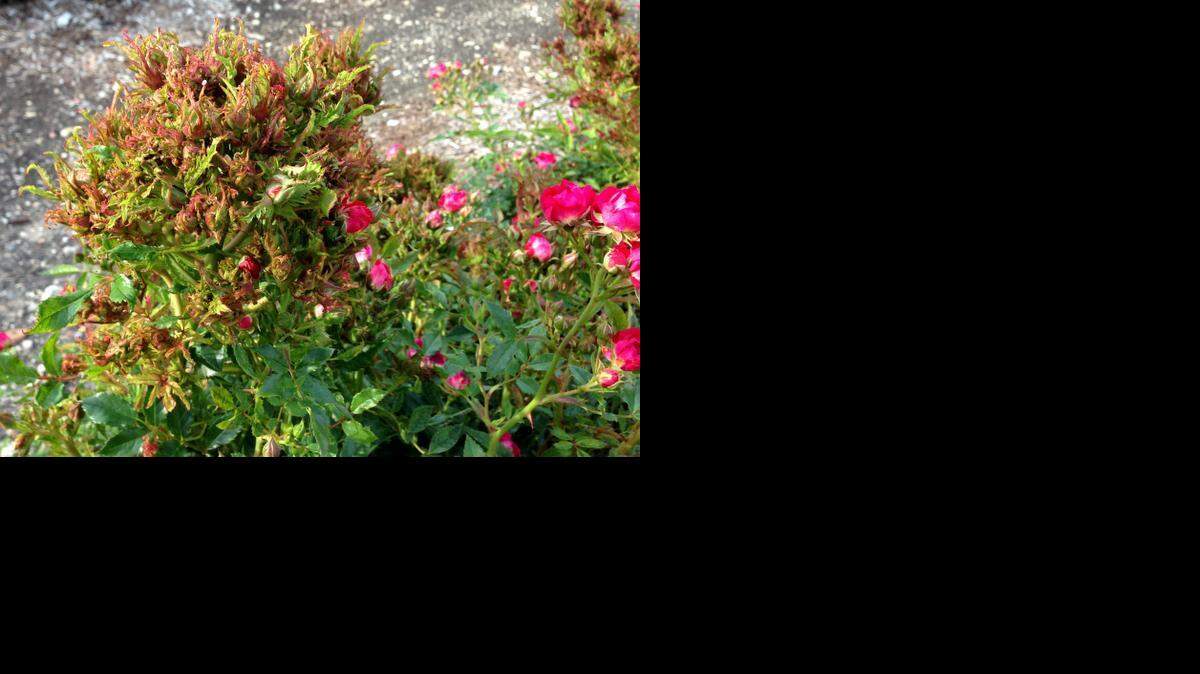
Check for Rose rosette virus
This is a fatal disease for which we have no control currently. Research scientists are working feverishly to find a solution, but until they have one, we have been instructed by Texas A&M plant pathologists, rosarians and professional rose growers to eliminate infested plants immediately, roots and all. Place them in black plastic trash bags, seal them and send them to the landfill.
How do you confirm identification of the virus? Look for extremely strong and unusual canes (“bull” canes) among normal shoots. Those canes will have multitudes of thorns up and down their stems. Any flowers that try to develop, even during winter warm spells, will fail to open properly.
This disease is spread by a microscopic mite. Home remedies are often pitched out, but they do not work, and they only serve to allow the disease to spread far and wide. Knockout roses have been hit the hardest, but that’s probably because they have been planted in masses.
Trimming affected canes off the plants does nothing to slow the disease. Home gardeners will try that, but professional landscaping crews are even worse at it. Some may use pruning to conceal the true seriousness of the disease from property owners. And, since the disease has only become common in recent years, many landscaping crews may not yet be familiar with it.
Finish any needed pruning of oaks
Again, a disease drives this bus. Oak wilt fungus is active in the spring (March through mid-summer), and it enters trees through exposed wounds. If you need to do any pruning of oaks, finish the task before mid-February. Apply pruning sealant to all cut surfaces. You do get a second chance at this pruning once it turns really hot by mid-summer, but winter pruning gives the trees a better chance to put their energy into new growth this spring.
Plant onions and snap peas
Our growing season is rather odd here. It’s cold late into the winter, and it can get really hot long before summer officially arrives. That means that we have a very precise time window within which we must get each of our crops planted. The planting season begins with onions and snap peas in late January, and it rolls on until we’re planting okra and southern peas in late April and early May.
Choose adapted onion varieties such as 1015Y (Texas SuperSweet), Grano and Granex. Buy healthy looking sets from your local nursery or farm store. Plant them into raised beds of perfectly draining soil.
Space the plants 2 to 3 inches apart in the rows, and space the rows 16 to 20 inches apart. Set the transplants shallowly. If you plant them correctly, you can expect 10 to 20 percent of the transplants to fall over and have to be reset. Water after you plant them, and be prepared to cover them with frost cloth should extremely cold weather (into the teens or low 20s) roll in.
Sugar snap peas and their improved selections made over the past 35 years grow wonderfully in North Texas if you get them planted now so they can be harvested before it gets hot. Again, well-prepared garden soil in raised beds (to ensure good drainage) is your goal.
Plant the seeds 1 to 2 inches apart in rows that are 40 to 48 inches apart. Provide a strong support for the vines, as they can become very heavy. Welded wire fencing is good. It’s sturdy, and it doesn’t block sunlight and air movement around the plants’ leaves.
Winter transplanting
Relocating established trees and shrubs is a task that must be completed soon, while the plants are still completely dormant. Once they start putting out new leaves and spring shoots, digging and moving them would provide such a shock to their systems that the survival rate would be very low.
Use a sharpshooter spade to do most of your digging. Keep the plants’ root balls intact as you carefully sever roots that extend outside the soil balls. Reset the plants at the same depths at which they had been growing originally, and remove 30 to 40 percent of their top growth to compensate for those roots left behind in the digging.
Stake and guy large plants until their roots provide ample support — usually after a year or two.
If you’re considering moving and trying to save a row of old shrubs, perhaps because you’re having repairs made to your foundation as one example, it may not be worth all the effort. They have probably become rather misshapen in their years of growing “in confinement.” Their root systems are probably much larger than their top growth due to repeated pruning of the new shoots, so it will be difficult to dig them.
Mortality rates will be high. Rather than putting yourself through all of that, you’d be much better advised simply to buy new plants at the nursery.
Neil Sperry publishes Neil Sperry’s GARDENS Magazine and hosts “Texas Gardening” 8-10 a.m. Sunday on WBAP 820AM. Reach him during those hours at 800-288-9227. Online: http://neilsperry.com.
This story was originally published January 23, 2015 at 6:00 AM with the headline "Neil Sperry: These garden chores can’t wait a minute longer."