
Neil Sperry: Let’s start all over again
We Sperrys have a reputation for getting two miles down the road, then turning around to retrieve something we left at home. It doesn’t matter if we’re just going out for dinner (“Where’s my phone?”) or heading away for vacation (“I think I forgot my evening meds.”). Pull up a lawn chair and start waving. We’re coming back.
Which brings us to the topic of spring 2015. How strange can one winter be? It began with a killing frost in late October, and it was still battering us well into March. And who knows if we might have another killing frost sometime into, oh, April. I believe the record last killing cold date here is April 11. Yikes. That’s almost a month down the road.
So what’s a gardener to do? We’ll do what we’ve been doing forever. We’ll lace up our boots, and we’ll start over again. Which reminds me of another closely related story.
I walked into a nursery north of McKinney. Mind you, this was 15 or 20 years ago. The owner was chuckling as I walked in the door. “What’s the matter?” I asked. “The TV weatherman (name not included out of respect) was just in here to buy his fifth round of tomatoes. Seems all the others froze on him.”
Let’s try to make some sense of all this. Where are we, and where do we go now? How can we salvage the rest of what could turn out to be a wonderful gardening year? Here are my suggestions.
Vegetables
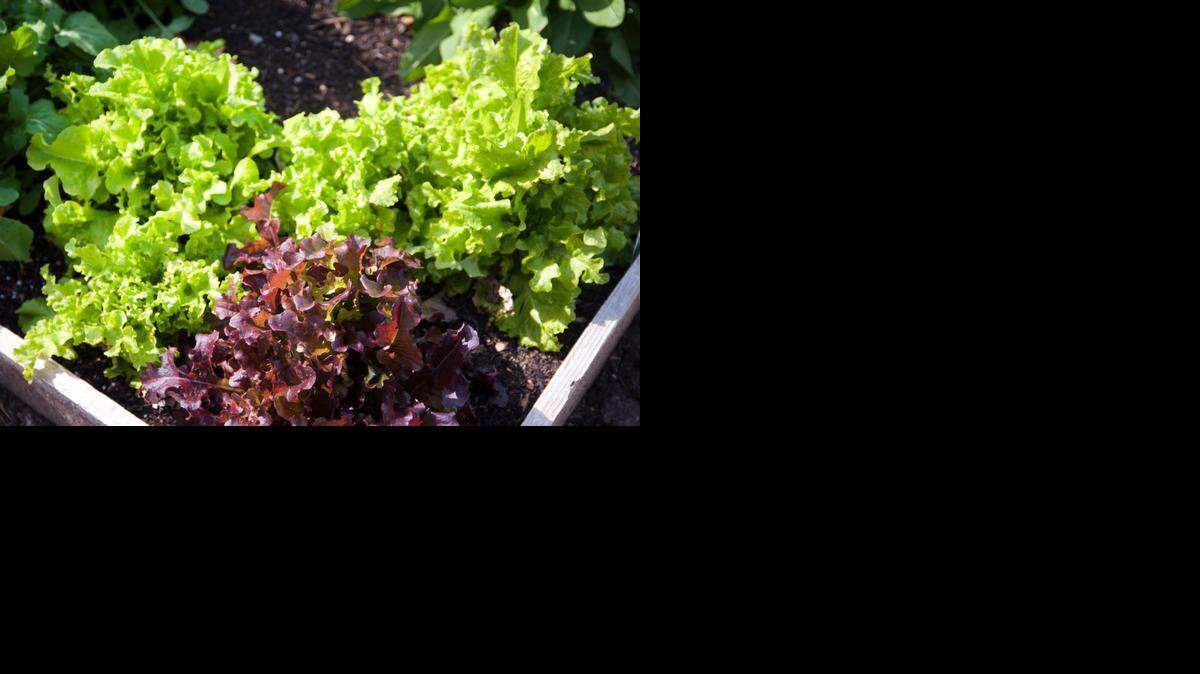
It’s too late to replant onions, snap peas, potatoes, cauliflower and Brussels sprouts. Hustle if you want to plant cabbage, broccoli, lettuce, spinach, carrots, radishes, kale, turnips, beets and kohlrabi. (I had to end the list somewhere.)
The average date of our last killing freeze here is on or about March 22. That means that if you plant beans or tomatoes now, you have considerably less than a 50-50 chance of their surviving the next three or four weeks. If you live in downtown Fort Worth or some other urban heat pocket, you might have better odds. Otherwise, wait a little bit longer, or plant them into containers that you can bring into the garage should it freeze.
Other warm-season vegetables to plant later this month include corn, melons, squash, cucumbers and peppers. Okra, blackeyed peas and sweet potatoes (sandy soil only) go in a month from now.
Annual flowers
Normally I’d be recommending planting petunias, larkspurs, English daisies, sweet alyssum, stocks and other frost-hardy plants from mid-February on, but I’m one happy horticulturist who didn’t burden you with that task in this particular winter. Now, we’re a month beyond that time, and you certainly could still plant them. However, we’re only two or three weeks away from a time when you could begin planting your summertime annuals. It’s your choice. (Maybe you could do a little of both.)
Lawn grasses
Most of us want our lawns to look as good as they can. One of the prime ways to do that is to keep (or get) the weeds out. This is the time to use a broadleafed weedkiller (containing 2,4-D) spray to eliminate clover, thistles, dandelions, chickweed and other non-grassy weeds. Read and follow label directions carefully for the best results.
If you have grassy weeds growing in your lawn right now, there is nothing you can do to eliminate them that won’t kill or injure your existing lawn grass. But you can certainly mark the calendar to remind you to apply pre-emergent weedkiller granules (Dimension or Halts) the first week of September to prevent germination of the next generation.
As for that weed grass that’s uglying up your yard at the moment, it will become much less obvious as your lawn grass greens up and starts growing.
Should you scalp your lawn? It’s totally optional. Scalping involves dropping the mower blade one or two notches and removing all the winter-killed stubble. The sun’s warming rays hit the ground, so indeed, the grass will green up more quickly. Plus, with all the dead blades out of the way, the greening will be much more visible. Use the clippings in the compost or as a mulch. Don’t send them to the landfill.
Wanting to plant new grass? Well, slow down just a bit, buddy. Our soils are still awfully cool. It’s definitely too early to be seeding Bermuda grass, and it’s also soon to be sodding St. Augustine. It would be best if you could delay any new turf for a month, but if you have to have sod, common Bermuda is your best choice.
It does require full or nearly full sun, but it’s more tolerant of cold soil as it forms its new roots into the ground. If you can wait — wait.
Shrubs
Fertilize shrubs as you feed your lawn grass. Same emphasis on nitrogen. Just be sure it has no weedkiller product included in it. Water it in after you apply it.
Now as for pruning, remember how you said “It’s Super Bowl Sunday. I’ll do that pruning later this month.” So you pushed back your date. And then it iced and it snowed. But you never got to the pruning. Well, get it done now. Lay the paper down and pick up the shears. (Wait to prune spring-flowering shrubs until immediately after they finish blooming.)
If you’re trying to reduce the overall size of shrubs, use lopping shears (not hedge shears) to thin and groom them. Remove unwanted limbs, using the plants’ canopies to conceal each cut that you make. Get it all finished before their new growth begins, so the plants can expend all their energies in filling in, so they can look more beautiful for you — the person who almost forgot to prune them on time.
Neil Sperry publishes “Gardens Magazine” and hosts “Texas Gardening” from 8 to 10 a.m. Sunday on WBAP/820 AM. Reach him during those hours at 800-288-9227. Online: http://neilsperry.com.
This story was originally published March 13, 2015 at 7:00 AM with the headline "Neil Sperry: Let’s start all over again."