
Neil Sperry: Rose rosette, weedkillers, transplants and more
Probably 250 questions are posed to me in the course of one gardening week, and many of them are duplicates, seemingly of great interest to many. Here’s a collection of some late-winter inquiries I’ve been answering lately on the air, in print, at church and for family. Maybe a few will strike a familiar chord.
When should I move established trees and shrubs in my landscape?
Digging and transplanting established landscape or native trees and shrubs must be completed before the plants leaf out and start growing (or blooming). For some, you’re almost too late; for the majority, you still have a few days. Move this to the top of your “to-do” list.
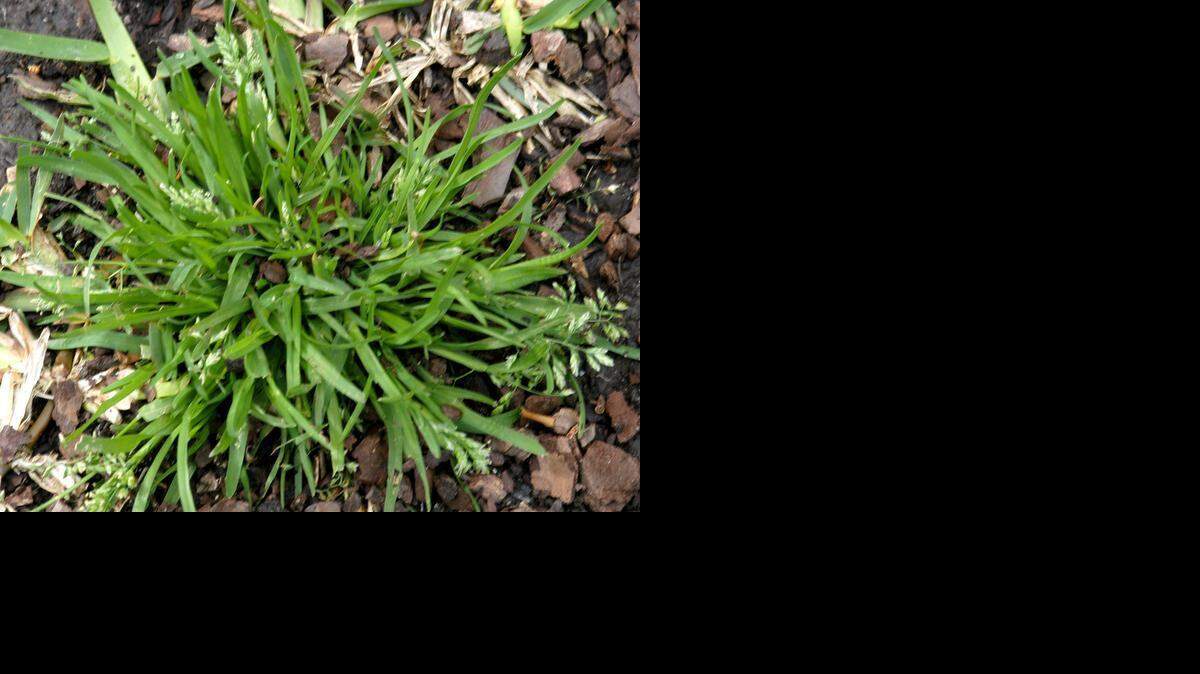
What can I do to get rid of the ugly grass that’s all through my lawn?
There is no product to kill a weed grass within a lawn that won’t damage the permanent lawn grass. In this specific case, grasses like annual bluegrass (tiny seedheads in proliferation), rescuegrass and ryegrass are all established and growing.
The only thing you can do right now is plan ahead to prevent the next generation of them from getting a foothold during the 2015-16 winter season. This will involve applying pre-emergent herbicide granules the first week of September. Dimension and Halts are two common examples, but they must be applied in early September. Once the grass has sprouted, it will be too late. ( These same products are recommended elsewhere in this column.)
When can I plant new grass?
Sod can be planted during March if it’s absolutely necessary, although April and May are the best months to do so. Seed is best left until May, once soil temperatures have warmed.
When should I put down pre-emergent weedkiller for the summer weeds?
Apply Dimension or Halts to prevent germination of crabgrass and grassburs (sticker burs) between March 5 and 15. Repeat the application between June 5 and 15 for a full season of control, but remember that the second application (a “booster” shot) is of no value if you didn’t make the first one.
How do I know if my roses have rose rosette virus?
This disease has become an epidemic across North Texas — much more so than elsewhere in Texas. Infested plants will have strong, clubby “bull” canes with several times the normal number of thorns. Leaves will often be dark red, and as the buds develop, will fail to open properly.
Rosette is fatal. There is no control for it, nor is there any control for the microscopic mite that transmits the disease. Compare your plants to online photographs of rose rosette. If your plants have it, dig them out (roots and all) and send them to the landfill in black, plastic trash bags. I would personally not recommend replanting roses for a couple of years. Perhaps by then, the industry will have figured out a way to avoid the problem.
I have bare spots beneath my trees. What grass can I plant there?
St. Augustine is our most shade-tolerant lawngrass in Texas, but even it requires four to six hours of sunlight daily. If you’ve tried it and failed, and if you’re sure there are no lower limbs you could prune to allow for more morning or evening light, switch to a groundcover that doesn’t need a lot of light. Mondo grass (as distinguished from dwarf mondo grass) is the best. Also consider liriope, Asian jasmine, purple wintercreeper, aspidistra (cast iron plant) and ferns, as well. Hollies, nandinas, mahonias, aucubas and oakleaf hydrangeas are shrubs for the shade.
When should I fertilize my lawn and landscape?
Apply plant foods about two weeks ahead of prime growth for the spring. For most plants, that would mean about the time they are budding out with new leaves. However, not all plants leaf out at the same time, so strike some kind of average. Early April is usually best unless you have a large area of one type of plant that kicks into growth earlier.
Texas A&M research has shown that we should use only all-nitrogen fertilizers for our heavy clay soils in and around Fort Worth and Dallas. Half or more of that nitrogen needs to be in a high quality, slow-release form. St. Augustine requires less nitrogen. If you’re in doubt, read the back of the product bag or ask your Texas Certified Nursery Professional.
Bermudagrass lawns should be fed in early April, early June, early August and early October. Feed St. Augustine in early April, early June and early September. Avoiding the mid-summer feeding with St. Augustine also lessens the chance of gray leaf spot fungus. Adjacent trees and shrubs also can be fertilized at these times.
How soon can I plant my vegetable garden?
You’re already late for onions and snap peas. Hurry with potatoes, broccoli, cabbage, Brussels sprouts and cauliflower. (They should have been planted a couple of weeks ago, but the cold weather gives you a second chance.)
Plant spinach, lettuce, kale, radishes, turnips, beets, carrots and other leafy and root crops now.
By late March, plant beans, corn, cucumbers, squash, melons, tomatoes and peppers.
Okra, southern peas and sweet potatoes are planted from mid-to-late April into early May.
Neil Sperry publishes “Gardens Magazine” and hosts “Texas Gardening” from 8 to 10 a.m. Sunday on WBAP/820 AM. Reach him during those hours at 800-288-9227. Online: http://neilsperry.com.
This story was originally published February 27, 2015 at 6:00 AM with the headline "Neil Sperry: Rose rosette, weedkillers, transplants and more."