
A colorful landscape is in store when you consider these plants
We’re getting to a time when we can safely turn our thoughts toward warm-weather color, whether in patio pots or in beds.
I’m going to break this into two chunks this time around, and we’ll start out with the early ones.
The plants I’ll put on my list today are sources of color that do well while the soil is still relatively cool. In some cases these will hold up well into the summer, but in other cases, you need to get them planted soon because they’ll crater when it turns scalding hot. I’ll point those out. Then I’ll be back in a few weeks with vincas, copper plants, hibiscus, mandevillas and the other hot-weather winners.
Color now into mid-summer
This list will be far from complete. These are my favorites – the plants I’ll be buying for my own entry or patio.
- Angelonia. If you need a lovely little spike-forming flower in shades of blue, purple, white, pink and rose, this is the one. They grow to 12 to 16 inches tall, and they’re wonderful massed in beds or as the prominent plants in pots. Sun or mostly sun. They look like miniature snapdragons, but they handle the heat. Snaps will not.
- Wax begonias. I’ve loved these since I was 8 or 10. And apparently so have millions of others, because breeders just keep bringing us more and better types. From the small-leafed green or bronze types all the way to the giant Whopper series. A grower friend of mine gave me a few of those he had left over last year, and I’ll never be without them again! They’re spectacular. Morning sun at the most. Otherwise, bright shade.
- Cockscomb. I don’t always put this one on my lists, but I love the tall, old-fashioned ones that you see in older neighborhoods where people have passed them along through generations. The plants grow to 3 or 4 feet tall, and their big, red crested flower heads are stunning. Shorter hybrid types are better for floral display in late spring and summer, however. Sun.
- Coleus. This is it. My all-time favorite source of summer color. I had them at our wedding reception 53 years ago, and I’ve had them in every one of my gardens and greenhouses since I was 10. Best of all, there are now so many fine types that can handle sun and that don’t send up flower spikes. Blooms shut down their production of colorful leaves. You want to keep the flowers pinched off.
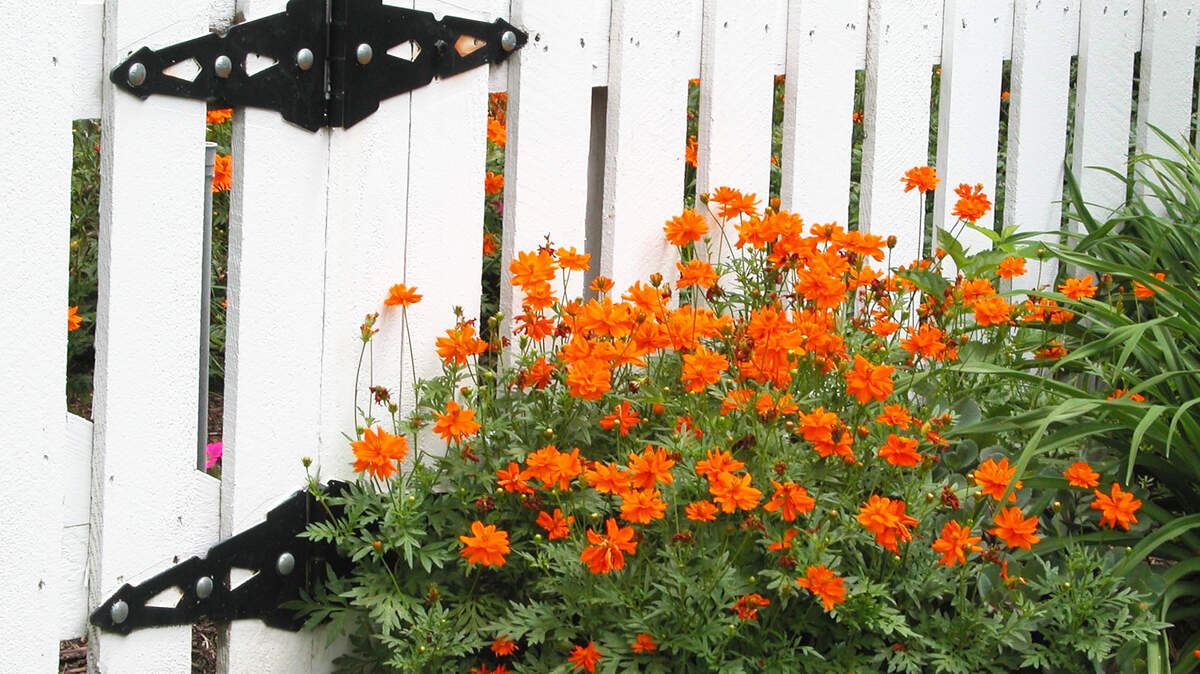
- Cosmos. This is a quiet little plant that no one talks about much, but it puts on a dandy show in the landscape. If you plant it now it will bloom for a couple of months in early summer, and it comes in all kinds of cheerful colors and a variety of heights as well. Sun or mostly sun.
- Hyacinth bean. I had the chance to include a couple of vines. I passed over morning glories and moonvines because they wait until late in the season to flower. This is a good one, since its flowers, foliage and fruit are all maroon, at least when temperatures are cool. You need to plant it now, though, to give it time to scramble up and over your arbor or fence. It’s an old heirloom. Thomas Jefferson grew it at Monticello, so you’ll be in good company. Sun.
- Impatiens. If you’ve lived in the North you’ve probably grown these all summer, and perhaps out in the sun. Well, don’t try that in Texas. Plant them in a moist, shady spot, and figure that you’ll probably replace them once it turns hot by late June. But in the meantime they’ll reward you with a fabulous mix of cheery blooms produced by the hundreds.
- Pentas. Gotta have ‘em. Just gotta! There are so many great types, ranging in height from 12 to 16 inches and colors from white to deep purple. Bees and butterflies love them. People love them. Grow them massed in pots or beds. Be forewarned that Tersa Sphinx caterpillars are frequent visitors to pentas, and they can feed voraciously.
- Fanflower. When it came into the market 30 years ago fanflower was an instant hit. Blue flowers on trailing plants? What a great addition. And the fact that they can handle all of our Texas heat – that just makes it all the better. I use fanflowers as my “spiller” flowers around the outsides of my large patio pots. I use them as a floral groundcover. And I use them in hanging baskets. They’re happy being used all three ways.
- Zinnias. The tall, cutflower types of zinnias should be planted immediately if you’re going to enjoy them this season. They’ll grow and bloom before summer’s hot weather takes its toll. Smaller types will bloom well into the summer, and all types can be planted in mid-August for a lovely fall show. I’m a big fan of zinnias, but you need to mass them to get maximum impact, and they need to be used toward the middle or back of the floral border, depending on each type’s expected mature height.
You can hear Neil Sperry on KLIF 570AM on Saturday afternoons 1-3 pm and on WBAP 820AM Sunday mornings 8-10 am. Join him at www.neilsperry.com and follow him on Facebook.