
Here are some questions to think about during this crazy early winter
Wasn’t it just a month ago that we had temperatures up in the high 90s?
And then several nights in the 20s. Ugh. Hold up your hand if you agree that Texas is a goofy place to garden.
But we love it, don’t we? We’re just trying to figure it out.
So from all of this nonsense, I have a collection of questions folks have been asking everywhere that I’ve gone these past several days. I’ve jotted them down, and here they are. I hope they’re useful.
What is the best way to protect tender plants from the cold?
Some 25 or 30 years ago commercial growers introduced a lightweight fabric and referred to it as “frost cloth.” There are many brands on the market now, some of them looking almost like fragile gauze.
Surprisingly, they do a wonderful job of blocking cold winds and holding in solar warmth that’s been soaked up by the soil. When secured over plants before temperatures drop below freezing, they can gain you as much as 6 to 8 degrees of protection. They are far better than plastic sheet films. If you can’t find frost cloth in a pinch, use an old sheet.
How long can I leave plants covered without fear of doing harm to them?
I have several large beds of cast iron plants (aspidistras) that are vulnerable to cold injury. In bad winters I’ve left them covered with frost cloth for as long as 10 weeks without any damage at all. Frost cloths allow moisture and light to penetrate. However, you do need to provide support so that snow and ice won’t weight down the covers.
Why are some of my trees less colorful than other people’s trees of the same species? What can I do to get better color?
Research botanists will tell you that there are many contributing factors. Plants vary genetically from one to the next just as humans do. There could be differences in their soils, even from one landscape to the next, and gardeners feed their plants differently. You don’t want to apply a lot of nitrogen in the fall if you’re looking for good color. Dry falls usually have better color than those with generous rainfall, and falls with early cold usually show better color, too, because the pigments that are responsible for reds, yellows and oranges are accentuated by colder weather. It’s best just to take what you get and enjoy it.
Should I fertilize my lawn now?
If you have a permanent lawn of fescue, or if you have overseeded your turf with ryegrass, the answer would be “Yes.” But for St. Augustine, zoysia and bermudagrass it would be “No.” The first two grasses are known as “cool-season” grasses, while the others are “warm-season” types. Those descriptions refer to when they do most of their growing. Apply an all-nitrogen lawn food that has as much as half of that nitrogen in slow-release form to either fescue or rye now. Water it deeply and then wait until mid-February to fertilize again. Your next feeding of the warm-season grasses will come in April.
Do I need to feed my pansies and other winter color plants now? If so, how often should I repeat it this winter?
I normally fertilize mine every time that I water them with a water-soluble, high-nitrogen fertilizer. I supplement that with a timed-release, encapsulated fertilizer, also with a high percentage of nitrogen.
What is the best type of mulch for my flowerbeds and shrubs?
Shredded trees leaves work very well, as will loose compost. I use finely ground pine bark, and many people like cypress or pine needles because they stay in place well. The one common thread through all of those is that they’re all organic. As they decay they release that organic matter back into the soil. I’m not a fan or rubber or gravel, and I don’t use black plastic. Roll-type, weed-blocking mulches are good if serious weed issues have been a problem. Otherwise, one of the others will be easiest and most attractive.
What should I do with my banana plants now that they have frozen?
Trim off all the dried tissues and rake up the debris. Pile tree leaves over the stumps to act as a mulch for the really cold weather of winter. Pack the leaves down enough that winter winds won’t blow them away. Replenish if they should settle or decay. Once it begins to warm in early April gently move them out of the way and your banana plants should be sending up new shoots soon thereafter.
I have overgrown shrubs. When can I reshape them and reduce their sizes?
That kind of major trimming needs to be saved for late January or very early February – just before the new growth commences. You don’t want to have to look at pruned stubble all winter, and pruning earlier might stimulate new growth during a winter warm spell. That wouldn’t be a good plan.
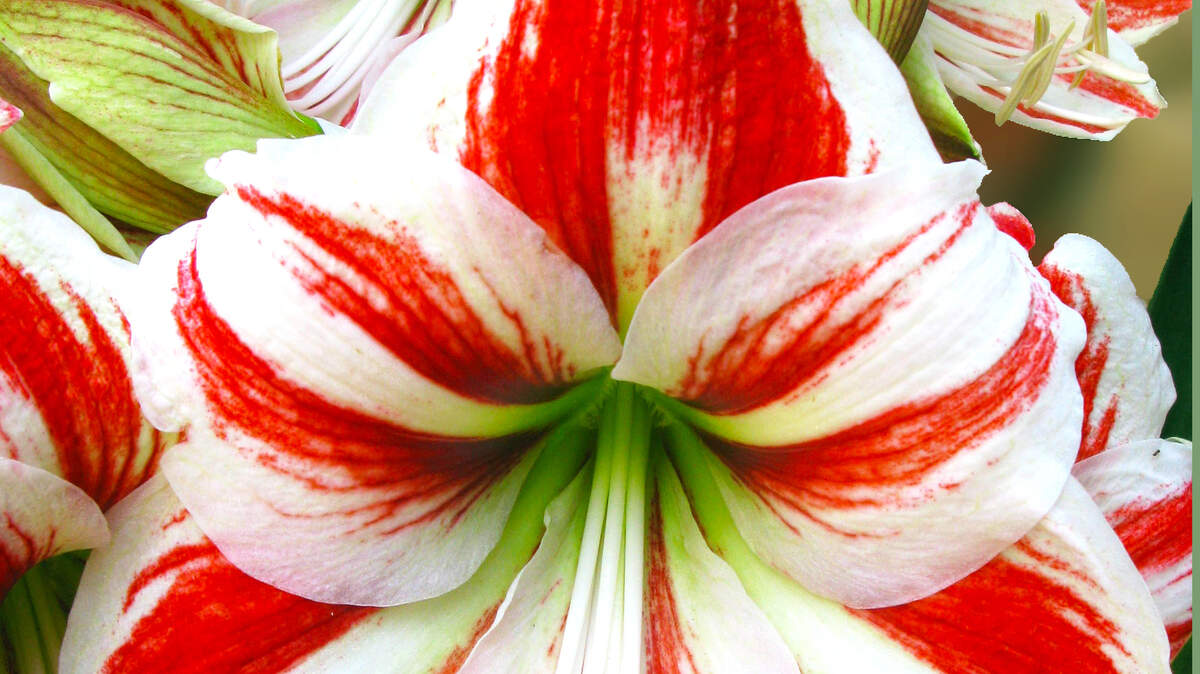
Can I plant my amaryllis outdoors after it finishes blooming? I bought one to grow indoors for Christmas.
You can certainly try it outdoors, but they are not reliably winter-hardy this far north. Plant it in a protected spot on the south side of your house. Hopefully it will get morning sun and shade all afternoon long. Mulch over it in the winter. Tree leaves work well. Or you may prefer to leave it in its pot so that it can grow outside all spring and summer.
Then, in early September, lay the pot on its side for six weeks so the plant will get dry and go dormant. At that point take it out of its pot. Repot it into a slightly larger pot filled with loose, highly organic potting soil and water it. That dormant period usually triggers flowering around Christmas.
You can hear Neil Sperry on KLIF 570AM on Saturday afternoons 1-3 pm and on WBAP 820AM Sunday mornings 8-10 am. Join him at www.neilsperry.com and follow him on Facebook.