Neil Sperry’s final column: A half-century of gardening, gratitude and growth
This is an acknowledgement of gratitude. I wrote my first column for the Star Telegram in Spring 1977. By my calculation, that’s around 2,565 columns, and yes, I probably have covered the same topic a few times. But I’ve also covered a big bunch of new topics because a lot has changed in that time.
My first columns were written by hand, then typed and mailed to my editor along with my Kodachrome slides to support them. Then I went to an IBM Displaywriter and eventually to the first of 21 Macs at home and office. I went from 35mm cameras to digital. That was a fun change. It’s only gotten better over those 49-plus years.
I mentioned “my editor,” but there have been several here at the Star Telegram. Each has been gracious, patient, helpful, and supportive — all a writer could ask for. I could tell they were steady at their tasks, because they’d double-check things I had written, just to be sure my meanings were clear or my facts were correct. I appreciated that. After all, I’d never had a college course in journalism (or broadcasting). Two college degrees in horticulture with the goal of becoming one of the best greenhouse growers in America. I never got out of the starting blocks on that one. Writing and radio got in the way. It was a good way.
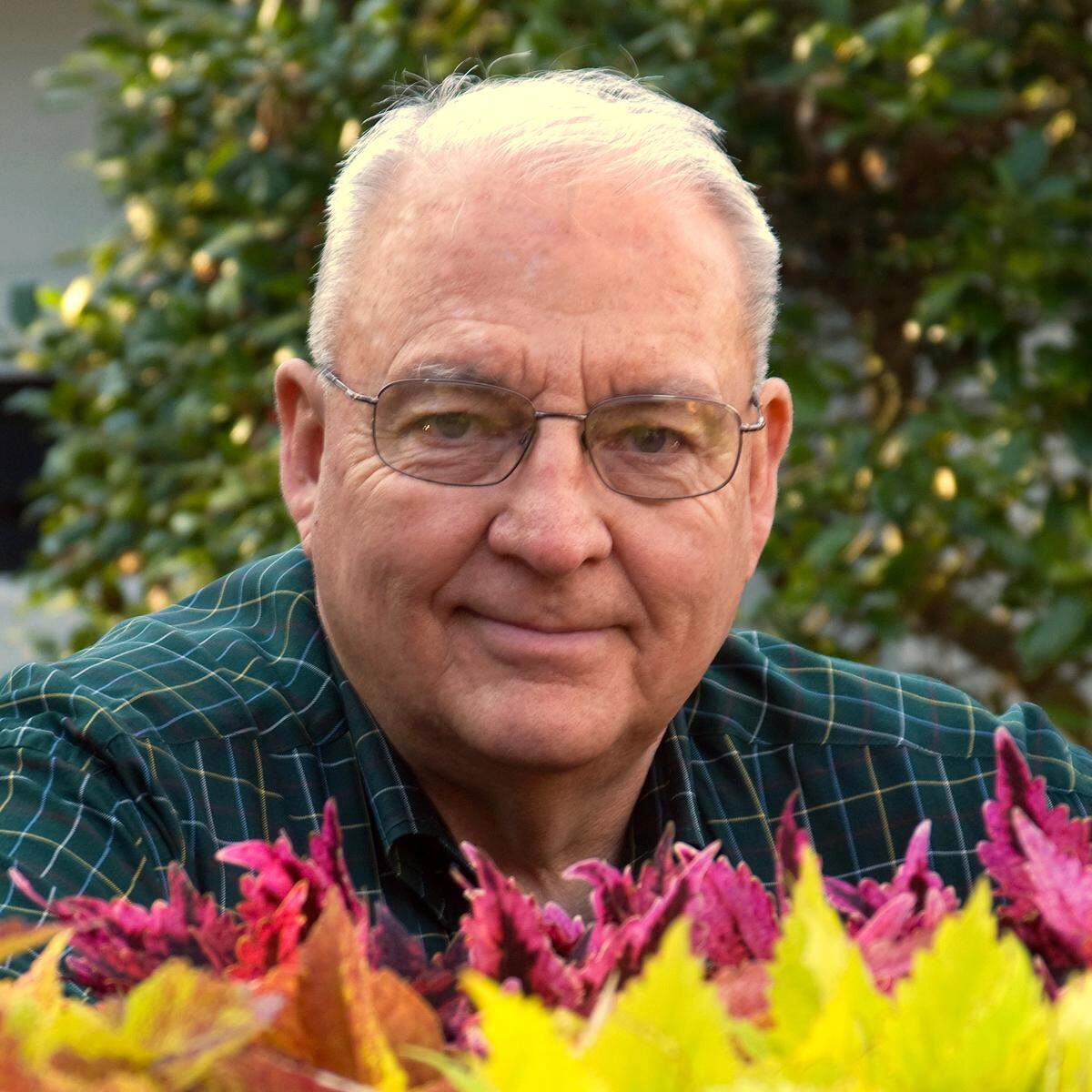
There have been so many changes in my industry. We have many times more plants at our disposal now than we did in the ‘70s. Plant breeders and growers have been busy selecting types with more and bigger flowers, richer and different colors, greater fruit and vegetable production, resistance to insects and diseases, and new and never-seen species. It’s fun to be a horticulturist, and each day brings new joys.
Too, the look and nature of where we buy plants has changed. While I still think that local, independent retail garden centers based in your own community are your best places to shop, nowadays people find plants everywhere they turn.
And, thanks to the hard work of the Texas Nursery and Landscape Association, we’re now blessed with many hundreds of Texas Certified, and Texas Master Certified Nursery Professionals. Those are people in the nursery industry full time who have studied long and hard hours to pass difficult tests proving they know what it takes to be successful in gardening in Texas — your part of Texas. Shop where you see their name badges and emblems. They usually hang out at those local retail gardening centers.
A few parting words…
If you haven’t guessed by now, this is my final column here at the Star Telegram. I’m grateful to this long-respected paper for allowing me space on its pages for just short of half a century. I’m grateful to you readers for your supportive comments to management over the years as well as the things you have said to my friends in the horticultural industry. You certainly made it all worthwhile.
Thank you for your trust in my opinions. I’ve tried always to be open-minded and factual as we all have worked to make Tarrant County and North Central Texas a more beautiful place to live and work. We’ve accomplished a lot together, and you made it all possible.
I’ve always wondered what words of wisdom I’d want to leave in your mind as I finished this chapter of my career. I guess these are the six that shout out the loudest.
• Just because a plant is “native,” that doesn’t guarantee that it will grow well in your landscape. It’s far more important that it be “adapted” to your soils and climate.
• Be skeptical of new plants with big advertising. If they’re as good as the claims make them sound, they’ll be around the next year. Let someone else take the risk.
• Plants don’t discern whether a fertilizer is organic or inorganic. All nutrients enter plants’ roots in elemental form dissolved in water. There are good features in both.
• Ornamental grasses should not be used in place of shrubs in the landscape. They simply don’t live long enough, nor do they maintain their good looks. Their time will pass.
• Texas ought to have a law requiring that claims made about garden products must be proven by bona fide research. That would eliminate the quack soil additives that make such ridiculous promises. They cost Texans millions of wasted dollars each year.
• Topping crape myrtles is never justifiable. It ruins the plants’ natural growth forms and beauty forever. So does the newer bad habit of removing side branches to heights of 15 or 18 feet. The plants’ flowers will forever be too high to be seen and enjoyed. Just leave the poor crape myrtles alone!
Word count tells me I’m done for this column and for this episode of my publishing life. It’s been wonderful, and I’m proud to count you as my friend. Thanks for reading. And Happy Gardening!
Neil Sperry can be heard on WBAP and KLIF as well as some 30 other radio stations across Texas weekly. He also produces Neil Sperry’s e-gardens free weekly electronic newsletter. Details are at neilsperry.com.