Glossy vs. fuzzy: How leaf texture shapes your garden’s beauty and performance
How a plant presents itself to its public says a lot about whether you’ll be satisfied with its performance in your landscape. Specifically, I’m addressing our plants’ leaf surfaces here. You might never have thought about them, but maybe I can change that. See what you think.
This whole topic came to me a few weeks ago when I took a photo of new growth on a Fatsia japonica. Most of us just call it by its “first name, “fatsia.” It’s a handsome, shade-loving shrub to 5 or 6 feet tall and 4 feet wide, but that doesn’t really set it apart — we have many of those. What sets this plant apart is its huge star-shaped leaves of glossy dark green. New growth in the spring is as shiny as bright new windows. That kind of gloss brings drama to what otherwise might be a drab and dark corner of a garden. But, not with this plant around.
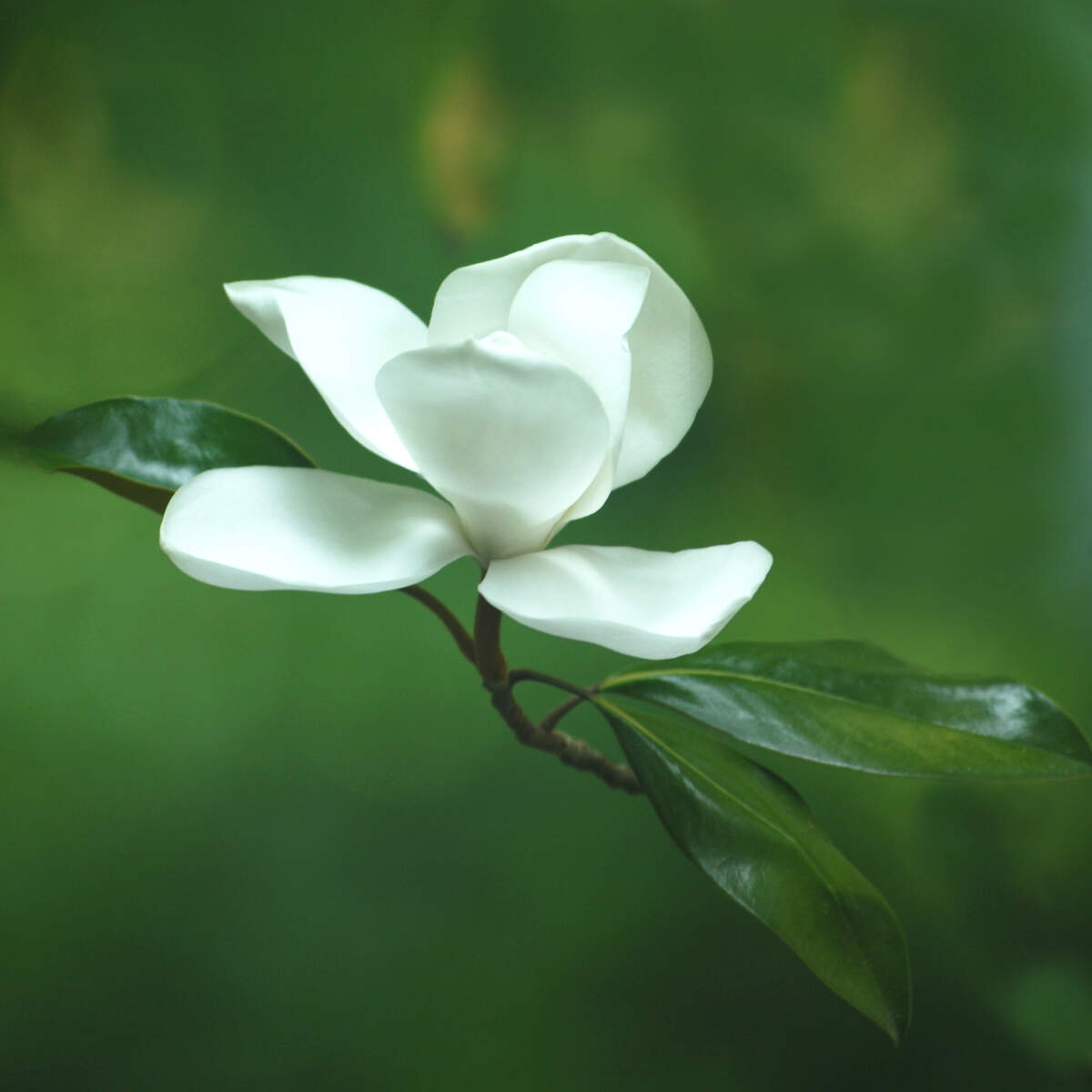
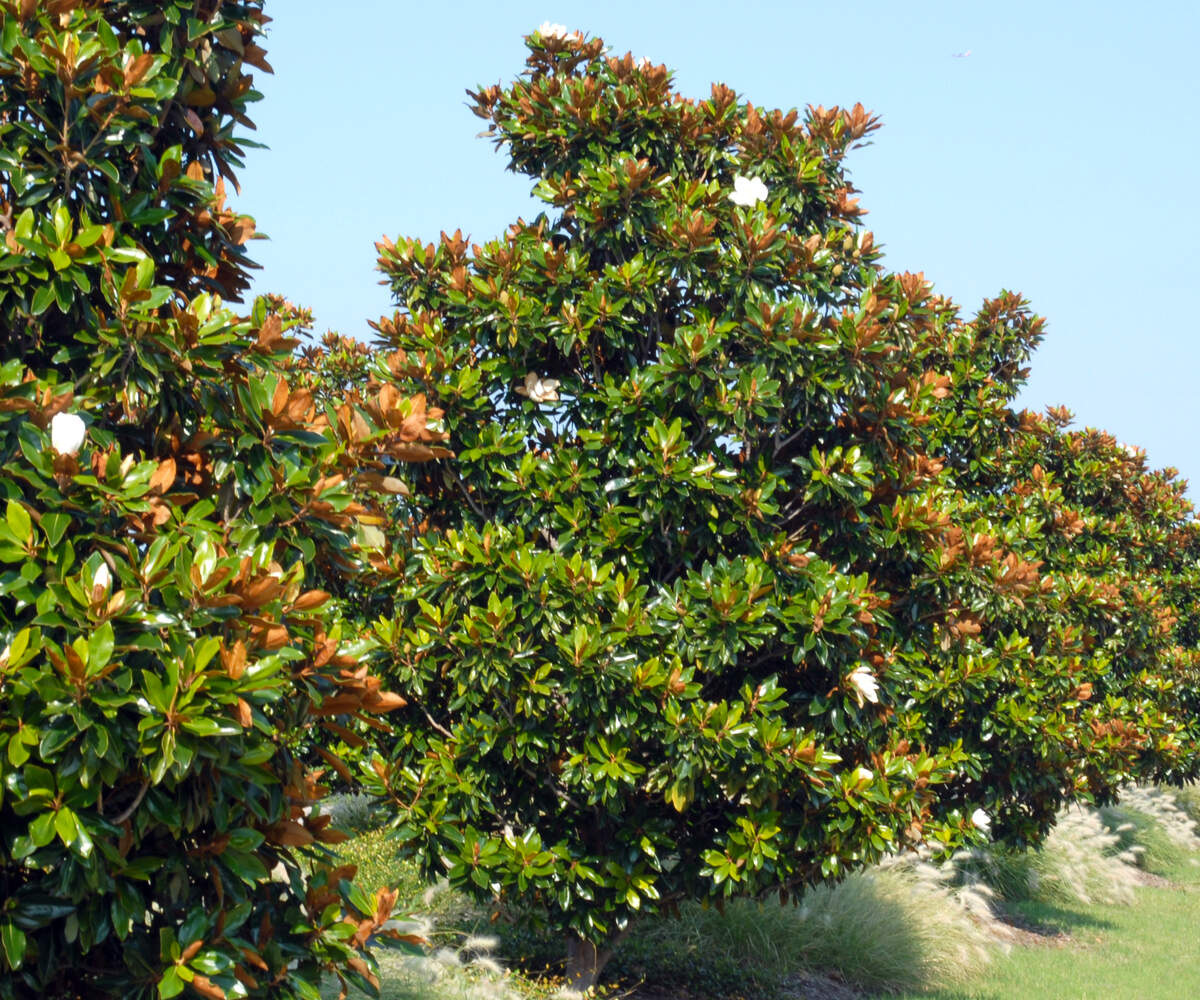
Plant a row of Little Gem southern magnolias and see if they don’t get noticed. Again, they’re stunning with their large, dark green, evergreen leaves that show from 100 yards down the road. And all that is topped by brilliant white blooms this time of year. It’s royal majesty all in one tree, yet this dwarf selection is small enough for almost any urban garden.
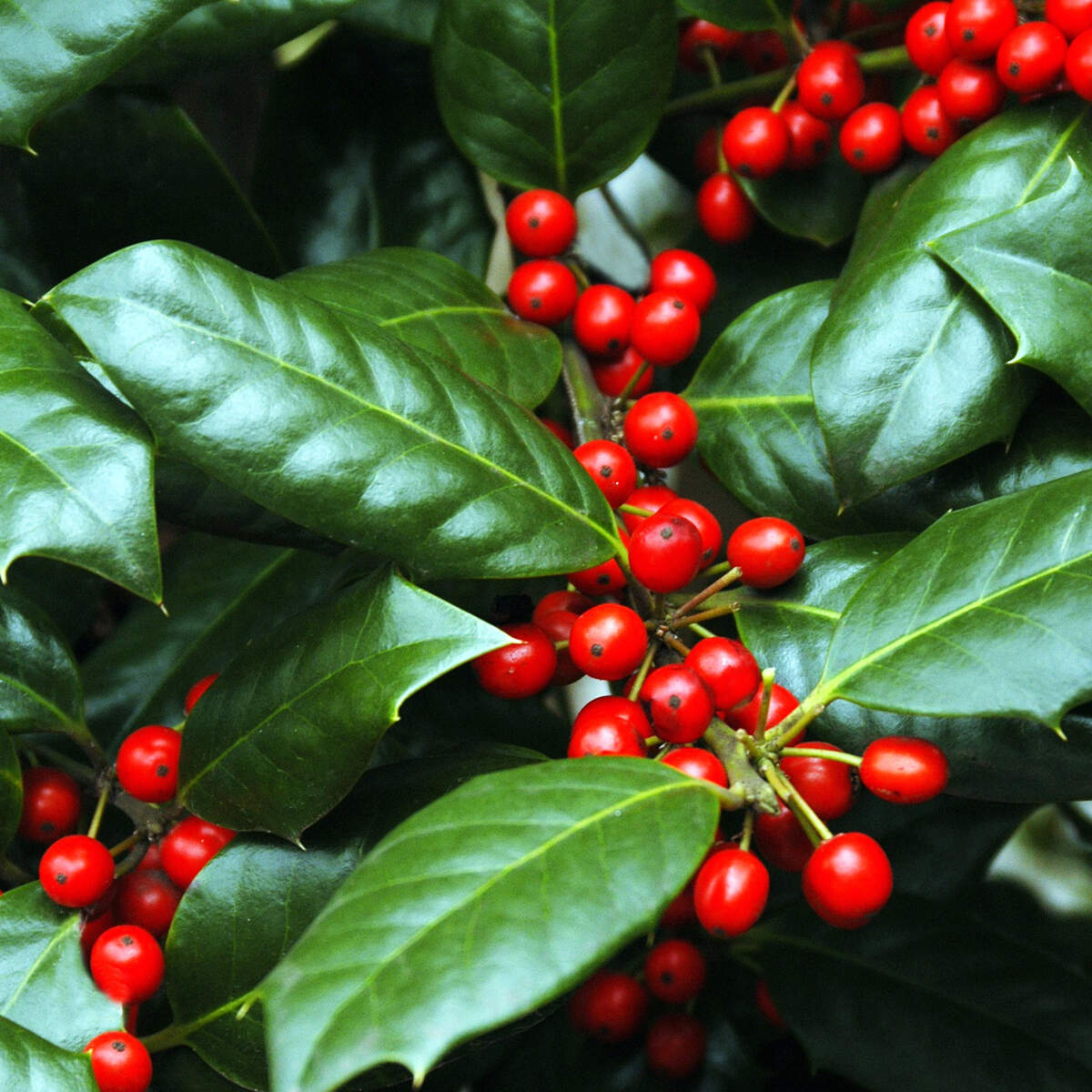
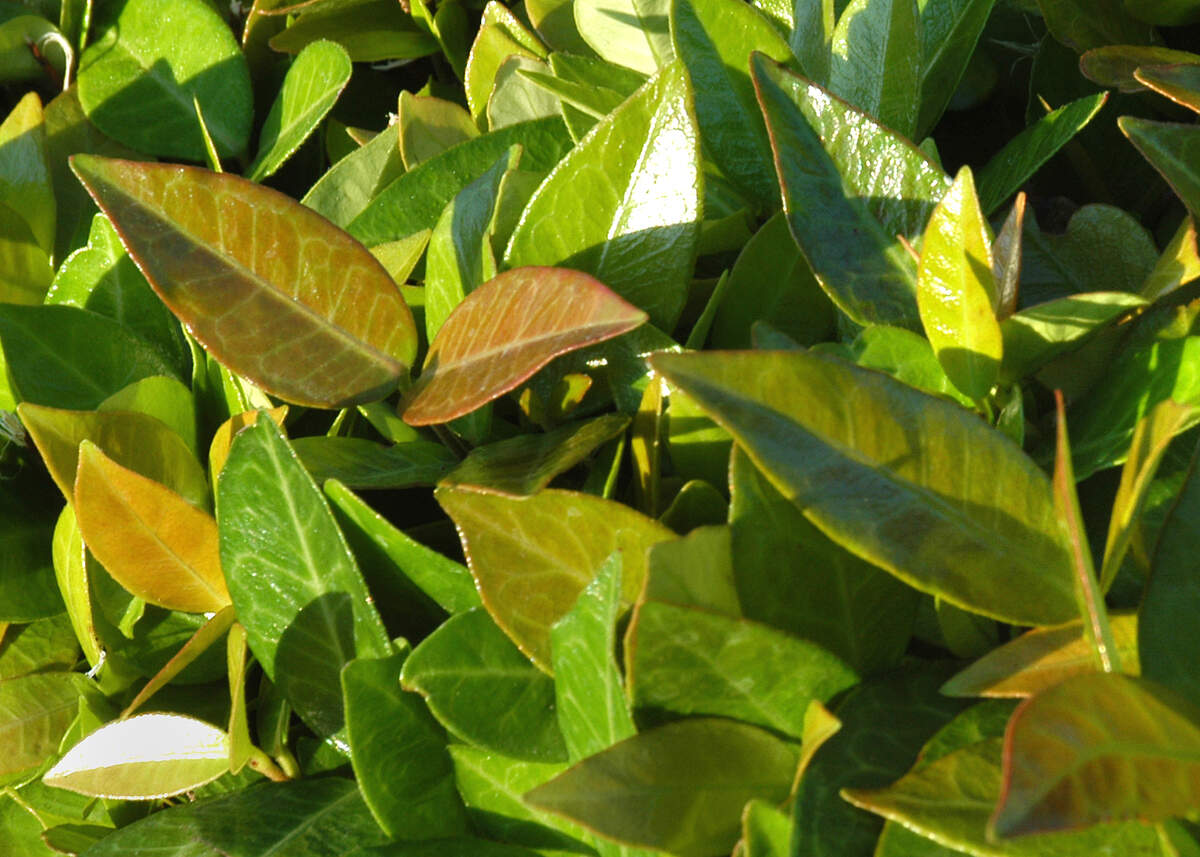
Many of our shrubs have equally glossy leaves, either on new growth in the spring, or preferably all through the season. That’s certainly the case with glossy abelias, most evergreen hollies, aucubas, and the somewhat cold-sensitive gardenias and waxleaf ligustrums. (Stay with the sterile shorter type that won’t become invasive, not Japanese privet.) From the world of groundcovers, Asian jasmine has deep green glossy leaves, and from vines, Carolina jessamine is showy and shiny.
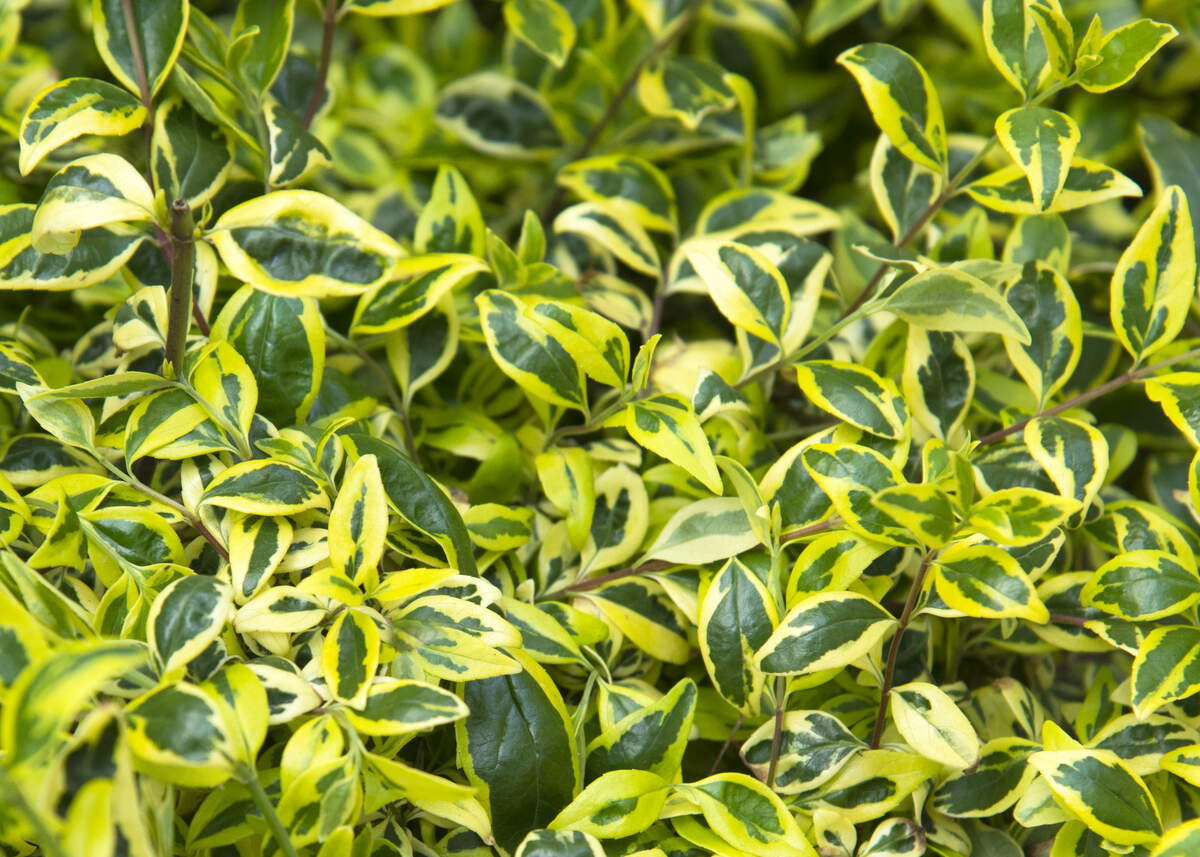
The “waxy” look of these glossy plants is from a thin outer layer of plant tissue called “cuticle.” When it is secreted in a smooth and continuous layer it reflects light like a mirror. The thicker the cuticle layer, the more dramatic the gloss.
There are advantages to plants with thick cuticles here in Texas. By reflecting much of the incident light rays, temperatures on the leaf surfaces are kept cooler.
Those plants’ leaves also shed water droplets, so fungal and bacterial leaf diseases are less of a problem. Water losses due to transpiration are also reduced. That can be critical in hot, drying times of mid-summer, especially under windy conditions.
Waxy leaves make it more challenging for insects to gain traction so they can feed or lay eggs. Dust isn’t as likely to collect on slick leaves, and the thick cuticles protect against abrasion from strong winds and the dust particles they can carry.
About those plants with fuzzy leaves
Enough on the glossy-leafed plants. Let’s discuss the plants with fuzzy leaves. What benefits do they get, and how do we use them effectively in our landscaping?
These plants’ leaves are covered with tiny hairs. They slow air flow across the leaf surfaces thereby reducing water lost to transpiration.
They reflect sunlight, so they’re keeping the leaves cooler while they’re also making it more difficult for insects and diseases to get started. Some bring a limited insulating effect over cold winters.
Gardeners get excited when they see plants with unusual colors, and grays seem to tempt us the most. These plants give us contrasts in not only colors, but also textures, so they set themselves apart from the green, glossy green plants we just outlined. These are the plants that add drama. We just must use them in moderation, because they can also make a landscape look rather cold and unwelcoming.
To give a few examples, the best known of all the woody plants would probably be Texas sage, also known as Ceniza. Botanically it’s Leucophyllum frutescens, but most people just say, “Oh, that’s the shrub that blooms 2 days after it rains.”
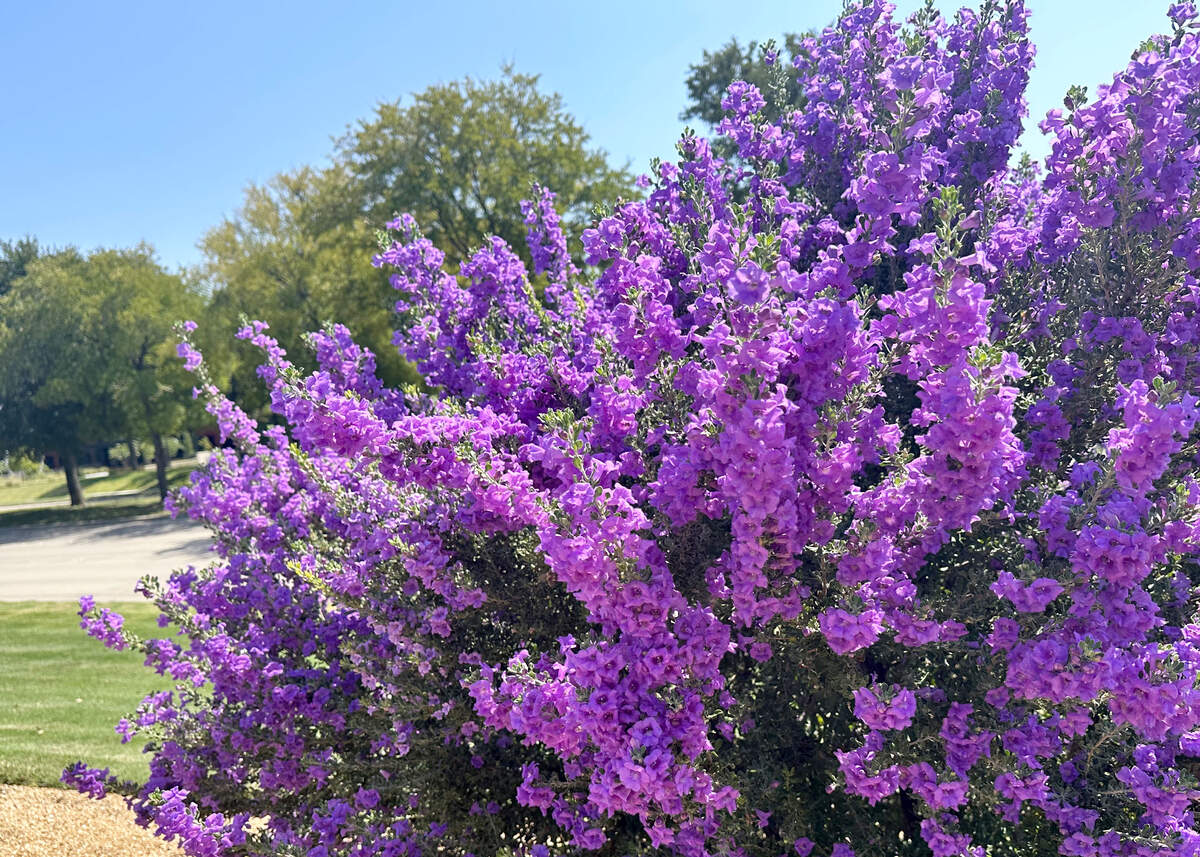
It has gray-green leaves with a soft gray fuzz, more properly called “pubescence” covering its leaf surfaces. People love that look in their landscapes, sometimes to the point of using it where they shouldn’t. It needs full sunlight and perfect drainage. Protection from our occasional extremely hard freezes is also recommended. The pink, lavender, almost purple, or white blooms in the summer and fall are an added big bonus.
Several of our best perennials have outstandingly gray and fuzzy foliage. Dusty miller (there are several types) are planted in fall to be enjoyed with pansies and other winter color.
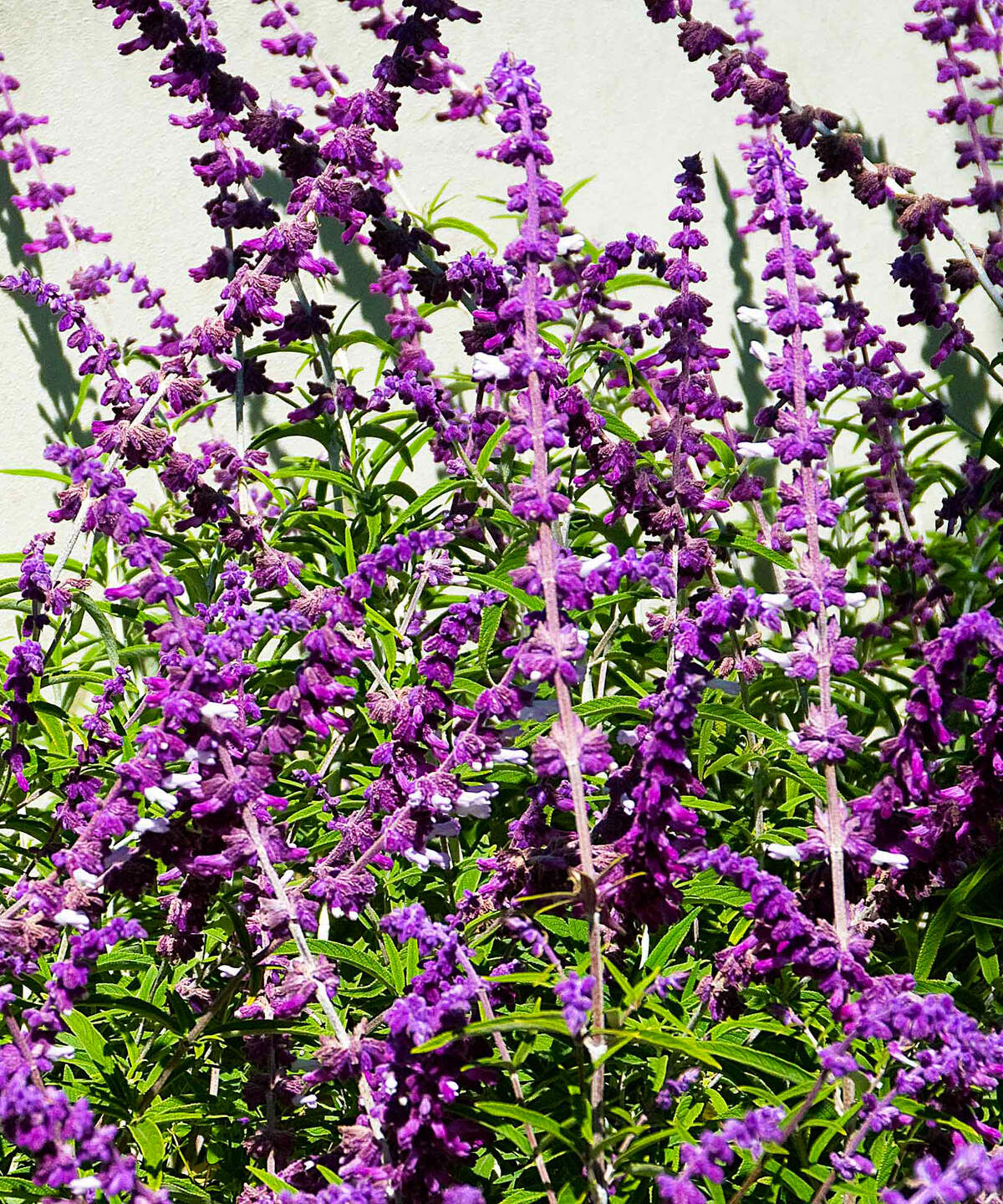
Mexican bush sage (Salvia leucantha) flowers from late summer through fall, and it’s hardy to the southern half of the state. It’s a stately perennial.
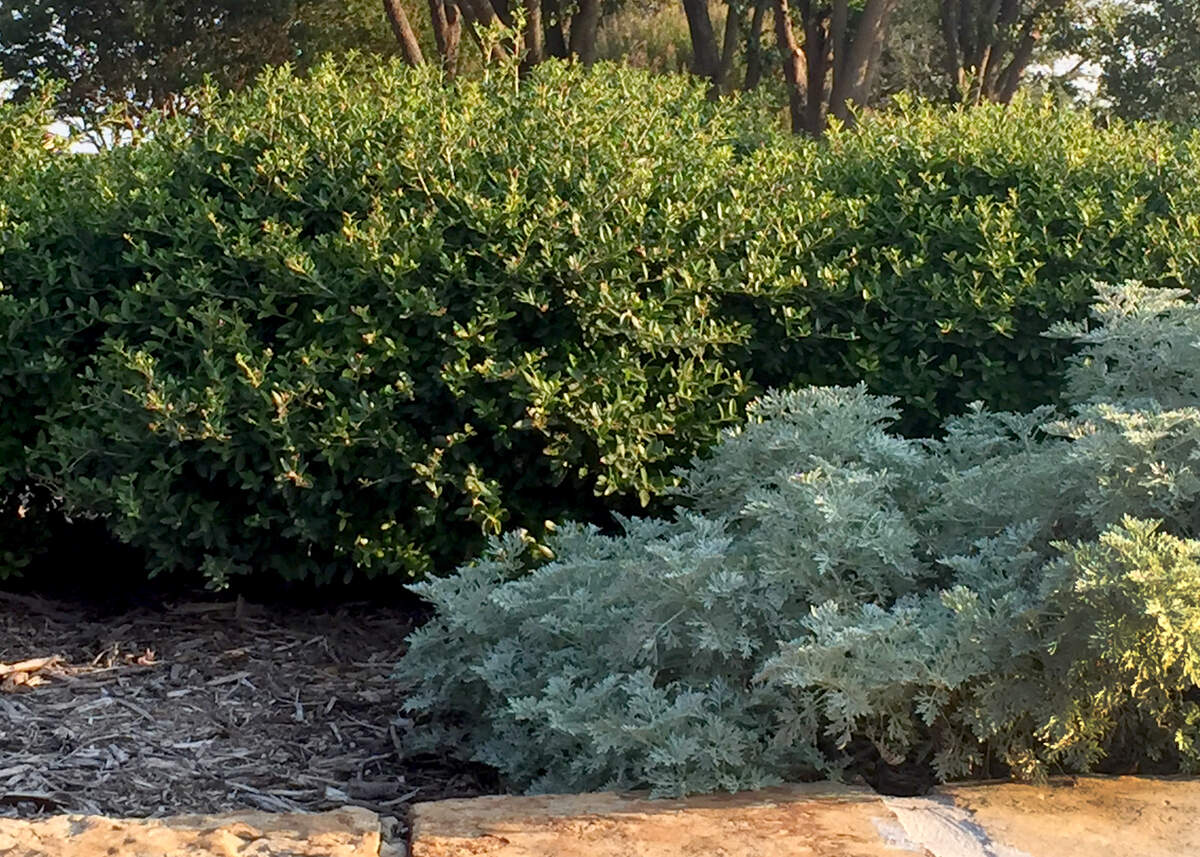
Artemisia ‘Powis Castle’ is a superior gray and fuzzy perennial that grows to 18 to 24 inches tall and wide. You want to keep trimming off long shoots as they grow to encourage new and compact growth. It forms a small shrub in the process.
And finally, the gray and fuzzy perennial to beat them all — the one all the kids want to reach out and touch: lamb’s ear. You can tell by its name that this plant needs to be in every sensory garden in America. It makes a great groundcover or bed edging plant. The secret to success with it is to keep flowers trimmed off as they first try to develop. The parent plant will quickly stop growing and start going downhill.
Leaves are glorious things. Choose your plants carefully. Mix and match for interest and variety. Look around you today and you’ll see leaves in an entirely new light.