
These plants will deliver quick color in your North Texas landscape
At a time when thoughts turn to family, friends, church, and eggs, perhaps you’ve been wondering what you can do to add zip and sizzle to the prime spots of your landscape. Spring bulbs are behind us, and summertime beds are just getting planted. We’re looking for quick color where it will make the most impact. Almost anything goes at this season, so let’s take a look at a few of the candidates.
• Geraniums. We all want to grow them, most especially anyone who’s lived in the North and loved their long-lasting beauty from spring through the summer. Texas is tough, though. Perhaps you’ve heard that our weather here in mid-summer is challenging, and geraniums aren’t fond of the heat. Breeders have been working to develop heat-tolerant types. Until they get that perfected, however, geraniums do better in spring and fall weather. Wise gardeners plant them now and enjoy them for the next 10 to 12 weeks. It’s a small price to pay for plants that put on such a show against lush foliage.
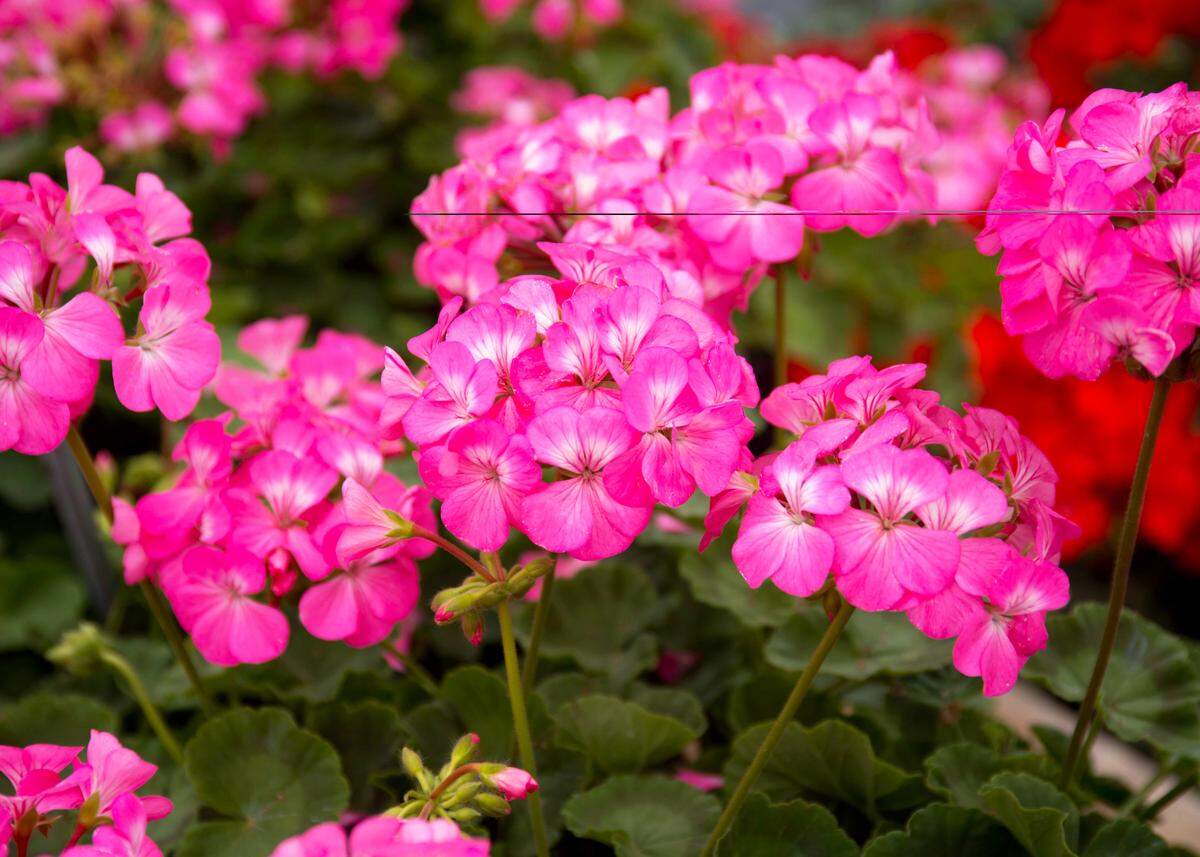
They’re best in patio pots 12 inches in diameter. Use a loose, highly organic potting soil mix, and keep the plants well nourished and watered all the way through the spring. As the weather turns warmer, move them back into morning sun with shade during the hottest part of the afternoon.
• Petunias and Million Bells. Hands down, these plants epitomize the cheery bright colors of springtime. Stop by virtually any full-time retail nursery today and you’ll find a nice selection of these cool-season annuals.
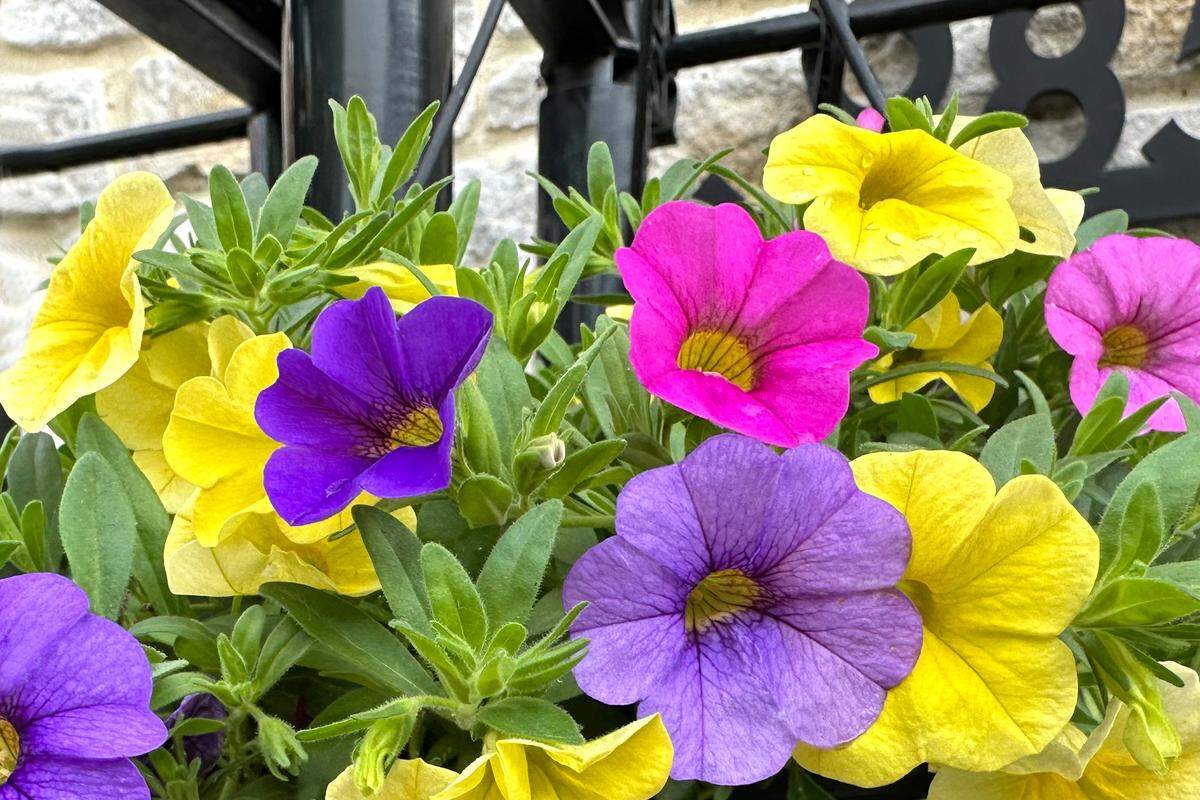
It’s late enough in their flowering season that you’ll probably want to plant new transplants into decorative pots. You’ll be able to move them as temperatures warm so they still get full morning sun but protection from the afternoon sun as summer approaches.
Breeders have been striving for smaller “multiflora” types of petunias. You’ll find many options, and if you look closely, you’ll also find a new category that looks just like them, only with flowers and foliage that are much smaller. DNA samples have proven to botanists that these are actually from a different genus, so they’re cousins to regular petunias. They’ve been put into the genus Calibrachoa and ‘Million Bells’ is one of the most popular series. They bloom farther into late spring.
• Gerbera daisies. Hardly any group of flowers is more spectacular with their showy red, yellow, pink, and orange daisy blossoms. Cut flower types produce blooms 4 inches across. Types bred for use in landscapes produce more flowers of smaller sizes.
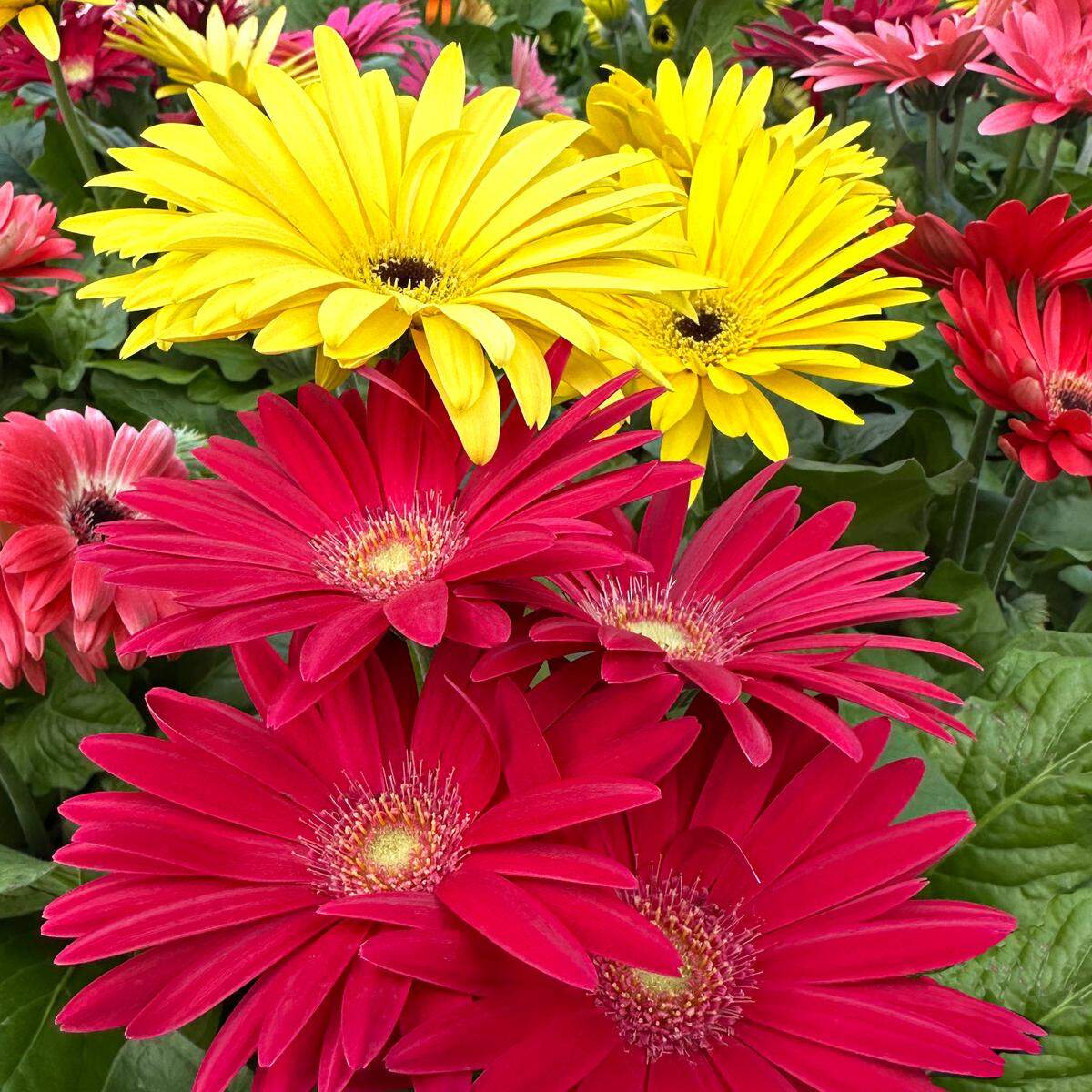
In fact, breeding work in the past 25 to 30 years has divided along those two lines. Florists love this flower and demands have never been greater. They want larger flowers and stronger stems. Those plants require cooler growing conditions than the landscape varieties. The latter types have been developed for clumping habits and multiple stems of shorter stature.
Whichever type you choose, they’ll put on a dazzling show in spring and fall. However, the florist types will play out once temperatures climb into the high 80s and 90s on a regular basis. Garden types can continue blooming weeks longer, although they, too, will slow down when it turns really hot.
For that reason, it’s best to grow your gerberas in pots. That way you can do the same thing with them that you do with your geraniums — give them full sun in spring and fall and afternoon shade in the summer.
Gerberas wilt profusely when they’re dry, so keep the soil moist at all times. Conversely, be certain the plants drain well. Use a water-soluble, high-nitrogen plant food every couple of times that you water them. Keep a wary eye out from white flies. They’re the number one pests of gerbera daisies across Texas.
• Angelonias. Here’s our third “thriller” plant — that is, a tall, upright plant that can be used for its drama in the center of a patio pot or decorative container. These grow somewhat akin to snapdragons, except these plants stand up to all the heat a Texas summer can throw at them. You can use them in beds by themselves, or you can combine them with other sources of spring Easter-egg colors.
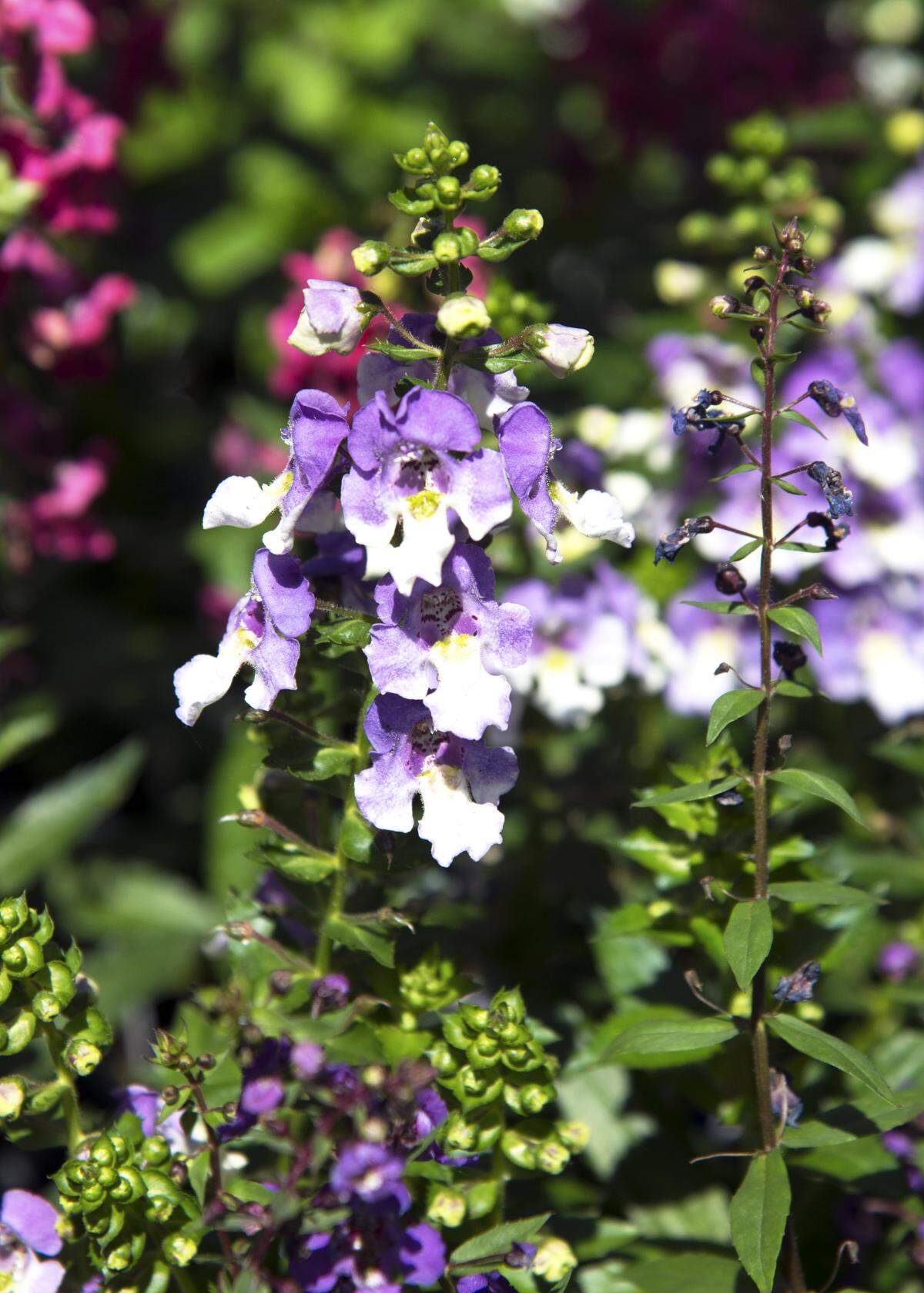
Newer varieties of angelonias are compact and full of blooms. They mature at 14-16 in., and their flowers come in shades of pink, purple, and white. They stay in flower from the day you plant them until the first frost, and insect and disease problems are virtually unknown. Include them in this year’s color plantings.
• Tropical hibiscus. If you’re looking for “refreshing,” that’s this plant’s middle name. Its single flowers come in shades of red, pink, and white. They’re set off perfectly against the rich, dark green and glossy foliage.
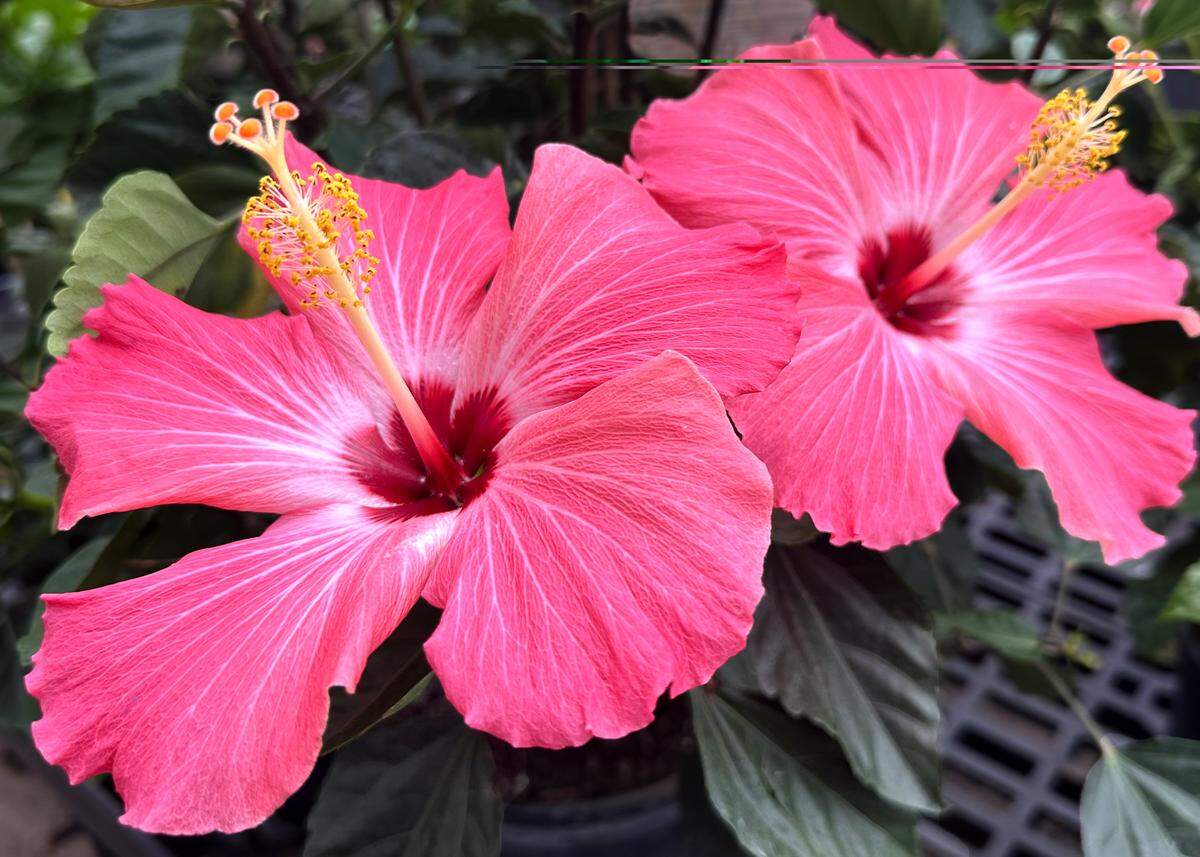
Hibiscus plants produce flower buds on new growth, so the secret with them is to keep them growing vigorously. Use a water-soluble, high-nitrogen plant food each time that you water them. Grow them in full sunlight and keep the plants moist at all times. That may necessitate watering them daily, even twice daily during the summer. When you tire of watering so often, replant your hibiscus into the next larger pot size. Give them full sun for best flowering.
When winter arrives, you’ll have to decide whether you want to bring the plants indoors, put them in a greenhouse, or sacrifice them to freeze. Garages are almost always fatal for them. They’re too dark and too cold. These are full sun, heat-loving plants.