
How to start a backyard orchard. Here are the steps to success in North Texas
It takes patience, a little book learning up front, careful attention to detail over time, and several years to get into home fruit production. I put “patience” at the start of that list because that’s something most of us lack most. We want to start harvesting the year that we plant, and fruit crops just don’t operate that way — not if we expect to be in it for the long haul. Let’s outline your steps to success in the hopes that you can avoid the mistakes most of us veterans have already made.
Since the fruit-planting season begins the day after the mid-winter holidays end, let’s outline your steps to success. We’ll start with something obscure and move on to facts you’ll need to remember as long as your orchard is out there producing.
Determine the number of chilling hours your locale receives. That’s the total of hours between 32 and 45 degrees, and it’s the trigger of when many types of fruit will come into bloom, therefore set fruit. For the Metroplex that averages somewhere in the 750-hour range each winter. (Yes, we’re running behind so far this winter.) If you choose a variety that requires 1,200 hours, it probably won’t ever bloom. Conversely, if you choose a “low-chilling” variety (for example, 300 hours), it’s probably going to come into bloom with the first warm spell in mid-January, only to get frozen with a total loss of that year’s fruit crop.
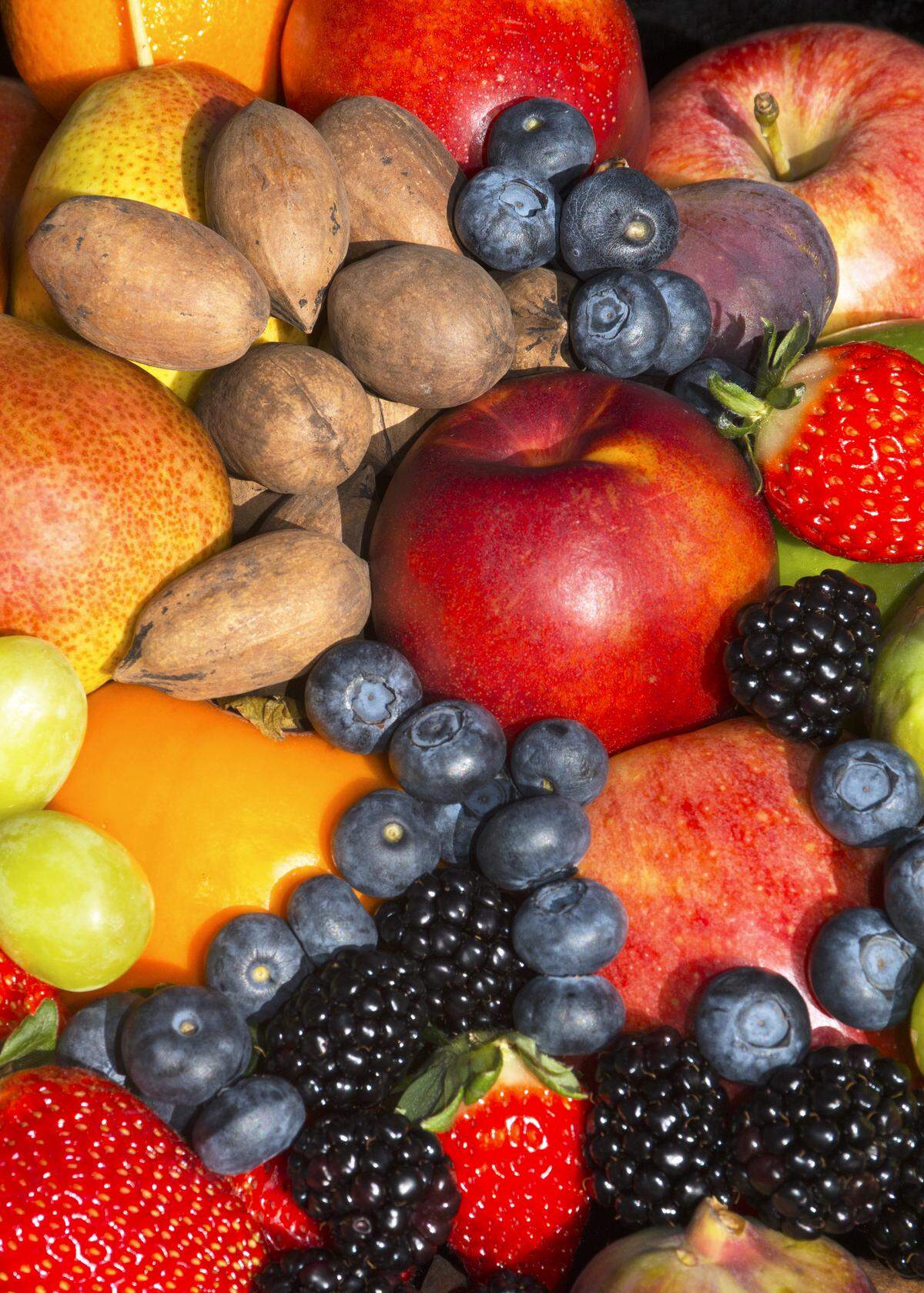
For more than 40 years I had Dr. George Ray McEachern of the Texas A&M AgriLife Extension Service on the air with me one Sunday each winter to talk about specifically fruit and pecans. Over those years I repeatedly asked him to recommend the best types of fruit, including specific varieties, for gardeners to plant in North Central Texas. These were the types that usually made his lists.
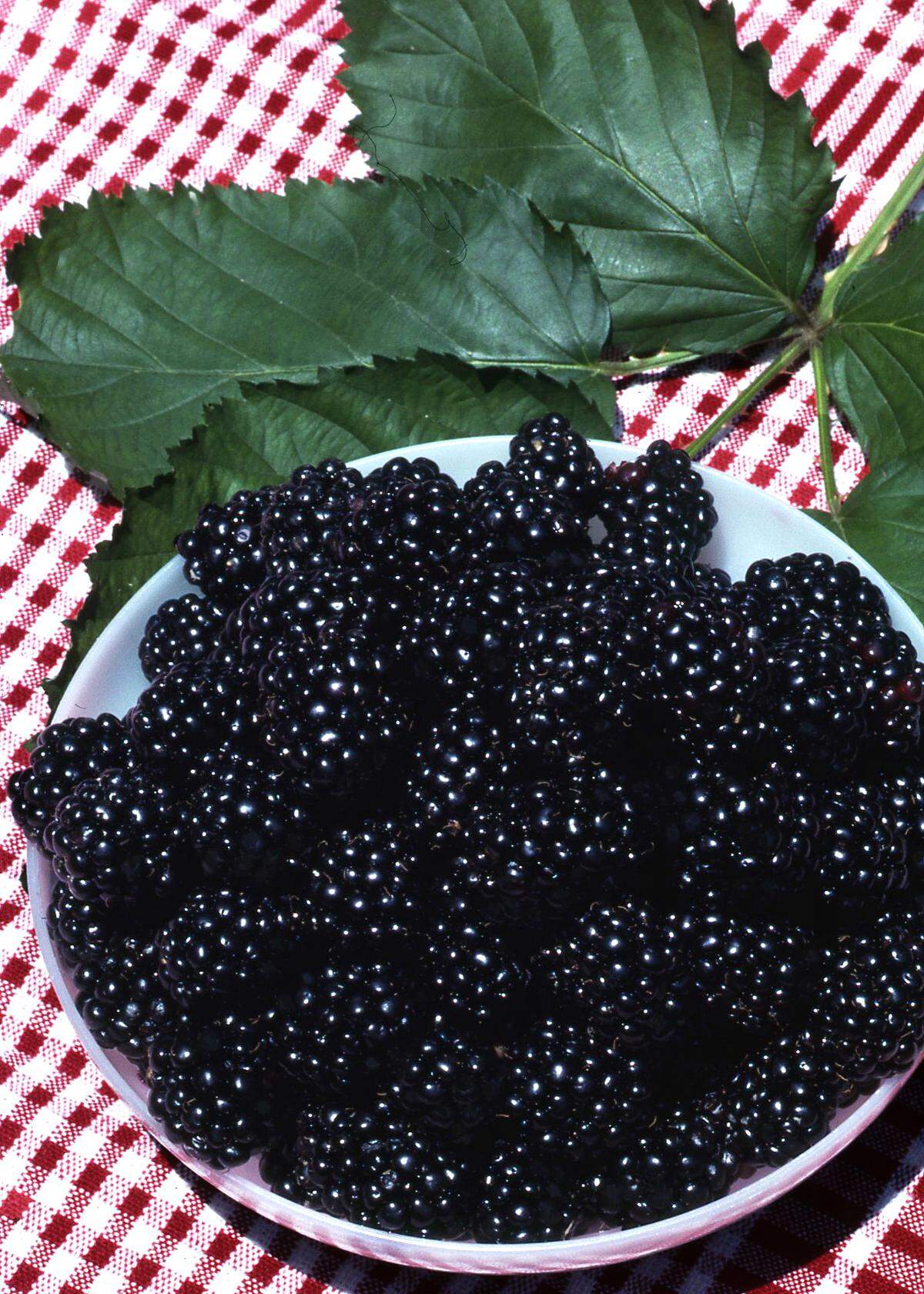
Orient pear, Methley plum, and Kiowa or Ouachita blackberries were always at the top of his lists. Those are the most dependable fruit-producing crops for our area. The older variety, Brazos blackberries were up there for years, but they are more acidic, and these two moved ahead of them.
Next in line for ease and dependability came Eureka persimmons, Champanel (red) and Blanc duBois (white) grapes, Caddo or Pawnee pecans, Celeste figs, and Harvester (Waco to DFW) and Red Globe (DFW north to the Red River) peaches.
In the acidic soils of East Texas Black Beauty muscadines and Tifblue blueberries would do well.
Several things need to be noted about these crops. For example, some will need second varieties to ensure cross pollination and therefore good fruit set. In fact, it’s always a good practice to have a second good variety to ensure the best possible pollination, but it must bloom at the same time.
Figs especially were hurt by the extreme cold of February 2021, but they still are worthy of planting.
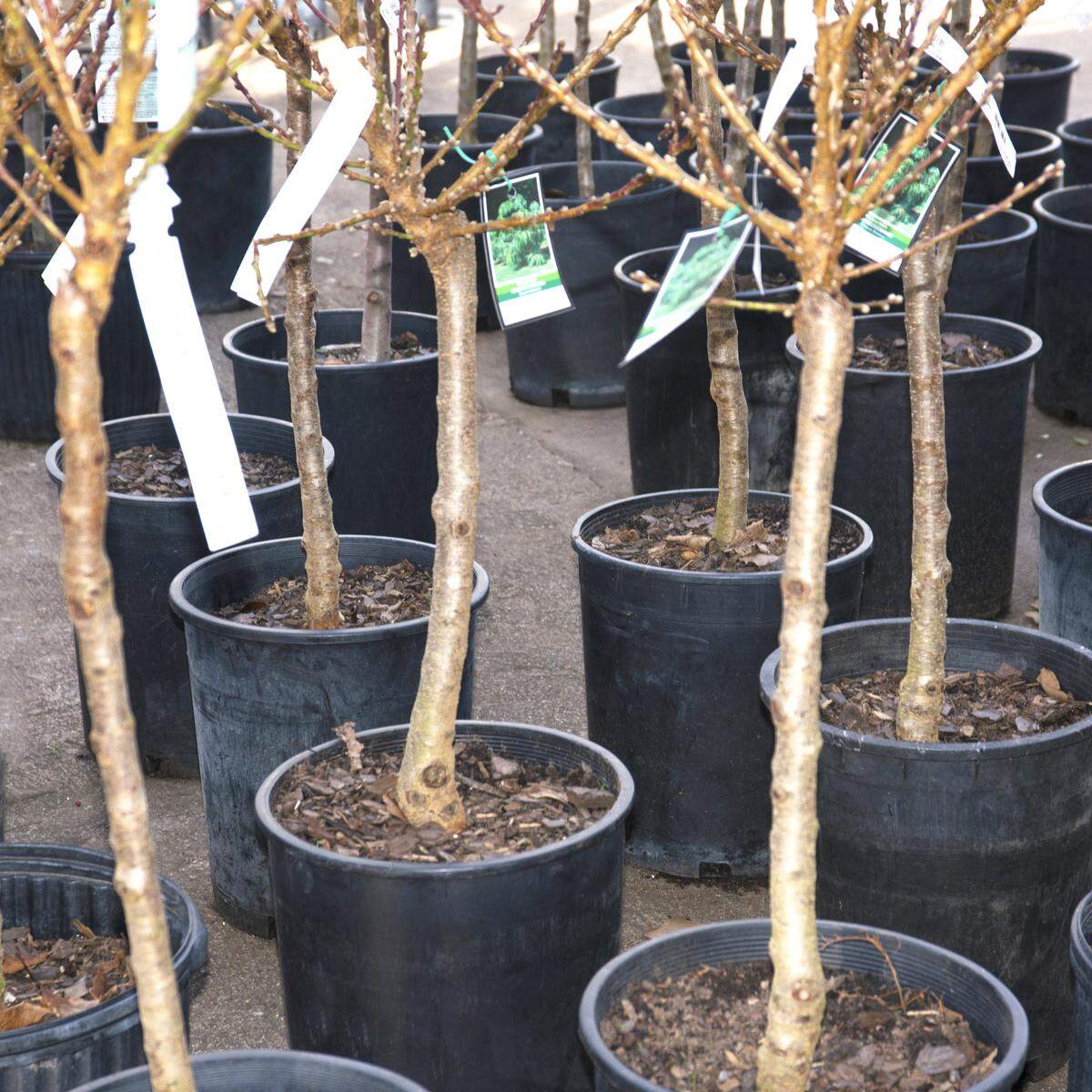
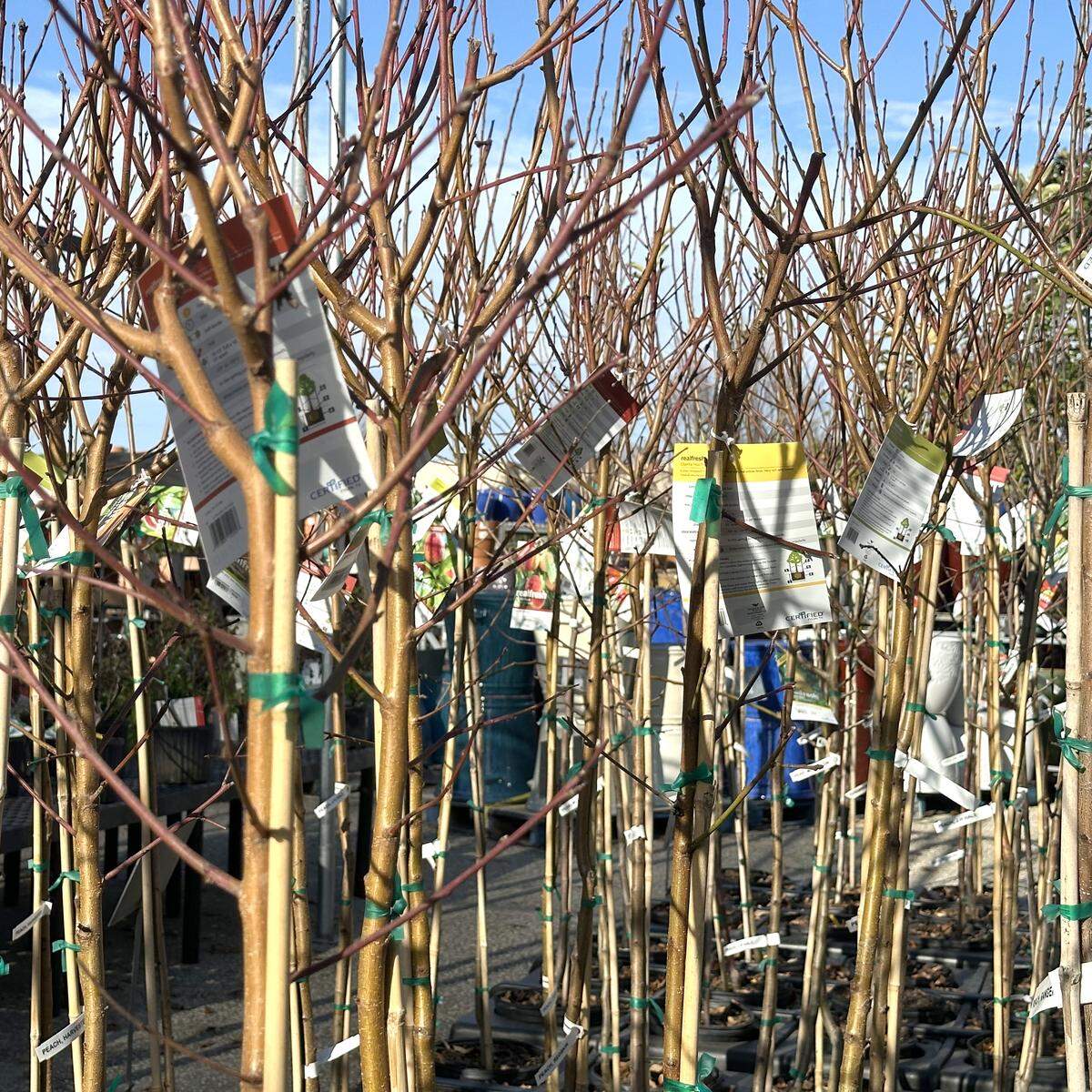
Some varieties may be difficult to find. It’s always best to buy from local independent retail garden centers whenever possible. The person doing the buying for those sources is most familiar with local soils and climate and the fruit varieties that have the best chances of succeeding here. It’s been my observation that national “big box” stores too often have their fruit crops labeled generically only as “apples,” “peaches,” etc., or they choose varieties with the greatest name recognition, not the types that have been recommended by long-time fruit specialists with Texas A&M. The people responsible for doing their buying may be hundreds of miles from where you are.
Fruit trees are generally sold to us “bare-rooted” or in containers. Either can work but plants in containers often take off faster because their roots should be better established when you buy them.
Start training the plant’s growth immediately from the time of planting. Ideally your new peach or plum tree will be 3 to 4 feet tall, and you will then cut it back to 22 to 24 inches. That will result in several new shoots developing just below the cut. Select three that are distributed evenly around the trunk so that the weight of developing fruit will be shared equally as the tree matures.
Pears and apples should be 4- to 5 feet tall, and they should be pruned to 30 inches. Again, select main scaffold branches that you will allow to develop.
Pecans may be in larger containers to accommodate their deeper roots, or they may be sold bare-rooted. Choose trees that are 4 to 6 feet tall and prune them back by half as well. Select one main new shoot to become the new trunk. You can keep other new shoots pruned back to 4 to 6 inches for a couple of years. This “trashy trunk” technique results in the trunk thickening more rapidly as the tree grows. After a couple of years the short, stubbly shoots should be pruned back flush with the main trunk.
At this point it’s important to note that all new trees, whether bare-rooted or from containers, should be planted at the same depth at which they were growing in their nurseries or in their pots.
Blackberries are of the upright type and can be grown for many years in dedicated rows. While trees should have small immature fruit picked off for the first couple of years, blackberries will start producing their second spring. Each year you will cut fruiting canes completely to the ground immediately after harvest. They will never bear fruit again.
You will notice that several types of fruit did not make the final list of recommended varieties. Apricots have low chilling requirements and try to bloom too early only to get frozen most years. Cherries don’t do well in our hot summers and comparatively warm winters. Citrus can’t handle our winters. Even the hardier types like the Satsumas that were a rage 15 or 20 years ago were lost in 2021, so they’re considered a gamble.
Don’t overdo it as you plan your backyard orchard. Start with a couple of trees and maybe grapes on a fence and blackberries in your vegetable garden. See how it goes. Keep it manageable in size.
Nurseries’ supplies are arriving now. Do a little more homework before you go shopping. It can be a fun new phase of gardening.