Why some gardens thrive and others don’t here in North Texas
“But Neil, my neighbor’s tree looks different from mine.”
I hear things like that all the time. Plants are exactly like people. You can put them in what you’d deem to be the same set of circumstances, yet they’ll react to them differently. Seemingly identical at the outset yet yielding such different results. Let me give you a few examples of why this makes gardening such an interesting hobby.
The best recent example happened after the great winter of 2021. Actually, the Great Winter Week of late February 2021. That was the time when plants “thought” they’d made their way through another Texas winter. Things had been warming up, and buds were starting to swell. Then, all of a sudden, the bottom fell out of the thermometer. Snow accumulated half a foot deep and stayed on the ground for much of a week. When it finally began to warm up, we found that many of our plants had been lost.
Most curious among those were the oaks, specifically live oaks. Some started shedding almost all their bark immediately. The Texas A&M Forest Service referred to it as “radial shake,” and that damage proved to be fatal to 15 to 20% of our live oaks across much of the state, notably the northern half.
.jpg "10.27.25 Some live oaks lost major parts of bark due to Feb 2021 cold (Radial shake).jpg")
As time wore on, live oaks and Shumard red oaks continued to lose bark, and those trees were also weakened. Some even thinned and had to be taken down.
What made it all the more puzzling was that other live oaks, often growing right alongside the dead and dying ones, were thriving as if nothing had happened. Sure, they might have had better environmental conditions (soil depth, watering prior to the cold, etc.), but in many cases it just seemed to be genetic diversity. You couldn’t have predicted it beforehand.
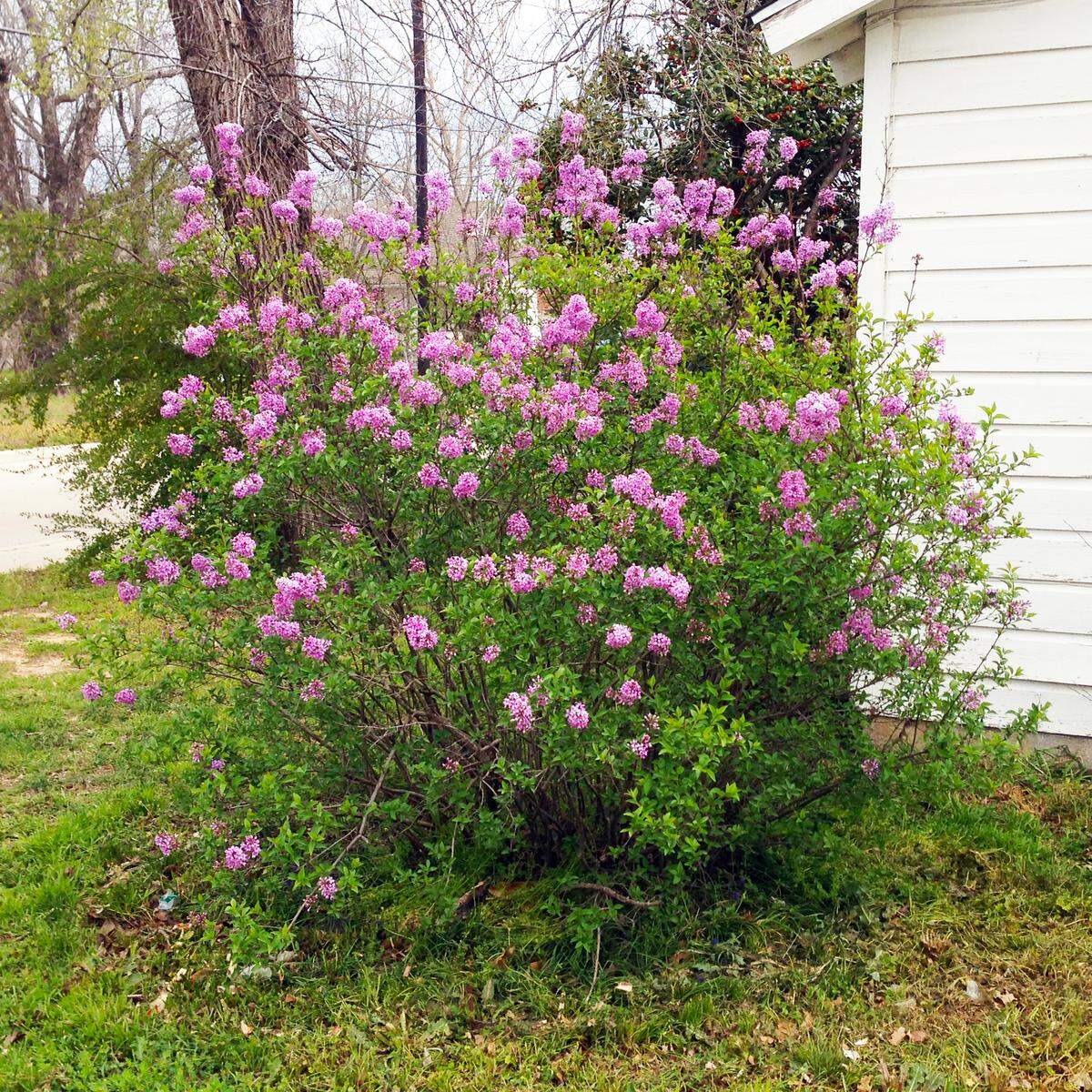
People who move here from the North are disappointed to find out that they can’t grow rhubarb, lilacs, Kentucky bluegrass, or peonies like they did back in their old homes. “Texas is too hot,” they’re told. And they reply, “We get to 105F back where I came from. So, what’s the big difference?”
The difference is that their old states don’t stay at those temperatures for prolonged periods of time. It may get to 105, but that’s rare, and it probably will only last for a day or two out of the summer. In Texas, we accept it as ordinary.
I grew up in College Station, but I got my degrees at Ohio State. My turf management professor there explained the bluegrass situation to us by saying that bluegrass goes to “the bank” and makes a withdrawal to keep itself going when it’s really hot. It’s just trying to survive. It can’t manufacture sugars and store them for later use — it’s just trying to stay alive. Bermuda and St. Augustine, by comparison, thrive in the heat. Their problems come when it gets cold. North-style cold. Bluegrass loves that. Bermuda and St. Augustine do not.
Going back to the lilacs, rhubarb, peonies, Colorado blue spruces, raspberries, true yews, and many other popular plants from northern gardens, the story is exactly the same. With the millions of people who have moved here from up there over the past 200 years, you can pretty well assume that all those plants have been tried. Stick with types that have better track records here. (Crape myrtles may not be fragrant like lilacs, but they come in more colors.)
Have you ever had a vegetable garden here in North Texas? Has a friend, neighbor, relative, or co-worker also gardened at the same time? Did their garden outperform yours to the point that you just quit talking about it? Why might that happen? What might have gone wrong for your garden? Or, better yet, what went right for their garden?
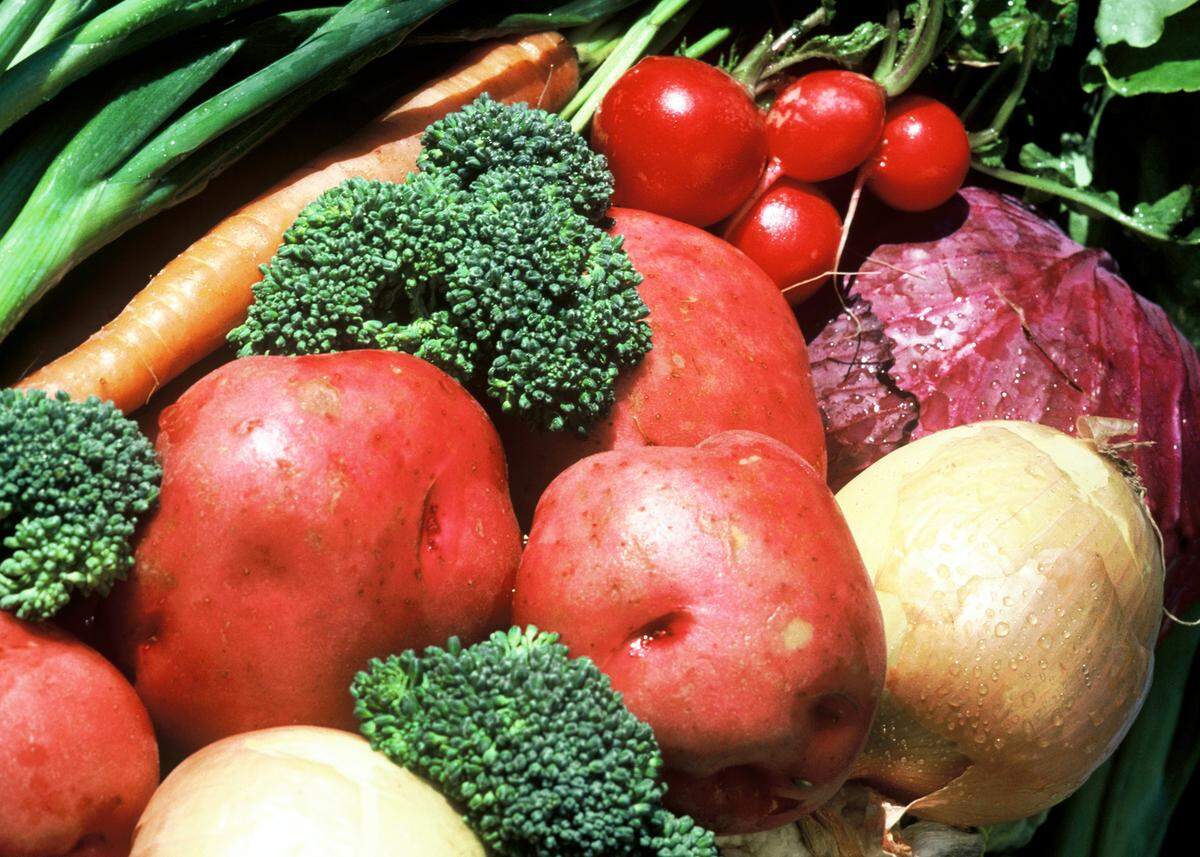
That’s a fun topic. Let’s make a list.
• Vegetables do best in full sum. Shade diminishes their productivity quickly.
• Good bed preparation is critical. That may be the single biggest shortcoming I see. You need to mix in 4 to 5 inches of organic matter (a blend of sphagnum peat moss, well-rotted compost, rotted manure, and finely ground bark mulch) along with 1 inch of expanded shale if you’re preparing a sandy soil.
• Raised beds ensure good drainage and that’s essential. Aim to have the planting surface 5 to 6 inches above the surrounding grade.
• Planting at the right time. Every vegetable crop has its own preferred two to three week planting window in the spring. If you miss the window, that crop will mature when temperatures are too warm and the quality of the produce will drop.
• Nurture your plantings by mulching, weeding, feeding, watering, and controlling any pests and diseases that show up.
• Harvest at the peak of quality. That does not translate into full size. Most vegetables will be best when harvested at half to two-thirds their full, mature size.
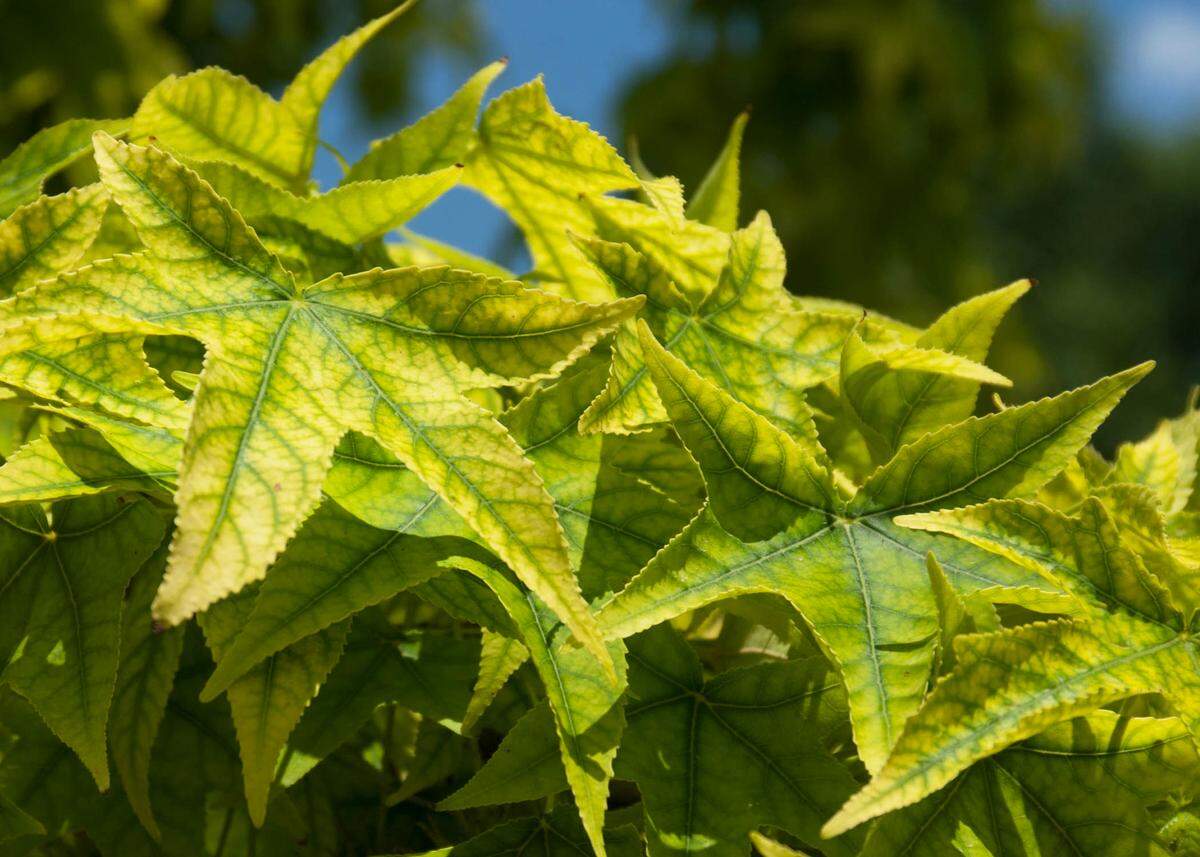
Some plants will turn yellow, and their growth will slow and stall. Different species retain their great green color. Why the differences?
You’re describing iron deficiency. Some plants need more iron than others do to keep themselves healthy. Without it their leaves will turn progressively light green, then yellow with dark green veins, then solid yellow, then almost white, then scorched brown, then dead.
Iron becomes a part of the chlorophyll molecule and it does not move within the plant. That’s why a shortage in iron is most evident on the new growth at the tips of the branches. Old leaves remain dark green the longest.
Prime victims of iron chlorosis here include azaleas, gardenias, wisterias, loropetalums, dogwoods, pines, water oaks, pin oaks, cleyeras, and Carolina jessamines.
Iron becomes insoluble in our alkaline soils, so one of the ways to cope with a deficiency is to try to acidify the soil with sulfur. You also can add iron, or you can spray it directly onto the leaves of the iron-deficient plant. Be careful not to get the spray or granules onto masonry or painted surfaces because the iron can leave an unsightly stain.
It should also be noted that it’s difficult to correct iron deficiency with large shade trees. You’re far better off to accept the loss and replace the tree with a better adapted species.