Pansies are prefect for North Texas winters. What to know about planting them
It’s been amazing to watch my industry change in the years I’ve been in it. It’s late October now, and temperatures are finally moderating enough to start thinking about planting pansies. I’ll use them as my simple case study. There are plenty of others for other times.
I’m going to reach way back to my early high school days in College Station. My sleepy little hometown had about 6,000 people then, and I rode my bike to most of my landscape contracting jobs. I used my customers’ tools. This time of year was pansy-planting time. However, we didn’t have retail nurseries in Brazos County as we know them today. And no one used plastic pots yet.
It was the late 1950s and early 1960s. Pansies were grown in fields in the sandy hillsides of Lindale, a small farming community north of Tyler. Starting in late October and through November, growers would dig their sturdy plants, bundle them in packs of 25 plants, secure them with rubber bands, pack them in wet moss, roll them in sheets of newspaper, box them, and take them down to the Greyhound bus station.
From Lindale they would arrive in College Station at the East Gate bus station later that same day. I’d meet the bus, generally hitching a ride with my dad, pick up my box, and take the pansies home where I’d put them down in a bucket of water to re-hydrate the paper, moss, and roots.
Later that day and all through the next day I’d be out with my customers setting pansies out in their beds. I did that each year until I graduated from high school and eventually transferred from A&M to Ohio State.
That act was repeated across Texas many times every day in mid-fall by nurseries and landscape contractors. Lindale was known as the place to get pansies back then in the ‘50s and ‘60s. I can’t speak to earlier years, but I do know that when plastic cell packs came along in the late 1960s, buying your pansies dug and shipped bare rooted began to wane.
Jump ahead another 25 years and large retail garden centers and the better landscape contractors started calling for 4-inch pots of pansies in full bud and bloom for almost immediate impact. That’s what growers began providing, and that’s pretty much where we are today, 40 years later.
Simultaneous with the changes in how they were being grown and sold, the product itself was seeing monumental upgrades. Breeders in several nations, notably Germany, the United States, and Japan, with strong influences from Holland and France, have brought us the varieties we have loved the most in the past several decades.
Sakata Seed brought us the Crown series, later Majestic Giants. Takii was responsible for the Imperial series. Goldsmith Seeds, later Syngenta Flowers brought aboard the long-popular Delta series. Pan American Seed (Ball Seed) has brought us the popular Matrix series.
Goals of breeders over those years and continuing on to today include flower count, longer bloom season, cold hardiness, new colors, and flower size. (Violas and smaller-flowering pansies are very popular for landscaping displays, so it’s not always about getting the largest flowers possible.)
Preparing for pansies
Hopefully you, too, have the itch to plant these most popular of the cool-season annuals. Here are a few guidelines to give you the best chance of success.
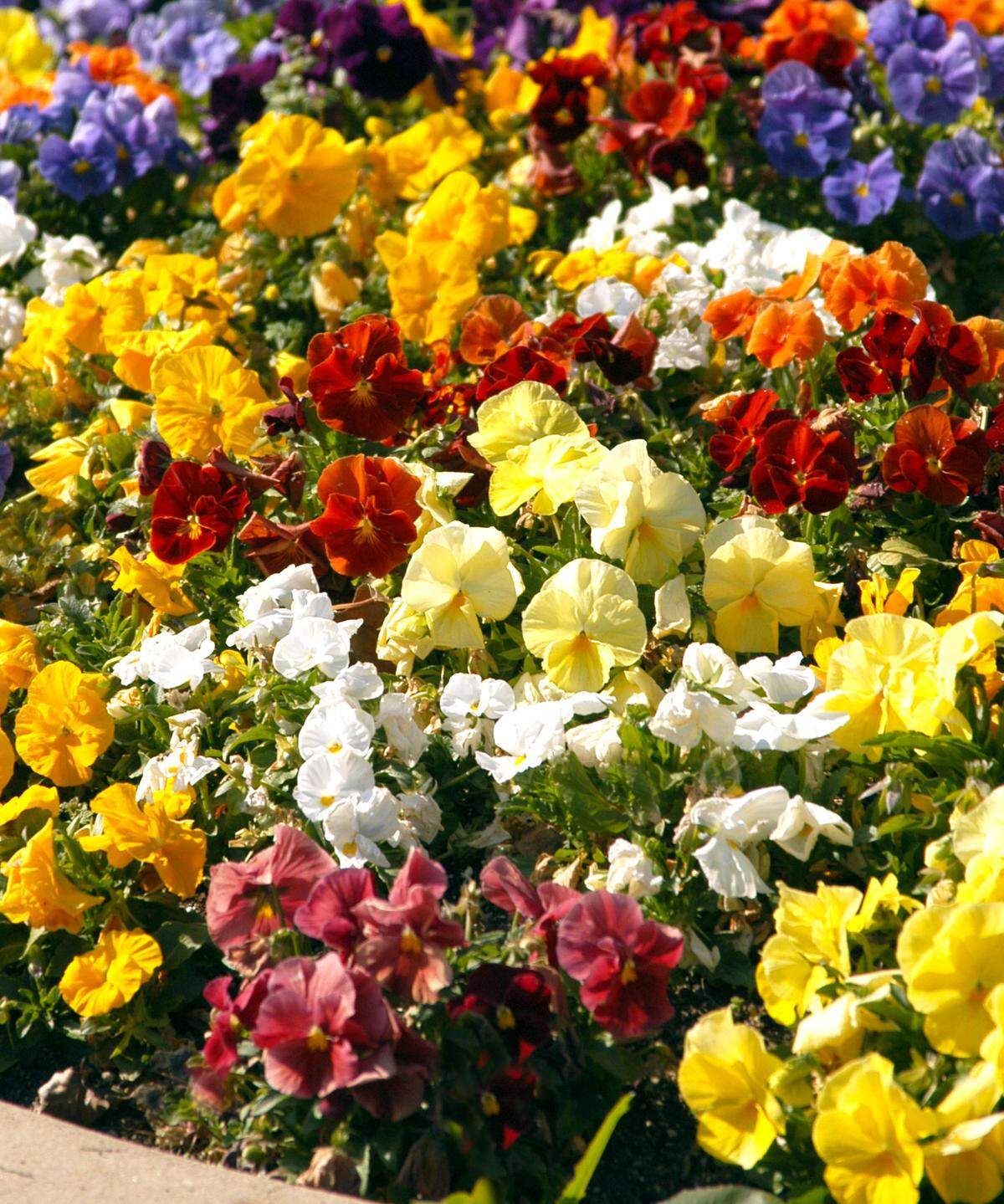
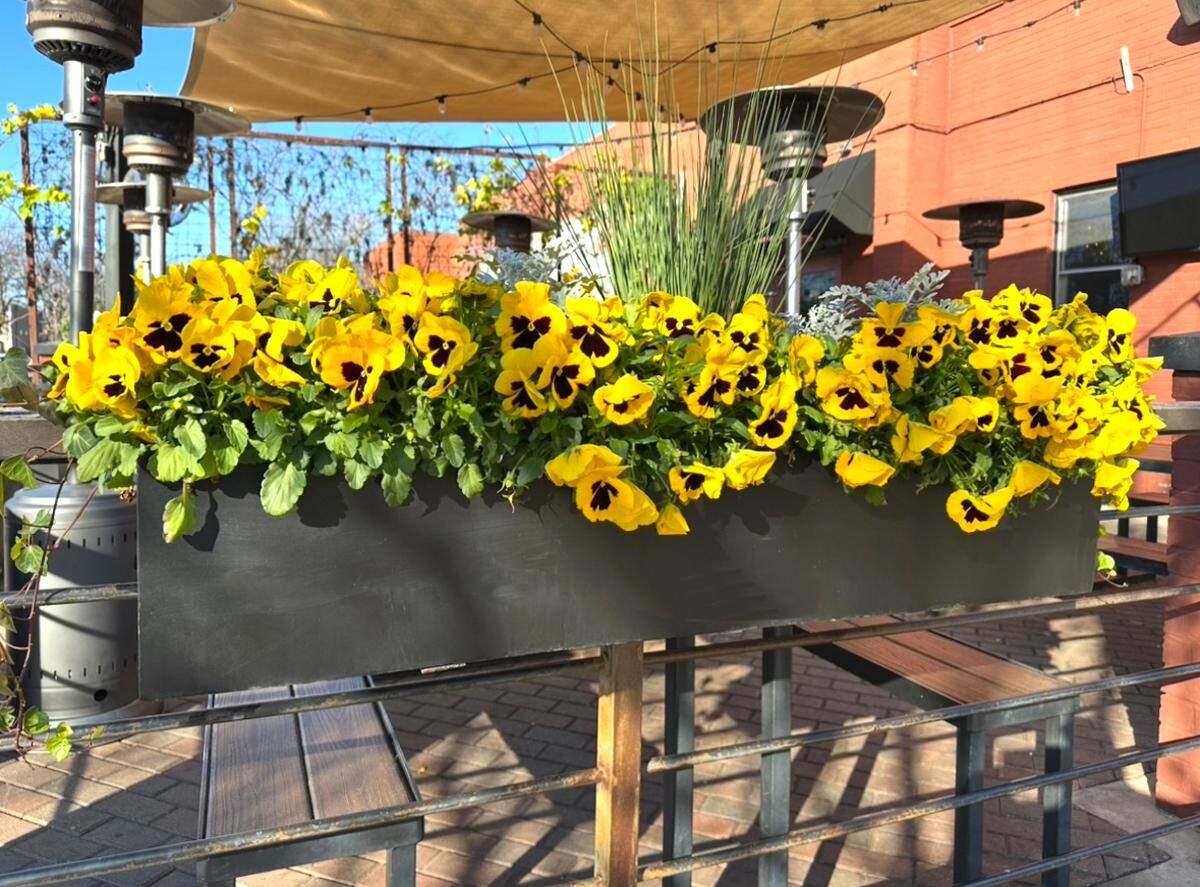
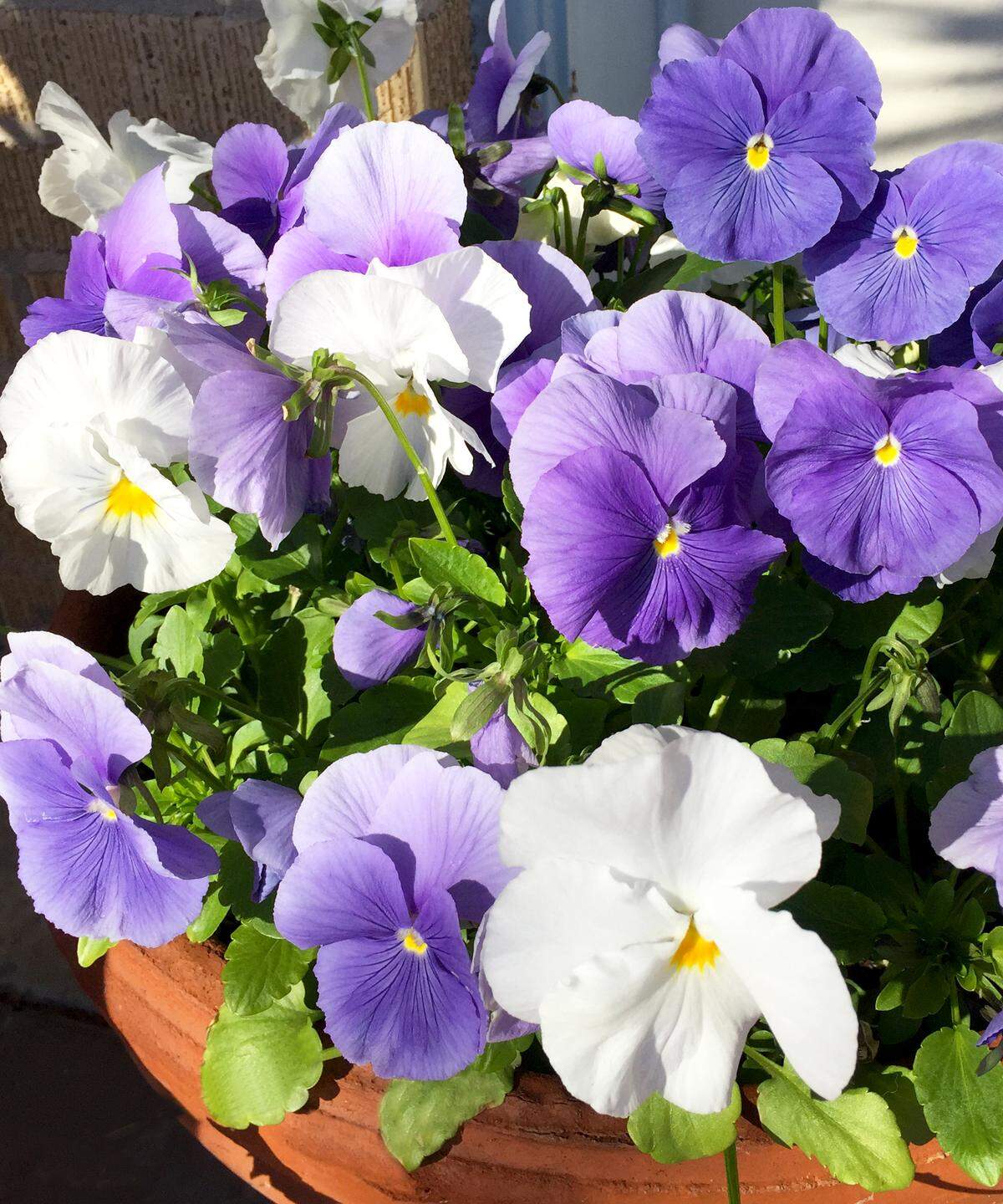
Plan your colors. Remember that “warm” colors advance (are more prominent to the eye), while “cool” colors recede. If you want a bed of pansies to show up from a distance, feature yellows. If you want it to blend in with the surroundings, go with purples, blues, and dark reds. Beds that are completely mixed won’t have the impact that beds of one or two or three complementary colors will have.
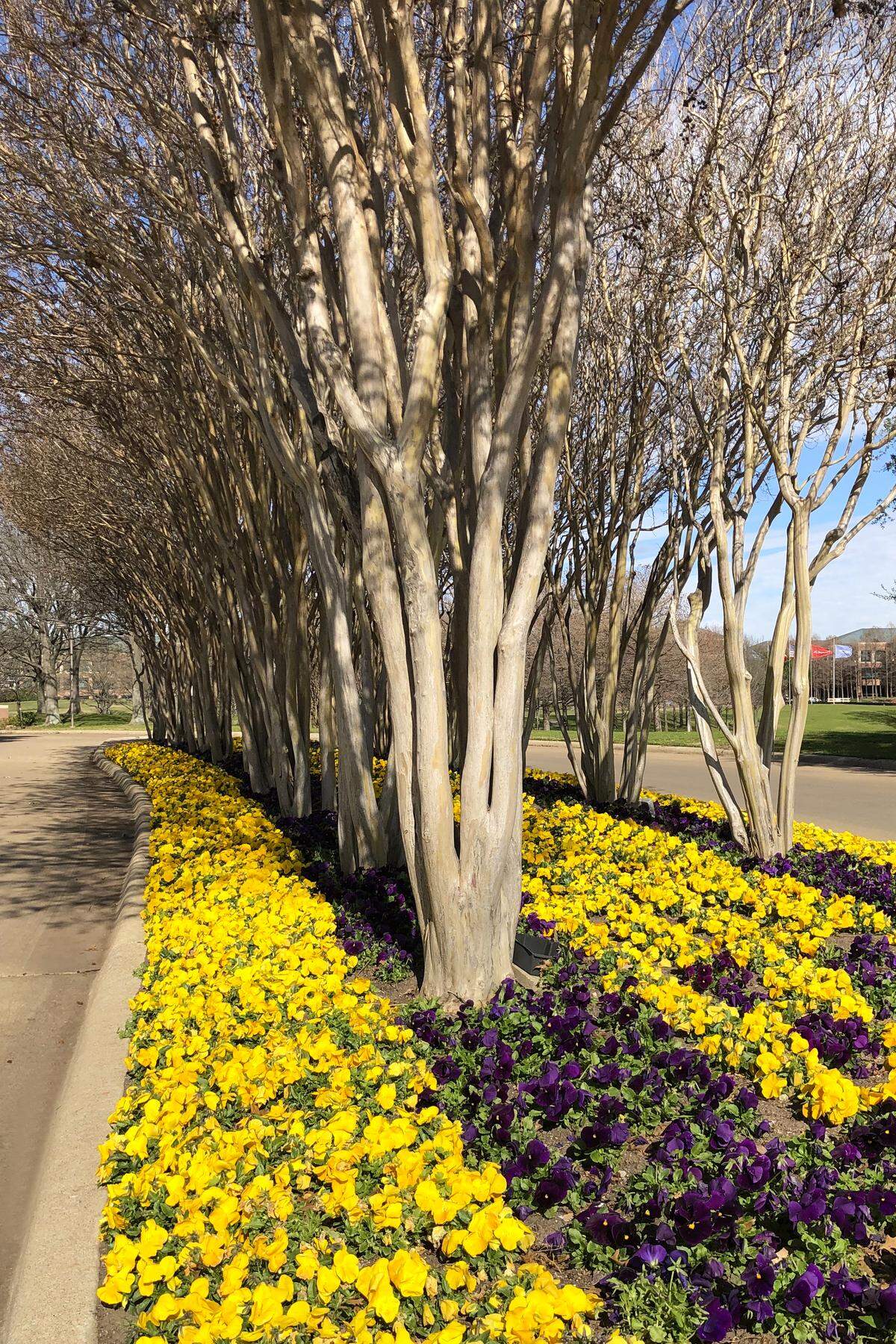
Full sun. Pansies and violas need full sun for best bloom. They’ll tolerate a slight amount of shade, but anything more than a couple of hours will cause them to grow lanky and spindly. Winters here are dank and dark enough anyway.
Excellent drainage. As with vincas, petunias, snapdragons, and a few other annuals, soggy soils can cause stem rot and plant death with pansies. Avoid spots where water accumulates. If you plant them in pots, be sure there are functioning drain holes.
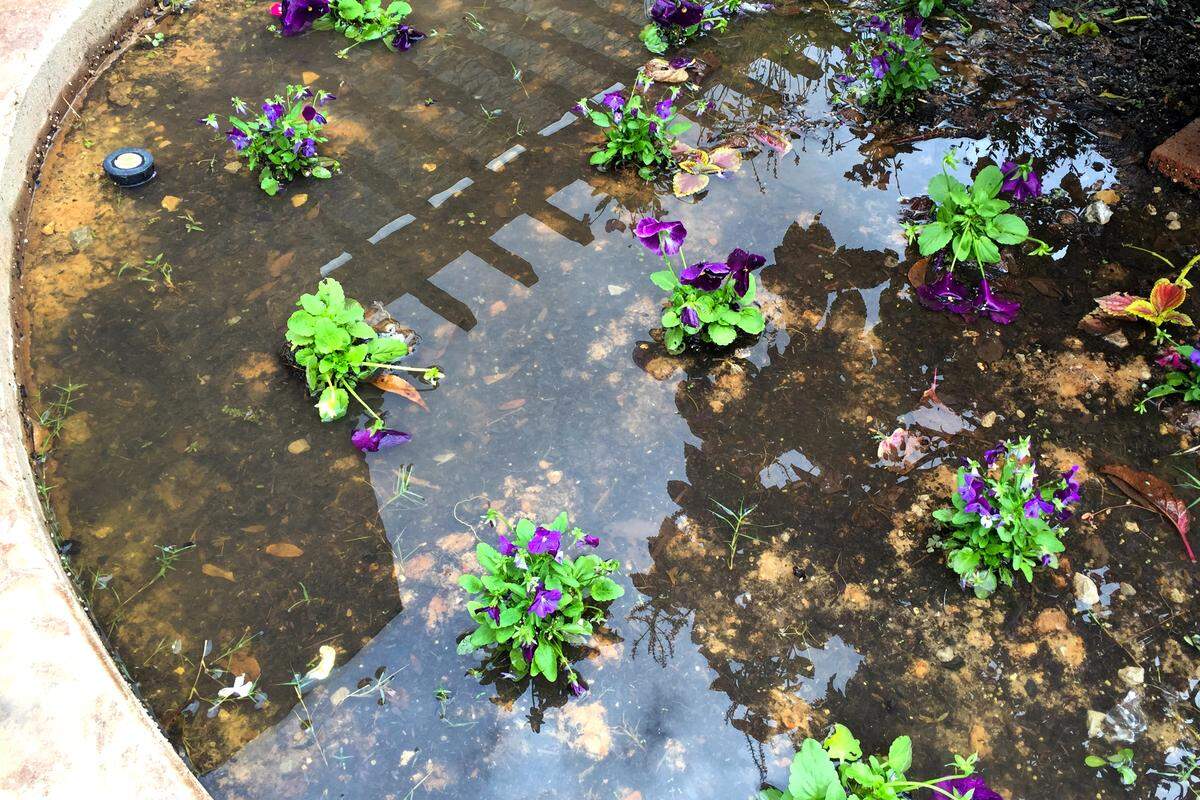
Highly organic soil. Incorporate 3 to 5 inches of organic matter. It can come in the form of sphagnum peat moss, well-rotted compost, fully decomposed manure, shredded bark mulch, and ground tree leaves. Ideally, you’ll add 1 inch of each to the top 10 to 12 inches of native soil. Include 1 inch of expanded shale if you’re working up a clay soil. This bed will end up raised several inches above the surrounding grade. That will be an excellent help in providing good drainage.
Proper spacing. Set the new plants 8 to 10 inches apart. That will give them room to grow together into a solid bed of color. Closer spacings might crowd them. More distant spacings will leave gaps in the bed.
Keep them well nourished. Pansies grow vigorously during warm spells in winter. Fertilize them with a diluted solution of water-soluble, high-nitrogen plant food each time that you water them. That’s especially important as you’re getting them established.
Protect the plants from extreme cold. Frost cloth is pansies’ best friend when it turns really cold. Watch what the pros do when temperatures drop below the low 20s. They’ll quickly roll out the white gauze-like materials, peg it down tightly to the ground, and cover their pansies and other winter color beds. The sun’s rays will warm the soil, and the cloth will hold in that radiant heat overnight. It can make 8 to 10 degrees’ worth of difference, and that can save both flowers and foliage. Uncovered as soon as temperatures moderate, the pansies will look as good as new.