
Need trees pruned? Here’s what to ask when searching for an arborist in North Texas
There’s a lot of pruning done this time of year. Since your shade trees represent such a major part of your property’s value, it makes sense that you would entrust their care to only the best experts in town.
How do you find those experts? I’ve done some homework. I’ve talked to arborists. I’ve gone to many websites. And I’ve been in this business for 50 years. I think I can offer questions you’d want to have answered before you settle on the company that comes to work on your trees.
What services do they provide?
Arborists can do everything from normal management and maintenance all the way to heroic removal of damaged trees in difficult settings. Are they simply “prune-and-remove,” or are they full-service? Look at your list of work you need to have done and be sure each company can do it.
Are they members of the International Society of Arboriculture (I.S.A.)?
That’s the professional organization that establishes best practices and provides education, guidance and certification of its members. You really want to have a member company doing the work for you.
Need help finding an ISA-certified arborist? The society’s website is set up to help you. On the home page there is a navigation button for “Find an Arborist.” If you click on that and enter your ZIP Code and the radius you are willing to accept, it will find all the candidates.
Will an ISA-certified arborist or veteran professional be on site when the crew is working on your property?
You need to know that someone well experienced in safe and proper tree care will always be present.
How many years has their company been doing tree work?
This is very important. Experience leads to high-quality work. Newcomers in this profession need to work as apprentices for a few years. Good and safe tree work involves knowledge of plant physiology and physics of climbing and limb removal, then they need practice in working together as a team. You don’t pick those things up overnight.
What is the educational background of their crew leaders? Are they trained in the “green industry”?
Be listening for majors in horticulture, forestry, arboriculture, plant pathology, etc. Again, however, years of actual practice in the field of tree care are critical. They can’t be replaced merely by book learning.
Are all the people who will be sent to your home their employees, or will they be hiring sub-contractors?
You want to know that the person to whom you are talking bears the final responsibility over the work that is being done and the safety with which it is being performed.
Do they have certification of insurance? Do they carry liability insurance and worker’s comp for tree service employees?
Ask if you may see it.
These policies are to protect you and others, your property and the properties of others, and the employees. Worker’s comp for tree service employees is different from (and more expensive than) standard worker’s comp because of the dangers involved. That’s why you need to see proof of that insurance.
Are they involved in their community?
Examples hopefully will be tied to the parks commission, planning and zoning/tree ordinances, and other tree-related community affairs.
To what professional organizations do they belong within their industry?
The list should include green-industry trade organizations, and they should, optimistically be taking a leadership role. The best companies don’t compete with other companies. They join and support them to make the industry better.
Can they provide you with referrals? This should be other people or companies for whom this arborist has done work. Follow through. Drive by to look. Customers who are happy won’t be offended by your inquiries.
Do they have a physical office with a street address?
This shows permanence within the community. The best companies have permanent locations. They’re probably not at prime intersections, but they’re not being operated out of the front seats of trucks by people who drive up and down streets knocking on doors.
Do they give a free and detailed estimate for the work they will be doing?
You need to know what their work will entail and what it will cost. Don’t expect this to be an exhaustive diagnosis of problems or other things you might get in a paid consultation. But it should be a thorough description of work they will be performing.
Does someone answer the phone during normal business hours, or must you wait for a call back? Is there an employee assigned to emergency calls when the office is closed?
Storms happen. Sometimes you can’t get out of your driveway or a limb has come through the roof. Is there a way to reach someone before the next business day?
Do they have the right equipment for the jobs they will be doing for you?
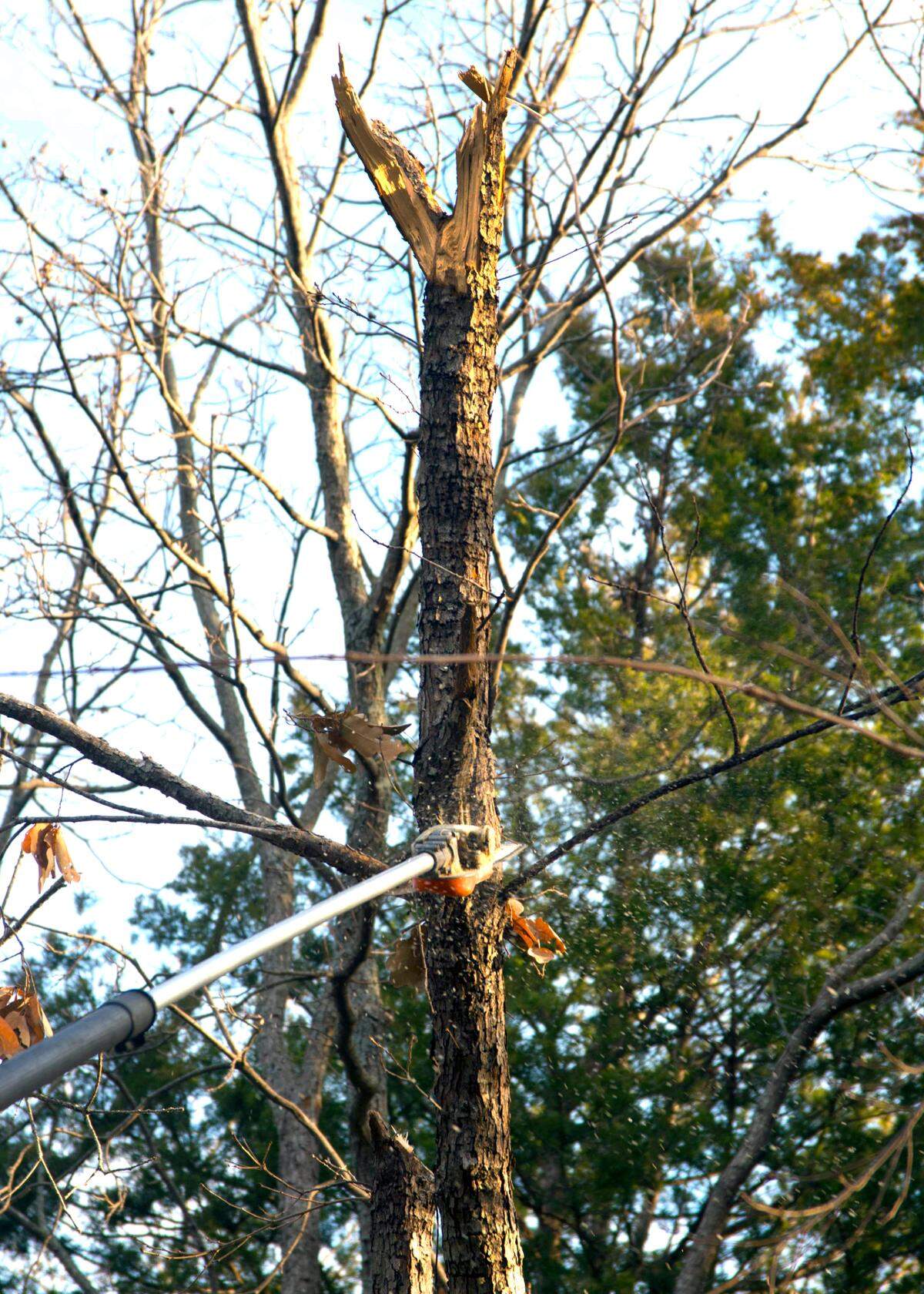
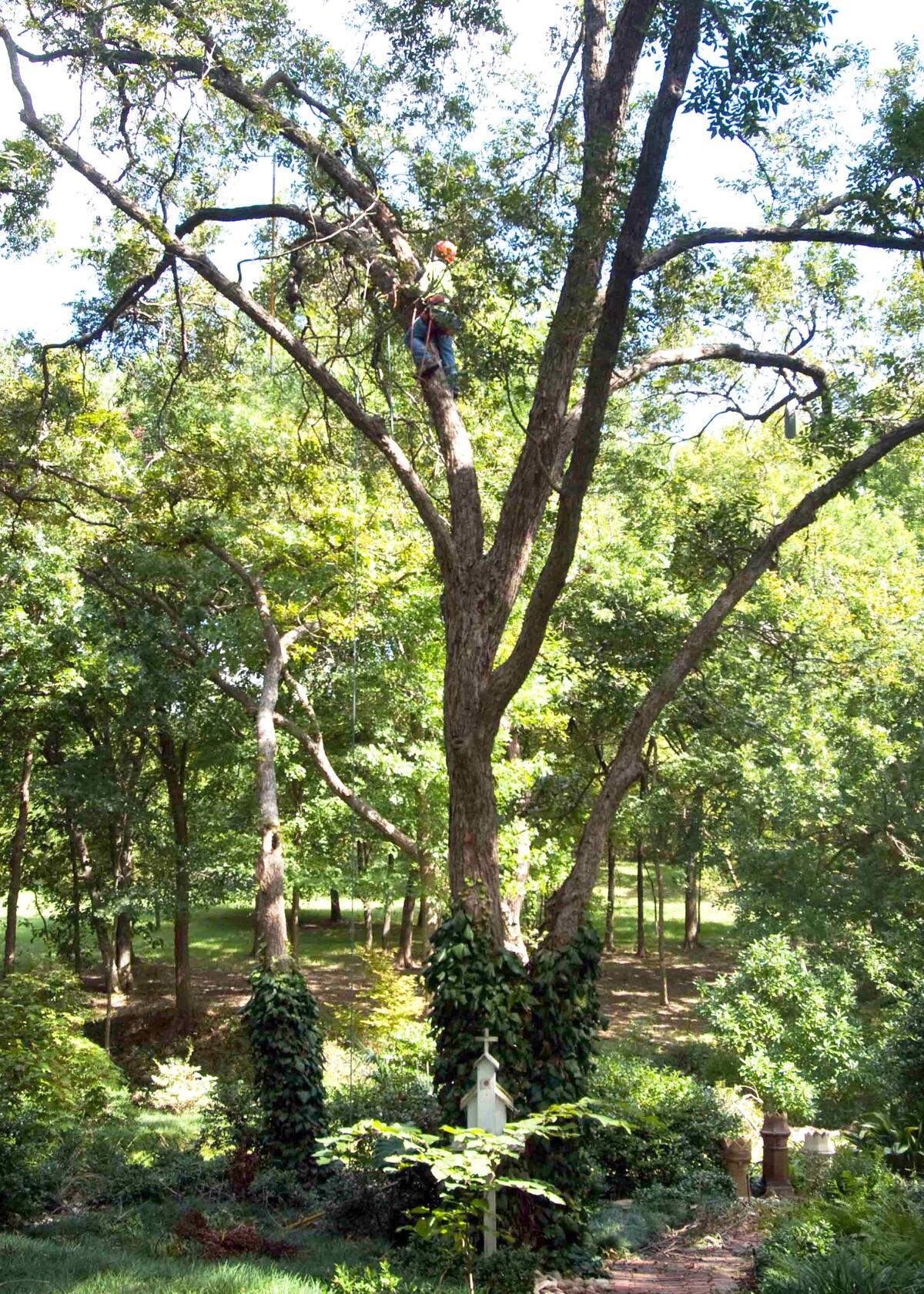
This might involve little more than climbing gear, ropes, and a chain saw, but it could be much more exotic, all the way to a bucket truck, sophisticated lifting devices, and stump-grinding equipment.
Will they be removing the debris when they are finished?
The best companies leave landscapes neat and tidy when they’re done. Shavings and branches are picked up. Walks, patios, and drives are blown and swept clean. If first impressions are important, so are the last impressions a company leaves behind as it drives off.
This story was originally published February 14, 2025 at 5:50 AM.