
These are common pruning blunders seen in North Texas. Did your work make the list?
I’ve always tried to be a positive guide to your gardening experiences, but there are times the best way to teach is to point out where we’ve rolled off course. That’s what I’m going to do today. I made myself a list of ways I’ve seen people mis-trim their plants in my 55-year career here in the Metroplex. See if any of these rings a bell for you.
Remember as you read these, that every one of them represents a mistake in the care that plant has been given. These are all bad examples.
Shade trees
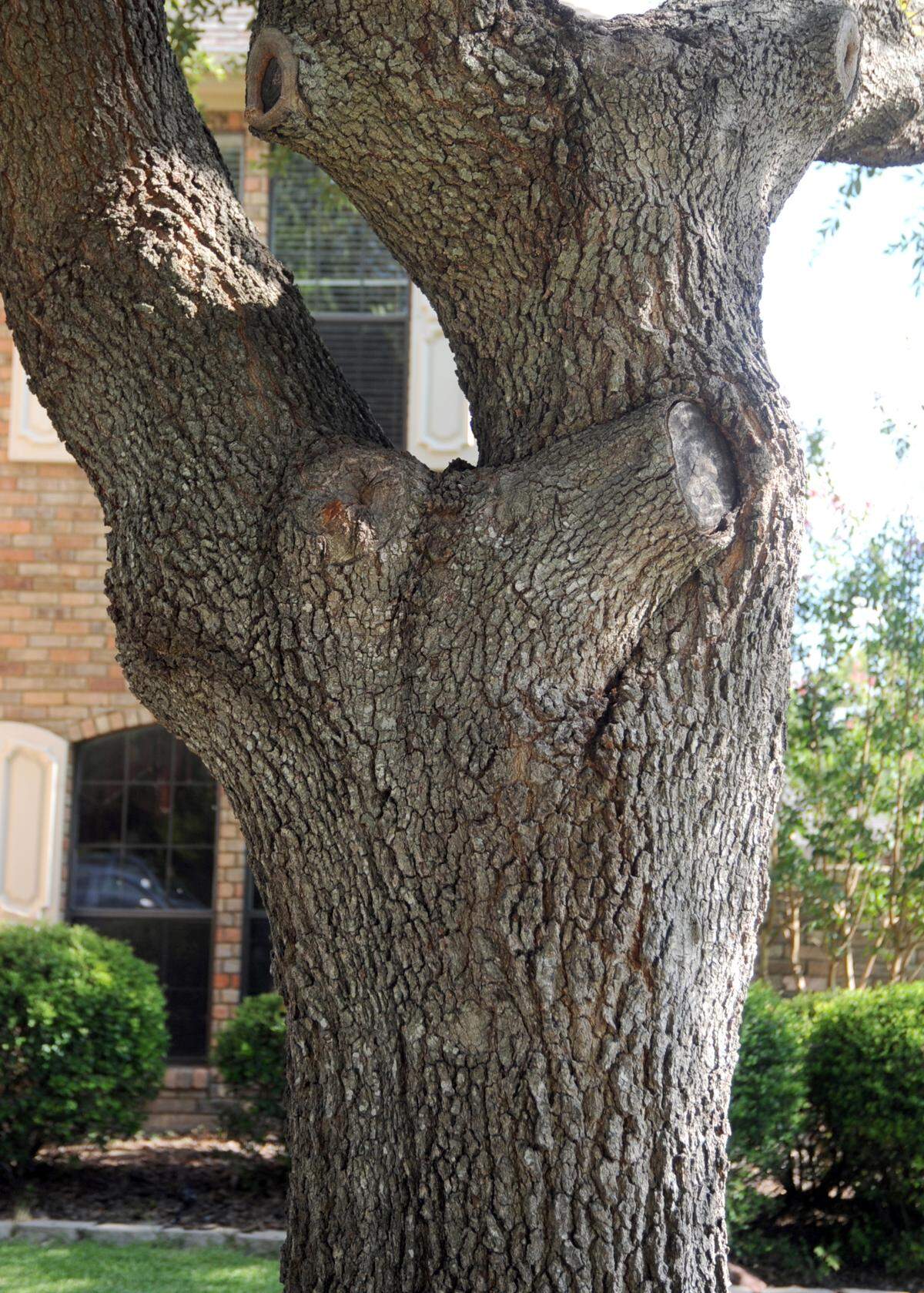
▪ Leaving stubs when removing branches. Learn what the “branch collar” is, then always prune to leave that very short piece in place to facilitate complete healing. New bark cannot form across stubs and decay will develop, both in the stub and subsequently down into the trunk itself.
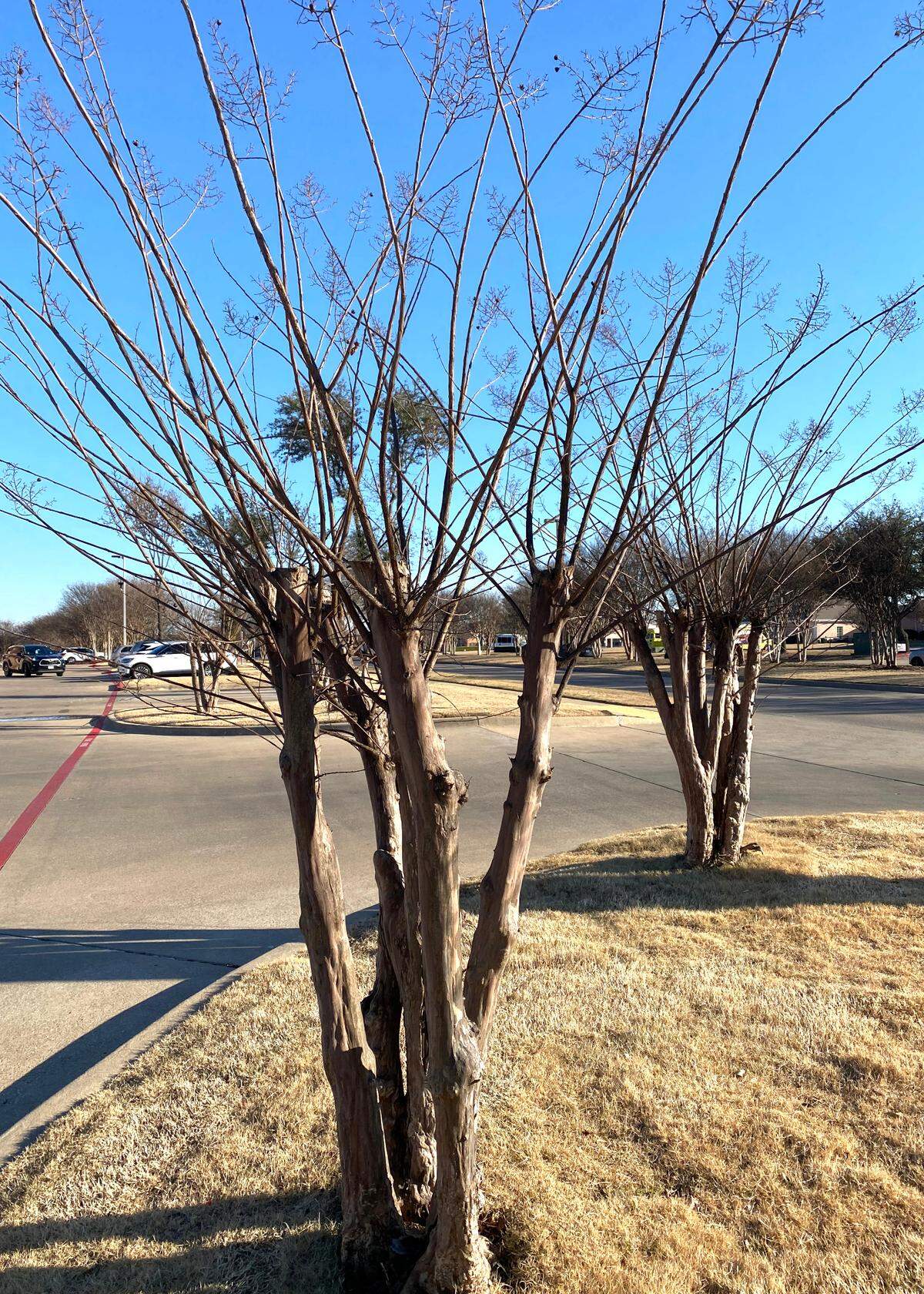
▪ Topping trees, most notably tree-form crape myrtles. This used to be done to mimosas as well. It ruins the plants’ natural growth forms forever, plus it delays the date of first bloom and reduces total amount of flower production. As we’ve discussed many times here before, there is never an acceptable reason for doing it.
▪ Pruning oaks during the spring (mid-February through mid-July). Those are the months during which the oak wilt fungus is most active. Save all pruning to fall between mid-July and mid-February — not in the spring. Seal all cuts made to oaks with pruning paint.
▪ Lower branches off trees in parking lots. I understand that retailers want their storefronts to be seen, but why do our cities have tree requirements if we’re going to let landscapers abuse them by removing all limbs up to 18 or 20 feet? They create a lot full of unnaturally bare trunks. Often the wounds don’t heal, and the trees end up failing.
%20to%20keep%20plants%20compact,%20also%20to%20remove%20flower%20buds.jpg "1.20.25 Coleus plants benefit from light pinching (tip-pruning) to keep plants compact, also to remove flower buds.jpg")
Shrubs
▪ Tapering shrubs in a way that lower branches don’t receive enough sunlight. The plants will gradually thin and perhaps even die out. The same thing can happen if we repeatedly trim plants into square or round forms, especially if we are keeping them abnormally shorter than they usually would be.
▪ Failure to remove mutant growth within a shrub. This could be variegation that reverts to green. It could be strangely shaped fasciated growth. We need to remove any of that sort of odd growth as soon as well see it.
▪ Wisterias and other spring-blooming shrubs and vines in the winter. That’s when they’re setting their flower buds, and by pruning at that time, you’re removing most of their buds. They should be pruned immediately after they finish blooming.
Fruit crops
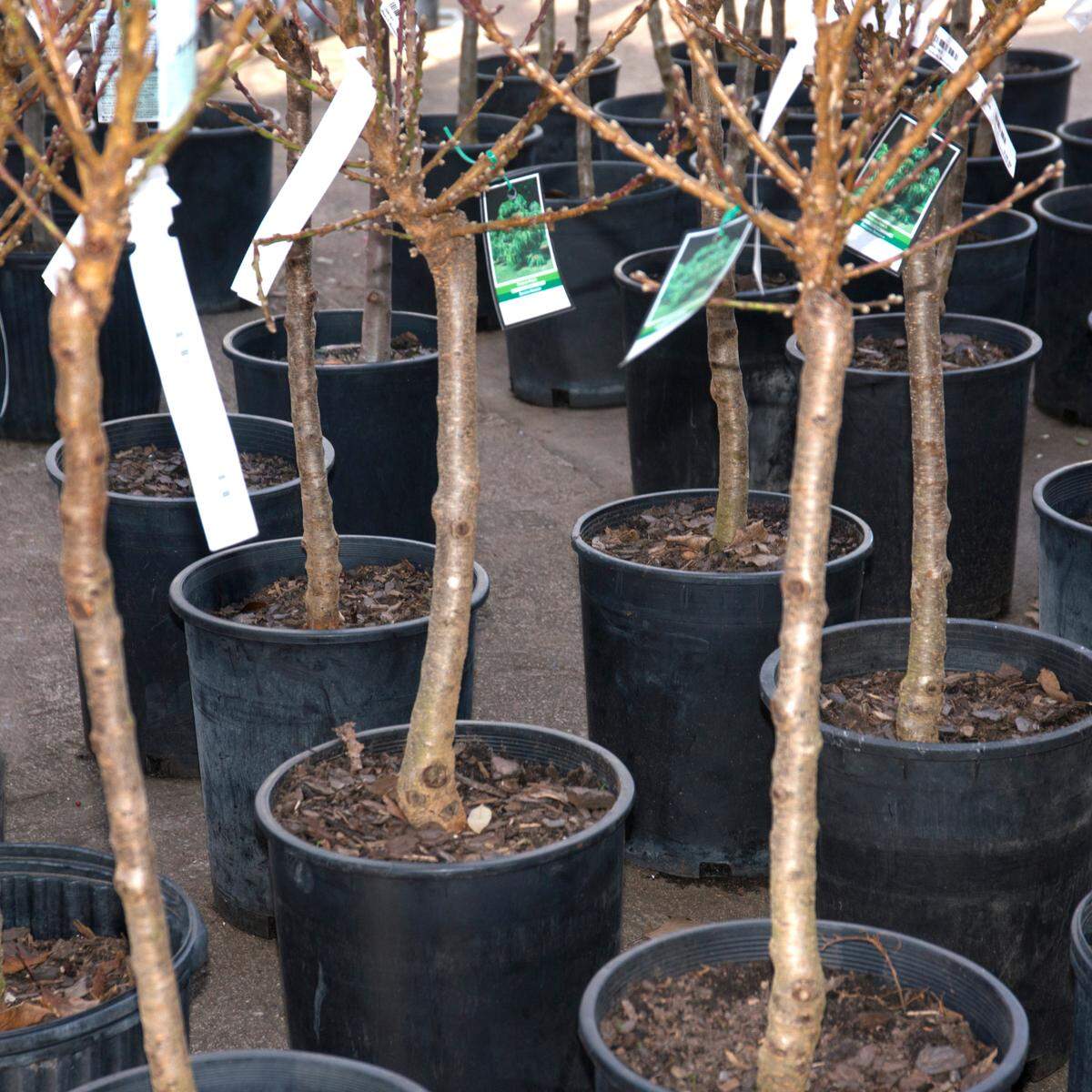
▪ Planting new fruit and pecan trees without pruning them back by half. This is a serious mistake that can ruin their productivity forever. You want to prune newly planted trees back to 22 to 24 inches so you can establish their permanent “scaffold” branching structure. This is especially critical with bare-rooted plants that have lost many of their roots during the digging.
▪ Leaving vertical shoots on peaches, plums. You must prune these trees each winter to maintain a cereal-bowl form 8 or 9 feet tall and 15 to 16 feet wide. Remove all vertical shoots.
▪ Cutting figs back because they’ve grown too large for their surroundings. Bad plan! Figs bear fruit on mature wood, and if we keep pruning them, we’ll never get that woody growth. If your plant has outgrown its space, move it. If it’s too big to move, take cuttings and plant the new plants where they’ll have unlimited space to develop.
▪ Leaving blackberry canes in place after they produce fruit. Each upright blackberry stem produces fruit only one time. They grow one season, then they bloom early the following spring, bear fruit, and then will never bear fruit again. The correct way to prune them is to pinch out the growing tips of the new year’s canes all spring to force side branching. As you finish up harvest of the berries, cut each cane that had fruit completely to the ground to make room for the current year’s growth. Next year, repeat the process.
▪ Pruning pears like we do other types of fruit trees. In reality, pears need pruning only to remove damaged or diseased wood. Allow them to develop in their natural form. Pruning stimulates vigorous growth which will be more susceptible to the fatal fire blight.
Annuals and perennials
▪ Selectively removing only obviously diseased portions of roses infected with rose rosette virus. Truth is, when any part of a rose plant is infected, the entire plant must be removed (roots and all) immediately.
▪ Failure to pinch the tips out of new growth of copper plants, fall asters, mums, Mexican bush salvias, coleus, and other summer color plants that tend to grow too tall over the course of a long Texas growing season. Specifically, fall asters and Mexican bush salvias should be tip pruned in late May, chrysanthemums in June. Coleus and copper plants should be tip-pinched as needed to keep plants compact.
Vegetables
▪ Removing “suckers” from tomato stems. This used to be the practice when we tied tomato plants to strong wooden stakes. However, we found that we got more and better fruit if we grew our plants in wire cages and if we left all the suckers in place. They all bore flowers and fruit, plus they provided shade for the ripening fruit. That helped protect against summer sunscald. So, leave the suckers and cage the tomato plants.
Lawns
▪ Mowing too short, or more commonly, too high. If you mow your turf too short repeatedly the grass will sunburn and thin. Most people, however, head the opposite way, mowing an inch or more too high. That encourages thin growth and weak turf that is subject to weeds. Know the proper mowing height for the type of grass that you have, then mow it there year ‘round.